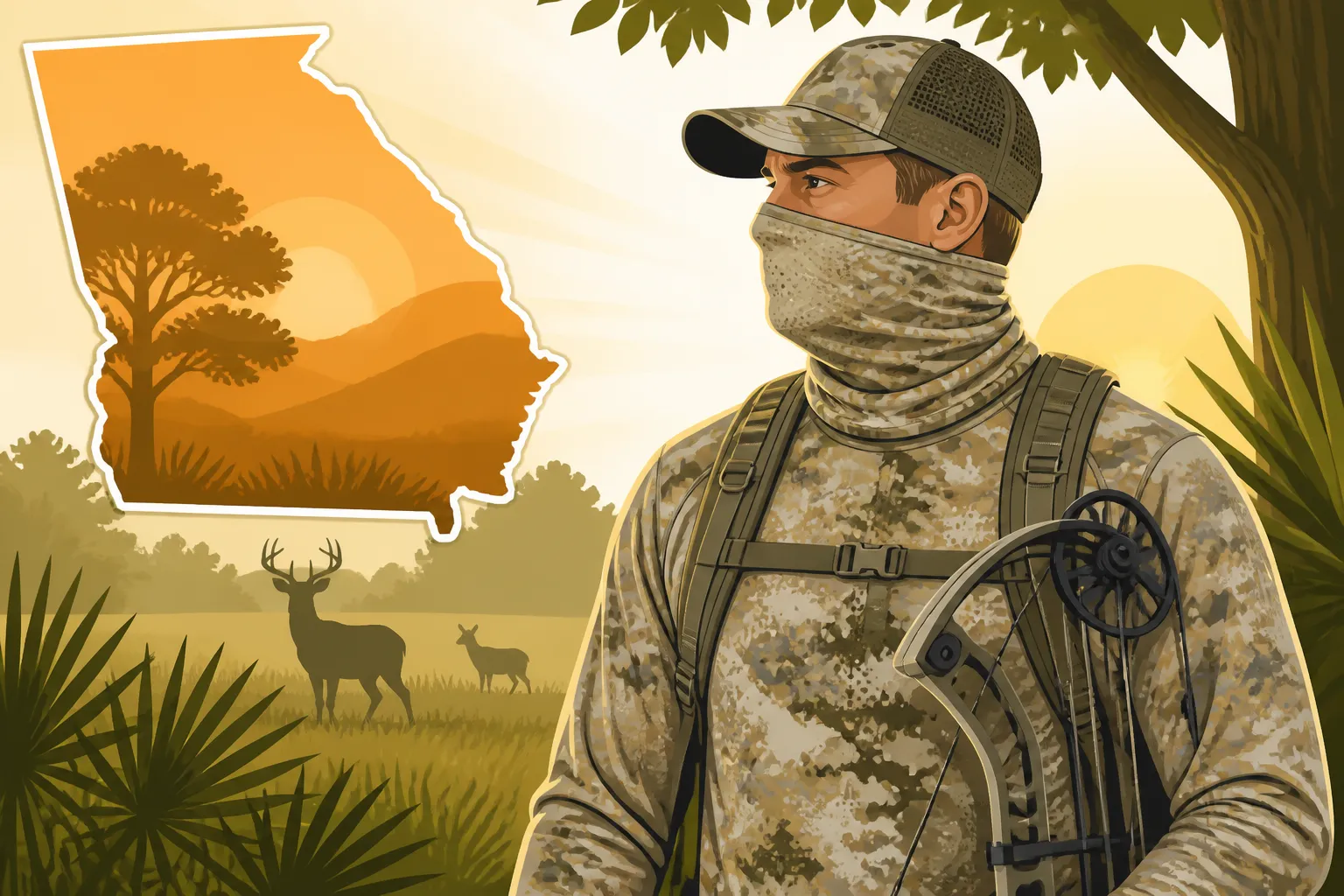
Breathable Camo for Warm-Weather Hunts
If you've ever found yourself absolutely drenched in sweat, miserable and fidgeting in a treestand during Georgia's early archery season, you know the struggle is real. The heat and humidity in our beautiful state can be brutal, making comfort a distant dream and scent control an absolute nightmare. This guide is here to help you navigate the world of breathable camouflage, ensuring you stay cooler, drier, and more comfortable on your warm-weather hunts, giving you an edge over those keen-nosed whitetails.
Why Breathable Camo is Absolutely Essential for Georgia's Climate
Let's face it, Georgia summers and early falls are no joke. We're talking about high temperatures, oppressive humidity, and those pop-up afternoon thunderstorms that leave everything feeling like a steam bath. Wearing heavy, thick camouflage in these conditions isn't just uncomfortable; it actively works against your hunting success. Excessive sweating leads to fatigue, makes you fidget more, and most critically, amplifies your human scent, making it much easier for game to bust you.
Think about bowhunting in September or early October when the thermometer is still hitting the high 80s or even 90s. You're trying to sit still, draw your bow smoothly, and make a clean shot, all while feeling like you're wrapped in a wool blanket. It’s a recipe for disaster. Breathable camo isn't a luxury here; it's a necessity that directly impacts your ability to stay on stand longer, move stealthily, and keep your composure when that buck finally steps out. It's about optimizing your performance when the conditions are stacked against you.
The Georgia Heat and Humidity Challenge
Our state's climate is truly unique, offering a long hunting season that kicks off in some seriously hot weather. From the humid river bottoms of South Georgia to the surprisingly warm early fall days in the North Georgia mountains, managing your body temperature is a constant battle. That heavy, cotton-blend camo you might use in January? It's a sponge for sweat in September, clinging to you, making you feel sticky and miserable. This discomfort isn't just annoying; it causes you to shift, scratch, and generally broadcast your presence to every deer within earshot and scent-shot.
Many hunters make the mistake of wearing their "all-season" gear too early, thinking it'll be fine for an hour or two. But as soon as you start that hike in, carrying your stand and pack, the sweat begins to flow. By the time you settle in, you're already soaked. This constant battle with internal temperature regulation uses up valuable energy, making you less alert and focused. Breathable fabrics are designed to manage this moisture, pulling it away from your skin so it can evaporate, creating a cooling effect and keeping you significantly drier.
Scent Control Starts with Staying Dry
Everyone talks about scent control sprays, scent-eliminating detergents, and ozone generators, but the truth is, the most prolific source of human odor is sweat. When you're sweating profusely, no amount of spray or special wash will completely mask that pervasive human smell. The bacteria on your skin thrive in warm, moist environments, breaking down sweat and producing that telltale scent that sends deer running for cover. This is particularly true when you're Bowhunting Georgia's Early Archery Season or trying to stay hidden during Primitive Weapons Hunting in Georgia.
Breathable camo helps significantly by reducing the amount of sweat your body produces in the first place, and more importantly, by rapidly moving that sweat away from your skin. When sweat evaporates quickly, it takes a lot of your scent with it, dissipating it into the air rather than letting it linger on your clothes and body. This means you're creating less odor to begin with, giving your other scent control efforts a fighting chance. It’s a foundational step that often gets overlooked in the quest for the latest gadget, but truly, staying dry is staying less stinky.
Key Features to Look For in Breathable Camouflage
When you're out there shopping for new gear, it's easy to get overwhelmed by all the options. Every brand claims to be the best, the most advanced, the most breathable. But for Georgia's unique environment, there are specific features that are non-negotiable if you want to stay comfortable and effective. We're talking about the science behind the fabric, how it's constructed, and the thoughtful design elements that make a real difference when the mercury is climbing.
Don't just grab any light-colored camo. Look for materials and designs that are purpose-built for heat and humidity. This isn't just about weight; it's about how the fabric interacts with your body and the surrounding air. A truly breathable garment will feel almost non-existent against your skin, allowing for maximum airflow and rapid moisture transfer. While you're preparing for the season, remember to check out resources like Scouting Georgia Public Land Before Season to maximize your hunting opportunities even before you step into your breathable gear.
Fabric Technologies: Wicking, Venting, and Quick-Dry
The magic of breathable camo lies in its advanced fabric technologies. You'll hear terms like "moisture-wicking," "quick-drying," and "vented" – and these aren't just marketing buzzwords; they're critical functions. Moisture-wicking fabrics are engineered with tiny capillaries that draw sweat away from your skin to the outer surface of the fabric, where it can evaporate more easily. This is crucial for maintaining a dry microclimate next to your body.
Quick-drying properties mean that once sweat reaches the surface, it doesn't linger. It evaporates rapidly, preventing the fabric from becoming saturated and heavy. Many modern synthetic blends, often incorporating polyester or nylon, excel at this. Look for garments with strategically placed mesh panels or laser-cut vents, especially in high-sweat areas like the armpits, back, and crotch. These vents significantly increase airflow, allowing heat to escape and cool air to circulate. A good example is a shirt with a vented back panel, much like a fishing shirt, that helps prevent sweat buildup when wearing a pack.
Lightweight Construction and Articulated Design
Beyond the fabric itself, the overall construction of the garment plays a huge role in breathability and comfort. Heavy, bulky seams, excessive layering, and restrictive cuts can all negate the benefits of advanced materials. Look for lightweight construction that prioritizes minimal bulk. This often means thinner fabrics, flat-lock seams to prevent chafing, and a general feeling of airiness. The goal is for the clothing to feel like a second skin, or better yet, hardly there at all.
Articulated design refers to how the garment is cut to allow for natural movement without restriction. For hunters, this means knees that are pre-bent, elbows that are shaped for movement, and gusseted crotches that prevent pulling. While not directly related to breathability, an articulated design allows you to move freely and silently, reducing friction and the need to adjust your clothing, which can also contribute to overheating and discomfort. When you're Hunting Piedmont Farmland Deer or sneaking through thick cover, you want your clothing to work with you, not against you.
Odor Control Treatments
While staying dry is paramount for scent control, many breathable camo garments also come with integrated odor-control treatments. These are typically antimicrobial agents embedded in the fabric that inhibit the growth of bacteria, which are the primary cause of human body odor. These treatments won't eliminate existing scent, but they can significantly reduce the buildup of new odors throughout your hunt. This is a huge bonus for those long, hot sits where every little bit of scent mitigation counts.
It's important to remember that these treatments are not a substitute for proper hygiene or laundering. They extend the life of your garment's freshness between washes, but they aren't magic. Always wash your hunting clothes with scent-free detergents. However, combined with superior wicking and quick-drying properties, these odor-control treatments provide an extra layer of defense against detection, making you a more stealthy predator in the Georgia woods.
Here’s a quick overview of features to consider:
| Feature | Benefit for Warm-Weather Hunting | Ideal Location/Application |
|---|---|---|
| Moisture-Wicking Fabric | Keeps skin dry, prevents clamminess | Base layers, next-to-skin garments |
| Quick-Drying Material | Prevents fabric saturation, reduces chill | Outer layers, pants, shirts |
| Vented Panels | Maximizes airflow, dissipates heat | Armpits, back, crotch areas |
| Lightweight Construction | Reduces bulk and heat retention | All garments, especially outer layers |
| Articulated Design | Enhances freedom of movement, reduces friction | Knees, elbows, shoulder areas |
| Odor Control Treatment | Inhibits bacteria growth, reduces scent buildup | All garments, especially base layers |
| Quiet Fabric | Minimizes noise during movement | Outer layers |
Different Types of Breathable Camo Systems
Breathable camo isn't just about one magical shirt; it's about building a system that works together to manage your body temperature and minimize your scent signature. Thinking in terms of layers, even in warm weather, can be incredibly beneficial. It allows for flexibility as temperatures fluctuate from pre-dawn cool to midday sweltering heat, and then back down again as evening approaches.
Building a system means you can adapt to different hunting scenarios, whether you're still-hunting slowly through a pine flat or sitting motionless in a ground blind on a field edge. Consider how each piece will perform under varying levels of exertion and temperature. This modular approach is key to maximizing comfort and effectiveness throughout Georgia's long and often hot hunting seasons.
The Importance of a Good Base Layer
Even in warm weather, a good base layer is absolutely critical. This isn't about insulation; it's purely about moisture management. A high-quality, lightweight, moisture-wicking base layer will be the first line of defense against sweat. It pulls moisture away from your skin and spreads it across a larger surface area on the fabric, allowing it to evaporate quickly. If your base layer gets saturated, none of your outer layers will be able to do their job effectively.
Look for synthetic materials like polyester or merino wool blends designed for warm weather. Merino wool might sound counterintuitive for heat, but its natural wicking and odor-resistant properties are excellent, and lightweight versions are surprisingly effective in warmer temperatures. The key is that these fabrics are designed to not hold onto moisture. Never wear cotton as a base layer, as it absorbs sweat and stays wet, chilling you when the breeze hits and amplifying your scent. This is the foundation of Lightweight Layering for Warm-Weather Sits.
Mid-Layers for Variable Conditions
While you might not think of a mid-layer for a warm-weather hunt, there are situations in Georgia where a very light one can be beneficial. Picture a cool pre-dawn walk to your stand, or a hunt during a cooler snap in October. A super-light fleece vest or a thin, breathable long-sleeve shirt can provide just enough warmth without causing you to overheat. The beauty of a mid-layer is its versatility – you can easily shed it and stash it in your pack as the day warms up.
This isn't your bulky winter fleece. We're talking about extremely packable, low-profile garments that still offer excellent breathability. Some hunters even use a mesh-backed synthetic fishing shirt as a very light mid-layer or outer layer, especially when hunting close to water where air circulation is paramount. When deciding on your layers, consider your activity level and the specific microclimate of your hunting area. If you're on public land, a tool like GoHunt can provide topographic and satellite imagery that helps you anticipate terrain and potential temperature variations.
Outer Shells for Protection and Camouflage
Your outer layer is where your camouflage pattern really shines, but it also needs to be highly breathable. This is the garment that directly faces the elements and is responsible for that final layer of moisture transfer and scent dissipation. Look for pants and shirts made from lightweight, quiet, synthetic fabrics that incorporate all those wicking, quick-drying, and odor-control features we discussed earlier.
Many brands offer complete systems where base, mid, and outer layers are designed to work together. While GoHunt helps you find the perfect stand location, investing in a high-quality outer shell will ensure you can sit comfortably and motionlessly in that spot. Pay attention to how the fabric feels against your skin and how much noise it makes when you move. Rustling fabrics are a dead giveaway, no matter how good your camo pattern is. Features like articulated knees and elbows, durable water repellent (DWR) finishes for light rain, and quiet zippers are all signs of a well-thought-out outer layer for warm weather.
Caring for Your Breathable Camo
You've invested in good gear, now you need to protect that investment. Proper care for your breathable camouflage isn't just about making it last longer; it's about maintaining its performance. These high-tech fabrics need specific attention to ensure their wicking, quick-drying, and odor-controlling properties continue to function effectively season after season. Neglecting proper care can quickly turn your expensive, breathable gear into a sweaty, smelly mess, defeating its very purpose.
Don't just throw it in with your regular laundry. Harsh detergents, fabric softeners, and high heat can all degrade the specialized fibers and treatments that make your camo breathable and effective. Taking a few extra steps in the laundry room will pay dividends in comfort and stealth during your warm-weather hunts. This is especially true after a hunt where you've been battling Bug Protection for Early Archery Season and getting covered in sweat and repellent.
Washing and Drying Best Practices
When it comes to washing your breathable camo, always read the care tags first. Most synthetic hunting clothes should be washed in cold water on a gentle cycle with a scent-free, non-detergent soap. Harsh chemical detergents can leave residues that clog the pores of the fabric, reducing its wicking ability. Absolutely avoid fabric softeners, as they can coat the fibers and render the moisture-wicking properties useless. Some hunters even opt for specific hunting-gear washes designed to clean effectively without leaving a scent or residue.
After washing, air-drying is almost always the best option. High heat from a dryer can damage synthetic fibers, shrink garments, and prematurely wear out elastic components. Hang your clothes in a well-ventilated area, away from direct sunlight, to dry. If you must use a dryer, use the lowest heat setting or a tumble-dry-no-heat option. The goal is to preserve the integrity of the fabric and its performance characteristics.
Storing Your Gear Between Hunts
Proper storage is often overlooked but is just as important as proper washing. After your hunt and once your gear is thoroughly clean and dry, store it in a cool, dark place. Many hunters use scent-free bags or containers to prevent their clean clothes from picking up household odors. This is particularly important for your breathable camo, as you want to preserve its inherent odor-fighting properties. Avoid storing gear in plastic bins that might trap moisture if clothes aren't completely dry, as this can lead to mildew and permanent damage.
Consider vacuum-sealed bags or large Ziploc-style bags specifically for your hunting clothes. This not only keeps them fresh and scent-free but also protects them from dust, insects, and potential damage. Before you even consider what gear to buy for next season, think about how GoHunt can inform your hunt plan and help you pick out appropriate gear based on location and terrain. Proper storage ensures your breathable camo is ready to perform at its peak the moment When Georgia's Archery Season Opens rolls around again.
Disclaimer
This article is for general informational purposes only and does not constitute professional advice. Laws, prices and regulations vary by location and change over time. Consult a qualified professional for guidance on your specific situation.