Orange Requirements for Archery Hunters
Hunting in Georgia means navigating a maze of regulations, and one of the most common sources of confusion, especially for archers, is the requirement for blaze orange. It's easy to assume one rule applies everywhere, but the reality is more nuanced, particularly when different seasons or weapon types overlap. Many bowhunters feel a genuine frustration with this, as their success often hinges on being completely undetected. This guide aims to demystify Georgia's blaze orange requirements specifically for archery hunters, ensuring you stay safe and legal in the woods without sacrificing your hunting strategy more than necessary.
Georgia's General Blaze Orange Rules for Hunters
Let's start with the basics, because understanding the general rules for blaze orange in Georgia is foundational to understanding the specific exceptions and requirements for archers. These rules aren't arbitrary; they're in place for the safety of everyone enjoying our wild spaces. It's about making sure that in a landscape where camouflage is king, humans stand out to other humans.
When Blaze Orange is Universally Required
Generally speaking, Georgia mandates blaze orange during any firearms deer or bear season. This isn't just a suggestion; it's a legal safety net designed to prevent tragic accidents. When hunters are in the woods with rifles and shotguns, especially during those prime hunting hours of dawn and dusk, visibility becomes paramount. You'll often see this requirement kicking in during Georgia Statewide Firearms Season Dates and running through specific dates for different zones.
The requirement typically specifies that an outer garment, visible from all sides, above the waist, must be worn. This means a little patch on your hat isn't going to cut it, nor is a vest that's completely covered by your backpack. The intent is clear: you need to be easily spotted by other hunters. Think about that crisp autumn morning, the woods are alive with rustling leaves, and you're out there on public land, perhaps on a Wildlife Management Area. You want to be sure that the person walking through the next ridge knows you're there, especially if they're focused on spotting a deer's subtle movements.
This general requirement kicks in pretty much any time firearms are allowed for big game, or even some specific managed hunts for other species where firearms might be present. It's designed for scenarios where visibility is paramount, often in dense woods where shots might be taken at longer distances or where hunters might be moving through cover. Even if you're just still-hunting through a pine plantation or sitting on a field edge, if it's firearms season, that orange better be on.
The "Why" Behind Blaze Orange Mandates
The primary reason for blaze orange mandates is to reduce hunting accidents, particularly those involving mistaken identity or accidental discharge when one hunter doesn't see another. Nobody wants to be part of a statistic, and these regulations are a direct result of past incidents and a continuous commitment to hunter safety across the state. We're talking about preventing preventable tragedies in the field, ensuring every hunter goes home safe.
The specific nature of hunting also plays a role. Unlike casual hikers who might wear bright colors, hunters are often moving slowly, focused intently on scanning for the subtle movements of game. This focused attention, combined with low light conditions and camouflaged prey, can sometimes lead to a stationary human form blending into the background. Blaze orange breaks that natural camouflage instantly, creating a stark contrast that's difficult to miss. It's a clear signal that says, "Human here, not game."
Ultimately, it’s not just about avoiding being shot by someone, but also about being seen by someone who might otherwise accidentally aim in your direction. It provides a visual flag that screams "human" in an environment where everything else is trying to blend in. This is especially critical on crowded public lands, where Hunting Pressure on Georgia Public Land can be quite intense during opening weekends or peak rut. It’s an extra layer of protection for every person afield.
Acceptable Blaze Orange and Pink Options
So, what exactly constitutes "blaze orange" legally? Most regulations specify a minimum amount of solid, fluorescent orange outerwear, visible from all sides. This isn't just about color; it's about the intensity and coverage. It needs to be a truly noticeable, bright, fluorescent orange, not some faded, dingy shade that's seen too many laundry cycles. The aim is maximum contrast against natural surroundings.
In recent years, Georgia, like many other states, has recognized blaze pink as an acceptable alternative to blaze orange. This is a fantastic development that offers more options for hunters while maintaining the same critical safety standards. Blaze Pink Options Under Georgia Law have become increasingly popular, offering the same level of safety and visibility with a different aesthetic, proving that safety doesn't have to be a one-size-fits-all approach.
However, be wary of common pitfalls. Small mesh vests or hats with minimal orange often aren't sufficient on their own. The key is visibility from all directions, including when you're bent over, sitting in a ground blind, or moving through thick brush. A small hat might not cut it if the rest of your body is concealed by natural cover or your treestand. Always double-check the specific wording in the current Georgia hunting regulations to ensure your gear meets the specified standard for coverage and visibility.
Specifics for Archery Season and Overlaps
This is where many bowhunters get confused, and understandably so. The rules aren't always straightforward, especially when different hunting methods and seasons start to intertwine. For archers, understanding these nuances can be the difference between a safe, legal hunt and a costly mistake.
Archery-Only Season: A Different Rulebook
Here's the golden rule that brings a sigh of relief to many bowhunters: during the pure, dedicated archery-only portions of Georgia's deer season, no blaze orange is required. This is a critical distinction and one that bowhunters often look forward to. During When Georgia's Archery Season Opens, you can dress head-to-toe in your favorite camouflage pattern without a worry, focusing entirely on blending into your surroundings.
The rationale behind this exemption is quite sound. Bowhunting is fundamentally a close-range endeavor, often practiced from a static position like a treestand or a well-concealed ground blind. In these scenarios, complete camouflage is not just a preference; it's absolutely critical for success. An arrow's effective range is far shorter than a rifle bullet's, and the intent is to be entirely undetected by the game, making bright colors a significant hindrance to the hunt.
This "no orange" rule applies specifically to the dedicated archery-only portions of the season, which occur before any primitive weapons or general firearms seasons kick in for deer. It's a special window where stealth and concealment are prioritized above all else. However, it is always paramount to double-check the current Georgia hunting regulations, as season structures can shift slightly year to year. Make sure you are absolutely clear on the exact dates when only archery equipment is permitted in your chosen hunting zone for Bowhunting Georgia's Early Archery Season.
Navigating Overlapping Seasons
This is precisely where the confusion often comes in, and it's a critical point for archers. What happens when the archery season overlaps with a primitive weapons season (like muzzleloader) or even a general firearms season for deer or bear? The straightforward rule of thumb is this: if any other hunting season requiring blaze orange is open in the area you are hunting, you, as an archer, must also wear blaze orange.
Let's imagine a common hypothetical scenario. You're out bowhunting deer during early October, which is still part of the broader deer archery season. However, in your specific county, the Georgia's Primitive Weapons Season Dates have now opened, meaning muzzleloaders are also in the woods. Even though you are personally carrying a bow, you are now sharing the woods with hunters using firearms. In this situation, you absolutely need to wear blaze orange. The risk profile shifts the moment other weapon types are introduced into the environment, and safety dictates that everyone is visible.
This means being diligent about checking the hunting calendar. You can't just rely on the general knowledge that "archery season starts in September." You need to know the specific dates for when Georgia Statewide Firearms Season Dates commence in your specific county or WMA. Using a reliable resource, such as the official Georgia DNR website, or a specialized mapping and regulation app like GoHunt, is absolutely essential for pulling up current and accurate season dates. A quick glance at the season calendar can save you a headache, a potential fine, and most importantly, ensure your safety.
Youth Hunters and Blaze Orange
For youth hunters, while there are specific rules and sometimes special seasons like Georgia Youth Deer Hunt Rules, the blaze orange requirements generally align with the adult rules for the weapon type and season they are participating in. If a youth is hunting during a firearms season for deer, they will need that blaze orange just like an adult. Safety regulations are rarely relaxed for younger hunters; in fact, they're often reinforced to instill good habits early.
It’s incredibly important to instill good safety habits, including proper blaze orange use, in young hunters from the very beginning. Understanding why blaze orange is important, even when not legally required (like during pure archery season), can be a valuable lesson for them. You might even choose to have a young archer wear a blaze orange hat or vest even if not mandated, just for added visibility and peace of mind, especially if you have any concerns about other people being in the woods.
When a youth hunter is accompanied by an adult mentor, perhaps hunting under an apprentice license, both the mentor and the youth need to be acutely aware of and comply with all applicable blaze orange rules. It’s a shared responsibility to ensure visibility and safety. For instance, if you are out with a youth hunter during a weekend that offers Hunting the Georgia Youth Deer Weekend but that also overlaps with a primitive weapons season, both of you should be wearing appropriate blaze orange to be safe and legal.
Exceptions and Misconceptions About Orange
The world of hunting regulations is rarely black and white, and blaze orange is no exception. There are specific situations where the rules differ, and unfortunately, several common misconceptions persist among hunters. Clearing these up is crucial for safe and legal hunting in Georgia.
Does It Apply to All Game Species?
Generally speaking, blaze orange requirements in Georgia primarily apply to big game hunting seasons – specifically deer and bear, and sometimes feral hogs when they are hunted under big game regulations during firearms seasons. You typically won't find blaze orange mandated for small game like rabbits or squirrels, nor for birds like turkeys or doves. The risk profile for these types of hunts is often different, involving smaller caliber firearms or different hunting tactics.
Turkey hunting is a perfect example of where blaze orange is distinctly not required, and in fact, would be highly detrimental to your chances of success. Turkeys are legendary for their keen eyesight; wearing bright orange would practically guarantee that no gobbler would ever come into your calling setup. For Spring Turkey Hunting in Georgia, concealment is absolutely paramount, and hunters are typically dressed in full camouflage. The only exception might be if you choose to wear orange when moving between setups on public land, but this is a personal safety choice, not a legal mandate.
When you're engaged in hunting multiple species simultaneously, or if you're hunting a species like feral hogs that can be hunted year-round with various methods, you should always defer to the most restrictive rule. If you're hog hunting with a rifle during deer firearms season, you'll need blaze orange. If you're archery hunting hogs during pure archery-only deer season, you generally won't. Always check the specific game species regulations for clarity, especially if you're trying to figure out the rules for Feral Hog Hunting Year-Round in Georgia, as hog regulations can sometimes have their own specific nuances depending on the context.
Common Mistakes and How to Avoid Them
The most prevalent mistake among archers is assuming that "archery" automatically means "no orange required." As we've discussed, this is a dangerous oversimplification. The key factor is overlap. Just because you have a bow in your hand doesn't exempt you from wearing blaze orange if other weapon types are legally in play in the same area. Always consider all the hunting seasons that are open, not just the specific weapon you are using.
Another common pitfall is insufficient coverage. A small orange patch on a hat or a thin, often-obscured vest is rarely enough to meet the legal requirements for visibility. The intent of the law is clear, unobstructed visibility from 360 degrees. Your blaze orange should be an outer layer, like a vest or jacket, that is truly visible from all angles. Imagine someone scanning the woods with binoculars – would they instantly spot you, no matter which way you’re facing?
Finally, one of the biggest dangers is not checking updated regulations before each season. Hunting laws and season dates can change from year to year, sometimes with minor tweaks and other times with significant revisions. Relying on old knowledge or assumptions from previous seasons can be a dangerous game. Before every season, make it a habit to visit the Georgia Department of Natural Resources (DNR) website or use a reputable app like GoHunt to confirm the latest rules, season dates, and any special considerations, such as those that might apply in Georgia's Chronic Wasting Disease Management Area. Being proactive keeps you safe and legal.
Public vs. Private Land Implications
It's important to understand that the legal requirements for blaze orange in Georgia apply equally to both public and private land. There isn't a separate set of rules based on land ownership when it comes to this critical safety mandate. If the season dictates blaze orange, you wear it, whether you're deep in the Chattahoochee-Oconee National Forest Hunting or on your buddy's 50-acre private tract in the Piedmont. The law is designed for general hunter safety across the board.
However, while the legal requirement is the same, the practical implications and your personal comfort level might differ slightly. On private land, especially smaller tracts or those managed by a tightly knit hunting club, you might have fewer other hunters to worry about. Yet, a neighboring landowner might still be hunting nearby, or a lost dog walker could wander onto the property. Safety remains paramount regardless of who owns the dirt you're hunting on; you can never assume you're alone.
On public lands, particularly during popular seasons, the sheer volume of hunters makes blaze orange even more critically important. Areas within the Georgia Wildlife Management Areas or national forests can see significant hunter numbers, especially on opening days. Standing out is not just a legal requirement but a common-sense survival strategy. Even if you've done extensive Scouting Georgia Public Land Before Season and found a secluded spot, you can't always predict everyone else's movements, and that blaze orange provides a vital layer of protection against the unexpected. While the Georgia Outdoors App is great for general public land info, a specialized tool like GoHunt can offer even more detailed mapping layers, including public/private land distinctions, which might further inform your safety considerations on shared land.
Practical Considerations for Archery Hunters
Even when blaze orange is required, bowhunters often wrestle with how to incorporate it without compromising the stealth that is so crucial to their craft. It's a valid concern, and thankfully, there are practical ways to manage it.
Balancing Visibility with Stealth
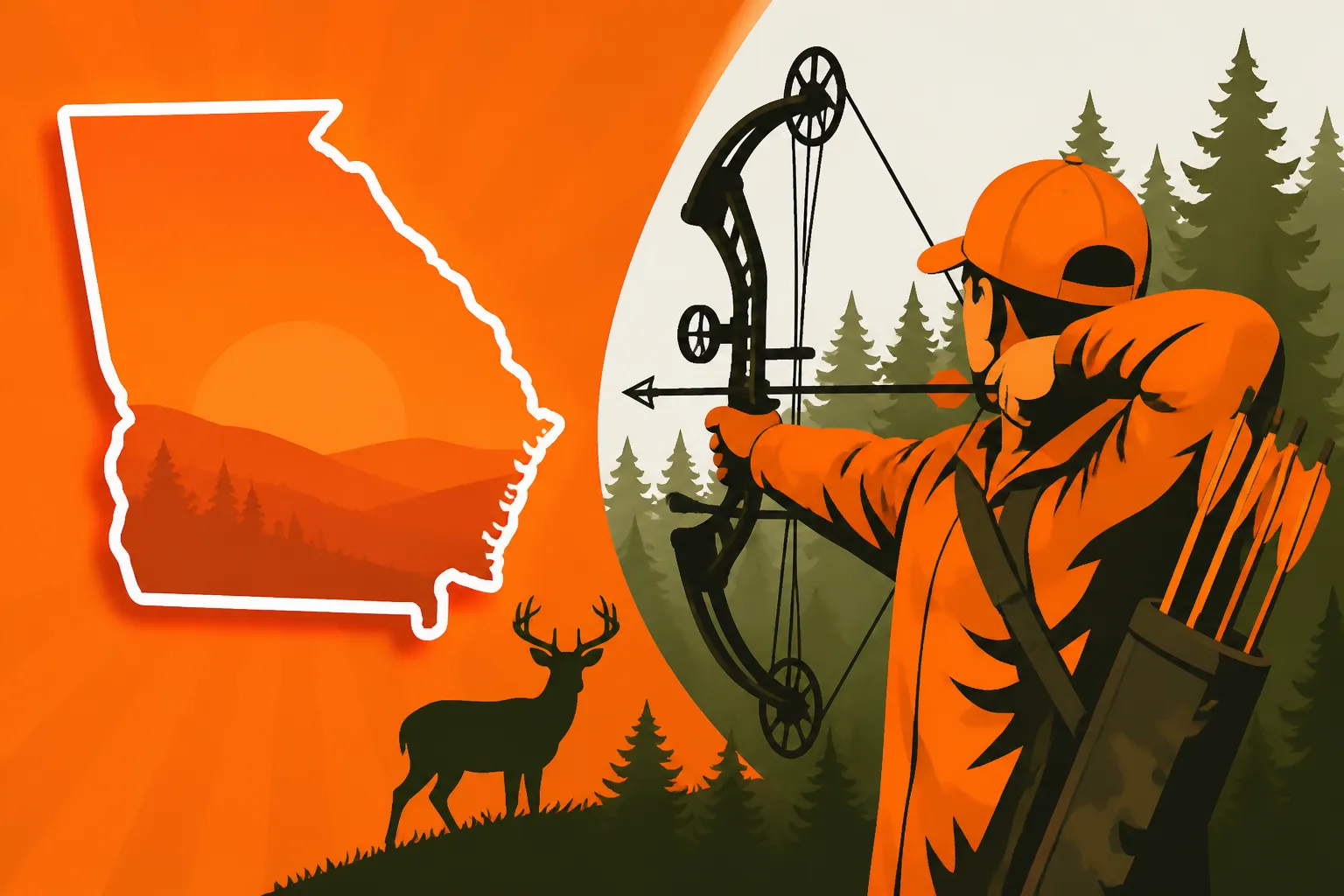
This is the perpetual dilemma for bowhunters. When orange is required, how do you wear it without alerting every deer in the county? The key is understanding that blaze orange doesn't have to be your only layer, nor does it need to cover every single inch of you. It's often worn as an outer vest or hat, placed strategically over your primary camouflage. The legal requirement is for visibility, not for becoming a walking beacon.
Many hunters opt for a thin, packable blaze orange vest or even a simple blaze orange hat that can be easily donned or removed. If you're walking into your stand during a mixed-weapons season, wear it prominently. Once you're safely in your elevated position, like a treestand, and have visually confirmed (to the best of your ability) that no other hunters are immediately around your stand, some bowhunters might carefully remove a portion of the orange, perhaps a vest. This is a nuanced personal choice and should only be done if you are absolutely sure you are still meeting any minimum legal requirements for visibility and if no other hunters are actively moving around near your immediate area. It's always best to err on the side of caution.
The good news for bowhunters is that deer are generally considered colorblind to the orange spectrum. What appears as bright, vibrant orange to us typically registers as a dull gray or brown to a deer. Their primary advantage is in detecting movement and scent, not distinguishing between similar shades of color in that spectrum. So, while wearing orange might feel like it's compromising your stealth, its visual impact on the deer themselves is often overstated. Focus more on scent control, quiet movement, and breaking up your outline, rather than overly worrying about the color itself once you're in your stand.
Gear Choices and Strategic Placement
Modern hunting gear has evolved significantly, offering intelligent ways to integrate safety colors. You can find lightweight, packable blaze orange vests specifically designed to go over your existing camouflage. Consider a reversible vest that's camo on one side and blaze orange on the other, allowing you the flexibility to flip it as needed, depending on the phase of your hunt (e.g., walking in vs. sitting) and the specific regulations. Many quality hunting apparel brands offer these kinds of solutions, understanding the archer's need for both safety and stealth.
Hats are another incredibly easy and effective way to add visibility without sacrificing much stealth. A solid blaze orange hat, perhaps worn over your camo beanie, can meet many requirements while keeping your core camouflage intact. Just ensure it meets the "visible from all sides" criterion. Some hunters even attach small, removable orange patches or bands to their backpacks or the back of their Treestand Setups in North Georgia Mountains during travel or setup, ensuring they are seen while moving through the woods.
Think about how you’re positioned and how your orange might be obscured. If you're Using a Ground Blind on Georgia Public Land, you might be largely concealed, but if you step out to stretch, retrieve an arrow, or field dress game, that orange needs to be readily visible. When choosing your gear, consider how it will function in various hunting scenarios and ensure that your blaze orange remains an unobstructed part of your outer layer whenever legally required.
Beyond the Legal Minimum: Personal Safety
While understanding and adhering to the legal minimum for blaze orange is crucial, personal safety often goes beyond just ticking boxes. Even if blaze orange isn't legally mandated during a pure archery season, some hunters make the conscious choice to wear a small amount of it – perhaps an orange hat, an arm band, or a vest – when walking to and from their stand in low light conditions, or when hunting in areas known for heavy hunter traffic.
This is particularly true if you are hunting on public land and are concerned about other users, whether they are fellow hunters, hikers, or even accidental trespassers. You might be the only one with a bow, but there could be other hunters using firearms in adjacent areas, or non-hunters who aren't familiar with hunting seasons. A little bit of extra visibility, even if not strictly required, can provide invaluable peace of mind and an added layer of protection. You can also use tools like GoHunt to map out your routes and see property boundaries, which can help assess how many other hunters might be around.
Always, always assume there are other people in the woods, even if you don't see them. Especially during those critical transition times of dawn and dusk, when natural light is low and visibility is inherently poor, that splash of color can make all the difference. Remember, the ultimate goal is to come home safe and sound after every hunt, and sometimes exceeding the minimum legal requirement is simply the smartest and most responsible choice you can make. For tips on incorporating safety into your gear choices, check out our guide on Warm-Weather Clothing for Georgia Hunters.
| Season Type | Primary Weapon | Blaze Orange Required? | Notes |
|---|---|---|---|
| Archery-Only Deer | Bow/Crossbow | No | Camouflage is prioritized. |
| Archery Overlapping Primitive | Bow/Crossbow, Muzzleloader | Yes | All hunters must wear orange due to primitive weapon use. |
| Archery Overlapping Firearms | Bow/Crossbow, Rifle/Shotgun | Yes | All hunters must wear orange due to firearm use. |
| Spring Turkey Season | Shotgun, Bow | No | Turkeys have excellent eyesight; concealment is critical. |
| Small Game (Rabbit, Squirrel) | Shotgun, .22 | No | Not generally required unless overlapping big game firearms season. |
| Feral Hog (Dedicated Hunt) | Various | Check Local Rules | Often not required if standalone; yes if overlapping big game. |
Disclaimer
This article is for general informational purposes only and does not constitute professional advice. Laws, prices and regulations vary by location and change over time. Consult a qualified professional for guidance on your specific situation.