Treestand Safety Gear for Wet Ground
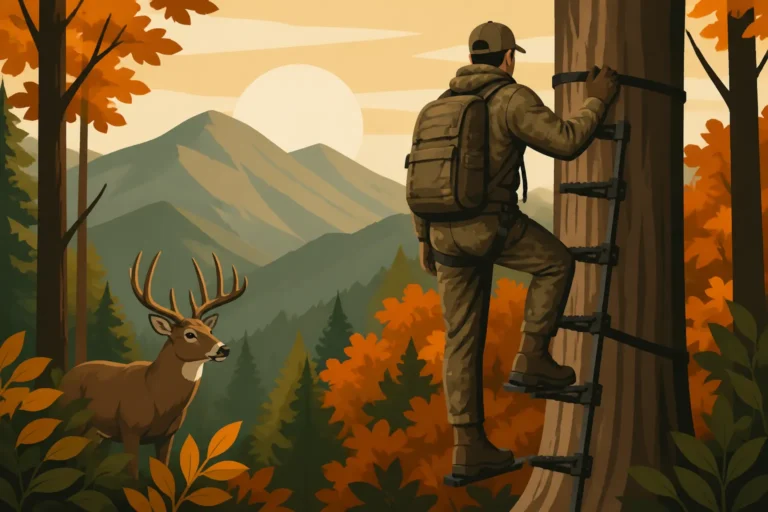
Hunting from a treestand in Georgia offers incredible advantages, giving you an elevated view and often putting you above a deer's natural line of sight. But let's be honest, the moment rain enters the forecast, or even just high humidity leaves a persistent dew, the thought of ascending and descending that stand can send a shiver down your spine that has nothing to do with the temperature. That feeling of uncertainty, of potential slips and falls on slick surfaces, is a very real and valid concern for any hunter. This guide is here to walk you through the essential treestand safety gear specifically designed for wet ground conditions in Georgia, along with best practices to keep you secure and confident, no matter what Mother Nature throws your way.
Understanding the Risks of Wet Weather Hunting
Georgia's weather can be notoriously unpredictable, especially during hunting season. A crisp, dry morning can quickly turn into a drizzly afternoon, or a heavy dew can leave everything feeling like it's been soaked. These conditions drastically change the safety equation when you're using a treestand. Ignoring the added risks is a shortcut to a dangerous situation.
The Slippery Slope of Treestand Setup and Ascent
When you're setting up a ladder stand, climbing sticks, or even a hang-on stand in damp conditions, you're immediately dealing with compromised grip. The rungs of a ladder stand, the steps of climbing sticks, and the platforms of hang-ons become incredibly slick when wet, whether from rain, morning dew, or even just heavy condensation. Your boots, especially if they're caked with a little mud from the walk in, can lose their purchase in an instant. This isn't just an inconvenience; it's a genuine hazard that can lead to falls from height, and we all know how unforgiving a fall from a treestand can be. The ground below can also be a slick mess, making it harder to establish a stable base for your ladder or to maneuver climbing sticks securely into the tree. Even the tree bark itself can become incredibly greasy when wet, reducing the friction that cam straps and stand components rely on for a tight hold.
Compromised Gear and Weakened Equipment
Wet weather doesn't just make surfaces slippery; it can also affect your gear itself. Ropes and straps, especially older ones, can absorb water, become heavier, and in some cases, slightly less pliable, making them harder to manage. Metal components on your stand, like hinges, pins, and cables, can become more prone to corrosion over time if not properly maintained after repeated exposure to moisture, leading to weakened structural integrity. While modern treestands are built to withstand the elements, persistent dampness combined with poor maintenance can accelerate wear and tear. Furthermore, if you're not using gear specifically designed to shed water or maintain grip in wet conditions, you're inherently introducing weak points into your safety system. It's not just about what you wear on your feet; it's about how every piece of your setup interacts with the wet environment.
Essential Safety Gear for Wet Ground Conditions
When the ground is wet and the air is humid, your standard treestand setup needs an upgrade in the safety department. Thinking proactively about how each piece of gear performs in these conditions is paramount.
Full-Body Harnesses and Lifelines
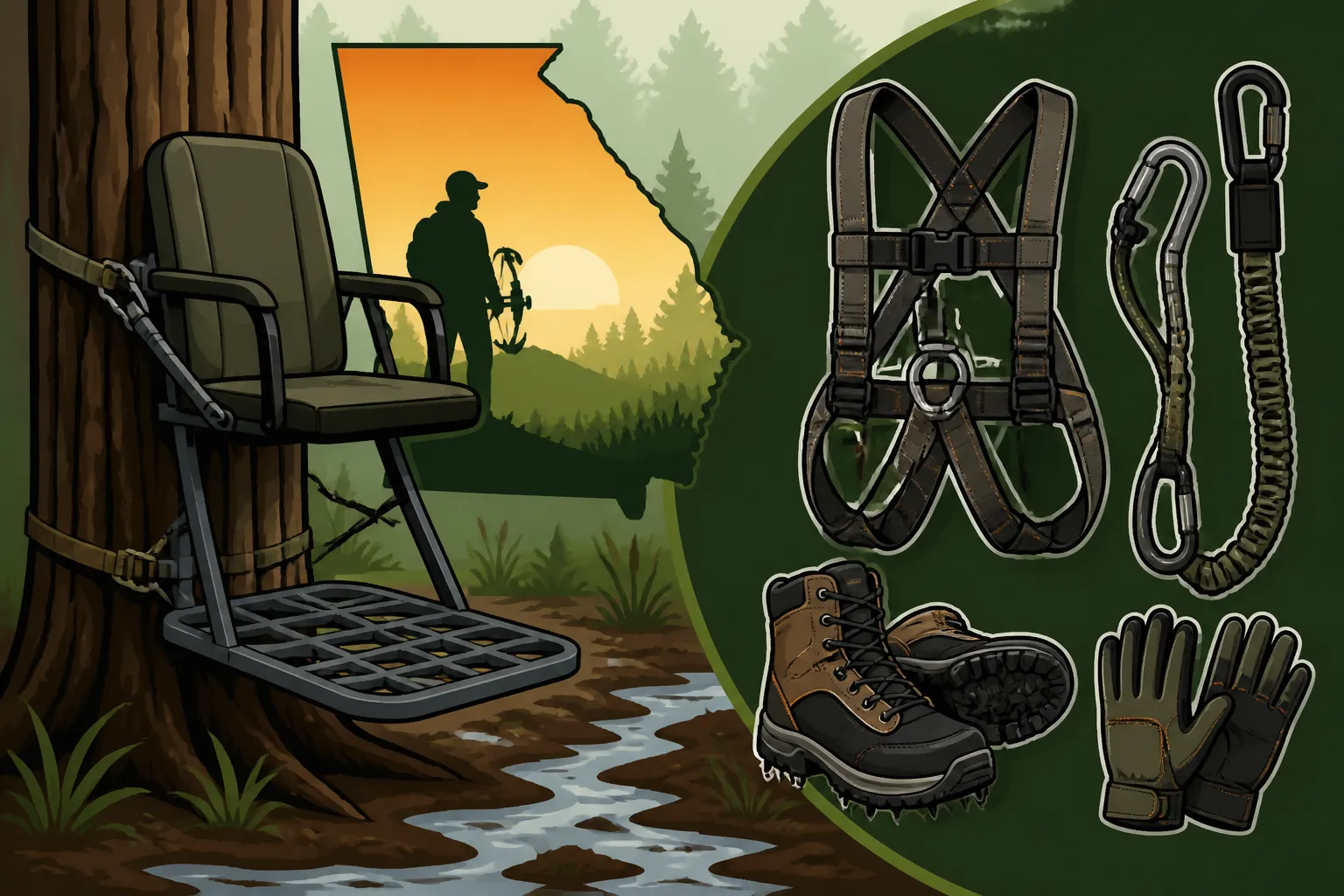
This is non-negotiable, folks. I cannot stress enough how vital a full-body harness is every single time you leave the ground. But in wet conditions, it becomes even more critical. A good harness, properly fitted, should be worn from the moment your feet leave the ground until they return. Paired with this, a properly installed lifeline is your best friend. A lifeline, which is a rope that runs from the base of the tree up to your stand and back down, allows you to remain tethered to the tree from the moment you start climbing until you're safely in your stand, and vice versa on descent. This completely eliminates those dangerous moments of being unattached.
Many models now feature a prusik knot or similar device that slides freely as you climb but locks instantly if you fall. When things are wet and slippery, that continuous connection is the one thing that will absolutely prevent a catastrophic fall. Don't cheap out on this or skip the installation. It's your life insurance policy in a treestand. Make sure you practice clipping in and moving with your tether before opening day, especially if you're like me and have hands that get a little numb in the cold, wet air. Treestand Setups in North Georgia Mountains often require careful consideration of these safety elements due to the steep terrain and varying tree types.
Non-Slip Footwear and Climbing Aids
Your boots are your primary point of contact with climbing sticks and stand platforms, so their performance in wet conditions is crucial. Look for boots with aggressive, multi-directional tread patterns designed for excellent grip on wet, muddy, and slippery surfaces. The material of the sole matters too; softer rubber compounds generally offer better grip on slick surfaces than harder ones. Consider waterproof boots not just for comfort, but because dry feet tend to maintain better tactile feedback and grip within the boot itself, reducing the chance of internal slips that can throw you off balance.
Beyond just your boots, dedicated climbing aids can significantly enhance safety. For ladder stands, ensure all rungs have a non-slip texture. For climbing sticks, some brands offer sticks with aggressive teeth or larger, textured steps. If you're using screw-in steps or strap-on steps, make sure they are installed securely and provide ample, non-slip foot room. Remember, a little moss or algae on a step can feel like black ice when wet. Platforms like GoHunt's mapping features can sometimes help you identify areas with dense, moisture-holding vegetation, which might indicate slicker conditions underfoot when you scout.
Wet Weather Clothing Considerations
While not strictly "safety gear" in the traditional sense, your clothing choice directly impacts your safety and comfort in wet conditions. Being cold and wet isn't just miserable; it can impair your judgment, dexterity, and ability to react quickly. Waterproof outer layers are essential – a good rain jacket and pants that keep you dry will help maintain your core temperature and focus. Layering is key, allowing you to shed or add insulation as temperatures and activity levels change.
However, beyond just keeping you dry, consider how your clothing interacts with your harness. Bulky rain gear can sometimes interfere with the proper fit and function of your full-body harness, making it harder to adjust or potentially creating snag points. Opt for rain gear that allows for a snug but comfortable fit over your harness, or choose pieces designed with harness compatibility in mind. Also, think about visibility. If you're on public land, don't forget your Georgia Blaze Orange Requirements or pink, which becomes even more important in low-light, rainy conditions for other hunters to see you.
Pre-Hunt Checks and Best Practices
Safety isn't just about the gear; it's about the mindset and the routine you follow every single time you hunt from a treestand, especially when the weather is less than ideal.
Inspecting Your Equipment Thoroughly
Before you even leave your truck, take a few extra minutes to inspect every piece of your treestand safety gear. This is particularly crucial in wet conditions because moisture can exacerbate issues or make them harder to spot.
Pre-Hunt Treestand Safety Checklist for Wet Conditions
| Item | Pre-Hunt Check | Why it Matters for Wet Ground |
|---|---|---|
| Full-Body Harness | Check for fraying, cuts, tears in webbing. Ensure all buckles, straps, and adjustment points are functioning smoothly. Inspect stitching for signs of wear. | Wet conditions can accelerate wear on webbing. Buckles and adjusters can become stiff or corroded if not properly maintained, impacting a quick and secure fit. |
| Lifeline/Tether | Inspect the entire rope for cuts, abrasions, UV damage, or flat spots. Check prusik knot/attachment for wear. Ensure carabiners lock securely. | Rope strength can be compromised by prolonged moisture exposure or damage. A failing prusik knot is a direct risk. |
| Treestand/Sticks | Look for cracks, bends, or excessive rust on metal components. Check all welds. Ensure cam straps and ratchets are tight and free of fraying. Verify platform/rung integrity. | Rust and corrosion are accelerated by moisture. Wet straps can stretch or slip if not properly tightened. Slick rungs are a major fall hazard. |
| Footwear | Examine soles for excessive wear, especially around the edges and heel. Check for loose stitching or holes that would compromise waterproofing. | Worn treads offer poor grip on wet surfaces. Compromised waterproofing leads to wet, cold feet, impacting dexterity and focus. |
| Backpack/Packs | Ensure zippers and closures are working. Check for rips or tears that would allow water in. | Keeping spare layers, calls, and electronics dry is crucial. A wet pack can also add unexpected weight and throw off balance. Tools like GoHunt can help you manage your gear list. |
| Emergency Kit | Verify contents are dry and accessible (first aid, whistle, knife, flashlight). | In a wet emergency, being able to quickly access and use dry, functioning emergency supplies is vital for survival and signaling. First Aid Kits for Remote Swamp Ground are essential. |
Pay particular attention to ropes and straps, as constant dampness can lead to mold or mildew, which can degrade the fibers over time. Metal components can rust, and stress points can weaken. Always check your harness for any signs of wear, especially if it's been stored in a damp shed. Your life literally depends on it.
Safe Climbing Techniques in the Rain
Climbing a treestand in the rain or heavy dew requires even more deliberate movement and caution. Slow down. Don't rush. Every step you take should be a conscious placement of your foot, feeling for secure purchase on the step or rung before shifting your weight.
- Three Points of Contact: Always maintain three points of contact with the stand or tree at all times—either two hands and one foot, or one hand and two feet. This significantly reduces your chances of a slip becoming a fall.
- Use Your Lifeline: As mentioned, your lifeline ensures you're always tethered. Engage that prusik knot or similar device with every move.
- Test Each Step: Before fully committing your weight, test each step or rung. A quick, light pressure can tell you if it's slicker than expected.
- Clean Boots: Try to wipe off excessive mud or debris from your boots before you start climbing to maximize tread grip.
- Ladder or Sticks: If using a ladder stand, ensure it's firmly planted on level, non-slippery ground. For climbing sticks, double-check that each section is securely strapped and doesn't rotate under pressure. I know many hunters who utilize platforms like GoHunt for their aerial imagery to better understand terrain and identify potential stable setup locations before they even head into the woods.
- Descending: Descent is often where most accidents happen. Fatigue can set in, and you might be less vigilant. Apply the same slow, deliberate, three-points-of-contact rule. Keep your eyes and focus on your feet and hands.
Emergency Preparedness
Even with the best gear and techniques, accidents can happen. Being prepared for an emergency, especially in wet conditions that might exacerbate hypothermia or make rescue more difficult, is paramount. Always carry a cell phone in a waterproof case, but don't rely solely on it – signal can be spotty in many Georgia hunting areas. A whistle for signaling, a sharp knife for cutting lines if absolutely necessary, and a small first-aid kit are absolute essentials. Consider also carrying a small, dry space blanket or emergency poncho in your pack; if you're stuck in your stand after a fall, staying warm and dry can be critical while you await help. Let someone know where you're going and when you expect to be back. This simple step can literally be a lifesaver. Deer Drives With Three or Four Hunters often have a safety plan in place for unforeseen circumstances, and you should too, even hunting solo.
Choosing Gear That Stands Up to Georgia's Humidity
Georgia's unique climate, with its high humidity levels, isn't just about rain. Constant moisture in the air can affect your gear even on a seemingly dry day. When investing in treestand safety gear, thinking about how it holds up to this pervasive dampness is a smart move for longevity and reliable performance.
Material Considerations for Longevity
When selecting a treestand, climbing sticks, or even a full-body harness, the materials they're made from play a huge role in their durability in a humid environment.
- Stands and Sticks: Aluminum is often preferred over steel for stands and climbing sticks due to its lighter weight and superior corrosion resistance. While steel is strong, it's more prone to rust if its protective coatings are scratched or compromised. If you choose steel, ensure it has a robust powder-coat finish and inspect it regularly for any chips or deep scratches that could expose the metal to moisture.
- Harnesses and Ropes: Synthetic materials like nylon and polyester are common for harness webbing and ropes because they resist rot and mildew far better than natural fibers. However, even these materials can degrade from prolonged UV exposure or constant dampness if not allowed to dry properly. Look for harnesses with water-repellent treatments that help shed moisture.
- Hardware: Carabiners, buckles, and other metal hardware on your harness or lifeline should be made of stainless steel or treated with corrosion-resistant coatings. These small components are critical and can fail if compromised by rust.
Investing in quality materials might mean a slightly higher upfront cost, but it's a worthwhile investment in gear that will remain safe and functional for many seasons, especially in Georgia's humid climate.
Storage and Maintenance for Wet Environments
No matter how high-quality your gear is, improper storage and maintenance will drastically reduce its lifespan and compromise its safety. This is especially true when dealing with constant humidity and potential wetness.
- Drying Out: After every hunt in damp or wet conditions, always thoroughly dry your treestand, climbing sticks, and especially your harness and lifeline before storing them. Hang your harness in a well-ventilated area, out of direct sunlight, until it is completely dry. Don't throw a damp harness into a sealed container or closet, as this is a recipe for mildew and fiber degradation.
- Cleaning: Periodically clean your harness and ropes according to the manufacturer's instructions. Often, a mild soap and water solution is sufficient, followed by thorough rinsing and drying. Cleaning can remove dirt, mud, and organic matter that can trap moisture and promote degradation.
- Lubrication: For metal components on your stand or climbing sticks, a light application of a non-petroleum-based lubricant (check manufacturer recommendations) can help prevent rust and keep moving parts functioning smoothly.
- Inspections: Beyond pre-hunt checks, conduct a thorough, deep inspection of all your gear at the end of each season before storing it for the off-season. Look for any signs of wear, tear, or corrosion that might have developed. This is the time to decide if components need replacement or if the entire piece of gear has reached the end of its safe service life. Remember, some gear, like harnesses, have a recommended lifespan from the manufacturer regardless of apparent wear. Butchering a Deer at Camp is important, but so is taking care of the gear that gets you there. Proper care ensures your equipment is ready for Georgia's Long Firearms Deer Season or Bowhunting Georgia's Early Archery Season.
By taking these extra steps to choose appropriate gear and maintain it diligently, you'll ensure that your treestand safety equipment is always ready to perform, keeping you safe and confident in the unpredictable, often damp, Georgia woods.
Disclaimer
This article is for general informational purposes only and does not constitute professional advice. Laws, prices and regulations vary by location and change over time. Consult a qualified professional for guidance on your specific situation.