Long County Public Land for Deer
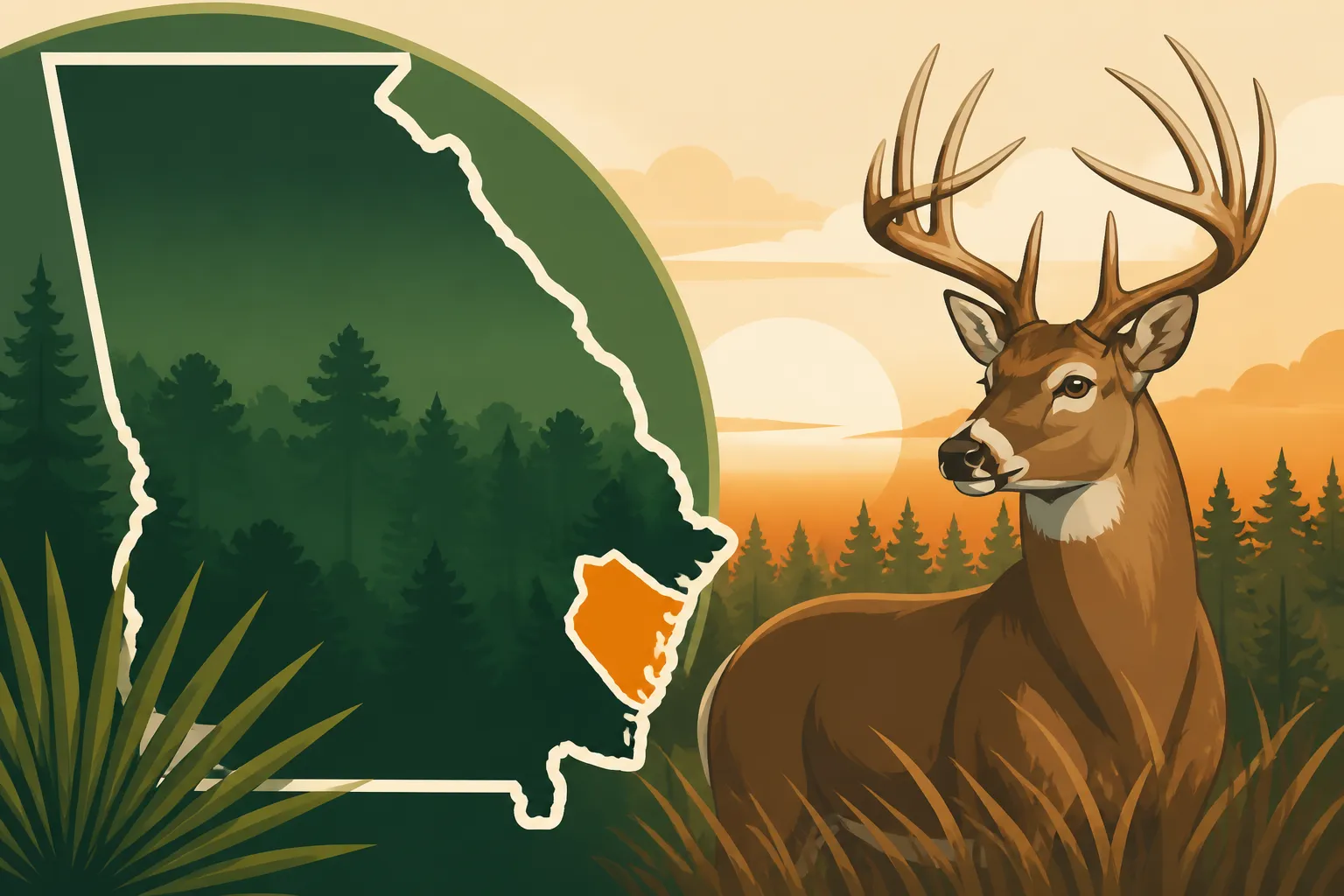
Hunting for deer on public land in Georgia can feel like trying to find a needle in a haystack, especially when you're targeting a specific area and hoping to avoid the heaviest crowds. Long County, nestled in the coastal plain, offers its own unique set of challenges and rewards for the dedicated deer hunter. This guide aims to shed light on what you can expect when pursuing whitetails on public access lands in Long County, helping you plan a more successful and less frustrating hunt.
Understanding Long County's Landscape for Deer Hunting
Long County is a part of Georgia's diverse coastal plain, characterized by its generally flat topography, extensive pine timberlands, and numerous wetland areas. This landscape, while beautiful, presents specific conditions that shape the deer population and influence how you'll need to approach your hunt. It's a different world from the mountainous terrain of North Georgia or the rolling hills of the Piedmont.
Geographic Overview and Habitat Types
The terrain in Long County is largely low-lying, transitioning from vast commercial pine plantations to dense bottomland hardwoods and cypress swamps along its numerous creeks and rivers, most notably the Altamaha River corridor. This mix of habitats creates a mosaic of cover and food sources for deer. The pine plantations, often managed for timber, can offer thick bedding areas in younger stands and more open foraging in mature pines where prescribed burns are utilized. These burns, while beneficial for overall habitat health, also dictate where deer will feed and travel based on recent activity.
Adjacent to these pine lands, you'll find significant tracts of wetland and swamp. These areas, particularly along the Altamaha, are crucial deer habitat, providing refuge from hunting pressure and a rich diversity of natural browse. Deer often move between the drier pine uplands and the wetter bottomlands, depending on water levels, time of year, and acorn production. Understanding these transitions is key to locating deer, as they often use the edges of these distinct habitat types as travel corridors. Scouting these edges for tracks, rubs, and scrapes can reveal prime ambush locations, especially during the rut.
General Deer Population and Behavior
The deer population in Long County, like much of the Georgia coastal plain, tends to be robust, though antler quality can vary. Hunters often find a good number of deer, but harvesting older, mature bucks requires patience and a deep understanding of their movements within the specific habitat. These deer are adept at utilizing the dense cover provided by young pines, palmetto thickets, and swamp edges to evade hunters. They often become more nocturnal as hunting pressure increases, particularly after the opening of Georgia Firearms Season Opening Day.
Food sources play a huge role in deer behavior here. During late summer and early fall, deer will heavily browse on natural vegetation and agricultural crops if present. As fall progresses, acorns from oak trees in the bottomlands become a primary attractant. A good acorn crop can scatter deer, making them harder to pattern, while a poor one can concentrate them around alternative food sources like green fields or mast-producing trees. Understanding this yearly cycle and scouting for active feeding areas is paramount. Deer in these areas often move in smaller, tighter patterns than those in more open country, making precise stand placement critical.
Key Public Hunting Areas in Long County
While Long County itself might not boast vast national forests, it benefits greatly from its proximity to significant public hunting opportunities, particularly those associated with major river systems. Accessing these lands often means navigating specific regulations and understanding their unique characteristics.
State Wildlife Management Areas (WMAs)
The most prominent public hunting opportunities near Long County are often found within Georgia's Wildlife Management Areas (WMAs). While specific WMAs might shift their boundaries or management focuses, areas like the Altamaha River Wildlife Management Area are critical for public access in this region. These WMAs are managed by the Georgia Department of Natural Resources (DNR) to provide public hunting and recreation. They often feature a mix of habitats similar to those found throughout Long County, including bottomland hardwoods, cypress-tupelo swamps, and pine uplands.
Hunting on WMAs requires careful attention to specific rules and often entails an additional WMA stamp on your hunting license. These areas can see significant pressure, especially on opening weekends. However, if you're willing to venture deeper off the beaten path, away from easy road access, you can often find unpressured pockets. Look for subtle terrain features, small creek drainages, or islands of high ground within swamps that might serve as deer refuges. Checking the Georgia Outdoors app or the DNR's website for maps and regulations specific to the WMA you plan to hunt is always the first step.
Other Public Access Opportunities
Beyond traditional WMAs, Georgia also maintains some Voluntary Public Access (VPA) lands. These are private lands that landowners open to public hunting through agreements with the state, often for specific seasons or game types. While VPA properties can sometimes be found in or around Long County, they tend to be smaller, more scattered, and their availability can change from year to year. It's essential to check the DNR's VPA program details annually to see if any parcels are available in your target area.
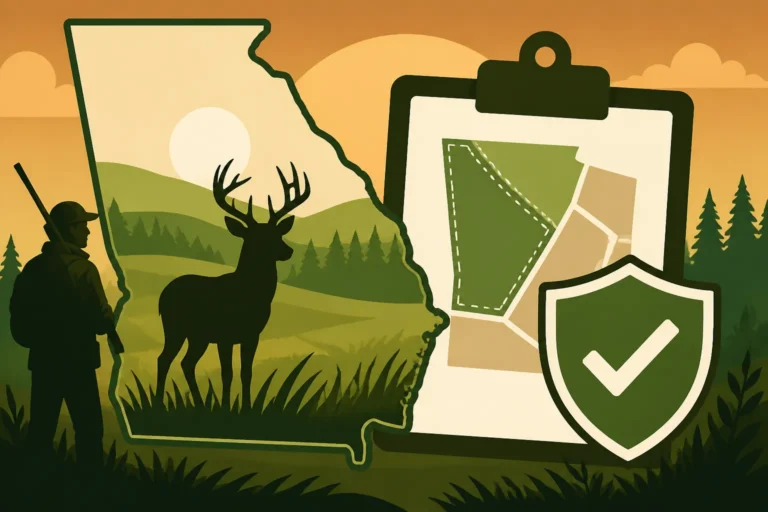
Additionally, some utility easements or timber company lands might offer limited public access, though this is less common for general deer hunting and often comes with very strict guidelines. Always confirm access rules for any land you intend to hunt that isn't explicitly designated as a WMA or National Forest. Trespassing laws in Georgia are clear, and ignorance is rarely an excuse. Utilizing mapping tools like onX Hunt can be incredibly helpful for identifying property lines and verifying land ownership, ensuring you stay on legal hunting ground. Finding Georgia Property Lines is a crucial skill for any public land hunter.
Navigating Regulations and Maximizing Success
Hunting in any new area, especially on public land, means diving into the rulebook. Georgia's hunting regulations are comprehensive, and understanding them is paramount, particularly for a specific county like Long County. Beyond the rules, successful hunting here demands thoughtful strategy tailored to the local environment.
Long County Specific Regulations and Season Dates
Before you ever step foot in the woods, it's vital to familiarize yourself with the current Georgia hunting regulations. These documents detail the specific season dates for different weapon types, bag limits, and any special regulations that might apply to Long County or the WMAs within or near it. For example, the Georgia Deer Season Structure Explained outlines the progression from archery to primitive weapons and then firearms seasons. Long County typically follows the statewide season dates, but WMAs can have their own, often shorter, and sometimes quota-based seasons.
Pay close attention to antler restrictions, if any, and the overall Georgia's Twelve-Deer Bag Limit. Remember that Georgia Archery Season Opening Day often allows you to get into the woods before the heavier pressure of gun season. Always ensure your license and any required permits (like a Big Game license or WMA stamp) are current and properly acquired through the Go Outdoors Georgia platform. A simple check of the DNR website or their mobile app will provide the most up-to-date information for Long County and adjacent public lands.
Essential Scouting and Hunting Strategies for Long County
Scouting is your most powerful tool for success in Long County. Given the dense cover, simply walking aimlessly through the woods is often unproductive. Start your scouting digitally by using satellite imagery from platforms like onX Hunt. Look for subtle changes in elevation, creek drainages, edges where pine plantations meet hardwoods or swamps, and any signs of clear-cuts or recent timber activity. These are often natural funnels or areas of increased browse. Reading Aerial Photos for Piedmont Deer offers valuable insights into this method, which translates well to the coastal plain.
Once you have a few promising spots identified, hit the ground. Focus on finding fresh sign: tracks in soft earth, rubs on saplings, and active scrape lines. During the early season, focus on food sources. As the rut approaches in mid-October, shift your focus to travel corridors and pinch points between bedding and feeding areas. Hunting a Funnel Between Two Swamps can be incredibly effective in this type of terrain. Consider still-hunting or employing ground blinds, especially if you anticipate Hunting Pressure on Georgia Public Land. With the often thick undergrowth, a well-brushed-in ground blind can offer excellent concealment. Pay attention to wind direction and thermals, which, while less dramatic than in the mountains, can still carry your scent directly to deer.
Gear Considerations for Long County Hunts
The unique environment of Long County dictates specific gear choices to ensure comfort, safety, and effectiveness. First and foremost, due to the prevalence of swampy and low-lying areas, good waterproof boots are non-negotiable. Snake Boots for Coastal Plain Walking are highly recommended, not just for snake protection but for navigating wet, uneven terrain. The humid climate, even in early fall, means you'll want Lightweight Layering for Warm-Weather Sits to manage your body temperature. Breathable, moisture-wicking clothing is crucial to stay comfortable throughout the day.
Bug repellent is another absolute must-have, particularly during the archery season and into the early firearms season, as mosquitoes and gnats can be relentless. A reliable GPS unit or a hunting app like onX Hunt or GoHunt on your phone is vital for navigation, especially when venturing deep into trackless swamps or dense pine thickets. These tools can help you mark stand locations, track your movement, and most importantly, identify property boundaries to prevent accidental trespassing. Lastly, consider scent control seriously. The thick vegetation often means deer are closer than you think, and minimizing your human odor can make all the difference.
Comparative Overview of Public Land Hunting in Coastal Georgia
To give you a clearer picture of what Long County and its surrounding coastal plain WMAs offer, here's a brief comparison of what you might encounter in different public land types in this region.
| Feature | Long County/Coastal Plain WMAs | National Forest (e.g., Oconee/Chattahoochee) | Piedmont WMAs (e.g., Cedar Creek) |
|---|---|---|---|
| Terrain | Predominantly flat, low-lying, extensive swamps, pine plantations, bottomland hardwoods. | Rolling to mountainous, steep ridges, dense hardwoods, mixed pine. | Rolling hills, mixed pine-hardwood forests, agricultural interfaces. |
| Deer Density | Generally good to high, but deer can be scattered by widespread food sources or concentrated in pockets. | Moderate to good, often spread out over larger tracts, requiring more extensive scouting. | Good, often concentrated near field edges or creek bottoms. |
| Hunting Pressure | Can be high near access points; lower in deep swamps or thick pine regeneration. | Moderate, but can be high in easily accessible areas; generally lower off main roads. | High, especially during firearms season; finding secluded spots requires effort. |
| Primary Food Sources | Acorns (oaks, water oaks), natural browse, agricultural fields (corn, peanuts). | Acorns (white oak, red oak), mountain laurel, natural browse, limited persimmons. | Acorns, natural browse, planted food plots (on some WMAs), agricultural crops. |
| Key Challenges | Humidity, insects, thick cover, navigating wet terrain, deer patterning in dense areas. | Steep climbs, dense timber, long hauls, unpredictable thermals, deer movement along ridge lines. | Crowds, smaller public tracts, deer adapting to human presence, understanding property lines. |
| Best Strategy | Still-hunting, ground blinds, hunting edges, focusing on water sources and thick cover. | Stand hunting ridge-top saddles, creek bottoms, long-range glassing (where applicable). | Treestands on field edges, creek funnels, understanding deer drives, early/late season sits. |
This table highlights that while all public land in Georgia has its nuances, hunting in Long County and the surrounding coastal plain demands specific strategies and gear focused on navigating dense, often wet, and typically flat terrain.
Remember, successful hunting isn't just about bagging a deer; it's about the experience, the knowledge gained, and the respect for the land and its wildlife. Take the time to understand Long County, and it will reward you with memorable hunts.
Disclaimer
This article is for general informational purposes only and does not constitute professional advice. Laws, prices and regulations vary by location and change over time. Consult a qualified professional for guidance on your specific situation.