Crawford County Ocmulgee Access
Finding accessible hunting land in Georgia can feel like an impossible puzzle, especially when you're dreaming of those prime river bottom spots away from the crowds. Many hunters struggle to pinpoint exactly where public access exists along major waterways like the Ocmulgee River without trespassing or confusion. This guide will walk you through understanding, locating, and successfully hunting the public access areas along the Ocmulgee River in Crawford County, giving you the confidence to explore these promising, yet often challenging, locales.
Understanding Public Access Along the Ocmulgee River in Crawford County
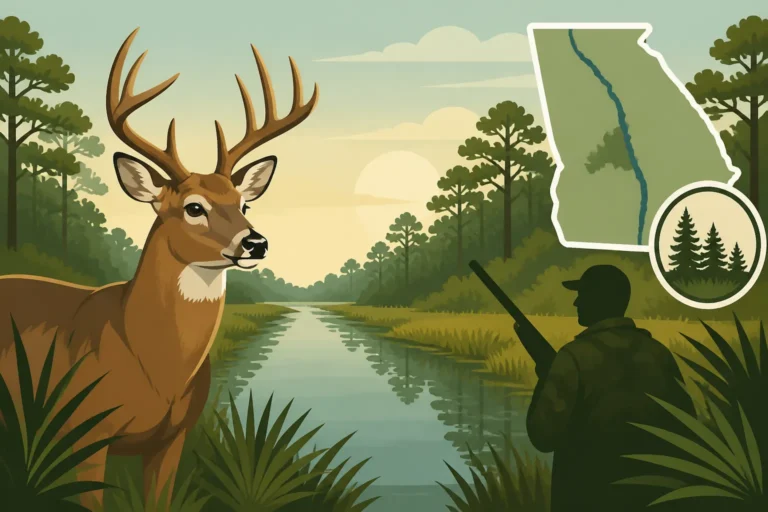
The Ocmulgee River, winding its way through the heart of Georgia, offers some incredible, albeit sometimes tough, hunting opportunities. For many, the idea of hunting a vast river bottom conjures images of untouched wilderness and mature animals. In Crawford County, this dream holds true, but it requires a solid understanding of how public access is structured along such a significant natural corridor. It's not always a clearly marked WMA; often, it's a patchwork that requires careful navigation.
The Draw of River Bottom Hunting
There's a special allure to hunting river bottoms. These riparian zones are ecological powerhouses, funneling wildlife movement and providing diverse habitat that's often richer than surrounding uplands. Deer, in particular, are drawn to the consistent water sources, the thick cover for bedding and security, and the variety of food sources – from mast crops like acorns to tender browse and agricultural edges. It's a natural highway for them, and knowing how to interpret this movement can be incredibly rewarding. The dense canopy often provides cooler temperatures, a welcome relief during Georgia's warmer early seasons, which can concentrate deer activity during daylight hours.
However, this rich environment also presents its own set of frustrations. The terrain can be incredibly challenging: think knee-deep mud, tangled briars, fallen timber, and often, water levels that fluctuate dramatically with rainfall. Getting to and from your stand can be a grueling trek, and dragging a deer out of such a landscape is a Herculean task. But for those willing to embrace the challenge, the rewards – often in the form of less pressured animals and truly wild experiences – are well worth the effort.
Navigating the Ocmulgee Corridor for Public Land
Public land along the Ocmulgee River in Crawford County isn't always contiguous. Instead, it often exists as scattered parcels managed by various state or federal agencies, or sometimes as narrow strips of public easement right along the riverbanks. This can make scouting and pre-hunt planning crucial, as you might find a great spot only to realize it's a small island of public ground surrounded by private property. It's not like walking onto a sprawling Wildlife Management Area where every boundary is clearly marked. You have to be diligent and informed.
This is where modern mapping tools become your best friend. Services like onX Hunt or GoHunt are absolutely invaluable for identifying these scattered tracts. They allow you to overlay property lines on satellite imagery, showing you exactly where public land begins and ends, even down to the narrowest sliver. Without such a tool, you're essentially walking blind, risking accidental trespass, which is something no responsible hunter wants to do. These digital maps also help you identify potential access points, whether it's a forgotten logging road or a discreet boat ramp. This kind of careful planning can transform a confusing landscape into a huntable one.
Key Access Points and Considerations for Hunters
Once you understand the fragmented nature of public access along the Ocmulgee in Crawford County, the next step is identifying practical ways to get into these areas. River access often dictates where you can hunt and what kind of setup you'll need. It's rarely as simple as pulling off a paved road and walking into the woods. You might need to consider a boat, or at least be prepared for a significant hike.
Common Entry Points and Parking Challenges
For river bottom hunting, your main entry points are typically going to be boat ramps, bridge crossings, or small, often unmarked, pull-offs along less-traveled roads. Public boat ramps provide direct access to the river itself, allowing you to boat to otherwise inaccessible stretches of public land. This can be a game-changer, opening up vast areas that see little foot traffic. However, boat ramps can also be busy, especially during peak seasons, and security for your vehicle and trailer can be a concern.
Bridge crossings often have small areas nearby where you can park, but these are usually limited and can fill up quickly. Always be mindful of "No Parking" signs or areas that might block private driveways or farm access. Sometimes, you'll find a small, gravel pull-off along a county road that borders a public tract. These spots require extra vigilance to ensure you're not on private property. Regardless of the entry point, assume that parking is at a premium and plan to arrive early, especially on opening day or during peak rut activity. Always lock your vehicle and try to park in visible, well-trafficked areas if possible to deter theft.
Seasonal Hunting Strategies in the River Bottom
The Ocmulgee River bottom is a dynamic environment, constantly changing with the seasons and water levels. Your hunting strategy needs to adapt accordingly. During early archery season, when temperatures are still high, deer will often stick close to water sources, and the dense canopy provides shade. Focus on trails leading to the river or smaller sloughs, and look for rubs and scrapes appearing as the pre-rut kicks in. As the rut approaches, these river corridors can act as major travel routes, funnels where bucks are constantly searching for does. Hunting the Rut in Mid-October is a great time to be in these travel corridors.
Once firearms season opens, and especially as temperatures drop in late season, food sources become paramount. If acorns are plentiful, deer will be in the hardwoods. If not, they might shift to areas with remaining browse or even agricultural fields adjacent to the river bottom. Higher water levels can push deer to the slightly elevated areas within the flood plain, concentrating them in "islands" of dry ground. Conversely, low water levels open up new access points and expose fresh feeding areas along the riverbanks. Understanding these shifts is key to consistent success. For a deeper dive into hunting these specific conditions, check out Hunting Georgia Swamp and River Bottom Deer.
What to Expect When Hunting Ocmulgee River Access
Hunting along the Ocmulgee in Crawford County is not for the faint of heart, but it offers a genuinely wild Georgia experience. It demands physical stamina, mental toughness, and a good dose of preparation. However, for those who embrace the challenges, the potential rewards are significant, including encounters with mature game that has seen less human pressure.
Wildlife Potential and Target Species
While the primary target for many hunters will undoubtedly be white-tailed deer, the Ocmulgee river bottom is a biodiverse habitat supporting a variety of game species. Feral hogs are prolific in these areas, attracted by the abundant food sources and dense cover. They can be found rooting along creek banks, wallowing in mud, and often travel in large sounders. Hunting hogs provides an additional opportunity, often year-round, and can be a great way to put some meat in the freezer while helping local farmers. Learn more about managing these animals in Feral Hog Hunting Year-Round in Georgia.
Beyond deer and hogs, the bottomlands are teeming with small game. Squirrels are incredibly abundant, especially in the mature hardwoods along the river. Bushy-tails provide excellent table fare and offer a fun, active hunt, particularly during the late season. Squirrel Hunting Georgia Bottomland Hardwoods can be a fantastic way to enjoy a day afield. Turkeys also use these river corridors, especially for roosting and traveling between feeding areas. While turkey hunting can be challenging in such dense cover, a well-placed setup can yield exciting results. The sheer amount of wildlife sign you'll encounter—tracks, rubs, scat—is a testament to the productivity of these river ecosystems.
Challenges and Rewards of River Bottom Hunting
Let's be realistic: river bottom hunting is tough. The cover is often incredibly thick, making visibility limited and shots challenging. You'll contend with an endless supply of briars, vines, and fallen trees, making every step a deliberate effort. Insects, particularly mosquitoes and ticks, are a constant nuisance, especially during the warmer months. Being prepared with good bug repellent that holds up in a tree stand is essential. Snake boots for Georgia swamp ground are not just a recommendation; they're a necessity, especially when navigating dense vegetation and potential water crossings. The physical demands of hiking, potentially dragging gear, and then, hopefully, dragging a deer out of this environment, are significant. For advice on one of the toughest parts of the hunt, consider Dragging a Deer Out of a Swamp.
However, the rewards often outweigh these challenges. River bottoms often act as natural sanctuaries, drawing mature animals seeking refuge from hunting pressure in more accessible areas. Because the hunting is so demanding, these areas tend to see fewer hunters, meaning you're more likely to have a truly solitary experience. The sense of accomplishment that comes from successfully navigating and harvesting an animal from such a wild place is incredibly satisfying. It’s an authentic Georgia hunting experience, one that pushes your skills and deepens your appreciation for the outdoors.
Tools and Resources for Planning Your Hunt
Hunting effectively, especially on fragmented public lands like those along the Ocmulgee, requires meticulous planning and the right tools. Gone are the days of relying solely on paper maps; modern technology offers incredible advantages. Combining digital resources with local knowledge will significantly increase your odds of a successful and safe hunt.
Utilizing Digital Mapping for Land Identification
I cannot stress this enough: a reliable digital mapping app is an absolute game-changer for hunting public access along the Ocmulgee. Services like onX Hunt or GoHunt provide incredibly detailed property line overlays that highlight public versus private land. This isn't just about avoiding trespassing; it's about confidently identifying huntable ground that you might otherwise overlook. These apps typically feature aerial imagery, topographic maps, and satellite views, allowing you to scout from your couch. You can mark potential stand locations, map out travel routes, identify pinch points, and even check wind and thermals for your chosen spot.
Imagine being able to see a narrow strip of public land snaking along a private farm field – a perfect funnel for deer moving between bedding and feeding areas. Without these apps, you might never know it exists. They also allow you to download maps for offline use, which is critical in areas where cell service might be spotty or non-existent, a common occurrence in remote river bottoms. Before you even step foot in the woods, spend time exploring the area virtually, identifying access points, and noting any areas of thick cover or natural funnels that could hold deer. This initial Reading Aerial Photos for Piedmont Deer reconnaissance is foundational to a productive hunt.
Local Regulations and Reporting
Beyond knowing where you can legally hunt, it's crucial to understand the specific regulations that apply to these areas. While statewide regulations like Georgia Public Land Hunting Hours are universal, there might be specific rules for certain types of public access. Always check the Georgia Department of Natural Resources (DNR) website for any specific rules pertaining to the particular parcel you plan to hunt. This includes rules on allowed weapons, dates, and bag limits.
Furthermore, proper harvest reporting is not just a good practice; it's a legal requirement in Georgia. Once you've successfully harvested an animal, you need to report it through the Georgia Game Check system. This process is usually quick and can be done online or via phone. For all the details on this, make sure to read up on Georgia Deer Harvest Reporting Rules. Staying informed and compliant with all regulations ensures you're hunting ethically and legally, contributing to sound wildlife management, and setting a good example for other hunters.
| Feature | Pros of Ocmulgee River Bottom Hunting | Cons of Ocmulgee River Bottom Hunting |
|---|---|---|
| Deer Population | Holds mature deer seeking refuge; natural travel corridors. | Can be lower density than managed areas; scattered pockets. |
| Hunting Pressure | Generally lower due to challenging access and terrain. | Some accessible spots might still see crowds, especially on openers. |
| Habitat Variety | Diverse food sources, thick bedding cover, water access. | Extremely dense vegetation, limiting visibility and movement. |
| Access | Boat access opens vast, remote stretches. | Limited road access; parking can be challenging; risk of trespassing. |
| Terrain | Unique, wild experience; dynamic landscape. | Mud, water, briars, fallen timber; physically demanding. |
| Wildlife Diversity | Good for deer, hogs, small game, and even some turkeys. | Bugs (mosquitoes, ticks) are abundant; snakes are common. |
| Scouting | Digital maps make identifying hidden public parcels possible. | Ground scouting is very difficult and time-consuming due to cover. |
| Recovery | Less competition for deer. | Tracking a Deer Through Georgia Pine Straw or water can be very tough. |
Hunting the Ocmulgee River access in Crawford County presents a unique opportunity for those seeking a true wilderness experience in Georgia. It's not a casual hunt; it requires planning, preparation, and a willingness to embrace challenging conditions. But for those who put in the effort, these river bottoms can deliver some of the most memorable and rewarding hunting adventures the state has to offer. Just remember to use your tools wisely, respect the land, and always prioritize safety.
Disclaimer
This article is for general informational purposes only and does not constitute professional advice. Laws, prices and regulations vary by location and change over time. Consult a qualified professional for guidance on your specific situation.