Glynn County Barrier Island Access
For many Georgia hunters, the pursuit of game often takes them to familiar pine plantations, hardwood bottoms, or agricultural fields. But for those with a spirit of adventure and a willingness to embrace a truly unique environment, the barrier islands of Glynn County offer an unparalleled hunting experience. This guide will delve deep into what it takes to access and successfully hunt these distinctive coastal landscapes, from understanding their ecological nuances to navigating complex regulations and preparing with specialized gear.
Understanding Glynn County's Barrier Islands for Hunting
The barrier islands off Georgia’s coast, particularly those in Glynn County, represent a vastly different hunting landscape than what most inland hunters are accustomed to. It's a world where salt marsh meets maritime forest, and tides dictate much more than just a boat launch. Approaching these areas requires a fundamental shift in mindset and strategy.
The Unique Coastal Landscape
Imagine a landscape shaped by the ocean's rhythm: vast expanses of salt marsh that flood and recede with the tides, giving way to ancient maritime forests of live oak, sabal palm, and red cedar. Dunes rise from the sandy beaches, forming natural barriers against the sea. This unique blend of ecosystems creates a mosaic of habitats, each supporting different wildlife. Deer here are often smaller-bodied than their inland counterparts, an adaptation to the generally less fertile soil and more specialized diet, but they are incredibly tough and elusive. The dense undergrowth of saw palmetto, yaupon holly, and thorny greenbrier can make walking a challenge, creating a maze-like environment where visibility is often limited. This means slower, more deliberate hunting, often relying on still-hunting or carefully planned drives through thick cover. You're not just contending with deer; you're contending with a dynamic, often unforgiving environment.
The constant influence of saltwater is also a game-changer. Freshwater sources might be limited, affecting where animals congregate, especially during dry spells. You'll find deer trails weaving through marsh edges, across sandy hummocks, and into the maritime forest. Understanding these micro-habitats and how they connect to the larger tidal system is crucial. The sounds of the ocean, the cries of seabirds, and the rustling of palmetto fronds replace the familiar sounds of an inland forest. It's a sensory experience that is both demanding and incredibly rewarding, offering a profound connection to a truly wild part of Georgia.
Challenges and Rewards of Island Hunting
Island hunting is not for the faint of heart, but the rewards can be immense. The challenges are numerous: tides can strand you or flood your gear, the dense vegetation can be impenetrable, and the heat and humidity, especially during early seasons, are relentless. And then there are the bugs – mosquitoes, no-see-ums, and biting flies can be a truly overwhelming deterrent if you're not prepared. Access is often difficult, requiring boat navigation through intricate marsh channels, and once ashore, movement is typically slow and arduous. Recovery of game can be a monumental task, often involving dragging through sand, thick brush, and potentially across tidal flats.
However, these very challenges are what make island hunting so special. The solitude is often unmatched; you're unlikely to encounter many other hunters, creating a truly immersive wilderness experience. The deer, while smaller, are notoriously wary and represent a hard-earned trophy. Pursuing a marsh buck or a maritime forest whitetail feels like a true accomplishment. Furthermore, the opportunity to combine a deer hunt with other coastal pursuits, such as Hunting Coastal Georgia Marsh Waterfowl or even fishing, adds another layer to the adventure. It's a chance to see a side of Georgia wildlife that many never experience, fostering a deep appreciation for its diverse ecosystems. For those who relish a physical and mental test, the barrier islands offer a profound sense of satisfaction that extends far beyond the harvest.
Navigating Access and Regulations for Island Hunts
Unlike vast tracts of national forest or easily accessible WMAs, hunting on Georgia's barrier islands is often highly regulated and, for many, quite limited. It's not a place you can just show up with a license and expect to hunt. Planning and diligent research are absolutely critical to avoid legal troubles and ensure a safe and successful trip.
Public vs. Private Land: Know Before You Go
The vast majority of Georgia's barrier islands are privately owned, either by individuals, conservation groups, or state entities that restrict public access. Islands like Sea Island and parts of St. Simons Island are largely private and developed. Other islands, such as Sapelo, Jekyll, and Cumberland, have mixed ownership or are managed by state or federal agencies, sometimes offering very specific, limited hunting opportunities. The crucial first step is to definitively determine land ownership and legal access points. Relying on apps like onX Hunt can be incredibly helpful here, as their detailed mapping layers often show property boundaries and land ownership, allowing you to visually confirm whether you're looking at public or private ground. Without explicit permission or participation in a sanctioned hunt, any attempt to access private land, even if it appears remote, constitutes trespassing, and law enforcement patrols these areas.
Even on state-managed islands or properties, general hunting licenses alone are rarely sufficient. These unique ecosystems often require special permits or are part of highly controlled Coastal Georgia Barrier Island Hunts. For instance, certain islands may have specific management goals that dictate very limited access and harvest quotas to maintain ecological balance. Always assume that if you don't have a clear, documented right to be there, you shouldn't be. This isn't just about legality; it's about respecting the fragile nature of these environments and the management efforts in place to protect them.
Permits, Quota Hunts, and Application Processes
For any legal hunting on Georgia's barrier islands, you will almost certainly be dealing with a managed hunt scenario. These are not open-access areas where you simply buy an over-the-counter license and go. Specific quota hunts, often for deer or feral hogs, are periodically offered through the Georgia Department of Natural Resources (DNR). These hunts are highly coveted and require a separate application process, often with specific deadlines and eligibility criteria. Sapelo Island Managed Hunts are a prime example of such a program, where a limited number of hunters are drawn for a specific period to help manage the deer population. The application process typically involves applying online through the state's licensing portal, and hunters are selected via a lottery system. It's important to keep an eye on the DNR's official announcements for application windows, which can vary from year to year.
Beyond deer, if there are opportunities for species like alligators in nearby coastal areas, you might encounter similar quota systems, as outlined in the Georgia Alligator Quota Hunt Rules. Staying informed about these limited-entry opportunities is key. Hunting platforms like GoHunt sometimes provide alerts or aggregated information about various state quota hunts, which can be a valuable resource for staying on top of application periods and requirements. Don't underestimate the demand for these unique experiences; preference points may even come into play for some programs, making it a long-term commitment for dedicated hunters.
Logistics: Getting to and Around the Islands
The logistical challenges of hunting Georgia's barrier islands cannot be overstated. Unlike driving to a WMA, accessing most of these islands requires a boat. This means having a reliable vessel, the necessary navigational skills for tidal waters, and a keen understanding of local channels, sandbars, and tide charts. Launching points can be limited, and the journey across sounds and through winding marsh creeks can be lengthy and fraught with potential hazards like shallow water or sudden weather changes. Always inform someone of your float plan, including your intended route and return time.
Once you’ve successfully reached an island, getting around on foot is often the primary mode of travel. This is where the dense vegetation truly tests your resolve. Trails may be non-existent or overgrown. Dragging harvested game, especially a deer, through thick palmetto and deep sand can be incredibly exhausting and time-consuming. Some managed hunts on larger islands might allow limited use of ATVs or utility vehicles on designated roads, but this is rare and always specified in the hunt rules. Without such allowances, you'll be relying on your own two feet and potentially specialized gear like deer carts designed for soft sand. Considering the remote nature of many of these islands, having a plan for game recovery, including potentially quartering an animal in the field, is a vital part of your preparation.
Species and Seasons on Glynn County Barrier Islands
While the Georgia barrier islands are teeming with diverse wildlife, hunters are typically drawn to specific game animals adapted to this coastal environment. Understanding these species and the unique challenges of hunting them here is paramount to a successful outing.
Targeting Whitetails on Barrier Islands
The white-tailed deer inhabiting Georgia's barrier islands are a fascinating study in adaptation. They tend to be smaller in body size compared to their mainland cousins, a result of adapting to a diet that often consists of salt-tolerant vegetation and less nutrient-rich forage. Don't let their size fool you, however; these deer are incredibly tough, wary, and accustomed to navigating dense, often thorny, cover. Their color can sometimes appear a bit darker, blending with the shadows of the maritime forest. Hunting them is less about long-range shots across open fields and more about close-quarters encounters within thick brush. Deer trails often weave through the saw palmetto, along marsh edges, and around the hammocks, creating natural funnels.
The hunting seasons for deer on these islands will almost always align with statewide regulations, but specific hunt dates will be dictated by the managed hunt schedule. For instance, a special permit hunt on an island might occur during the regular Georgia Archery Season Dates or Georgia Statewide Firearms Season Dates, but only on the specific days allotted to that hunt. These island deer often utilize tidal changes, moving to higher ground during high tides and venturing into marsh edges during low tides to browse on various marsh plants. Therefore, successful hunters must be acutely aware of tide tables and how they influence deer movement. Patience, stealth, and an intimate understanding of the unique island terrain are far more valuable than sheer firepower when pursuing these resilient coastal whitetails.
Other Coastal Game Opportunities
While deer are often the primary draw, the barrier islands and surrounding Glynn County coast offer a variety of other hunting opportunities, depending on the specific island and regulations. Feral hogs are present on some islands and can be hunted year-round without specific season restrictions, though access and method of take would still be governed by the managing agency. These hogs often thrive in the dense cover, rooting through the maritime forest and saltmarsh edges. Feral Hog Hunting Year-Round in Georgia can provide additional protein and an exciting, if challenging, hunt alongside a deer pursuit.
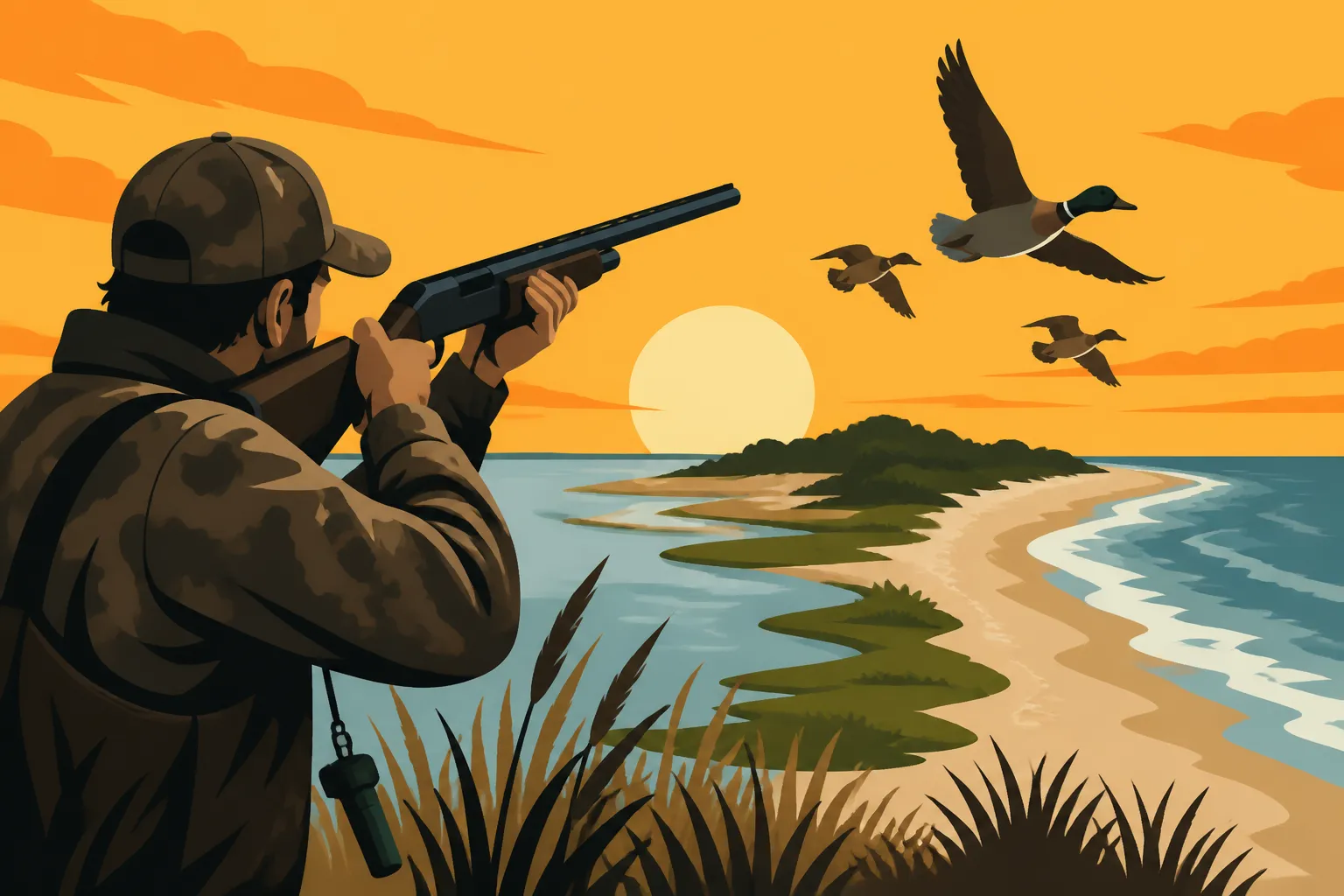
Waterfowl hunting is another significant draw, particularly in the extensive salt marshes and tidal creeks surrounding the islands. Species like mottled ducks, teal, and various sea ducks can be found, especially during migration periods. Hunters looking for Georgia Waterfowl Hunting on Coast and Swamp will find ample opportunity, often requiring specialized gear and knowledge of tide patterns. Hunting Coastal Georgia Marsh Waterfowl is a distinct discipline, often involving layout blinds, marsh boats, and careful scouting of flight paths over the vast open water and spartina grass. Other opportunities may exist for small game like squirrels in the maritime forests or various furbearers, though these are typically less sought after given the access challenges. Always check the specific regulations for the island or area you plan to hunt, as rules can vary widely even between adjacent pieces of land.
Essential Gear and Preparation for Coastal Hunting
A successful and safe hunt on Glynn County’s barrier islands hinges on thorough preparation and the right gear. The coastal environment presents unique challenges that demand specific equipment choices and a proactive approach to safety.
Boat and Water Safety Considerations
Given that boat access is almost universally required for island hunting, water safety is paramount. Your vessel must be seaworthy and properly equipped. Essential items include approved life vests for every occupant, a reliable GPS and chart plotter (even if you think you know the area well), a marine radio or satellite phone, emergency flares, an anchor with sufficient line, and a spare propeller. Even if the forecast looks clear, coastal weather can change rapidly, turning a calm sound into a choppy, dangerous expanse in minutes. Always check marine forecasts before departing and be prepared to alter your plans if conditions deteriorate. Understanding the tides is not just for deer movement; it's critical for safe navigation. Running aground on an outgoing tide can leave you stranded for hours, or even overnight, and can damage your boat. Carrying extra fuel and a well-maintained engine are non-negotiable.
Beyond the boat itself, having basic survival gear is wise. A ditch bag with essential items like water, first-aid, a whistle, a signaling mirror, and a waterproof flashlight can be a lifesaver if you end up in the water or stranded ashore. Remember that navigating tidal creeks and open water in the dark, especially after a successful hunt, adds another layer of complexity. Bright headlamps and stern lights are vital. Furthermore, if you plan to wade or enter the water at any point, consider the presence of marine life, including stingrays and, in certain areas, alligators. Always shuffle your feet when wading to avoid stingrays, and remain vigilant for alligators, particularly in brackish or freshwater-influenced areas.
Specialized Clothing and Bug Protection
The climate on Georgia's coast, especially during the early hunting seasons, is characterized by heat, humidity, and an abundance of biting insects. Your clothing choices can make or break your comfort and ability to hunt effectively. Lightweight, breathable, and quick-drying fabrics are crucial. Layers are still important, even in warm weather, as mornings can be cool before the sun rises. Warm-Weather Clothing for Georgia Hunters will emphasize moisture-wicking materials that prevent chafing and allow your skin to breathe. Camouflage patterns that blend with coastal vegetation, which can be a mix of greens, browns, and grays, are also beneficial.
However, the single most critical piece of "clothing" might be your bug protection. Mosquitoes, gnats (no-see-ums), and deer flies are notorious on the Georgia coast. A good quality head net is often a must, especially during still-hunting or sitting. Permethrin-treated clothing is highly effective at repelling and killing insects on contact, and a strong personal repellent containing DEET or picaridin applied to exposed skin is essential. Don't underestimate the psychological impact of being constantly harassed by bugs; it can quickly ruin a hunt. Consider a Thermacell unit as an additional layer of defense. Furthermore, given the prevalence of snakes in coastal environments, particularly venomous species like cottonmouths and rattlesnakes, sturdy Snake Boots for Coastal Plain Walking are highly recommended. These provide crucial protection against bites as you navigate dense undergrowth and marsh edges.
Navigation and Communication in Remote Areas
Many of Georgia's barrier islands offer incredibly remote hunting experiences, which means reliable navigation and communication tools are not just convenient, but essential for safety. Cell phone service can be spotty to non-existent on large portions of these islands and out in the marsh. A dedicated GPS unit or a robust smartphone app like onX Hunt, downloaded with offline maps, is indispensable. These tools not only help you navigate to your hunting area and back to your boat but also track your movement, mark points of interest (like deer sign or your stand location), and provide crucial property line information if you're hunting near a boundary. Always carry a physical map and compass as a backup, and know how to use them, especially if your electronics fail due to water or battery depletion.
For communication, beyond a marine radio, consider a satellite messenger or personal locator beacon (PLB). Devices from brands like Garmin inReach or Zoleo allow you to send and receive text messages even without cell service and, crucially, activate an SOS signal to alert rescue services in an emergency. Scouting With the Georgia Outdoors App can also provide valuable information about WMA boundaries or specific hunt areas. Always make sure someone not on the hunt knows your exact plans, including where you are going, your expected return time, and who to contact if you don't check in. A simple check-in system can be the difference between a minor inconvenience and a serious SAR operation. Hunting these islands offers unparalleled wildness, but that also comes with a heightened responsibility for self-sufficiency and safety.
| Feature / Consideration | Inland Hunting (General) | Glynn County Barrier Island Hunting |
|---|---|---|
| Primary Access | Vehicle (truck, ATV) | Boat, often through tidal creeks |
| Terrain | Hills, forests, fields | Salt marsh, maritime forest, dunes, sand |
| Vegetation Density | Variable, often manageable | Extremely dense (palmetto, greenbrier) |
| Key Environmental Factor | Weather, seasonal food | Tides, weather, salinity, dense cover |
| Typical Deer Size | Standard Georgia whitetail | Often smaller-bodied, adapted to coastal diet |
| Bug Pressure | Moderate to high | Extreme (mosquitoes, no-see-ums, deer flies) |
| Navigation Aids | GPS/Phone, maps | GPS/Phone (offline maps crucial), marine charts, compass, satellite communicator |
| Water Safety | Minimal to none | Critical (boat maintenance, life vests, marine radio, tide knowledge) |
| Permits/Access | General license, WMA stamp | Often quota hunts, special permits, explicit permission |
| Game Recovery | Truck, deer cart, drag | Dragging through sand/marsh, quartering, boat recovery |
| Solitude | Variable | High due to access challenges and limited hunts |
Disclaimer
This article is for general informational purposes only and does not constitute professional advice. Laws, prices and regulations vary by location and change over time. Consult a qualified professional for guidance on your specific situation.