Dove Hunting Georgia Opening Weekend
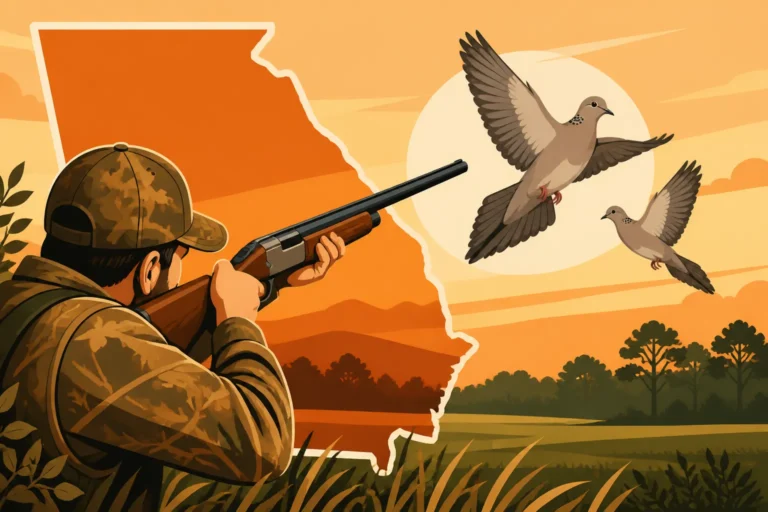
There’s nothing quite like the anticipation that builds as late summer fades into early fall, especially for Georgia hunters. The problem? That opening day rush for dove season can be chaotic, leading to missed shots, crowded fields, and a whole lot of frustration if you’re not prepared. This guide is going to walk you through everything you need to know to transform that potential chaos into a memorable, successful dove hunt right from the moment the season opens, ensuring you’re set up for success from scouting to the final bird.
Understanding the Georgia Dove Season Opener
The opening weekend of dove season in Georgia isn't just a date on the calendar; it's a cherished tradition, a social event, and often the unofficial kickoff to the entire hunting season for many of us. But before you grab your shotgun and head to the nearest field, it’s absolutely crucial to understand the rules and patterns that dictate this fast-paced hunt. Ignoring these details can quickly turn a fun outing into a disappointing one, or worse, lead to legal trouble.
Key Dates and Splits
Georgia’s dove season is structured into several "splits" throughout the fall and winter, allowing hunters multiple opportunities to target these migratory birds. However, the first split is undeniably the most popular and often the most productive, thanks to the abundance of local birds and early migrants. Typically, the season kicks off around the first weekend of September, a time when many of us are still sweating in our blinds but eagerly awaiting the cooler weather to come. Knowing the exact date of Georgia dove season opening day is paramount, as fields can get crowded quickly, and showing up even an hour late can mean missing out on prime real estate. The Georgia Department of Natural Resources (DNR) publishes these dates well in advance, usually by late spring, so it’s wise to mark your calendar early.
What many new hunters don't realize is how quickly the dynamics of the season change after that initial burst. The first split, while exciting, is relatively short. After that, there’s usually a break before the second split begins, often in early to mid-October, and then a third, longer split that stretches into December or even January. These later splits can offer fantastic hunting too, especially as more migratory birds push through the state, but the sheer volume of birds and hunters on opening weekend is unparalleled. This means your strategy for the opener might be quite different from how you'd approach Hunting the Second Dove Split in October. Always double-check the current year's dates on the official Georgia DNR website or through apps like GoHunt to ensure you have the most up-to-date information for all the splits.
Bag Limits and Legalities
When those doves are flying thick and fast, it’s easy to get caught up in the excitement and lose track of how many birds you've brought down. However, staying within the legal bag limit is not just good practice; it's a legal requirement. In Georgia, the daily bag limit for mourning doves is generally 15 birds per hunter. This isn't 15 birds per session if you hunt in the morning and then again in the afternoon; it’s 15 total for the entire calendar day. Once you reach that limit, your hunt for the day is over, no matter how many hours of daylight are left or how many more doves you see wheeling overhead. Understanding Georgia Dove Season Bag Limit is foundational to ethical and legal hunting.
Beyond the bag limit, there are other crucial legalities you absolutely must adhere to. Baiting, for instance, is strictly prohibited for migratory birds. This means you cannot hunt doves over any area where grain, salt, or other feed has been placed to attract birds. This isn't just about dumping a pile of corn; even leaving spilled grain from agricultural operations can be considered baiting if it's not part of a normal agricultural practice. Hunters need to be acutely aware of Georgia Dove Field Baiting Rules to avoid serious fines and penalties. Also, remember that you need a valid Georgia hunting license, a Georgia Big Game License (if you're planning on any deer or turkey later, though not required specifically for doves), and a Georgia Migratory Bird Stamp (HIP certification) to hunt doves. For non-residents, a federal duck stamp is also often required if you plan on hunting waterfowl, though not typically for doves alone, it's good to be aware if you also plan on Georgia Waterfowl Hunting on Coast and Swamp. Always make sure all your paperwork is in order before stepping foot in the field.
Migratory Patterns and Local Populations
Doves are migratory birds, and their movements play a huge role in the success of your opening weekend hunt. While Georgia has a healthy resident population of mourning doves, the massive flights often associated with opening day also include early migrants from further north. These birds are driven by changing weather patterns and the availability of food sources. The first cool fronts of late summer can trigger these movements, pushing large numbers of doves south, directly into our Georgia fields. This is why opening weekend can be so explosive – you're essentially hitting a sweet spot of local birds and newly arrived travelers.
However, these migratory patterns aren't always predictable. A particularly hot and dry summer might mean birds are more scattered, concentrated around reliable water sources. A wet summer, conversely, might mean more widespread food, spreading the doves out. The success of a hunt often hinges on scouting and understanding these local dynamics. Doves are primarily seed-eaters, so fields of sunflowers, millet, corn, or wheat that have been harvested or specifically managed for doves are prime locations. They'll also frequent open ground near water for grit and to drink. By paying attention to weather fronts and previous seasons' successes, you can make an educated guess about where the birds might be concentrated, but nothing beats actual boots-on-the-ground scouting, which we'll dive into next.
Pre-Season Scouting and Field Selection
If you want to have a truly memorable opening weekend dove hunt in Georgia, your success isn't going to be made or broken by your shooting skills alone. It starts long before the season even opens, with meticulous pre-season scouting and smart field selection. Trust me, showing up cold to a field you've never seen, expecting birds to magically appear, is a recipe for frustration. Doves are creatures of habit, and understanding those habits before the hunt is your biggest advantage.
Reading the Landscape for Doves
Doves are pretty specific about where they spend their time. They need food, water, grit, and roosting cover. When you're driving around Georgia in late summer, keep an eye out for these key elements. Think about the "four corners" of a dove's daily life: where they feed, where they water, where they gather grit, and where they loaf or roost. A fantastic dove field will have at least two or three of these elements close by. Ideal feeding areas are harvested grain fields – think sunflowers, corn, millet, wheat, or even sesame. These fields, especially if they've been mowed, disked, or burned to expose the seeds, are magnets. Doves prefer open ground for feeding; they don't like to scratch through thick vegetation.
Beyond the obvious food sources, look for power lines, dead trees, or bare branches at the edges of fields. These are classic loafing and staging areas where doves will perch, digest, and scout for predators before dropping into a field. Water sources like ponds, creeks, or even muddy puddles are crucial, especially in dry weather. They'll also hit areas with exposed dirt or gravel for grit, which aids their digestion. Using mapping apps like GoHunt can give you an excellent aerial view, helping you identify these components even before you step out of your truck. You can spot potential feeding fields, water sources, and power lines, allowing you to narrow down your physical scouting efforts. Remember, a field might look good, but if it lacks nearby water or suitable perching spots, the doves might just fly over it to a more complete habitat.
Identifying Active Fields
Reading the landscape gives you potential spots, but identifying active fields is where the real work comes in. This requires getting out there a week or two before the season opens and observing. Spend time watching fields during the early morning and late afternoon – these are peak feeding and watering times for doves. Look for birds flying in and out, especially if they're committed flights, not just random stragglers. If you see dozens, even hundreds, of doves routinely using a particular field, you've found a winner. It's often helpful to Scouting Georgia Public Land Before Season to see which fields are attracting birds.
Pay close attention to how they're using the field. Are they dropping into a specific corner? Are they flying along a particular tree line? Are they concentrated near a water hole? These observations will be invaluable for planning your setup on opening day. Sometimes, a field that looks phenomenal on a map or even from the road might have very few birds, while a less obvious spot is teeming with them. This is often due to subtle factors like recent farming activity, localized food availability, or pressure from other sources. I've been in fields that were absolutely covered in doves one year and barren the next because the farmer changed his crop rotation. Don't assume last year's hot spot will be this year's, unless you've confirmed it with your own eyes.
Gaining Access to Private Land
Let's be real, some of the very best dove hunting in Georgia happens on private land, especially managed agricultural fields. Public lands certainly offer opportunities, but the sheer volume of hunters can make for a less enjoyable experience. The challenge, of course, is getting permission. This isn't just about showing up the day before opening and knocking on a farmer's door – that's often too late. Relationships are key here. Start early, long before the season. Introduce yourself, explain your intentions, and offer to help with chores if you can. Many landowners appreciate responsible hunters who show respect for their property.
When asking for permission, be clear about your intentions: "I'd love to hunt doves on your harvested sunflower field on opening weekend, if you'd allow it. I'm a safe, responsible hunter, and I'd be happy to share some birds or help with any field work." Be prepared for "no," but don't let it discourage you. Sometimes, farmers might grant permission for later in the season or to hunt pests like Feral Hog Hunting Year-Round in Georgia instead. If you do get permission, treat the land like gold. Pack out all your shells, trash, and any dead birds you don't retrieve. Close gates, avoid driving on wet fields, and thank the landowner profusely. A small gift, like a processed deer shoulder later in the year or a gift card, can go a long way in securing future access. Building these relationships is an investment that pays dividends for years to come.
Decoy Strategies for Pressured Birds
Doves are smart, and by opening weekend, especially in Georgia, they've already been pressured for a while in their migratory journey. Simply sitting in a field and hoping they fly over isn't enough. Decoys are an absolute game-changer, especially for drawing birds into comfortable shooting range. But it's not just about throwing a few plastic birds out; it's about strategic placement and understanding how doves react to what they see.
Motion Decoys vs. Static Spreads
When it comes to dove decoys, you generally have two main categories: static decoys and motion decoys. Static decoys are your traditional plastic birds that clip onto fences, branches, or stakes in the ground. They're inexpensive and essential for creating the illusion of a feeding or resting flock. A good spread of static decoys, even just a dozen, makes your area look inviting and safe to passing doves. They suggest "company" and signal to high-flying birds that there's a reason to drop down.
However, the real magic, especially on opening day when birds might be a little wary, comes from motion decoys. Devices like Mojo dove decoys, with their spinning wings, are incredibly effective. The flash of the rotating wings mimics the look of doves landing or taking off, which is a huge visual draw for birds passing by. It literally screams "come here!" from a distance. The key is to not overdo it. One or two motion decoys, strategically placed, can be far more effective than a dozen if they are placed incorrectly. I've seen days where birds completely ignored static spreads but would commit hard to a single spinning-wing decoy. The movement catches their eye and pulls them in, especially if they are already higher than you would like.
Placement for Flight Paths
Understanding typical dove flight paths is paramount to effective decoy placement. Doves rarely fly straight into a field like ducks to a pond. Instead, they often circle, scout the area, and follow predictable routes along tree lines, power lines, or cuts in fields. Set up your decoys within these established flight paths, or just off them, to draw birds closer. If doves are consistently flying along a specific tree line on the edge of a field, place your motion decoy about 20-30 yards out into the field from that line, facing into the wind. This placement encourages them to divert from their path and commit to your setup.
It's also beneficial to create landing zones within your decoy spread. Doves like to land on open ground, so leave some clear patches in the middle of your static decoys. Place your motion decoy at one end of this open patch, mimicking a bird coming in for a landing. Think about what a dove sees from above: an inviting group of birds on the ground, with a "landing strip" available. If you're Working a Dove Field on Opening Day, observant hunters will notice how the birds approach, allowing them to adjust their decoy placement throughout the day. Don't be afraid to move your setup if the birds aren't responding. Adaptability is key.
Adjusting for Wind and Sun
Wind and sun direction are often overlooked factors that can make or break your decoy spread. Doves, like all birds, prefer to land and take off into the wind. This means you should always position your decoys so they are facing into the prevailing wind. When a dove approaches your spread, it will naturally try to land into the wind, presenting you with a slower, more predictable shot as it cups its wings to descend. If your decoys are facing the wrong way, approaching birds might look unnatural to real birds, or they might try to land from an unexpected direction, making for more challenging shots.
The sun's position is equally important, both for concealment and for how your decoys appear. Try to position yourself with the sun at your back, if possible. This not only keeps the sun out of your eyes, improving your visibility, but it also illuminates your decoys, making them more visible and natural-looking to approaching birds. More importantly, it puts the glare in the doves' eyes, making it harder for them to spot you. There's nothing more frustrating than having doves flare violently because they saw your silhouette against the bright sky. By taking into account wind and sun, you're not just placing decoys; you're creating a realistic, inviting, and advantageous setup that drastically increases your chances of success.
Shotgun and Ammunition Choices
When it comes to dove hunting, your shotgun and the shells you feed it are more than just tools; they're an extension of your skill and precision. The fast, erratic flight of a dove demands a setup that's quick to shoulder, easy to swing, and capable of putting enough pellets on target. Don't just grab any gun and ammo; consider what works best for these agile targets in a typical Georgia field.
Gauge and Choke Selection
For dove hunting, most hunters opt for a 12-gauge or 20-gauge shotgun. The 12-gauge offers a heavier payload and a wider shot pattern, which can be forgiving on those fast-moving birds. It's a popular choice for good reason. However, a 20-gauge is lighter, often easier to swing, and with modern ammunition, still delivers plenty of knockdown power for doves. For younger hunters or those sensitive to recoil, a 20-gauge is an excellent option that still ensures effective ranges. Remember, the goal is to be comfortable and confident with your chosen firearm. A great starting point would be to review general advice on Shotguns for Georgia Quail and Dove, as many of the principles apply directly to doves.
Choke selection is equally critical. Doves are relatively small birds, and you're often shooting them at varying ranges, from close-in flaring birds to longer pass-shots. For opening day, when birds can be plentiful and sometimes closer, a modified choke is often a perfect all-around choice. It provides a good balance between a tight pattern for longer shots and enough spread for closer birds without blowing them to smithereens. Some hunters might start with an improved cylinder for the first few hours when birds are lower and closer, then switch to modified or even full as the birds get wiser and fly higher. Experimenting with different chokes during practice can give you a better feel for what works with your gun and chosen ammunition.
Shot Size and Material
When we're talking about Shot Size for Quail and Dove, the general consensus for doves leans towards smaller shot sizes. Number 7.5 or 8 lead shot is the most common and highly effective choice. These smaller pellets create a dense pattern, increasing the likelihood of hitting a bird that’s zipping by. Doves are fragile creatures; they don't require large, heavy pellets to bring them down, just enough small ones to hit their vitals. Some hunters even swear by #9 shot for very close work or to maximize pellet count, though its effective range diminishes quickly.
However, there's an important consideration: non-toxic shot. While not universally required for dove hunting, many Wildlife Management Areas (WMAs) and certain public lands in Georgia, especially those with waterfowl habitat, do mandate the use of non-toxic shot like steel. Always check the specific regulations for the area you plan to hunt. If you're on private land, lead shot is generally permissible, but it's good practice to be aware of the requirements. If you do use steel shot, you might consider going up one shot size (e.g., #6 steel instead of #7.5 lead) because steel is lighter and retains less energy than lead, requiring a slightly larger pellet to achieve similar downrange performance. Being prepared with the right ammo, whether it's lead or non-toxic, is crucial for a smooth hunt.
Managing Recoil and Follow-Up Shots
Dove hunting often involves shooting a lot of shells in a relatively short amount of time, especially on a hot opener. Managing recoil becomes a real factor, not just for comfort, but for the ability to make quick follow-up shots. A flinching hunter is a less effective hunter. If you're using a 12-gauge, consider using lighter field loads with 1 oz or 1 1/8 oz of shot rather than heavy magnum loads. These lighter loads still have plenty of power for doves but reduce felt recoil significantly. Gas-operated semi-automatic shotguns also help absorb recoil more effectively than pump actions or over/unders, making them a popular choice for high-volume shooting.
The speed of follow-up shots is also critical. Doves rarely fly alone; they often come in pairs or small groups, and a lone bird might be followed by others. Being able to quickly cycle another round and get back on target can mean the difference between one bird and two (or three!). Practice mounting your gun smoothly, swinging through the bird, and cycling the action instinctively. For pump-action users, this means consistent practice. For semi-auto users, it means ensuring your gun is clean and cycling reliably. The goal is to make the entire shooting process flow, minimizing any wasted motion or hesitation that could cost you a bird.
Essential Gear for a Successful Hunt
Beyond your shotgun and ammunition, a successful and comfortable dove hunt on opening weekend in Georgia requires a thoughtful selection of gear. The sun can be intense, the bugs can be relentless, and retrieving birds in thick cover can be a chore. Thinking ahead about these essentials can elevate your hunt from merely tolerable to truly enjoyable.
Blinds and Cover
Doves have excellent eyesight, and they will absolutely flare if they spot you silhouetted against the sky or moving erratically. Therefore, good concealment is non-negotiable. While you might get away with simply sitting against a large tree on a less-pressured hunt, opening weekend usually demands more. Portable dove blinds are a fantastic option. These can range from simple chair blinds with mesh sides to full-panel blinds that provide excellent concealment. They're lightweight, quick to set up, and provide enough broken outline to fool wary birds.
If you don't have a formal blind, utilize natural cover. A thick fencerow, a patch of tall weeds, the edge of a standing cornfield (if legal and safe), or even a large, low-hanging tree can provide adequate concealment. The key is to blend in, break up your outline, and minimize movement. Wear camouflage clothing that matches the late-summer Georgia landscape – browns, tans, and dull greens work well. Remember, doves are looking down; they're scanning the ground. Any unnatural shape or movement will send them packing. Finding a good spot to blend in naturally is a great tactic, similar to Brushing In a Blind on a Field Edge for deer, but scaled down for doves.
Comfort and Hydration
Opening weekend in Georgia is almost always synonymous with heat and humidity. Don't underestimate the physical toll this can take. Dehydration is a serious risk. You absolutely must bring plenty of water – and I mean plenty. A cooler filled with ice water, sports drinks, or even frozen bottles that slowly melt throughout the day are lifesavers. It's not just about thirst; staying hydrated keeps you sharp, focused, and prevents heat-related illness.
Beyond hydration, think about comfort. A good, sturdy dove stool or a comfortable folding chair with a backrest makes a world of difference when you're sitting for hours. You want something that's easy to carry but provides adequate support. Sun protection is also vital. A wide-brimmed hat, sunglasses, and sunscreen are non-negotiable. Consider lightweight, breathable clothing in camo patterns. Many hunters wear specialized performance fabrics designed to wick away sweat, similar to what you'd use for Warm-Weather Clothing for Georgia Hunters. And speaking of warm weather, don't forget the bugs! Mosquitos, gnats, and biting flies can turn a pleasant sit into an unbearable ordeal. A good insect repellent, preferably one with DEET or picaridin, is an absolute must-have for those early season hunts. Think about options like Thermacell units for localized bug protection, especially if you're not moving much. This is very similar to the considerations for Bug Protection for Early Archery Season.
Bird Retrieval Tools
When you've got birds dropping in thick cover, retrieving them quickly and efficiently is crucial. There's nothing worse than losing a downed bird, and it's also a point of hunting ethics to make every effort to recover what you shoot. A good bird dog is, of course, the ultimate retrieval tool. Labs, Chesapeakes, and other retrieving breeds excel at this, making short work of finding birds in tall weeds or thick briars. They also add another layer of enjoyment to the hunt.
If you don't have a dog, a dove stick or a collapsible retrieving pole can be incredibly useful. These are long poles with a hook or clamp on the end, designed to reach birds in inaccessible spots, like dense briar patches or tall grass. They save you from crawling through thorny cover and getting scratched up. A game vest or bird bag with a blood-proof liner is also essential for carrying your birds comfortably and keeping them cool. These vests often have extra pockets for shells, water, and other small gear. Having a cooler with ice in your vehicle, ready to transfer your harvested doves into, is also a smart move, especially on those hot September days, much like keeping your venison cool in Coolers and Game Bags for a Georgia October. A quick cool-down helps preserve the quality of the meat.
Field Etiquette and Safety Considerations
Dove hunting, especially on opening weekend, is often a social affair, with multiple hunters sharing a field. This makes field etiquette and safety paramount. Respect for fellow hunters, landowners, and the game itself isn't just about being polite; it's about ensuring everyone has a safe and enjoyable experience and preserving hunting access for future generations.
Sharing the Field Safely
Crowded fields are almost a given on opening day in Georgia, and this drastically increases the need for heightened safety awareness. The most fundamental rule: always know where other hunters are. Establish clear shooting lanes and zones, especially if you're hunting with a group. Never swing your gun on a low bird in the direction of another hunter or their vehicle. A 45-degree angle of fire away from others is a good general guideline. If you're unsure, don't shoot. It's better to let a bird pass than to risk an accident. This becomes even more critical when you consider the sheer Hunting Pressure on Georgia Public Land on opening day.
Communication is key. If you're hunting with friends, call out birds, direction, and "cover" if you're not shooting. For larger parties or public land situations, wear blaze orange or pink (where legal and appropriate) when walking to and from your shooting spot, though it's typically not required while actively hunting doves. However, some areas may require it, so always check local regulations. The main goal is to prevent any accidental discharge or mistaken identity incidents. Doves fly fast and low, and it's easy to get tunnel vision. Always be aware of your surroundings, beyond just the bird in your sights.
Respecting Landowners and Property
If you're lucky enough to have permission to hunt private land, your behavior directly impacts not only your future access but also the reputation of all hunters. Treat the landowner's property with the utmost respect. This means adhering to any specific rules they set, such as designated parking areas, no-go zones, or limitations on hunting hours. Leave no trace behind. Pick up every single spent shotgun shell, all your trash, and any stray fishing line or detritus. I always bring a small mesh bag specifically for spent hulls.
Respecting fences, gates, and crops is also critical. Always close gates behind you, and never drive or walk through standing crops or areas where machinery might be working. If you retrieve a bird that falls onto an adjacent property, seek permission from that landowner before crossing the boundary. Trespassing, even to retrieve game, can quickly sour relationships and jeopardize access for everyone. Remember, you are a guest, and your actions reflect on the entire hunting community. A positive relationship with a landowner is priceless, often leading to years of prime hunting opportunities.
Hunting with Dogs
Hunting doves with a well-trained dog is one of life's great pleasures. A good retriever not only makes the hunt more efficient by finding downed birds but also reduces game waste and adds an incredible dynamic to the experience. However, bringing a dog to a dove field, especially a crowded one, requires careful consideration. Ensure your dog is well-behaved, obedient, and accustomed to gunshots. An unruly dog can quickly disrupt other hunters, chase off birds, or even pose a safety risk.
Keep your dog leashed or under strict voice command when moving through the field or around other hunters. Only unleash them when you are in your designated hunting spot and ready to retrieve. Be mindful of your dog's safety in the heat; provide plenty of water and a shady spot to rest. Many hunting dogs, particularly those with dark coats, are susceptible to overheating in Georgia's early September sun. Monitor them closely for signs of distress. Always consider the comfort of other hunters; not everyone appreciates a dog running wild through their area. A well-mannered retriever is an asset; a poorly trained one is a liability.
Post-Hunt Care and Regulations
You've had a successful day in the field, the birds are down, and now the hard work of post-hunt care begins. This phase is just as important as the hunt itself, ensuring your harvest is handled ethically, legally, and in a way that maximizes its culinary potential. Cutting corners here can lead to wasted game or, in some cases, legal issues.
Field Dressing and Cooling
Once you've retrieved your doves, the clock starts ticking, especially in warm Georgia weather. Doves are small and will spoil quickly if not handled properly. The best practice is to field dress them as soon as possible. This typically involves breasting out the birds. Many hunters simply remove the breast meat, discarding the rest of the carcass. This is perfectly legal and efficient for doves. To do this, simply make an incision across the bird's chest, right through the skin, then pull the skin and feathers away from the breast bone. You can then pop the breast meat off the bone with your thumbs.
After breasting, get that meat cooled down immediately. A cooler full of ice is your best friend. Place the breasts directly on ice or in Ziploc bags on ice. This rapid cooling inhibits bacterial growth and helps preserve the quality of the meat. Don't just toss them in a warm game bag and leave them in the sun; that's a recipe for disappointment. Prompt cooling ensures your delicious dove will be perfect for the dinner table. This quick action is crucial, much like handling a deer in warm weather, as covered in Field Dressing a Deer in Warm Weather.
Reporting and Legal Requirements
While doves don't require the same detailed harvest reporting as deer or turkey in Georgia, there are still federal regulations you need to be aware of. Every migratory bird hunter in the United States, including dove hunters, must register with the Migratory Bird Harvest Information Program (HIP). This is typically done when you purchase your Georgia Migratory Bird Certification and involves answering a few simple questions about your previous year's migratory bird harvest. This information helps wildlife agencies monitor harvest trends and manage populations.
Beyond HIP, it's critical to ensure you're compliant with basic transportation laws. When transporting doves, federal law requires that one fully feathered wing remain attached to each bird until it reaches your "place of abode or a commercial preservation facility." This allows game wardens to identify the species and count the birds to ensure you're within your bag limit. Once you're home and the birds are processed for storage or cooking, you can remove the wing. Ignorance of this rule is not an excuse, and a violation can result in fines. Always carry proof of your licenses and HIP certification, whether it's a physical copy or stored digitally on your phone via an app like the Georgia Outdoors App or GoHunt.
Cooking Your Harvest
Now for the best part: enjoying the fruits of your labor! Dove breasts are incredibly versatile and delicious, often described as a rich, dark meat, similar to venison or duck. They cook quickly and are fantastic grilled, pan-fried, or wrapped in bacon. One of the simplest and most popular methods is to wrap a dove breast around a sliver of jalapeño (or cream cheese) and then wrap the whole thing in a strip of bacon, securing it with a toothpick. Grill or broil until the bacon is crispy and the dove is cooked to a medium-rare to medium doneness. Overcooking dove breasts will make them tough and dry.
Another favorite is pan-searing them quickly in a hot skillet with a little butter, garlic, and herbs. They're also excellent in stews, chili, or even as part of a wild game pâté. Don't be afraid to experiment! The key is to treat them gently and not subject them to long cooking times. These small, lean morsels are a true delicacy of the early season hunt, and responsibly harvesting and preparing them is the perfect way to honor the game and cap off a successful opening weekend.
Common Challenges and Troubleshooting
Even with the best planning, dove hunting on opening weekend in Georgia can throw some curveballs. From unexpected crowds to birds suddenly disappearing, it's rarely a perfectly smooth operation. Being able to anticipate and adapt to these common challenges is what separates a truly successful hunter from one who goes home frustrated.
Dealing with Crowds
Let's face it: opening weekend means crowds. Whether you're on a public WMA or a popular private field, you're likely to be sharing the space with other hunters. This can be one of the biggest frustrations, impacting bird behavior and safety. The key is patience and respect. If you arrive at your preferred spot and it's already occupied, don't muscle in. Find another location, even if it's not ideal. It's better to hunt safely and ethically in a less-productive spot than to create conflict or, worse, a dangerous situation.
On public land, this often means walking further, finding areas that others overlook, or scouting lesser-known fields. This requires effort, but finding ground that sees fewer hunters is often rewarded with more consistent action. If you're part of a larger group, communicate clearly about spacing and shooting lanes before the hunt even begins. Remember to focus on your own safety and enjoyment, and don't let the actions of a few inconsiderate hunters ruin your day. Sometimes, the best strategy for a crowded field is to adjust your tactics or even consider Pass-Shooting Doves Over a Water Hole away from the main field if birds are consistently flying there to drink.
Adapting to Weather Changes
Georgia weather in early September can be notoriously unpredictable. One day it's scorching hot and humid, the next a surprise cold front rolls through, bringing rain and cooler temperatures. These shifts can drastically affect dove behavior. Hot, dry weather often concentrates birds around water sources and forces them to move more frequently for hydration. Cloudy, overcast days might mean birds fly lower and are less prone to glare, while bright sun might make them fly higher.
Rain can be the biggest game-changer. Doves typically don't fly much in a heavy downpour. If a storm rolls in, it's often best to seek shelter and wait it out. After a rain, however, especially if it breaks a dry spell, doves might be incredibly active, hitting fresh puddles for water and exposed grit. Pay attention to local forecasts, but also be prepared for sudden changes. Have rain gear handy, and understand that some days, the weather just isn't cooperating. Being adaptable means being willing to adjust your location, your timing, or even your hunting methods based on what Mother Nature throws at you.
When Birds Go Quiet
You've had a flurry of action, the barrel's hot, and then suddenly, the field goes quiet. The birds just stop flying. This is a common phenomenon in dove hunting. Several factors can cause this. Intense hunting pressure can quickly make local birds wary, pushing them out of the immediate area. They might move to adjacent fields, to denser roosting cover, or simply stop flying during peak daylight hours. Later in the day, the birds might just be "fed out" and moving to loafing areas before their final evening flight.
When the action slows, it's time to troubleshoot. First, check your decoys. Are they still set up correctly? Has the wind shifted, making your motion decoys less effective or your setup less natural? Next, consider your concealment. Are you making too much movement? Is your silhouette too obvious? If the field remains quiet, it might be time for a strategic move. Consider moving to another part of the field that might be less pressured, or try a different type of setup, such as a Setting Up a Dove Field Before Opening Day on a power line or a water hole if birds are still flying. Sometimes, the best move is to simply take a break, hydrate, and come back for the late afternoon push. Doves have patterns, and often, after a midday lull, they'll become active again in the last hour or two of daylight. Persistence and adaptability are your best friends when the birds go quiet.
Disclaimer
Hunting is an inherently dangerous activity. This guide provides general information and recommendations for dove hunting in Georgia. All hunters are responsible for understanding and adhering to all current Georgia Department of Natural Resources (DNR) regulations, federal laws, and local ordinances. Always prioritize safety, wear appropriate protective gear, and ensure you have valid licenses and permits before heading afield. The author and publisher are not liable for any accidents, injuries, or legal infractions that may occur.