Finding Access Near Savannah
Finding good hunting land near a city like Savannah can feel like trying to find a needle in a marsh hay stack, especially when you're surrounded by urban sprawl, historic plantations, and a landscape that often feels locked up. Many hunters get frustrated, thinking they have to drive for hours to find any decent ground. But don't despair! This guide is all about peeling back the layers of the Coastal Empire to reveal the diverse public and private hunting opportunities that are closer than you think, helping you strategize your next successful outing.
Understanding the Unique Hunting Landscape Around Savannah
Hunting around Savannah isn't like hunting the North Georgia mountains or the vast pine forests of the deep South. It's a world unto itself, defined by its proximity to the coast, its unique ecosystems, and a strong tradition of private land ownership. Understanding these foundational elements is your first step to unlocking success in this region.
Coastal Plain and Marsh Ecosystems
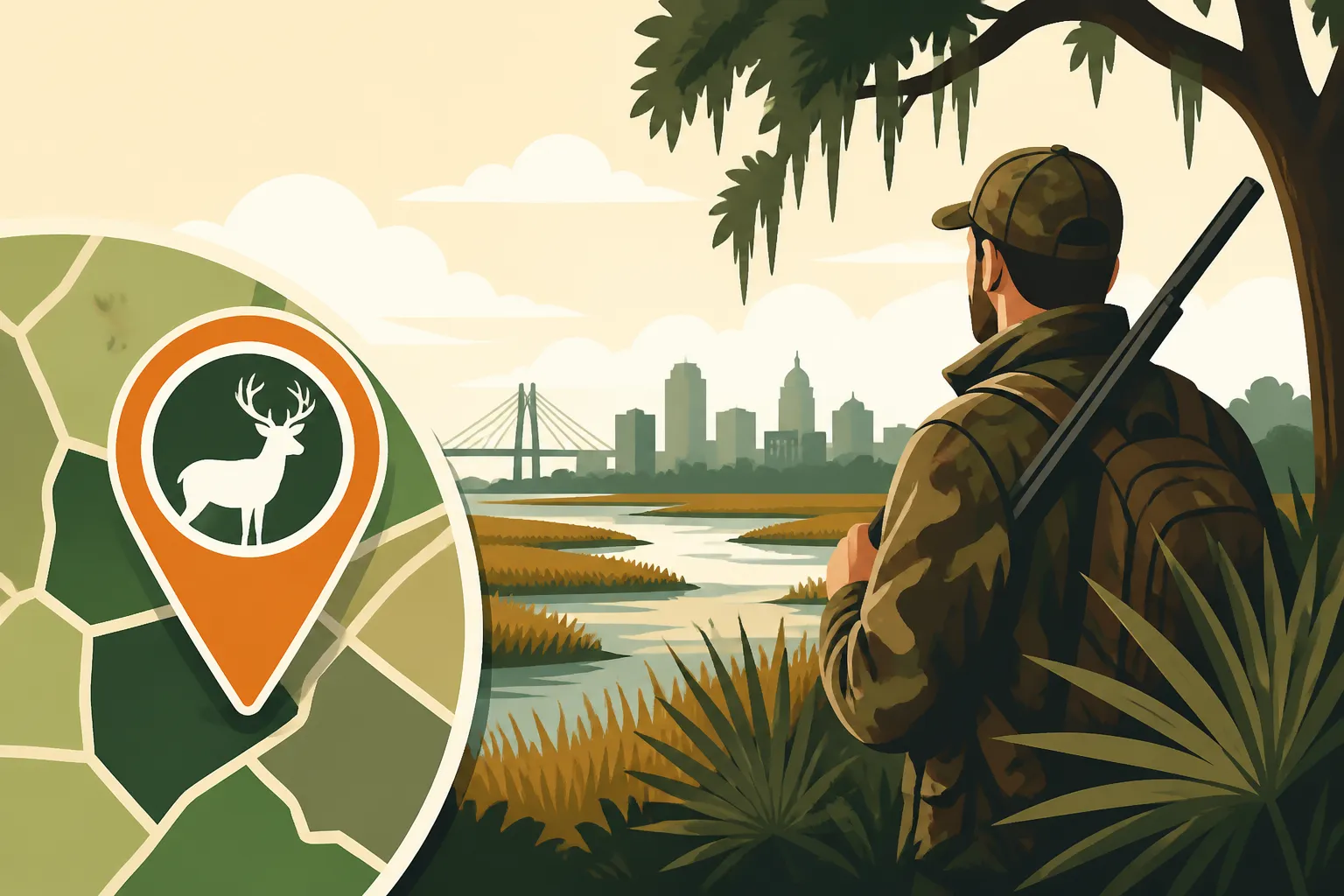
The landscape immediately surrounding Savannah is largely characterized by the Coastal Plain, which quickly transitions into extensive salt marshes and tidal creeks as you get closer to the Atlantic. Inland a bit, you'll find vast tracts of pine flatwoods, often interspersed with bottomland hardwoods along river systems and cypress swamps. This diverse mosaic of habitats supports a variety of game, but it also presents unique challenges for hunters.
For instance, waterfowl hunting in the salt marsh can be incredibly productive, but it requires a keen understanding of tides, boat access, and specialized equipment to navigate the muddy, ever-changing environment. Deer in these areas might be smaller-bodied than their Piedmont cousins, but they can be incredibly wary, using the thick cover of maritime forests and dense palmetto thickets to their advantage. Feral hogs thrive in the swampy bottoms and pine flatwoods, often leaving extensive sign in moist soil. The sheer density of vegetation can make still-hunting or tracking a real workout, and the ever-present humidity means managing your scent and staying comfortable is paramount. It’s a beautiful, wild place, but it demands respect and adaptability from hunters.
The Dominance of Private Land and Its Implications
One of the biggest realities for hunters near Savannah, and much of Georgia's Coastal Plain, is the overwhelming prevalence of private land. Large agricultural operations, timber companies, and historic hunting plantations own vast acreages, often passed down through generations. This can be incredibly frustrating for the average hunter without extensive personal connections or deep pockets for a lease. You might drive past miles of prime-looking habitat, only to see "Posted" signs every hundred yards. This isn't just a perception; it's the reality of land ownership patterns in this region.
This means that simply driving around looking for open land is usually a fruitless endeavor. Instead, hunters need to be strategic. You'll either need to focus on the limited, but often excellent, public land opportunities, or be prepared to put in the legwork to gain access to private ground. This might involve joining a hunting club, leasing land, or, with a bit of old-fashioned charm and persistence, knocking on doors. The good news is that while the land may be private, many landowners are open to responsible hunters, especially when it comes to managing deer populations or controlling destructive feral hogs.
Public Hunting Ground Within Reach of Savannah
While private land dominates the scene, there are fantastic public hunting opportunities available within a reasonable drive of Savannah. These areas often provide diverse hunting experiences, from deer and hog to waterfowl and small game, if you know where to look and how to navigate their specific regulations.
Exploring Nearby Wildlife Management Areas WMAs
Georgia's Wildlife Management Areas (WMAs) are invaluable resources for public land hunters, and several are within a manageable distance from Savannah. These areas are managed by the Georgia Department of Natural Resources (DNR) to provide public access for hunting, fishing, and other outdoor recreation. They offer some of the best opportunities for hunters who don't have private land connections. A good starting point would be looking south or west of Savannah.
One excellent example is the Altamaha River Wildlife Management Area, which is further inland but certainly within a reasonable drive. This WMA offers extensive bottomland hardwood forests, swamps, and pine uplands, providing habitat for deer, turkeys, and especially feral hogs. Hunting here often involves navigating wet conditions, using boats or chest waders to access prime areas. Always remember that WMA regulations can differ from statewide rules, so checking the specific WMA's regulations for season dates, bag limits, and any special restrictions (like mandatory hunter orange or specific weapon types) is absolutely critical before you go. These details are usually available on the Georgia DNR website or the Go Outdoors Georgia app, which are indispensable tools for planning your trip.
National Wildlife Refuges and State Parks
Beyond WMAs, Georgia is home to several National Wildlife Refuges (NWRs) that sometimes offer limited public hunting opportunities. These refuges are primarily managed for wildlife conservation, so hunting programs are carefully structured and often involve quota hunts, requiring an application process. The Savannah National Wildlife Refuge, for example, stretches across both Georgia and South Carolina and can offer waterfowl and deer hunting, but it's vital to check their specific hunting brochures for application deadlines, hunt dates, and special rules. These hunts often involve drawing a limited number of permits, making them highly sought-after experiences.
Similarly, while most Georgia State Parks do not allow hunting, some may host special quota hunts for deer to manage populations. These are typically bow-only or limited firearms hunts and require advance application. The key here is proactive research. Don't assume anything; always check the specific refuge or park's website or contact them directly well in advance of hunting season. These unique opportunities, though often harder to draw, can offer incredible experiences on seldom-pressured game, and you might find yourself hunting a beautiful piece of land with a rich natural history.
Coastal Georgia Barrier Island Hunts
For a truly unique and memorable hunting experience near Savannah, consider the barrier island hunts. These are highly controlled, quota-based opportunities on islands like Sapelo Island and Ossabaw Island, managed by the state for both conservation and limited recreational use. These hunts are primarily for white-tailed deer, and they often involve specific rules regarding transportation, lodging, and harvest methods.
Successfully drawing a tag for Sapelo Island Managed Hunts or Barrier Island Deer Hunts on Ossabaw can be a once-in-a-lifetime opportunity. The islands offer incredibly dense deer populations, and the hunting environment is unlike anything else on the mainland. Expect to encounter deer in maritime forests, palmetto thickets, and open dunes. The logistics can be challenging, often requiring boat transport to the island and adherence to strict schedules, but the reward is a primal hunting experience in a stunning, wild setting. The application process for these hunts is competitive, so pay close attention to the Georgia DNR's quota hunt application window and preference point system if you're serious about trying for one. It's a challenging but deeply rewarding way to connect with the wild coast.
Leveraging Georgia's Voluntary Public Access VPA Program
Beyond the established WMAs and refuges, Georgia has implemented a fantastic program that aims to open up even more private land to public hunters: the Voluntary Public Access (VPA) Program. This initiative can be a game-changer for hunters in areas like Savannah, where private land is dominant, by creating new, often less-pressured opportunities.
What is the VPA Program and How Does It Work?
The Voluntary Public Access (VPA) Program is a state-run initiative that encourages private landowners to open their property for public hunting, fishing, and other outdoor recreation in exchange for financial incentives and habitat management assistance from the Georgia DNR. Essentially, the state leases hunting rights from private landowners, thereby turning private land into temporary public hunting ground. This is a win-win: landowners get compensation and help managing their property, and hunters get more places to pursue game without needing individual permission or costly leases.
The beauty of the VPA program is that it diversifies the types of land available. Instead of only large, managed public tracts, you might find smaller woodlots, agricultural field edges, or creek bottoms that would otherwise be inaccessible. These smaller, often overlooked parcels can sometimes hold surprisingly good numbers of game, especially deer and hogs, precisely because they haven't been heavily pressured. Understanding how the program functions and keeping an eye on new additions is crucial for maximizing your hunting opportunities, particularly in regions with high private land ownership.
Finding and Utilizing VPA Parcels Near Savannah
Finding and successfully hunting VPA parcels near Savannah requires a bit of homework and the right tools. The Georgia DNR website is your primary resource for identifying Finding a Georgia VPA Parcel. They typically provide maps and boundary descriptions for enrolled properties. It’s important to remember that VPA lands are often smaller and more spread out than traditional WMAs, so their locations can be more variable. New properties can be added periodically, so checking the DNR site regularly or subscribing to their updates can give you a jump on new opportunities.
When you do locate a VPA parcel, careful scouting, often done remotely using mapping apps like onX Hunt or GoHunt, becomes even more critical. Look for aerial photos to identify access points, pinch points, funnels, and potential bedding or feeding areas. Because these lands are often smaller, your entry and exit routes will be key to avoiding spooking game. Hunters should always respect the terms of the VPA agreement, which might include specific parking areas, allowed hunting methods, or restrictions on vehicle access. Treating these lands with the utmost respect is vital for the continued success of the program and for maintaining good relationships with the private landowners who make it all possible.
Unlocking Private Land Opportunities
For many hunters, especially those chasing trophy deer or seeking less pressured game, private land remains the holy grail. While more challenging to secure, private land access around Savannah offers incredible potential, often with more flexible rules and better habitat management than public lands.
Navigating Hunting Leases and Clubs
Hunting clubs and leases are a deeply ingrained part of Georgia's hunting culture, particularly in the Coastal Plain. Many of the large timber tracts and agricultural properties surrounding Savannah are leased out to clubs, some of which have been operating for generations. Joining a hunting club can be an excellent way to gain access to quality hunting ground without the massive expense or responsibility of leasing an entire property yourself. Clubs often offer shared amenities, a social aspect, and collective management efforts like food plots and selective harvesting.
To find openings in clubs, networking is key. Talk to other hunters, visit local sporting goods stores, or check online forums and social media groups dedicated to Georgia hunting. Sometimes, landowners or timber companies will advertise leases directly. When considering a club or lease, always ask about the specific rules, fees, lease duration, and what game management practices are in place. Understand the expectations regarding work days, guest policies, and how the lease is maintained. While the cost can be significant, the access to managed land and camaraderie can be invaluable. Don't be afraid to ask around about Joining a Georgia Hunting Club that fits your budget and hunting style.
The Art of Knocking on Doors for Permission
In an age of digital maps and online forums, the old-fashioned art of knocking on doors might seem antiquated, but it remains one of the most effective ways to gain private land access in Georgia. Many smaller landowners, farmers, or timberland owners, especially those not interested in the complexities of a lease, might be open to granting permission to a respectful, responsible hunter. This method takes courage, persistence, and excellent interpersonal skills, but the rewards can be significant, often leading to access on land that sees little to no hunting pressure.
When approaching a landowner, always be polite, dress neatly, and be prepared to introduce yourself and clearly state your intentions. Have a plan: explain what species you're interested in, what times you plan to hunt, and what safety precautions you'll take. Offer to help with chores, control nuisance animals like feral hogs (which can cause significant crop damage in South Georgia), or even share some of your harvest. Building a relationship based on trust and respect is paramount. Remember, a "no" isn't a failure, just an opportunity to move on to the next prospect. Sometimes, that one "yes" can open up an incredible hunting opportunity. This kind of personal connection is often how you go about Asking a Georgia Farmer for Permission.
Tools and Tactics for Savannah Area Hunters
Hunting near Savannah demands a blend of modern tools and adaptable strategies. The environment can be challenging, from navigating thick cover to dealing with the ever-present humidity. Having the right gear and a flexible mindset will greatly increase your chances of success.
Essential Mapping and Scouting Technologies
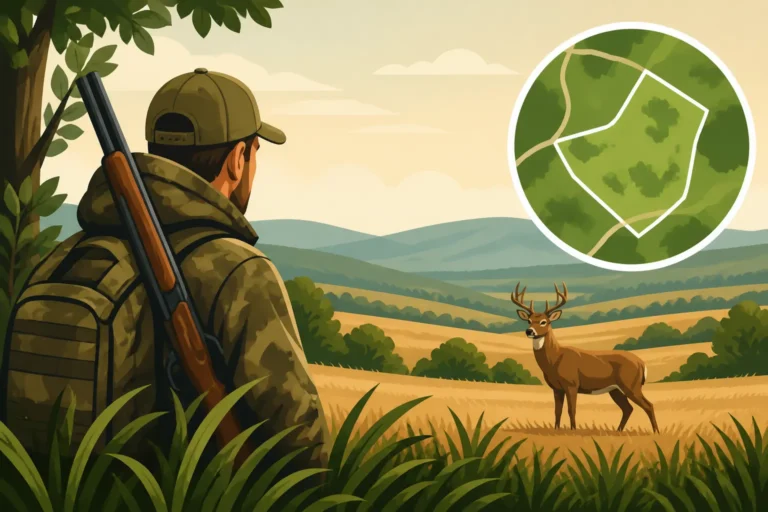
In today's hunting world, mapping and scouting technologies are no longer luxuries; they are essential tools, especially when you're trying to find access near a metro area like Savannah. Apps like onX Hunt have revolutionized how hunters locate public land, identify property boundaries, and even find landowner information. With detailed aerial imagery, topo maps, and overlays showing public/private land, onX Hunt allows you to scout potential hunting spots from your couch, identifying access points, terrain features, and likely travel corridors. This is incredibly useful for navigating WMAs, pinpointing VPA parcels, and even identifying landowners to approach for private access.
Another valuable resource is GoHunt, which also offers robust mapping features and can help in scouting new areas. These apps often integrate with the Georgia DNR's public land maps, allowing you to see exactly where you stand in relation to property lines, roads, and other features. For public land hunting, they help immensely in understanding hunting pressure on onX Layers for Georgia Land Status and finding those less-traveled pockets. They can also help you plan stealthy entry and exit routes, which is critical in areas where game might be accustomed to human activity or when hunting smaller tracts of land. Always download offline maps before heading into areas with spotty cell service, as signal can be unreliable in dense woods or river bottoms.
Adapting Hunting Strategies for Coastal Environments
Hunting near Savannah means adapting your strategies to the unique coastal environment. The terrain, vegetation, and climate all play a significant role in how game behaves and how you should hunt. For instance, if you're targeting waterfowl, understanding the tidal movements of the coastal marsh is absolutely critical for successful Hunting Coastal Georgia Marsh Waterfowl. Ducks and geese will use specific creeks and ponds based on the tide, and your blind placement needs to account for this.
For deer and hogs, the dense cover often means shorter shot distances and a greater reliance on still-hunting or stand placement in natural funnels. Instead of glassing wide-open fields, you'll be scrutinizing small openings and trails through palmetto thickets or swamp edges. Thermals, which are air currents influenced by temperature, can be tricky near water and should be considered for scent control. Additionally, be prepared for warmer temperatures and higher humidity, even during the early archery and firearms seasons. This means light, breathable clothing, plenty of hydration, and aggressive bug repellent are your best friends. Hunting Georgia Swamp and River Bottom Deer can be a physically demanding but highly rewarding endeavor, requiring patience and a good understanding of how water levels impact animal movement.
Species to Pursue and Regional Considerations
Hunting near Savannah offers a diverse array of game animals, each presenting its own challenges and rewards. Understanding what species thrive in this region and the specific considerations for hunting them is key to a successful season.
Popular Game Animals Near Savannah
The most popular game animal in the Savannah area, as in most of Georgia, is the white-tailed deer. While not typically known for the Boone and Crockett scores seen in other parts of the state, the deer population is healthy, and hunters can expect good opportunities for both antlered and antlerless deer. They adapt well to diverse habitats, from pine plantations to dense river bottoms and even suburban fringe areas. Many hunters enjoy Bowhunting Georgia's Early Archery Season for a jump on these wily creatures.
Feral hogs are another ubiquitous presence, and they offer year-round hunting opportunities with no bag limits on private land. These destructive animals are abundant in the swamps and pine flatwoods, making Feral Hog Hunting Year-Round in Georgia a popular activity for meat and pest control. Waterfowl hunting for various duck species, particularly wood ducks in flooded timber and teal in the marsh, can be excellent, especially during migration peaks. Mourning doves are also a favorite, providing fast-paced action on opening weekend in harvested agricultural fields. Small game like squirrels and rabbits round out the list, offering fun, accessible hunting for all ages. Occasionally, though less commonly within very close proximity, alligator opportunities exist in specific zones for those who draw a quota hunt tag.
Dealing with Heat, Humidity, and Bugs
Hunting in coastal Georgia, particularly during the earlier seasons, means you're going to encounter heat, humidity, and an abundance of insects. This isn't just an inconvenience; it can significantly impact your comfort, scent control, and even safety. Early archery season in September can feel like deep summer, with temperatures often climbing into the 80s or even 90s, and the humidity can be oppressive. This makes wearing lightweight, breathable Warm-Weather Clothing for Georgia Hunters absolutely essential. You'll want moisture-wicking fabrics that dry quickly to prevent chafing and stay as cool as possible.
Beyond comfort, scent control becomes exponentially harder in high humidity, as sweat carries scent further. Consider using scent-control sprays liberally and showering with scent-free soaps before heading out. Hydration is also critical; always carry more water than you think you'll need. Then there are the bugs: mosquitoes, gnats, and ticks are a constant presence. Invest in good quality insect repellent, and consider permethrin treatment for your hunting clothes. And, of course, where there are swamps and dense cover, there are snakes. Always wear snake boots or gaiters when walking through tall grass or thick brush, especially in the low-lying areas that characterize the Savannah hunting landscape. Being prepared for these elements isn't just about comfort; it's about making your hunt safer and more enjoyable.
| Public Land Type | Description & Typical Habitat | Common Game | General Access Notes |
|---|---|---|---|
| Wildlife Management Areas (WMAs) | State-managed tracts, often diverse (pine, swamp, hardwoods). | Deer, Hogs, Turkey, Waterfowl, Small Game | General public access, specific regulations vary by WMA. Check dates! |
| National Wildlife Refuges (NWRs) | Federally managed for wildlife. Conservation focus. | Waterfowl, Deer | Highly regulated, often quota hunts. Apply in advance. |
| Voluntary Public Access (VPA) | Private land temporarily opened for public hunting by agreement. | Deer, Hogs, Small Game | Scattered parcels, specific access points, check DNR for locations. |
| Barrier Islands | Unique coastal ecosystems (maritime forest, dunes, marsh). | Deer | Quota hunts only, highly competitive, unique logistics. |
Disclaimer
This article is for general informational purposes only and does not constitute professional advice. Laws, prices and regulations vary by location and change over time. Consult a qualified professional for guidance on your specific situation.