Damage Feral Hogs Cause Georgia Farms
Feral hogs cause millions in damage to Georgia farms by destroying crops, ruining infrastructure, and degrading soil health.
Know what you’re after.
Big game, small game, upland birds, and waterfowl — identification, behavior, rut and migration timing, and how each species moves through the season.
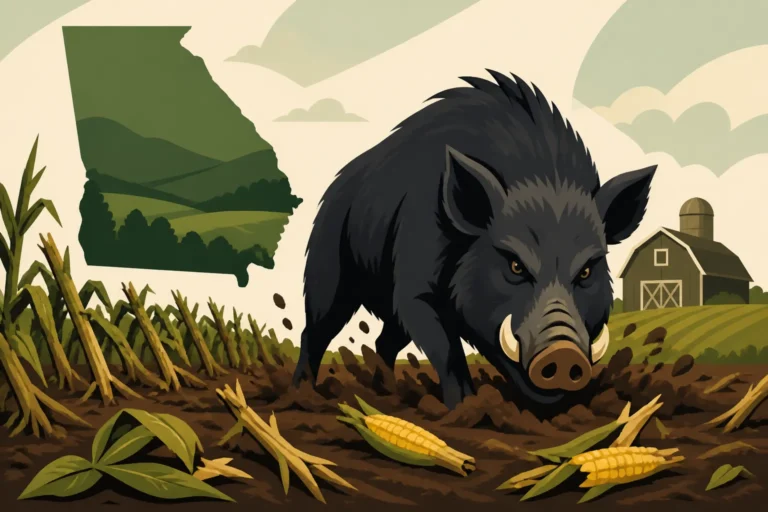
Feral hogs cause millions in damage to Georgia farms by destroying crops, ruining infrastructure, and degrading soil health.
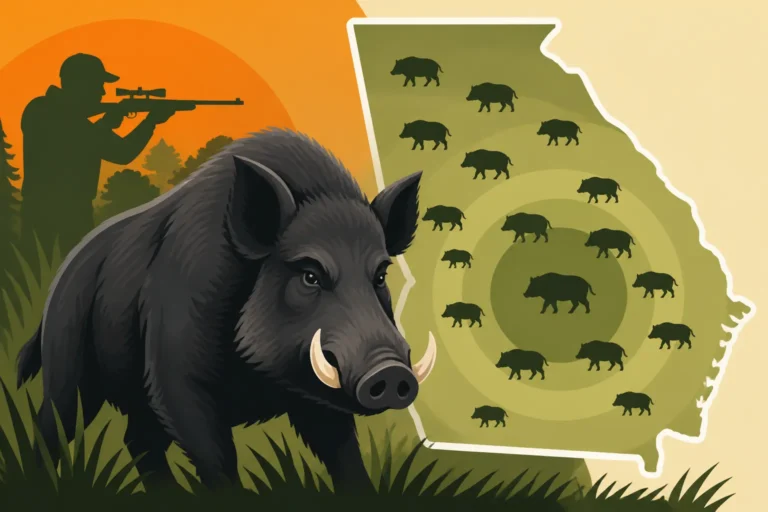
Georgia feral hog population estimates remain elusive due to rapid reproduction, dense woodlands, and secretive, nocturnal animal behaviors.
Georgia alligator nuisance complaints require understanding natural reptile behavior and knowing when to report aggressive wildlife to authorities.
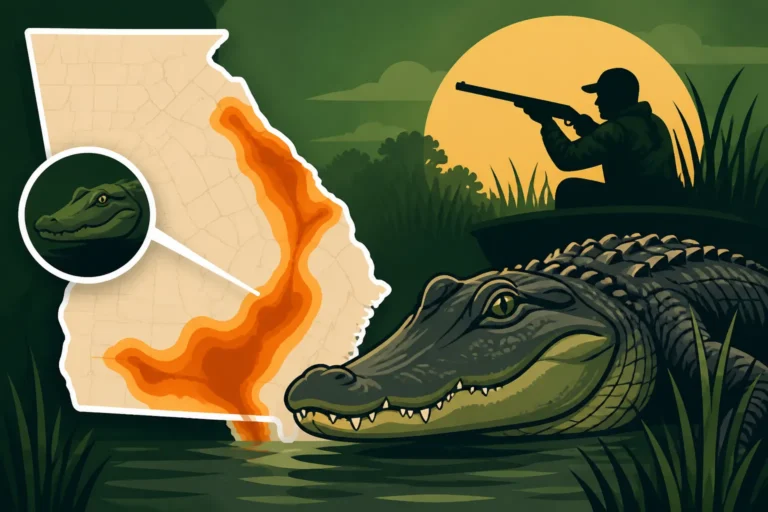
Georgia alligator populations concentrate heavily in southern and coastal swamps, river basins, and the Altamaha Wildlife Management Area.
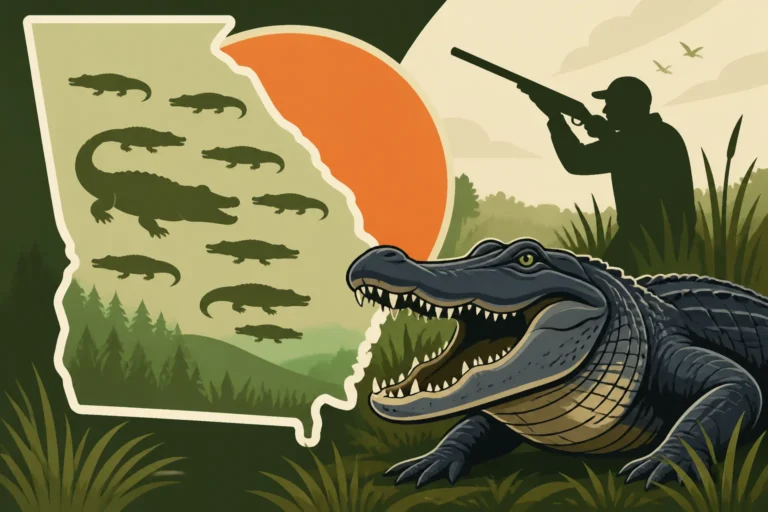
Georgia alligator population management and historical conservation efforts explain how biologists estimate reptile numbers across southern wetlands.
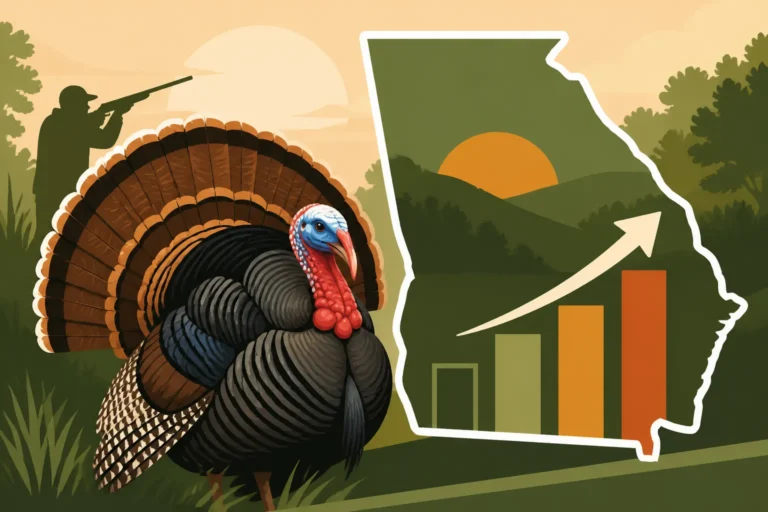
Georgia wild turkey harvest data reveals population health, historical trends, and management decisions by the Department of Natural Resources.
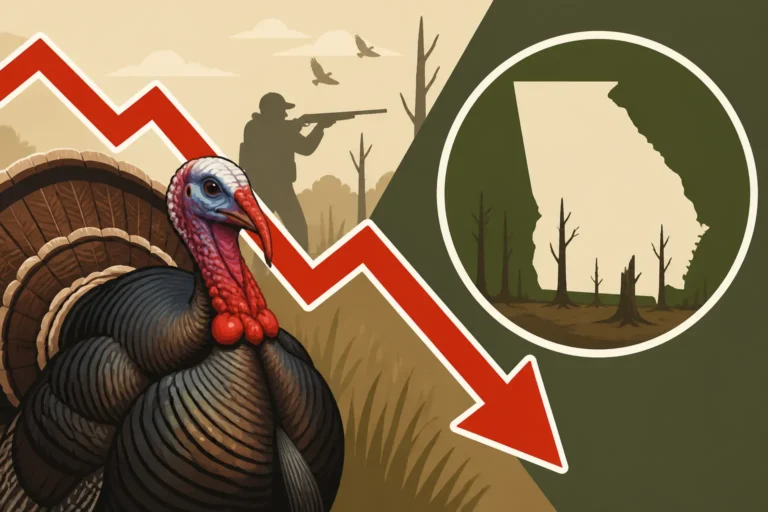
Georgia wild turkey population declines stem from low poult survival rates and environmental factors tracked by the DNR.
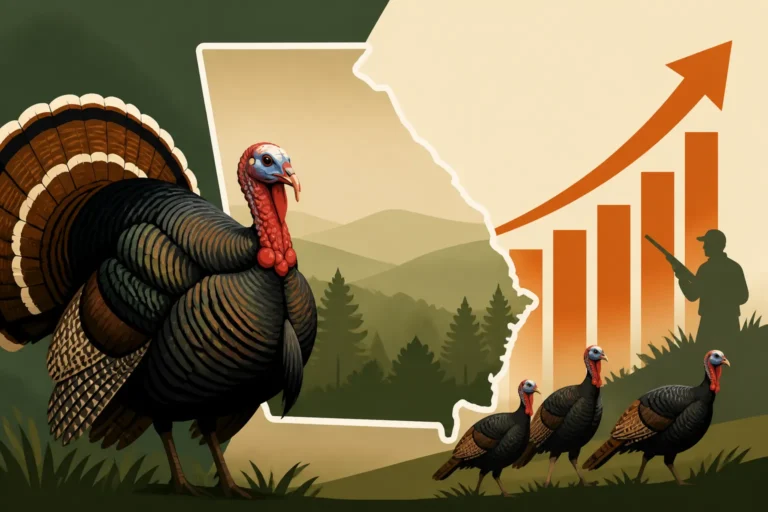
Georgia wild turkey population trends, historical highs, recent dips, and conservation efforts by the Department of Natural Resources.
Georgia bear harvest trends explain black bear population health and how wildlife management shapes sustainable hunting opportunities.
South Georgia black bear territories include the Altamaha River corridor floodplains and the vast Okefenokee Swamp ecosystem.