Bowfishing Arrows for Forty-Eight-Inch Gators
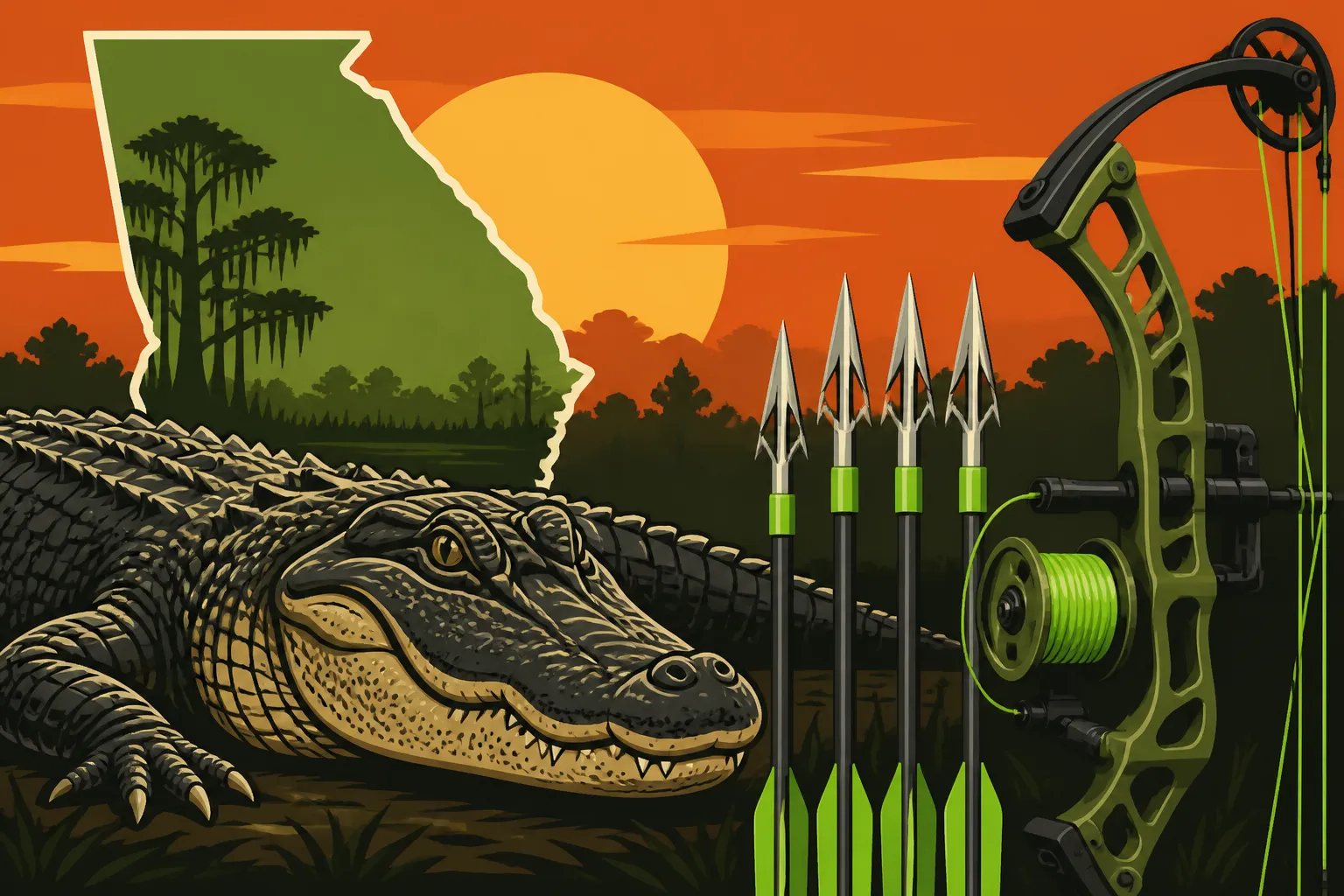
The thrill of chasing alligators with a bow and arrow is unmatched, but let's be real: nothing sours a hunt faster than sending a perfectly aimed shot only to have your arrow fail to penetrate or, worse, pull out after a hard-fought battle. You've done the scouting, put in the hours, and finally gotten within range of a good gator, perhaps even a formidable forty-eight-inch minimum, and now your gear needs to hold up. This guide is all about helping you understand exactly what makes a bowfishing arrow suitable for these powerful reptiles, ensuring your equipment is up to the challenge of a Georgia gator hunt.
Understanding the Challenge of Alligator Bowfishing
Hunting alligators with a bow isn't like shooting carp in a pond. These are ancient, formidable predators, and their physical attributes demand a completely different approach to gear, especially when it comes to your arrows. Forget what you know about deer arrows; gators are a whole different beast.
Why Gators Demand Specialized Gear
Think about it: an alligator's hide is an armor-plated shield, evolved over millions of years to protect it from everything nature throws its way. It's incredibly tough, leathery, and often studded with bony scutes, especially along its back. A standard bowhunting arrow, designed to penetrate soft tissue and vitals on a deer, simply isn't built for this kind of abuse. You need an arrow that can punch through that thick hide and muscle, hold securely, and withstand the immense power of a thrashing gator once it's stuck.
The sheer strength of an alligator is another factor. Even a "smaller" legal gator can weigh hundreds of pounds and possess an explosive power that can snap lines, bend inferior arrow shafts, and rip points clean out. Your arrow isn't just delivering a hit; it's becoming the anchor point for a tug-of-war with a prehistoric animal. This isn't a sport for flimsy gear. You need robust construction from tip to nock, designed to endure the initial impact and the subsequent struggle. The arrow has to be able to take the shock of hitting bone and still stay intact.
The Forty-Eight-Inch Minimum and Its Influence on Arrow Choice
In Georgia, there's a minimum legal length of forty-eight inches for harvested alligators. While this might sound like a relatively small gator compared to the true monsters out there, don't be fooled. A four-foot alligator is still a powerful, muscular creature with a thick hide. This minimum length isn't just a legal threshold; it's a practical consideration for your gear.
When you're aiming for that forty-eight-inch minimum, you're looking at an animal that, while not enormous, still requires significant penetration and holding power from your arrow. A longer gator naturally means more hide, more muscle, and potentially more bone to contend with. The arrow needs to drive deep enough to get past the initial layers of armor and into the body, where the barbs can deploy and hold. If your arrow is too light, too weak, or has a point that doesn't penetrate efficiently, you'll end up with frustrating deflects or shallow wounds that lead to lost animals. This minimum size really underscores the need for heavy-duty, purpose-built bowfishing arrows, specifically designed for these robust reptiles. When applying for a Georgia Alligator Quota Hunt, understanding the size requirements is paramount to both success and legal compliance.
Anatomy of a Bowfishing Arrow for Big Gators
Understanding the specific components of a bowfishing arrow designed for alligators is crucial. Each part plays a vital role in ensuring penetration, retention, and successful retrieval. This isn't just an arrow; it's a specialized tool for a challenging hunt.
Shaft Material and Durability
When it comes to bowfishing arrows for gators, the shaft material is where strength truly begins. You're looking for something that can withstand immense pressure upon impact and during the fight.
- Fiberglass: This is a very common and popular choice for bowfishing arrows, and for good reason. Fiberglass shafts are typically heavier than carbon, which aids in penetration by providing more kinetic energy. They are also incredibly durable and flexible, which means they can absorb the shock of hitting tough hide, bone, or even rocks in the water without shattering. This flexibility can be a huge advantage when a gator thrashes violently, as the arrow might bend but not break. The solid construction of many fiberglass shafts also makes them less prone to splintering than some carbon options when subjected to extreme stress. The added weight of fiberglass also contributes to a stable flight, even with heavy points.
- Carbon and Composite: While pure carbon arrows are lighter and faster, they can sometimes be more brittle than fiberglass when subjected to the kind of lateral forces and impacts seen in gator hunting. However, many manufacturers now offer hybrid or composite shafts that blend carbon with other materials, like fiberglass, to achieve a balance of strength, durability, and weight. These composite arrows can offer some of the speed benefits of carbon while retaining much of the resilience needed for gator hunting. Regardless of the material, the key is a thick-walled, heavy-duty shaft that won't buckle or splinter under the extraordinary demands of alligator bowfishing. You're not looking for pinpoint accuracy at 50 yards; you're looking for a shaft that can take a beating and keep holding.
Heavy Duty Points and Barbs
This is arguably the most critical component for alligator bowfishing. Standard deer broadheads are utterly insufficient. You need a point designed for extreme penetration and, more importantly, a barb system that will not let go.
- Penetration First: Gator points are typically stout, chisel-tipped, and often three-sided or four-sided to create a cutting edge that can slice through thick hide rather than just pushing against it. Brands like Muzzy Bowfishing and AMS Bowfishing are well-known for their robust designs, often featuring a heavy-duty, hardened steel construction. These points are designed to punch through scales and tough hide, often impacting bone, without bending or breaking. Some points feature a "skip" tip, designed to glance off obstacles like rocks or logs without dulling or breaking, though this is less critical when shooting into a gator.
- Barbs for Retention: Once the point penetrates, the barbs are what keep the gator attached to your line. There are generally two types:
- Retractable Barbs: These barbs are typically spring-loaded and lie flat against the arrow shaft during penetration. Once the arrow passes through the hide, the barbs deploy, creating a strong holding force. To remove the arrow, you usually need to unscrew the point slightly or push a collar forward to retract the barbs. This design makes for clean entry and powerful retention.
- Reversible Barbs: These points often have a single, long barb that can be reversed. After the shot and retrieve, you can unscrew the point, flip the barb forward, and pull the arrow back through the entry hole, often with less damage to the hide. This can be beneficial for those who want to minimize hide damage for taxidermy or processing.
The most important feature for any gator barb is its robust construction. Thin, flimsy barbs will simply bend or tear out. You need thick, strong steel that can withstand the thrashing and rolling of a gator. Remember, you're not just holding the gator; you're often pulling it towards the boat, and those barbs are your primary connection.
Line Attachment and Retrieval
The arrow, point, and line system work together. If your line attachment fails, all the strength in the world won't matter.
- Safety Slide Systems: This is paramount for safety. A "safety slide" or "AMS Slide" system is designed to keep the bowfishing line in front of the bow, rather than tied directly to the nock end of the arrow. The line attaches to a slide that moves freely along the arrow shaft. When you shoot, the slide stays forward until the arrow clears the bow, then it moves to the rear, pulling the line from your reel. This prevents the dangerous "bowfishing snap-back," where the line could tangle around the bow or your hand, causing the arrow to snap back at you. This is non-negotiable for any bowfishing, especially with powerful animals like gators.
- Line Material and Strength: The line itself needs to be incredibly strong and abrasion-resistant. Braided Spectra or Dacron lines are common choices, often in the 200-pound test range or higher. Gators have rough hides and can thrash around underwater structures, so the line needs to handle immense pressure and friction. You might consider using a heavier line than you'd use for smaller fish. When you land a gator, you'll likely be pulling it in by hand or with a powerful retrieval system, and a weak line will inevitably fail.
- Retrieval Systems (Reels): While not strictly part of the arrow, the reel dictates how your line is stored and deployed.
- Drum Reels: Simple, direct, and incredibly strong. You manually wrap the line onto a drum. They offer direct pulling power but can be slower to retrieve.
- Bottle/Spincast Reels: These are common for general bowfishing. They offer faster retrieval but generally hold less heavy line. For larger gators, you'll need a heavy-duty model with a strong drag.
- Retrieval Devices: For gators, many hunters employ specialized retrieval devices, sometimes boat-mounted, that can winch in an alligator after it's been shot. The line from your arrow runs to this device, providing the leverage needed to handle such a large animal. Regardless of the reel or retrieval method, ensuring your line is correctly spooled and free of tangles is key to a smooth shot and successful retrieval. For those seeking advanced gear, online platforms like GoHunt can often provide insights into the latest innovations in retrieval systems and lines.
Choosing the Right Arrow for Your Setup
Selecting the perfect alligator arrow isn't just about picking the toughest one on the shelf. It's about matching that arrow to your specific bow setup and hunting style, ensuring harmony between all your components for optimal performance and safety.
Matching Arrow to Bow Type
Different bow types generate different levels of power and require specific arrow characteristics to perform optimally and safely.
- Compound Bows: Modern compound bows can generate significant kinetic energy, often with draw weights ranging from 40 to 80 pounds for bowfishing setups. When shooting a compound, you need an arrow that is heavy enough to absorb that energy without flexing excessively, which can lead to erratic flight. A heavier fiberglass or composite shaft is often ideal, as it provides both the necessary spine (stiffness) and mass for deep penetration. The shaft needs to be stiff enough to avoid paradox, but also durable enough to handle the impact. You'll want to ensure your arrow rest is robust enough to handle the heavier, larger-diameter bowfishing arrows, as many standard hunting rests aren't built for them.
- Recurve Bows: Traditional recurve bows, or even modern recurve bowfishing rigs, typically operate at lower draw weights than most compounds. With a recurve, arrow weight and overall shaft integrity are still paramount, but you might find slightly lighter fiberglass shafts or specialized composite arrows that fly well from a lower-poundage bow. The key is balance – enough weight for penetration without being so heavy that trajectory becomes unmanageable at typical bowfishing distances. Since recurves are often shot instinctively, a consistent arrow flight is crucial.
- Crossbows: Bowfishing with a crossbow, while less common for gators than vertical bows, is certainly possible and offers high power. Crossbows require specialized bolts (arrows) that match the specific nock and rail system of the crossbow. For gator hunting, these bolts must be exceptionally robust, often shorter than standard bowfishing arrows, and designed to withstand the immense force of the crossbow's launch. The points and barb systems remain the same heavy-duty types, but the shaft itself is a crossbow-specific design. Always verify the manufacturer's recommendations for bolt weight and spine when using a crossbow for gators to ensure safety and prevent damage to your equipment. You can find more information on Crossbow Versus Vertical Bow in Georgia for general hunting insights.
Single-Shot vs. Multi-Shot Considerations
Your hunting strategy can influence your arrow setup, particularly if you're thinking about backup shots.
- The Primary Arrow: Your first, most crucial arrow needs to be your absolute best. It's the one you've patterned, checked, and trust implicitly. For gator hunting, this is typically a single, extremely well-built arrow designed for maximum penetration and holding power. You're usually getting one good shot opportunity, and you want it to count. This arrow should be rigged perfectly with your preferred heavy-duty point and a strong line system.
- Backup Arrows (If Applicable): In some scenarios, hunters might carry a second, identical arrow as a backup, particularly if hunting from a boat where quick reloads are feasible. However, the focus with gators is almost always on a single, well-placed, high-percentage shot. Unlike shooting fish where multiple arrows might be deployed quickly, alligator hunting is often about precision and ensuring that first arrow performs flawlessly. The logistics of reeling in a gator, even with a backup shot, are demanding, so a truly effective first shot is always the priority. For those considering multiple scenarios, platforms like GoHunt can offer diverse product ranges and user reviews that might help inform equipment choices for various hunting styles.
Maintaining Your Alligator Arrows
Even the most robust gear needs regular care. Proper maintenance ensures your arrows remain reliable and safe for every hunt.
- Inspect Shafts for Damage: After every shot, and certainly before every hunt, meticulously inspect your arrow shafts for any signs of stress, cracks, splinters, or bends. Fiberglass can develop hairline cracks, and composite shafts can show signs of delamination. Even a minor flaw can become a catastrophic failure when pulling on a large gator. Pay close attention to the area around the nock and the point insert.
- Check Points and Barbs: Ensure your points are tightly secured and that the barbs are functioning correctly. For retractable barbs, make sure they deploy freely and are not bent or stuck. For reversible barbs, check for any nicks or dulling that might affect holding power. Keep spare points and barbs on hand, as they can get damaged during the struggle with a gator or by impacting underwater debris. A dull or damaged point will greatly reduce penetration, potentially leading to a lost animal.
- Line and Slide System Inspection: Examine your bowfishing line for any fraying, nicks, or weak spots. Re-tie knots if they look worn. Crucially, check your safety slide system. Ensure it moves freely along the arrow shaft and that the line attachment is secure. Any friction or obstruction could cause a dangerous snap-back. Replace worn slides and lines regularly.
- Clean and Store Properly: After a hunt, especially in brackish or saltwater environments, rinse your arrows thoroughly with fresh water to remove any salt, mud, or debris. Allow them to dry completely before storing them in a cool, dry place, ideally in an arrow case, to protect them from further damage or environmental degradation. Proper cleaning prevents corrosion of metal parts and extends the life of the shaft material. This diligent maintenance routine is a small investment of time that pays off immensely in safety and successful hunts.
| Component | Key Features for Gator Bowfishing | Why It Matters for 48-inch Gators |
|---|---|---|
| Shaft Material | Heavy-duty fiberglass or reinforced composite; thick-walled. | Provides weight for penetration, withstands thrashing, prevents snapping/splintering against bone. |
| Point Type | Stout, chisel-tipped (3-4 sided); hardened steel. | Punches through thick, bony hide and dense muscle without bending or breaking. |
| Barbs | Robust, spring-loaded retractable or strong reversible. | Ensures secure retention in tough hide, prevents arrow pull-out during aggressive struggles. |
| Line Attachment | Safety Slide System (e.g., AMS, Muzzy) | Crucial for hunter safety, prevents line snap-back, ensures smooth arrow flight. |
| Line Material | Braided Spectra or Dacron; 200lb+ test. | High breaking strength and abrasion resistance for controlling powerful, thrashing gators. |
Hunting gators in Georgia is an incredible experience that demands respect for both the animal and the challenge it presents. By understanding the specific needs for bowfishing arrows – from the durable shaft to the heavy-duty points and the critical safety slide system – you're setting yourself up for success. Don't compromise on your gear; the right arrow makes all the difference when you're facing down a forty-eight-inch gator. It's about precision, power, and having the confidence that your equipment will hold up when it counts the most. Make sure you're always prepared for the hunt and for what might come after the shot. If you're planning your trip, consider resources on Alligator Hunting in Georgia to get a full picture of the experience.
Disclaimer
This article is for general informational purposes only and does not constitute professional advice. Laws, prices and regulations vary by location and change over time. Consult a qualified professional for guidance on your specific situation.