Piedmont National Wildlife Refuge Hunting
Finding quality public land to hunt in Georgia's central Piedmont region can feel like a real uphill battle sometimes. With so much private timberland and scattered subdivisions, it’s easy to get frustrated trying to pinpoint consistent opportunities. This guide is dedicated to one of Georgia's true gems for public land hunters: the Piedmont National Wildlife Refuge. We’ll break down everything you need to know to plan a successful and rewarding hunt on this unique tract.
Understanding the Piedmont National Wildlife Refuge
The Piedmont National Wildlife Refuge, nestled in the heart of Georgia, offers a distinct and often overlooked hunting experience. It's not just another piece of public ground; it's a carefully managed ecosystem designed to restore and preserve the natural heritage of the Piedmont. Understanding its purpose and unique characteristics is the first step to unlocking its potential as a hunting destination.
A Haven for Wildlife in Central Georgia
Imagine rolling hills, mature pine and hardwood forests, and bottomland areas carved by clear-flowing creeks. That's the landscape of Piedmont NWR, primarily located in Jones County, with some portions spilling into Jasper County. This refuge was established in the 1930s as part of a national effort to restore wildlife populations and degraded lands. Over the decades, it has blossomed into a vibrant habitat supporting diverse species, making it a critical area for conservation and, thankfully, regulated hunting. It's a testament to what dedicated land management can achieve in a region where natural habitats are often fragmented.
Unlike some vast, untouched wilderness areas, Piedmont NWR is an active demonstration of ecological restoration. Its pine stands are often managed through thinning and prescribed burns, creating open understories that benefit deer, turkey, and many other creatures. The hardwood bottoms provide essential mast crops, drawing in wildlife during critical feeding periods. When you hunt here, you're not just a participant; you're part of a larger conservation story, experiencing firsthand the results of careful stewardship.
The Unique Management and Ecosystem of the Refuge
The management philosophy at Piedmont NWR is comprehensive, focusing on habitat improvement for migratory birds and native wildlife. This often translates into specific forestry practices that create diverse age classes of trees, promoting varied vegetation that different species rely on. For hunters, this means you'll encounter a patchwork of habitats, from dense pine thickets offering bedding cover to mature hardwoods providing forage, and open areas maintained for early successional growth.
The ecosystem here is a prime example of Georgia's Piedmont region, characterized by its red clay soils and mixed forests. It's a transitional zone between the mountains to the north and the flat coastal plain to the south, giving it a unique blend of flora and fauna. This variety of habitat types is what makes the refuge so appealing for hunting different species. The refuge's ongoing efforts to control invasive species and reintroduce native plants further enhance the quality of the habitat, ensuring that the wildlife thrives and, in turn, provides sustainable hunting opportunities. This focused approach is a significant factor in why the refuge consistently supports healthy game populations.
Historical Context and Conservation Efforts
The history of Piedmont NWR is deeply rooted in the broader conservation movement of the 20th century. Like much of the Piedmont, this land was heavily logged and farmed, leading to severe erosion and depleted wildlife populations. The establishment of the refuge was a direct response to these challenges, with an aim to heal the land and bring back species like the white-tailed deer and wild turkey, which were scarce in the region at the time.
Over the decades, the refuge has been a laboratory for innovative conservation techniques. Early efforts focused on reforestation and soil stabilization. Today, the focus includes prescribed fire management, water quality protection, and maintaining habitat corridors. Hunters benefit directly from these efforts; the healthy, diverse habitats you see today are the result of continuous, science-based management. Understanding this history can give you a deeper appreciation for the resource you're hunting and the importance of adhering to its specific regulations to help continue this legacy.
Navigating Piedmont NWR's Hunting Regulations
Hunting at a National Wildlife Refuge comes with its own set of rules that often differ from statewide Georgia regulations or even those found on typical Wildlife Management Areas (WMAs). It’s absolutely critical to familiarize yourself with these specific guidelines, as ignorance of the rules is never an excuse for violations. Always consult the most current refuge-specific hunting regulations pamphlet, usually available on the refuge's official website or at its headquarters.
Essential Licenses and Specific Permits Required
Before you even consider setting foot on Piedmont NWR to hunt, you’ll need your standard Georgia hunting license. This includes your basic hunting license, and if you're pursuing big game, a big game license is a must. For migratory birds, don't forget your Georgia Migratory Bird Stamp and HIP certification. You can find detailed information on these requirements in our guide to Georgia Hunting Licenses and What They Cost. However, the refuge often has additional permit requirements that are unique to its management plan.
Most deer and turkey hunting at Piedmont NWR operates on a quota hunt system. This means you must apply for and be drawn for a specific hunt period. These applications are typically done through the Georgia Department of Natural Resources (DNR) quota hunt system. It's not a first-come, first-served situation, so missing the application window means missing the season. Beyond quota permits, some small game or feral hog hunts might require a special refuge-specific permit, which might be available over-the-counter or through a separate sign-up process. Always check the annual refuge hunting brochure for the precise application dates and requirements, as they can change.
Permitted Species, Seasons, and Quota Hunts
Piedmont NWR offers opportunities for a variety of game species, but the primary draws are often white-tailed deer and wild turkey. Deer hunting is usually structured around several archery and firearms quota hunts, each with specific dates and bag limits that may differ from the statewide Georgia Deer Season Structure Explained. The refuge typically has antler restrictions in place to promote a healthy age structure in the buck population, so always verify the minimum antler size. For turkeys, you'll generally find limited spring gobbler quota hunts, usually with strict daily and season bag limits, often more restrictive than the statewide Georgia Spring Turkey Season Rules.
Small game hunting, such as squirrels and rabbits, may also be permitted outside of the major big game seasons, often requiring only the general refuge permit (if applicable) and your state licenses. Feral hogs are typically an opportunistic species; while there might not be dedicated hog hunts, you can usually take them during any open deer or small game season on the refuge, with no bag limit. Always check the current regulations for specific dates and any special instructions regarding hog harvest. The table below outlines typical opportunities you might find:
| Game Species | Typical Hunting Method | Season Structure | Special Considerations |
|---|---|---|---|
| White-tailed Deer | Archery, Primitive, Firearms | Quota Hunts Only | Antler Restrictions, Specific Zones, Harvest Reporting Required |
| Wild Turkey | Shotgun, Archery | Spring Quota Hunts Only | Gobblers Only, Limited Bag Limit, Harvest Reporting Required |
| Feral Hogs | Any Legal Method | Opportunistic (during other seasons) | No Bag Limit, No Closed Season, May Require Refuge Permit |
| Squirrel | Shotgun, Rimfire, Archery | Open Seasons | Check Refuge Dates, Statewide Bag Limits Apply |
| Rabbit | Shotgun, Rimfire, Archery | Open Seasons | Check Refuge Dates, Statewide Bag Limits Apply |
Weaponry, Ammunition, and Blaze Orange Guidelines
Just like with seasons and species, weapon regulations at Piedmont NWR can be more stringent than general Georgia hunting laws. While standard centerfire rifles are typically allowed during firearms deer hunts, there might be specific caliber restrictions. Muzzleloaders and shotguns are also commonly permitted during their respective seasons. For archery, both vertical bows and crossbows are usually legal, but confirm if any special endorsements or requirements exist for crossbow users, such as those discussed in Crossbow Versus Vertical Bow in Georgia.
Ammunition types can also be restricted; for instance, some refuges might require the use of non-toxic shot for all hunting, even for upland game or deer, to protect wildlife from lead exposure. Always confirm this detail before you arrive. Furthermore, blaze orange requirements are almost always enforced for safety during any firearms season, and often during primitive weapons or archery seasons when other hunters are present. Typically, a minimum amount of blaze orange (e.g., 500 square inches above the waist) must be worn. Remember, these regulations are designed for hunter safety and resource protection, so adhering to them is paramount.
Strategic Approaches for Hunting Deer and Turkey
Piedmont NWR, with its diverse habitat, presents unique challenges and opportunities for deer and turkey hunters. Success here often hinges on understanding the specific dynamics of the refuge, especially how quota hunts influence animal behavior and hunter pressure.
Deer Hunting: Understanding Quota Hunts and Habitat Choices
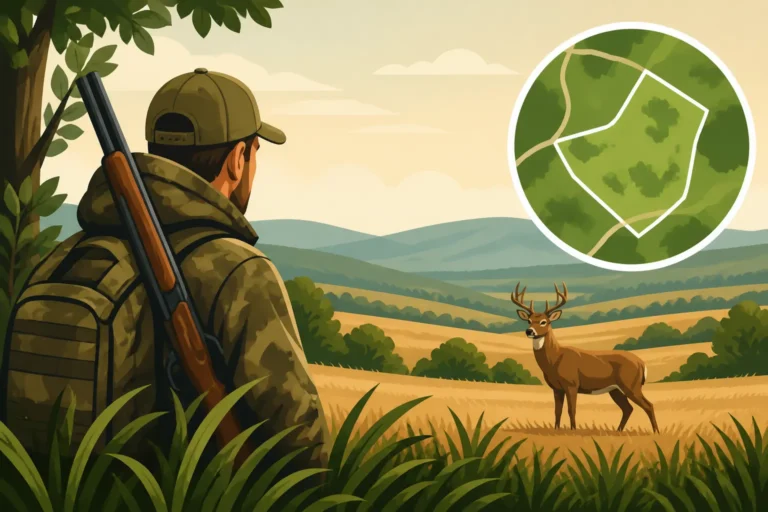
Deer hunting at Piedmont NWR is primarily managed through a quota hunt system, which means access is limited to a set number of hunters for specific periods. While this reduces overall hunter pressure compared to open-access WMAs, deer on the refuge are still highly accustomed to human activity and can be very cagey. Hunters often find success by focusing on transitional areas between different habitat types. The edges of mature pine stands bordering hardwood bottoms, or old clear-cuts regenerating into thick cover, are classic pinch points where deer will travel. Studying aerial maps, perhaps on a tool like onX Hunt, can help identify these funnels and bedding areas.
The refuge's management practices, including prescribed burns and timber thinnings, create a mosaic of food sources and bedding cover. After a prescribed burn, for instance, new herbaceous growth can emerge, drawing deer to those areas. Conversely, recently thinned pine plantations might offer temporary excellent bedding cover with new browse. Understanding these habitat shifts and how they relate to the timing of your quota hunt is crucial. Deer in the Piedmont NWR will exploit every available food source, from acorns in the hardwoods to forbs in recently disturbed areas. This dynamic creates a constantly changing puzzle, requiring hunters to be adaptable and observant. Our article Hunting Piedmont Farmland Deer might offer some transferable strategies, though the refuge environment is distinct from private farmland.
Calling in Spring Gobblers at the Refuge
Turkey hunting on Piedmont NWR, also typically conducted via quota hunts, can be incredibly rewarding but demands patience and strategic calling. The limited hunter numbers mean gobblers might not be as pressured as on other public lands, but they are still wild birds that have heard their fair share of calls. Mornings often start with trying to locate a roosted bird in the mature pines or hardwoods bordering creek bottoms. Once a gobbler is located, getting ahead of him and setting up an ambush with decoys can be effective. However, be prepared to move if the bird hangs up or goes silent.
Run-and-gun tactics, where you move and call frequently to locate a responsive tom, can also be successful, especially later in the morning when birds have dropped from the roost and are moving. Patience is a virtue, as a gobbler might take his time to commit. Don't be afraid to try different call types – a subtle cluck and purr can sometimes entice a wary bird more effectively than aggressive cutting. Understanding the terrain, especially creek drainages and subtle ridges, can help you predict travel routes. Remember that on any refuge, ethical calling and setup are paramount.
Opportunities for Small Game Hunters
While deer and turkey hog the spotlight, Piedmont NWR also offers solid opportunities for small game hunters, particularly for squirrels and rabbits. The diverse forest composition, with its mix of oak, hickory, and pine, provides excellent habitat for both species. Squirrel hunting is often best in the mature hardwood bottoms, especially during good mast years when acorns and hickory nuts are plentiful. Still-hunting through these areas at dawn or dusk, or employing a good squirrel dog, can yield consistent action.
Rabbit hunting typically excels in areas of thicker cover, such as regenerating clear-cuts, briar patches, or fencerows along the refuge boundaries. While designated "fencerows" might be less prominent within the refuge's interior, areas of dense brush and early successional growth serve the same purpose for rabbits seeking refuge. A brace of beagles can turn a slow day into an exciting chase. Always confirm the specific small game seasons and any unique refuge regulations before heading out, as they may have slightly different start and end dates compared to statewide seasons.
Planning Your Logistics and Maximizing Access
A successful hunt at Piedmont NWR isn't just about good woodsmanship; it's also about meticulous planning. From understanding how to get around the refuge to using modern scouting tools and knowing where to lay your head at night, logistics play a huge role in your overall experience.
Identifying Access Points and Navigating Interior Roads
Piedmont NWR has multiple access points, primarily off paved and unpaved county roads. It’s absolutely critical to consult an official refuge map, which can usually be downloaded from the U.S. Fish and Wildlife Service website or picked up at the refuge headquarters. These maps will clearly mark public access points, designated parking areas, and the network of interior roads. Many of the interior roads are gated and closed to vehicle traffic, particularly during hunting seasons, but they serve as excellent walking paths to access deeper areas of the refuge.
Knowing which gates are open and which roads are accessible for vehicles is vital for planning your entry and exit strategies. Parking is typically restricted to designated areas, and parking outside these zones can lead to fines or even having your vehicle towed. Always look for signs indicating parking regulations. For navigating the refuge's interior on foot, a reliable GPS unit or a smartphone app like onX Hunt is invaluable. These tools, especially with downloaded maps for areas with no cell service, will help you stay on refuge property and navigate the often-confusing network of trails and roads. Learning Scouting With the Georgia Outdoors App can provide a good foundation for using digital mapping tools on public land.
Pre-Season Scouting with Modern Tools
Pre-season scouting is paramount at Piedmont NWR, especially for quota hunts where your time on the ground might be limited. Digital mapping tools, such as GoHunt or onX Hunt, are incredibly powerful for remote scouting. You can spend hours poring over aerial imagery, topo maps, and land ownership layers from the comfort of your home. Look for key features like pinch points, ridge lines, creek bottoms, changes in timber type, and potential bedding areas. Mark these waypoints digitally, and then use your physical scouting trips to verify your theories. Our guide on Reading Aerial Photos for Piedmont Deer can help you interpret these digital landscapes.
When you do get boots on the ground, focus on finding fresh sign: deer tracks, rub lines, scrape activity, and turkey scratching. Pay attention to food sources; during the fall, identify areas with good acorn crops. In the spring, look for green-up spots that might attract turkeys. Don't just scout the obvious areas near roads; venture deeper into the refuge. Hunters often overlook areas that require a longer walk, and these can become sanctuaries for pressured game. Combine your digital insights with real-world observations to build a comprehensive picture of game movement.
On-Site Amenities and Nearby Accommodations
As a National Wildlife Refuge, Piedmont NWR is primarily focused on wildlife conservation, not extensive hunter amenities. You won't find developed campgrounds or facilities directly on the refuge suitable for overnight stays. This means you'll need to plan for off-site accommodations. The nearby towns of Gray, Round Oak, and Macon offer a range of lodging options, from hotels to smaller, locally-owned establishments. You'll also find gas stations, grocery stores, and restaurants in these areas to resupply.
If you prefer camping, several state parks and private campgrounds are within a reasonable driving distance of the refuge. Check Georgia State Parks websites for options like High Falls State Park or Indian Springs State Park, which might offer primitive or developed campsites. Always book well in advance, especially during popular hunting seasons. Remember to pack everything you need for the day's hunt, including water, snacks, and any emergency supplies, as resources are not available once you're on the refuge property.
Enhancing Your Success at Piedmont NWR
Hunting on public land, especially a managed refuge, means being adaptable and strategic. The animals are wild, and success often comes down to outsmarting both the game and, at times, other hunters.
Mitigating Hunter Pressure and Finding Seclusion
Even with a quota system, Piedmont NWR can see hunter pressure, particularly on opening days and weekends. To find success, you often need to go where others aren't willing to go. This typically means walking further, deeper into the refuge, away from easily accessible roads and parking lots. Many hunters will stick within a quarter to half-mile of their vehicles. By pushing beyond this, often a mile or two, you significantly increase your chances of finding less disturbed game.
Another strategy is to identify overlooked pockets of habitat. This could be a small, dense thicket surrounded by more open woods, or a steep creek drainage that discourages casual exploration. These areas can act as natural sanctuaries for deer and turkeys seeking refuge from human activity. Using your mapping apps to find areas with difficult access – perhaps a large creek you have to cross, or a particularly dense section of timber – can pay dividends. Think about how the deer might be moving in response to pressure. They'll often shift into thicker cover or move more frequently at night. Adjusting your tactics and being willing to adapt is key to Finding Ground Others Walk Past.
Essential Gear for Piedmont Terrain
The rolling terrain, mixed forests, and occasional wet bottoms of Piedmont NWR call for specific gear considerations. Comfortable, durable boots are non-negotiable. Whether you prefer waterproof hiking boots for dry days or knee-high rubber boots for navigating swampier areas, ensure they are well broken-in to handle the miles you'll likely cover. Snake boots are also a smart choice, especially in early archery season when venomous snakes are still active. Layered clothing is essential, as Georgia weather can be unpredictable, with cool mornings often giving way to warm afternoons, even into late fall. Consider breathable base layers and an outer shell that can be easily shed or donned. Our guide Warm-Weather Clothing for Georgia Hunters has great tips.
A good quality backpack capable of carrying all your day hunt essentials – water, snacks, calls, first aid kit, game bags, and a drag rope – is a must. For treestand hunters, a lightweight, portable stand and climbing sticks are ideal for accessing areas away from trails. Ground blinds can also be effective, especially when set up in thick cover along travel corridors or field edges. Don't forget bug repellent, especially for early season hunts, as mosquitoes and ticks can be relentless. And always have a sharp knife and some game bags for efficient field dressing and meat care, particularly in warmer weather.
Post-Harvest Requirements and Considerations
Harvesting an animal at Piedmont NWR comes with specific responsibilities. All deer and turkey harvests on the refuge must be reported through Georgia's Game Check system, just like any other deer taken in the state. You’ll need to do this within 24 hours of harvest. Additionally, the refuge may have its own internal checking procedures or requirements for harvested game, so always refer to the specific refuge regulations pamphlet. This might involve physically checking the animal at a refuge station or providing information over the phone.
Given that some Georgia counties are within a Chronic Wasting Disease (CWD) Management Area, it's vital to know if Jones or Jasper Counties have any specific CWD regulations for carcass movement or mandatory testing. While Piedmont NWR might not be in a CWD zone, understanding statewide regulations is always crucial. Our guide on Georgia's Chronic Wasting Disease Management Area offers more context. Proper field dressing is important, especially in warm Georgia temperatures, to ensure meat quality. Having game bags and a plan for cooling the meat quickly is always a good idea. Remember, taking care of your harvest respectfully is part of being a responsible hunter.
Disclaimer
This article is for general informational purposes only and does not constitute professional advice. Laws, prices and regulations vary by location and change over time. Consult a qualified professional for guidance on your specific situation.