Georgia Deer Antler Restrictions Debate
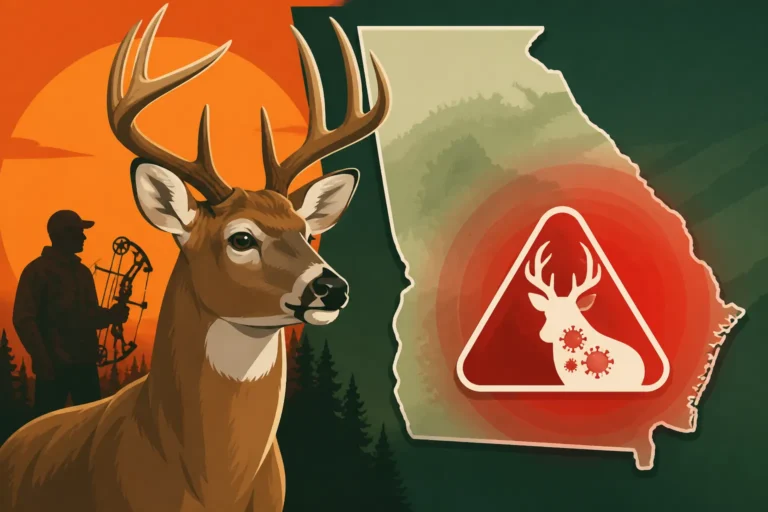
The discussion around deer antler restrictions in Georgia is one of those topics that can quickly get a deer camp fired up, and for good reason. Hunters across our state have incredibly diverse perspectives on how we should manage our whitetail herd, especially when it comes to which bucks we’re allowed to harvest. This guide is going to dive deep into that spirited debate, exploring the ins and outs of what antler restrictions mean, why they're so contentious, and how they impact our hunting experiences here in the Peach State.
Understanding Deer Antler Restrictions in Georgia
When we talk about antler restrictions, it's not just some abstract concept cooked up in a biology lab. For Georgia hunters, it directly impacts what we can and cannot pull the trigger on when that moment of truth arrives. At its core, an antler restriction is a regulation designed to limit the harvest of younger, antlered bucks, typically by requiring a certain number of antler points or a minimum main beam length. The idea is to allow more bucks to survive to older age classes, theoretically leading to a more balanced herd age structure and potentially more mature, larger-antlered deer.
For instance, while many states have specific "four points on one side" or "15-inch main beam" rules, Georgia currently operates under a statewide two-antlered-buck limit, regardless of antler size or points. This in itself is a form of restriction, as it limits the total number of antlered bucks you can take in a season. On certain Wildlife Management Areas (WMAs) or through special quota hunts, you might encounter more specific rules, like a minimum antler spread or number of points, which are true antler point restrictions (APRs). The debate often centers on whether these types of rules should be more widely implemented across the state's private and public lands. It's a fundamental question of hunter choice versus herd management.
What Exactly Are Antler Restrictions?
Antler restrictions are simply rules that dictate the minimum antler size a buck must possess before it can be legally harvested. These rules aren't about stopping you from taking a deer; they're about influencing which deer you take. The most common forms are:
- Antler Point Restrictions (APRs): This is probably what most people think of. For example, a rule might state that a buck must have "at least 4 points on one side" or "3 points on one side, excluding the brow tine." The intent here is to let bucks with fewer points (which are generally younger) walk and mature.
- Minimum Main Beam Length: Some regulations require a buck's main beam to reach a certain length, say 15 inches, before it can be harvested. Again, this aims to protect younger bucks that haven't developed long main beams yet.
- Minimum Antler Spread: Less common, but sometimes a rule might require a buck to have an outside antler spread equal to or greater than the width of its ears.
- General Antlered Buck Limits: Like Georgia's statewide two-buck limit, this restricts the total number of antlered deer, but doesn't specify antler quality. However, by limiting the quantity, it indirectly encourages hunters to be more selective, or at least that's the hope.
These rules are often implemented after biological studies suggest an imbalance in the buck-to-doe ratio or a lack of mature bucks in the population. Wildlife agencies might look at data on Georgia Buck Age Structure or Georgia Deer Population Estimate to inform these decisions. The challenge is that deer populations and hunting cultures vary wildly even within our own state, making a "one-size-fits-all" solution incredibly difficult to implement and enforce fairly.
Why Do These Restrictions Come Up for Debate?
The debate isn't just about big antlers; it's about what we value in hunting, how we manage a public resource, and what kind of hunting experience we want to preserve for ourselves and future generations. On one side, you have hunters who believe these restrictions are crucial for improving the quality of the herd and the hunting experience. They envision a future with more mature bucks, better genetics, and more challenging hunts. They often point to states that have successfully implemented APRs and seen a demonstrable shift in buck age classes.
On the other side, you have hunters who feel that these restrictions infringe on their freedom, are difficult to enforce, and can lead to unintended consequences. They argue that hunting should be about the opportunity to harvest, regardless of antler size, and that passing up a legal buck, especially a healthy young one, goes against traditional hunting ethics for many. There's also the very real concern about misidentifying a buck in the heat of the moment or in low light, leading to accidental violations. This is a very real frustration, especially for those hunting dense cover or public land where every opportunity is precious.
The Arguments for Antler Restrictions in Georgia
For many hunters, the idea of antler restrictions holds a lot of appeal. They see it as a path to a healthier, more balanced deer herd and a more rewarding hunting experience. These arguments often center on biological principles and the long-term vision for Georgia's whitetail population.
Improving Buck Age Structure and Herd Health
One of the primary arguments for antler restrictions is the desire to shift the buck age structure towards older, more mature animals. In many areas, especially where hunting pressure is high, a significant proportion of the harvested bucks are yearlings (1.5 years old). While a healthy yearling buck is certainly a great harvest, consistently removing a large number of young bucks can prevent the population from reaching its full potential in terms of age diversity.
By implementing antler restrictions, the goal is to allow more of these younger bucks to survive for another year or two. This not only means they grow larger antlers but also become more biologically mature. Older bucks contribute differently to the rut, often leading to a more intense and drawn-out breeding season. A healthier buck age structure can also lead to a more balanced sex ratio, which is beneficial for the overall health and reproductive success of the herd. It’s about more than just trophy racks; it’s about a robust and resilient deer population across all age classes. Many hunters feel this would lead to a more natural and exciting hunting environment.
Increasing Trophy Potential and Hunter Satisfaction
Let's be honest, for many, the allure of hunting includes the possibility of harvesting a truly magnificent animal. Antler restrictions, proponents argue, directly contribute to this by allowing bucks the time they need to express their genetic potential. A buck that is 3.5 or 4.5 years old simply has more time to grow larger, more impressive antlers than a 1.5-year-old buck, given adequate nutrition.
This isn't just about "trophy hunting." It's about enhancing the overall satisfaction of the hunt. Imagine spending weeks scouting, identifying a mature buck's patterns, and finally getting an opportunity at an animal that has truly earned its antlers. For some, the thrill comes from the chase and the challenge of pursuing an older, wiser animal, regardless of whether it makes a record book. When you know there's a higher likelihood of encountering older bucks, it can heighten the anticipation and reward of every hunt. It changes the mindset from "if it's brown, it's down" to a more selective approach, often encouraging deeper scouting and more strategic hunting. A hunter might use tools like GoHunt to analyze historical harvest data in a specific area, hoping to identify zones where older bucks are known to roam.
Data from Other States and Conservation Benefits
Many advocates for antler restrictions point to the success stories in other states that have implemented similar regulations. States like Mississippi, Arkansas, and Pennsylvania have often been cited as examples where APRs have demonstrably increased the number of older bucks in the population, leading to higher quality hunting experiences for many. Studies from these areas often show an increase in the average age of harvested bucks and an improvement in hunter satisfaction metrics.
Beyond just larger antlers, there are broader conservation benefits. By promoting a healthier age structure, the deer herd can become more resilient to environmental pressures, disease outbreaks, and even harsh weather conditions. A well-managed deer population, including a diverse buck age structure, contributes to a more stable ecosystem. This long-term thinking appeals to many who view hunting as a vital component of wildlife conservation, aiming to ensure thriving deer populations for generations to come. It’s about responsible stewardship and making informed decisions based on biological principles.
The Arguments Against Antler Restrictions in Georgia
While the vision of older, larger-antlered bucks is appealing, antler restrictions are far from universally loved. Many Georgia hunters have serious reservations, citing concerns about hunter freedom, practical difficulties, and potential negative impacts on the hunting experience.
Limiting Hunter Choice and Opportunity
One of the most passionate arguments against antler restrictions is that they unnecessarily limit hunter choice. For many, the primary goal of hunting is to put meat on the table, and any legal, healthy deer provides that. They believe that a hunter should have the right to harvest any legal buck they choose, regardless of its antler size, especially when that animal is within range and offers an ethical shot. This sentiment is particularly strong for those who hunt primarily for sustenance or who have limited time afield and value every opportunity they get.
Imagine a parent taking a child hunting for the first time. If a legal, spike buck offers the only opportunity, many believe that should be a celebrated harvest, not one to be passed up due to arbitrary antler rules. This concern ties into the broader concept of hunter recruitment and retention; making hunting overly complicated or restrictive could discourage new hunters and alienate seasoned ones. For many, the experience of being in the woods and the opportunity to harvest a deer is far more important than the size of its rack. Georgia's generous Filling a Twelve-Deer Bag Limit is often seen as providing ample opportunity, and adding antler quality restrictions feels counterproductive to that.
Difficulty in Field Identification and Enforcement
A significant practical hurdle with antler restrictions is the challenge of accurately identifying antler characteristics in the field. When a buck steps out in low light, dense cover, or at a distance, quickly and accurately counting points or estimating main beam length can be incredibly difficult, even for experienced hunters. The pressure of the moment, coupled with adrenaline, can lead to mistakes.
These mistakes can result in accidental violations, leading to fines, license suspensions, and deeply regrettable situations for hunters who genuinely tried to follow the rules. Nobody wants to be the person who accidentally shoots a "short" buck. This concern is amplified when hunting on public land, like the Chattahoochee National Forest, where opportunities might be fleeting and conditions less than ideal. Hunting Pressure on Georgia Public Land already adds to the challenge, and complex antler rules could make it even harder. Enforcement also becomes more complex for game wardens, who must then verify antler criteria, often adding stress and potential for dispute during check-ins or field checks.
Unintended Consequences and "Ground Shrinkage"
Critics also warn of unintended consequences. One common concern is that hunters, fearful of violating rules, might become overly hesitant or pass up perfectly ethical shots at legal bucks, leading to missed opportunities. There's also the phenomenon often joked about as "ground shrinkage," where a buck's antlers always look bigger through the scope than they do once you walk up to it. This isn't just a joke; it’s a real cognitive bias that can lead to misjudgments under pressure.
Another potential issue is that if hunters pass all young bucks with small antlers, it might not just be genetics at play; it could be a sign of poor nutrition in certain areas. Focusing solely on antler size could inadvertently select against bucks with less-than-ideal genetics, regardless of age, which some argue isn't truly "improving" the herd. Furthermore, some argue that if hunters are primarily focused on larger-antlered bucks, this could lead to more selective hunting pressure on those specific age classes, potentially creating new imbalances or even encouraging poaching of "trophy" animals. This balance is critical when considering the health of White-Tailed Deer Across Georgia.
Georgia's Current Approach to Deer Harvest
Georgia has traditionally favored a more liberal approach to deer hunting regulations compared to some other states, focusing more on quantity management through a high antlerless bag limit and a statewide two-antlered-buck limit. This approach reflects a balancing act between providing ample hunting opportunity and maintaining a healthy deer population.
Statewide Regulations and Flexibility
Currently, Georgia hunters are permitted to harvest two antlered bucks per season, with no statewide minimum antler requirements for those bucks. This means if you want to take a spike and a 6-point, and they are both legal, ethical shots, you can. This flexibility is highly valued by many hunters, as it allows them to make decisions based on their personal hunting goals and the opportunities that present themselves. The emphasis is on herd management through the robust antlerless harvest, which helps control the overall deer population and maintain a healthy buck-to-doe ratio, rather than dictating the specifics of buck antlers.
Our regulations allow hunters to pursue deer throughout a long season, from Bowhunting Georgia's Early Archery Season right through Georgia's Long Firearms Deer Season and into the extended southwestern season. This extended opportunity is a hallmark of Georgia hunting, and the current antler rules support that by maximizing harvest flexibility for hunters. While the current system works well for many, it also means that the age structure of harvested bucks varies considerably across the state, depending on local hunting pressure and habitat quality.
Specific WMA Rules and Quota Hunts
While the statewide regulations are generally flexible, hunters will find more specific antler restrictions on some of Georgia's Wildlife Management Areas (WMAs) and during certain special quota hunts. These specific rules are typically implemented on a localized basis, where wildlife biologists have identified a need for more targeted management to achieve specific objectives, such as improving buck age structure on a particular WMA.
For example, a WMA might have a rule that states antlered bucks must have a minimum of four points on one side or a certain main beam length. These regulations are often part of broader Quality Deer Management (QDM) strategies tailored to the unique habitat and deer population dynamics of that specific area. Hunters planning to hunt a WMA should always consult the current regulations booklet or check the Go Outdoors Georgia website. It's not uncommon to find varied rules across WMAs, so what applies in one area might not apply in another. This localized approach allows for experimentation and fine-tuning of management strategies without imposing blanket restrictions across the entire state.
The Ongoing Discussion Among Hunters and Biologists
The debate over antler restrictions in Georgia is far from settled, and it's a conversation that frequently surfaces at hunting expos, online forums, and around countless campfires. Hunters, wildlife biologists, and even landowners hold diverse opinions on whether more widespread antler restrictions would truly benefit Georgia's deer herd and its hunting community.
Biologists often look at scientific data: Georgia Deer Population Estimate, buck age structure data, and herd health indicators. They want to ensure a sustainable, healthy population that also provides quality recreational opportunities. Hunters, on the other hand, bring their own experiences, traditions, and values to the table. Some are eager for changes that might lead to larger bucks and a more challenging hunt, while others are fiercely protective of the freedom to choose and the simplicity of current regulations. The discussion also touches on whether potential benefits outweigh the challenges of enforcement, hunter education, and the potential alienation of some segments of the hunting population. It's a complex balancing act, and any future changes would likely come after extensive public input and biological review.
This ongoing dialogue shapes how Georgia's deer management policies evolve. It highlights the dynamic nature of wildlife management and the importance of hunters remaining engaged and informed about the future of our hunting heritage.
| Aspect | Arguments For Antler Restrictions | Arguments Against Antler Restrictions |
|---|---|---|
| Herd Health | Improves buck age structure, leads to more mature deer, better buck-to-doe ratios, stronger rut. | Genetic selection against smaller-antlered bucks (not necessarily unhealthy). |
| Hunter Experience | Increases trophy potential, more challenging hunts, higher satisfaction with mature bucks. | Limits hunter choice, reduces opportunity, especially for new hunters or those focused on meat. |
| Identification/Enforcement | Clear rules can lead to more selective hunting. | Difficult to accurately judge antlers in the field, leads to accidental violations. |
| Conservation | Promotes long-term herd health and resilience. | Potential for high-grading (removing specific genes), unintended shifts in pressure. |
| Fairness | Provides equal opportunity for bucks to mature. | Disproportionately impacts hunters in areas with naturally smaller deer or limited opportunities. |
Disclaimer
This article is for general informational purposes only and does not constitute professional advice. Laws, prices and regulations vary by location and change over time. Consult a qualified professional for guidance on your specific situation.