Feral Swine Sightings in North Georgia
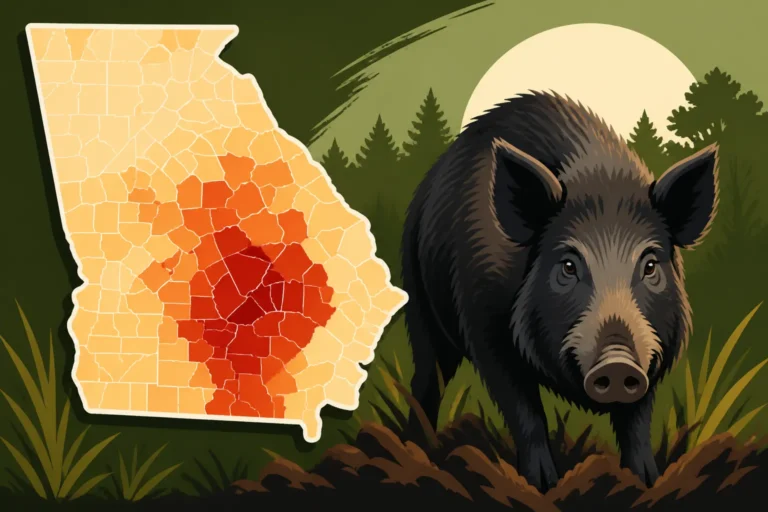
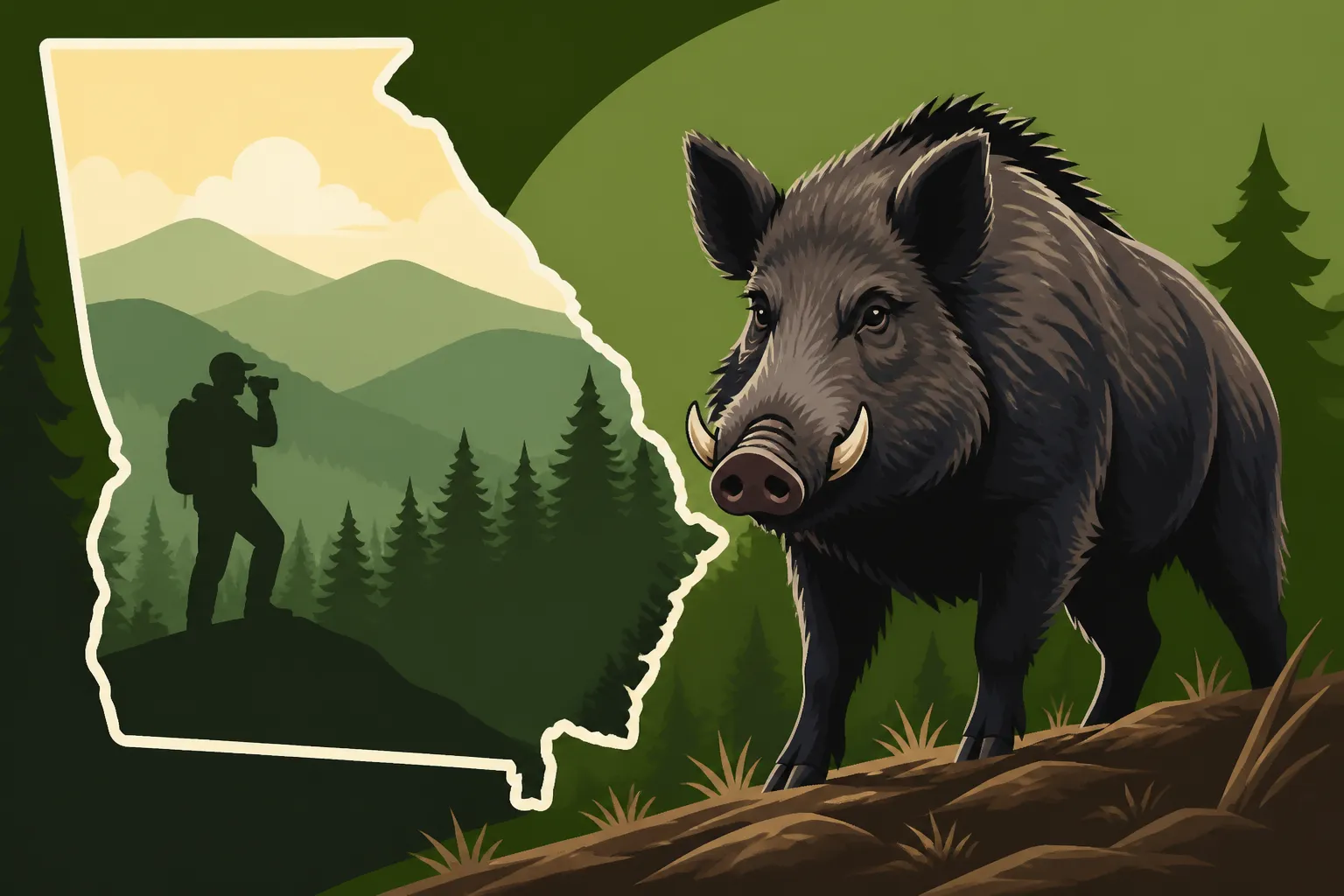
It's no secret that Georgia has a significant feral hog problem, but for a long time, many folks in North Georgia considered it a South Georgia issue, something that happened down in the swamps and pine flats. That comfortable notion is rapidly changing, and more and more hunters and landowners are scratching their heads, seeing signs of these destructive animals popping up in places they never expected. This guide will help you understand why feral swine are making their way into the mountains and Piedmont, how to identify their presence, and what you can do about it.
The Shifting Hog Landscape: Why They're Moving North
For years, the perception was that feral hogs were largely confined to the warmer, more agricultural, and swampy regions of South and Central Georgia. While those areas still bear the brunt of the population, these incredibly adaptable animals are proving they can thrive just about anywhere, including the rolling hills of the Piedmont and even the rugged terrain of the Appalachian foothills. It's a frustrating reality for many who cherished the relative absence of this particular nuisance.
Habitat Adaptability and Expansion
One of the primary reasons we're seeing more feral swine sightings in North Georgia is their sheer adaptability. These aren't picky eaters; they'll root for tubers, munch on acorns, raid agricultural fields, and even scavenge carrion. Their ability to switch food sources, coupled with their rapid reproduction rates, means they can quickly establish themselves in new areas. The vast hardwood forests of North Georgia, particularly when they're producing a good mast crop, offer an abundant food supply that makes these areas attractive. Combine that with dense thickets and creek bottoms for cover, and you have prime hog habitat, even if it looks vastly different from the coastal plain swamps.
Furthermore, human actions, both intentional and unintentional, have contributed to their spread. While moving live hogs is illegal and highly discouraged, it unfortunately still happens. People might transport them for hunting purposes or release them, unwittingly (or sometimes knowingly) accelerating their geographic expansion. Once a small group establishes itself, it's only a matter of time before their numbers explode, pushing them into adjacent territories. This is how pockets of hogs can suddenly appear, seemingly out of nowhere, miles from established populations.
Trailblazing Along River Systems and Corridors
Think about the major river systems that flow through Georgia, like the Etowah, the Chattahoochee, and the Oconee. These aren't just waterways for fish and kayakers; they act as natural highways for wildlife, including feral hogs. Hogs are surprisingly good swimmers and will use river bottoms and riparian corridors as safe travel routes, moving unseen through dense vegetation and crossing property lines with ease. These linear features provide consistent access to water, cover, and diverse food sources along their banks.
A small group might start in a less populated area downriver and gradually push upstream, establishing new sounders (groups of hogs) as they go. A hunting club or landowner might notice sign along a creek, and within a year or two, their property has a resident population. It's a slow, creeping invasion often undetected until the damage becomes undeniable. Knowing how to Scouting Georgia Public Land Before Season can help you spot these travel corridors before the season even starts, giving you an edge. This method of dispersal can be particularly frustrating for landowners who have meticulously managed their properties for deer or turkey, only to find their efforts undermined by rooting hogs.
Identifying Feral Swine and Their Sign
So, you're hearing whispers or maybe even seeing some suspicious activity on your property or local public land. The first step is confirming it's actually feral swine. While they share some characteristics with domestic pigs, wild hogs have distinct features and leave very specific calling cards that are hard to miss once you know what to look for.
Visual Confirmation and Tracks
Spotting a feral hog can be tricky. They are often nocturnal or crepuscular (active at dawn and dusk), especially in areas with human pressure. Wild hogs typically have coarse, bristly hair that can range from black to brown, red, or even spotted. They often appear leaner and more muscular than their domestic counterparts, with longer snouts and tusks (canine teeth) that can protrude menacingly from the mouths of older boars. If you do catch a glimpse, they're usually skittish and will bolt.
Tracks are a more common way to confirm their presence. Feral hog tracks are cloven, meaning they have two toes, much like deer. However, hog tracks are generally rounder and wider than deer tracks, and crucially, the dewclaws (the two smaller toes higher up on the leg) often register in the mud, especially on softer ground, leaving four distinct prints. Deer dewclaws rarely show unless they are running or sinking deep into the mud. Look for a wide, splayed appearance. You can often find these tracks along creek banks, muddy trails, or near rooting areas. Pay attention to how the tracks are grouped; hogs travel in family units called sounders, so you'll often see multiple tracks of varying sizes together.
The Tell-Tale Signs of Rooting and Wallowing
This is perhaps the most obvious and infuriating sign of feral swine: their destructive rooting behavior. Hogs use their powerful snouts to dig into the ground, turning over soil, tearing up vegetation, and creating a veritable minefield of overturned dirt. They're searching for roots, tubers, grubs, and fungi. This rooting can range from small, disturbed patches to extensive, churned-up acreage, resembling a roto-tilled field. If you see large areas of disturbed soil, especially in moist or shaded areas, that's a huge red flag. This damage isn't just unsightly; it can destroy food plots, damage crops, and destabilize soil, leading to erosion.
Wallows are another unmistakable sign. Hogs love to cool off and coat themselves in mud, which helps regulate their body temperature and can also remove parasites. These wallows are typically shallow, muddy depressions, often found near water sources like creeks, ponds, or even seeps in the woods. You might even see rub marks on nearby trees where they've scratched off the mud, leaving behind hair and mud streaks. The bigger the hog, the bigger the wallow, and these areas can become foul-smelling and contribute to water contamination if they're close to a stream.
Here's a quick comparison of common animal signs you might encounter:
| Sign Type | Feral Hog | White-tailed Deer | Raccoon | Coyote |
|---|---|---|---|---|
| Tracks | Rounder, splayed, dewclaws often show | Heart-shaped, pointed, dewclaws rarely show | Hand-like, five toes, distinct fingers | Oval, four toes, claw marks visible |
| Scat | Varies widely with diet, often segmented | Pellets (often clumped or separate) | Tubular, often contains berries/seeds | Rope-like, often contains hair/bone |
| Feeding | Extensive rooting, torn up ground | Browsing (clipped twigs), eating acorns | Foraging (under rocks, near water) | Predation (kills, scattered remains) |
| Body Rubs | Mud/hair rubs on trees (wallowing) | Antler rubs on saplings, bark scrapes | Climbing trees, leaving claw marks | Rubbing on scent posts, territorial marking |
| Other Signs | Wallows, fresh tusk marks on trees | Beds (depressions in leaves), deer trails | Den sites (hollow logs, tree cavities) | Howling, territorial urine marks |
Impact on North Georgia Ecosystems and Property
The arrival of feral swine in North Georgia isn't just an inconvenience; it represents a serious threat to both the region's delicate ecosystems and the financial well-being of landowners, farmers, and even the local hunting economy. Their destructive habits can cascade through various aspects of the environment.
Ecological Damage to Forests and Wildlife
North Georgia's forests, with their rich understory and diverse tree species, are particularly vulnerable to hog damage. Feral swine love to root up native plants, destroying delicate wildflowers, tree seedlings, and the forage that deer, turkey, and other native species rely on. This can lead to a significant alteration of the forest floor, reducing biodiversity and disrupting natural regeneration cycles. Imagine a stand of young oaks, critical for future mast production, being completely rooted out by a sounder of hogs. That's a direct hit to the future food source for local deer populations. Why Feral Hogs Spread So Fast in Georgia highlights their destructive efficiency.
Beyond plants, their presence impacts other wildlife. Hogs are opportunistic omnivores and will prey on ground-nesting birds like turkeys and quail, eating their eggs and even young poults. They compete directly with native animals for food sources like acorns, putting additional pressure on deer and bear populations, especially during lean years. Their wallowing can also contaminate water sources, affecting aquatic life and potentially spreading diseases to other animals. The long-term ecological consequences can be profound, shifting the delicate balance of these otherwise pristine natural areas.
Agricultural Losses and Property Destruction
For any farmer or landowner with crops in North Georgia, feral hogs are a nightmare. They can devastate fields of corn, soybeans, peanuts, or even small garden plots in a single night. Their rooting not only consumes crops but also makes the field impossible to harvest efficiently, causing significant financial losses. While large-scale agriculture might be less prevalent in the mountains compared to the coastal plain, smaller farms, orchards, and even vineyards are not immune. A sounder of hogs can chew through a fence to access a lucrative food source, ruining not just the crop but also costly infrastructure.
Even if you don't have row crops, the damage extends to pastures, food plots for wildlife, and even manicured lawns. Livestock owners can face issues with hogs damaging fencing, competing for forage, and potentially transmitting diseases like brucellosis or pseudorabies to their domestic animals, though these transmissions are rare. The cost of repairing fences, replanting fields, and mitigating damage can be substantial, adding a frustrating and unexpected burden to property ownership in areas traditionally untouched by these invaders. This creates a challenging situation for managing any outdoor space, private or public.
What to Do If You See Feral Swine
Finding feral swine on your property or public land can feel overwhelming, but there are proactive steps you can take. It’s important to remember that eradication is extremely difficult, but control and mitigation are achievable with consistent effort. This isn't a problem that will go away on its own.
Reporting Sightings and Understanding Regulations
The first step, especially for new sightings in an area, is to report it to the Georgia Department of Natural Resources (DNR) or local wildlife authorities. This helps them track the spread of hogs and understand population dynamics, which is crucial for regional management strategies. While DNR might not dispatch a team for every sighting, your report contributes to a larger dataset that informs their efforts. Knowing which counties are seeing an increase helps wildlife managers allocate resources and potentially adjust hunting regulations or public land management plans.
It’s also critical to understand Georgia's regulations regarding feral hogs. The good news for landowners and hunters is that feral hogs are classified as a nuisance species with no closed season and no bag limit on private land. This means you can hunt them year-round, day or night, with very few restrictions, although some local ordinances may apply. On public lands, hunting is typically restricted to specific seasons and methods, often coinciding with deer or bear seasons. Always check the current regulations for the specific WMA or National Forest land you intend to hunt. For instance, Night Hunting Georgia Alligators From a Boat involves different rules than hog hunting, but the general principle of checking regulations remains.
Hunting as a Control Method
Hunting is one of the most effective tools available for managing feral swine populations. Given their high reproductive rates, simply removing a few individuals isn't enough; consistent and aggressive harvesting is necessary to make a dent. This means exploring various hunting methods that work for your specific property and comfort level. You can pursue them with firearms during daylight hours, or if local ordinances and safety allow, you might consider night hunting with artificial lights. Thermal Hunting Georgia Hogs at Night can be incredibly effective given hogs' nocturnal habits.
Trapping is another highly effective method, especially for removing entire sounders. Large corral traps or box traps, baited with corn, can catch multiple hogs at once. This requires patience and consistency, pre-baiting the trap for several days before setting it to allow the hogs to get comfortable feeding inside. Many hunters also utilize dogs to locate and bay hogs, which can be an exciting and efficient method, especially in dense cover. Running Dogs on Georgia Feral Hogs is a traditional practice that can be very productive. Remember, consistent effort is key. Hunting them opportunistically during deer season, for example, is good, but a dedicated effort specifically targeting hogs will yield better results. When scouting for deer, if you use a tool like GoHunt to review aerial photos and topography, also keep an eye out for areas that might attract hogs, such as dense creek bottoms or newly rooted sections, expanding your hunting strategy.
Exclusion and Property Protection
While hunting helps control populations, sometimes you need to protect specific areas from immediate damage. Fencing is the most effective exclusion method, but it needs to be robust. Standard agricultural fences often aren't enough; hogs are powerful and determined. Electric fences, particularly with multiple strands close to the ground, can be very effective. A low-lying hot wire at snout height (6-8 inches off the ground) can deter them from rooting under a fence, and another at body height can stop them from pushing through.
For small, high-value areas like a garden or small food plot, a combination of sturdy woven wire (hog wire) and electric strands is ideal. The initial investment can be significant, but it pays off by protecting crops and property from destruction. It's a proactive measure that, when combined with hunting and trapping, offers a comprehensive approach to managing this persistent problem. Remember, these animals learn quickly, so your strategies need to be dynamic. Even when you're looking for new areas to hunt deer or turkey, mapping tools like those from GoHunt can help you identify open field edges or creek bottoms where hog activity might be more prevalent, guiding your efforts to protect sensitive areas on your own property, or find new spots for hog hunting.
Disclaimer
This article is for general informational purposes only and does not constitute professional advice. Laws, prices and regulations vary by location and change over time. Consult a qualified professional for guidance on your specific situation.