Georgia Mallard and Wood Duck Numbers
For many Georgia waterfowl hunters, nothing beats the sight of ducks cupping their wings, preparing to land in a flooded timber hole or a marshy impoundment. But figuring out where the ducks are, and how many are around, especially for specific species like mallards and the ever-present wood ducks, can feel like chasing a ghost. This guide is dedicated to helping you understand the dynamics of Georgia's mallard and wood duck populations, offering insights into their behaviors, habitats, and what influences their numbers, so you can make more informed decisions when you hit the water.
Understanding Georgia's Mallard Population Dynamics
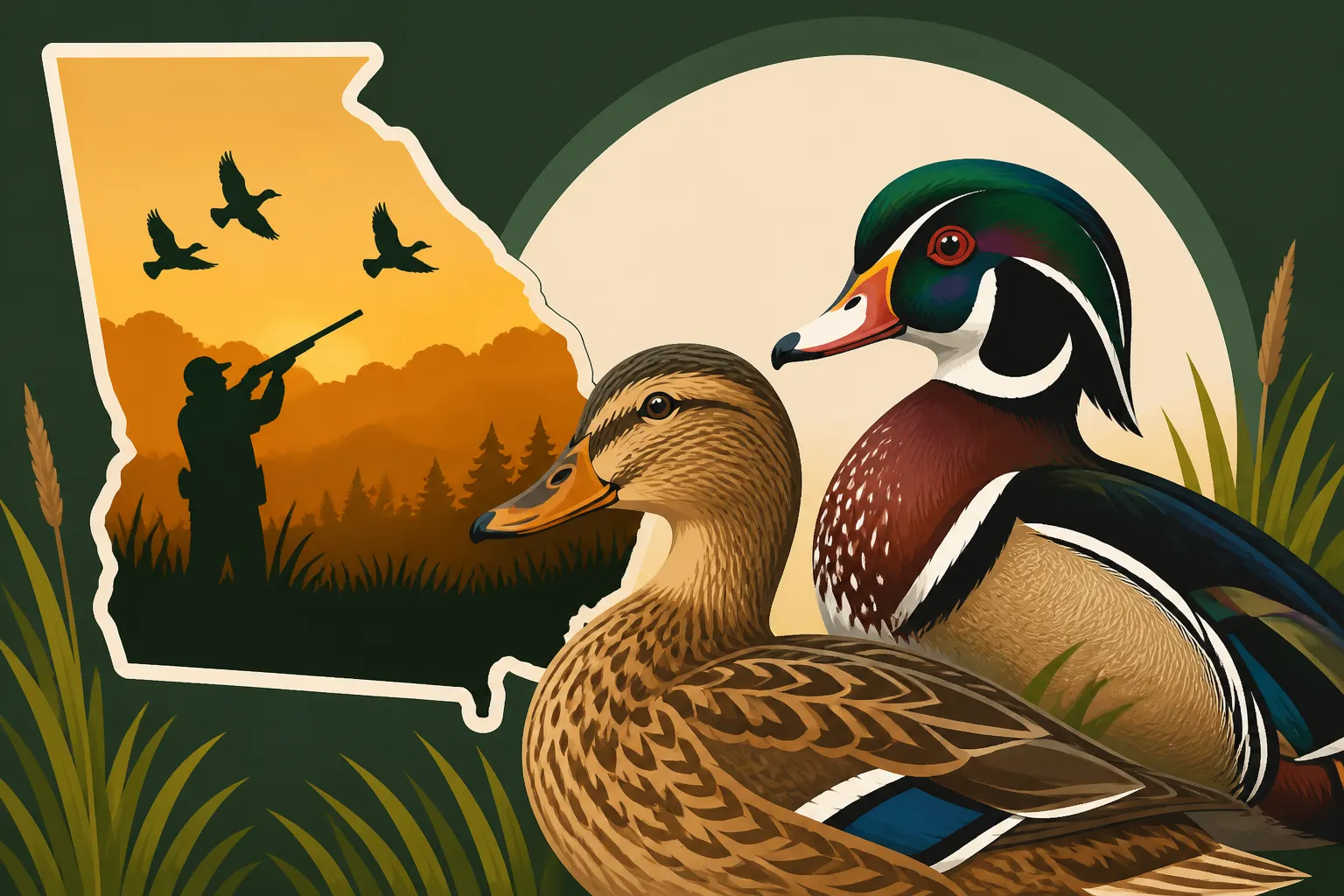
Mallards are, for many, the quintessential duck. Their distinctive green heads on drakes and mottled brown plumage on hens are easily recognizable, and their quacks are iconic. In Georgia, however, their presence as a huntable species is a bit more nuanced than in the prairie states or the Mississippi flyway's northern reaches. We see two main types of mallards here: the migratory birds that pass through or winter, and a smaller, more localized resident population.
The Migratory Mallard Influx
The bulk of the mallards we see in Georgia during hunting season are migratory birds, having bred far to our north in places like the Canadian prairies, the Great Lakes region, or even further north in the Mississippi and Atlantic Flyways. Their arrival in our state is heavily dependent on weather patterns and food availability upstream. Cold fronts pushing south, or northern wetlands freezing over, often trigger these mass movements. When conditions are right, we can experience significant influxes of mallards, especially in central and south Georgia where agricultural fields and larger river systems provide ample food and roosting habitat.
These migratory mallards are typically concentrated in areas with abundant natural food sources like acorns in flooded timber, or waste grain in harvested corn and soybean fields. They are also drawn to managed impoundments that offer ideal feeding and resting conditions. The challenge for Georgia hunters is that these birds are often just passing through or might only stay for a period before moving further south if conditions allow. Their numbers can fluctuate wildly from week to week, making scouting crucial. Many experienced hunters rely on tools and mapping applications, like those found on GoHunt, to help identify potential feeding and roosting sites.
Georgia's Resident Mallards
While not as numerous as their migratory cousins, Georgia does have a population of resident mallards. These are birds that breed and live in the state year-round. You'll often find these mallards in smaller, more secluded wetlands, often associated with agricultural areas or smaller river drainages, far from the bustling public lands. They tend to be a bit shier and more acclimated to local conditions, often flying distinct patterns between feeding and roosting areas.
Identifying a resident mallard from a migratory one in the air can be tough, but generally, the resident birds might show less wear and tear on their plumage and can be found earlier in the season before the big push of northern birds arrives. Managing habitat to support these local breeders is a vital part of conservation efforts, ensuring that even if migration patterns shift, Georgia still contributes to the overall mallard population. Understanding Georgia Waterfowl Hunting on Coast and Swamp can provide additional context on how habitat types influence these populations.
The Steadfast Presence of Wood Ducks in Georgia
If mallards are the flashy, often unpredictable visitors, wood ducks are the reliable, emerald-crested jewels of Georgia's waterways. They are undeniably one of the most popular ducks to pursue in the state, and for good reason: they are abundant, widely distributed, and offer thrilling close-quarters hunting opportunities.
A Strong Resident Population
Unlike mallards, the vast majority of wood ducks found in Georgia are year-round residents. They breed here, raise their young here, and often spend their entire lives within a relatively small geographic area. This makes their population numbers much more stable and predictable from year to year, assuming their habitat remains intact. Georgia's extensive network of swamps, beaver ponds, slow-moving rivers, and flooded woodlands provides ideal breeding and feeding grounds.
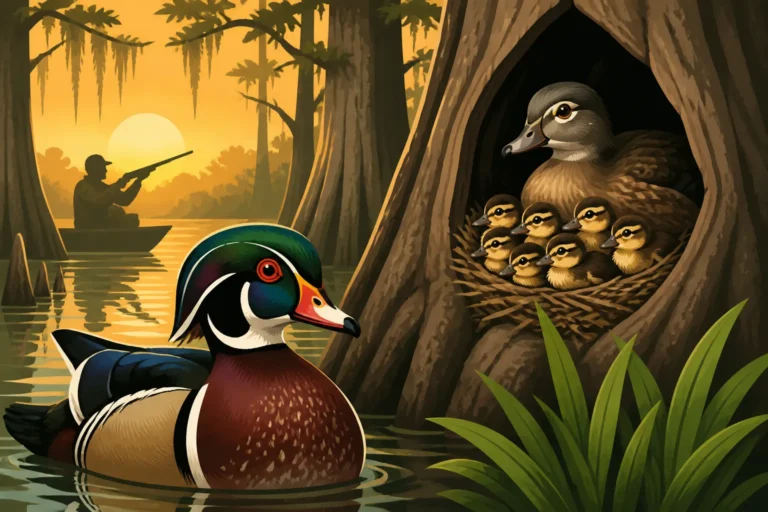
Wood ducks are cavity nesters, relying on natural tree hollows or artificial nesting boxes for their broods. This specific nesting requirement ties them closely to mature timber, especially in bottomland hardwood forests. Their strong resident numbers mean that even on days when migratory ducks are scarce, a diligent hunter can often find wood ducks working their way through the timber. This species thrives in the very places that make Georgia hunting so unique, offering consistent opportunities. For more on targeting them, see Pass-Shooting Georgia Wood Ducks.
Habitat Dependence and Distribution
Wood ducks are incredibly dependent on specific habitats that are abundant across much of Georgia. From the mountainous regions with their narrow creek bottoms to the expansive swamps of the coastal plain, wood ducks find suitable homes. They are particularly fond of heavily vegetated, shallow-water environments where they can feed on acorns, seeds, and aquatic insects. The presence of mature hardwoods with plenty of tree cavities for nesting is critical to their success.
Urbanization and development pose ongoing threats to these vital habitats, particularly the loss of bottomland hardwoods and riparian zones. Conservation efforts aimed at protecting and restoring these critical areas are paramount to maintaining healthy wood duck populations. Programs that encourage landowners to install nesting boxes or manage their timber for wildlife benefit these birds immensely. You can often find strong wood duck populations on public lands like many of the Wildlife Management Areas (WMAs) and portions of the National Forest that contain suitable creek bottoms and riverine habitats. Learning about Wood Ducks Nesting in Georgia Swamps further illustrates their reliance on specific environments.
Factors Influencing Duck Numbers and Hunter Success
Understanding the raw numbers of mallards and wood ducks is one thing, but knowing why those numbers fluctuate or where birds might be concentrated requires a deeper dive into the environmental factors at play. These factors directly impact both population health and your success in the field.
Weather Patterns and Migration
For migratory mallards, weather is arguably the most dominant factor. Mild winters in the Midwest and Northeast can mean fewer birds are pushed down to Georgia, as they find sufficient open water and food closer to their breeding grounds. Conversely, severe cold fronts or early freezes can send waves of mallards into Georgia, temporarily boosting numbers. Water levels also play a huge role; too much rain can spread birds out across vast areas, making them harder to concentrate, while droughts can force them into fewer, more obvious water sources.
Knowing the weather conditions to our north, and using resources like weather forecasts and migration reports (often available through hunting apps or conservation group websites like those that GoHunt integrates with), can give hunters an edge. Similarly, monitoring local rainfall and river gauges can indicate whether your favorite flooded timber hole will be huntable or if the beaver ponds will be full. Detailed information on Duck Migration Timing Through Georgia can further enhance your understanding.
Habitat Availability and Quality
Both mallards and wood ducks, whether resident or migratory, are ultimately dependent on the availability and quality of suitable habitat. This includes not just water, but also diverse vegetation for food and cover. For wood ducks, mature timber with nesting cavities is irreplaceable. For mallards, a mix of open water, flooded timber, and waste grain fields provides ideal wintering conditions. Habitat degradation, whether from agricultural practices, development, or improper forestry, directly impacts duck numbers.
Conservation groups and state agencies work tirelessly to protect and restore critical wetlands, manage public lands, and educate private landowners on beneficial habitat practices. Prescribed burning, planting specific food crops, and maintaining healthy hydrological cycles are all part of the complex puzzle of sustaining robust duck populations. Hunters play a critical role here, too, by supporting these efforts through license purchases and voluntary contributions. Hunting Flooded Timber for Mallards is a prime example of a habitat-dependent tactic.
Hunting Pressure and Regulations
Georgia's duck hunting seasons and bag limits are carefully designed based on population estimates and biological data to ensure sustainable harvests. While hunting itself is not a primary driver of overall population decline for most well-managed species, localized hunting pressure can definitely influence how ducks use certain areas. Heavily hunted public lands, for instance, often see ducks become warier, flying higher, or moving into harder-to-reach refuges.
Understanding and adhering to all regulations, including Georgia HIP Certification for Bird Hunters and Where Nontoxic Shot Is Required in Georgia, is crucial for responsible hunting and ensuring the long-term health of duck populations. These rules are in place for a reason and contribute directly to conservation. Moreover, observing daily and seasonal bag limits helps distribute the harvest across the population.
Here’s a quick comparison of our two key species:
| Feature | Mallard | Wood Duck |
|---|---|---|
| Primary Status | Primarily migratory winter visitor | Primarily resident year-round breeder |
| Habitat Focus | Large open water, agricultural fields, flooded timber | Heavily wooded swamps, beaver ponds, river bottoms |
| Nesting | Ground nester in dense cover | Tree cavity nester (natural or boxes) |
| Diet | Grains, seeds, aquatic vegetation, invertebrates | Acorns, seeds, aquatic insects, berries |
| Population Trend | Fluctuates based on northern breeding and migration | Generally stable, habitat-dependent in GA |
| Typical Behavior | Often rafts in larger groups, wary | Flies through timber, smaller flocks, skittish |
Contributing to Georgia's Duck Conservation
As hunters, we have a direct stake in the health of Georgia's waterfowl populations. Our passion for the pursuit naturally leads to a desire to ensure these resources are available for future generations. There are several ways you can actively contribute to maintaining healthy mallard and wood duck numbers in our state.
Supporting Habitat Protection and Restoration
The single most impactful thing we can do for ducks is to ensure they have high-quality places to live, breed, and feed. This means supporting organizations like Ducks Unlimited, Delta Waterfowl, and local conservation groups that focus on wetland acquisition, restoration, and management. Your membership fees, donations, and volunteer hours directly translate into acres of revitalized habitat. It's not just about stopping habitat loss; it's about actively creating and improving it.
Even on a smaller scale, if you own or manage land with suitable water features, consider enhancing it for waterfowl. Planting specific food plots, creating shallow water impoundments, or installing wood duck nesting boxes can make a significant difference, especially for resident wood duck populations. The more patches of good habitat there are across the state, the more resilient our duck populations will be. Think of it as investing directly in your future hunting opportunities.
Responsible Hunting Practices
Beyond simply following the law, responsible hunting practices contribute to healthy duck populations. This includes ethical shot placement to minimize crippling losses, diligent retrieves, and adhering to bag limits. It also means spreading out hunting pressure. If you hunt public land, consider venturing further from easy access points, as detailed in Finding Ground Others Walk Past. This not only makes you a better hunter but also gives birds a break from constant harassment in popular spots.
Furthermore, being mindful of your impact on the birds' resting and feeding cycles is key. Avoid disturbing large roosting areas unless you are actively hunting them. Giving ducks periods of peace and quiet allows them to feed and conserve energy, which is particularly important during the colder months when food sources can be scarce. Remember that the Georgia Department of Natural Resources utilizes data to set seasons and limits, which you can learn more about by understanding Georgia Duck Zone Boundaries.
Education and Advocacy
Finally, sharing your knowledge and passion for waterfowl with others is a powerful conservation tool. Educate new hunters on the importance of habitat, regulations, and ethical practices. Talk to landowners about wildlife-friendly land management. Advocate for policies that protect wetlands and natural resources. The more voices we have supporting conservation, the better off our ducks will be.
Staying informed about current waterfowl trends, research, and local conservation initiatives will make you a better steward of the resource. Resources like GoHunt can provide some of the information you need, but also connect with your local Georgia Department of Natural Resources biologists and conservation groups. Their expertise is invaluable. By understanding the numbers and the factors behind them, we can ensure that the distinctive calls of mallards and the swift flights of wood ducks continue to be a cherished part of Georgia's outdoor heritage.
Disclaimer
This article is for general informational purposes only and does not constitute professional advice. Laws, prices and regulations vary by location and change over time. Consult a qualified professional for guidance on your specific situation.