Poult-to-Hen Ratios and What They Mean
It's a frustrating feeling, isn't it? You spend hours in the spring woods, trying to coax a tom into range, and sometimes, the silence is deafening. Or maybe you've had a banner year, gobblers everywhere. What drives these swings in turkey populations, and how can we, as hunters, make sense of it all? This guide will dive deep into a key piece of that puzzle: poult-to-hen ratios, explaining what they are, why they matter so much for Georgia's wild turkeys, and how understanding them can make you a more informed and successful hunter.
What Exactly is a Poult-to-Hen Ratio?
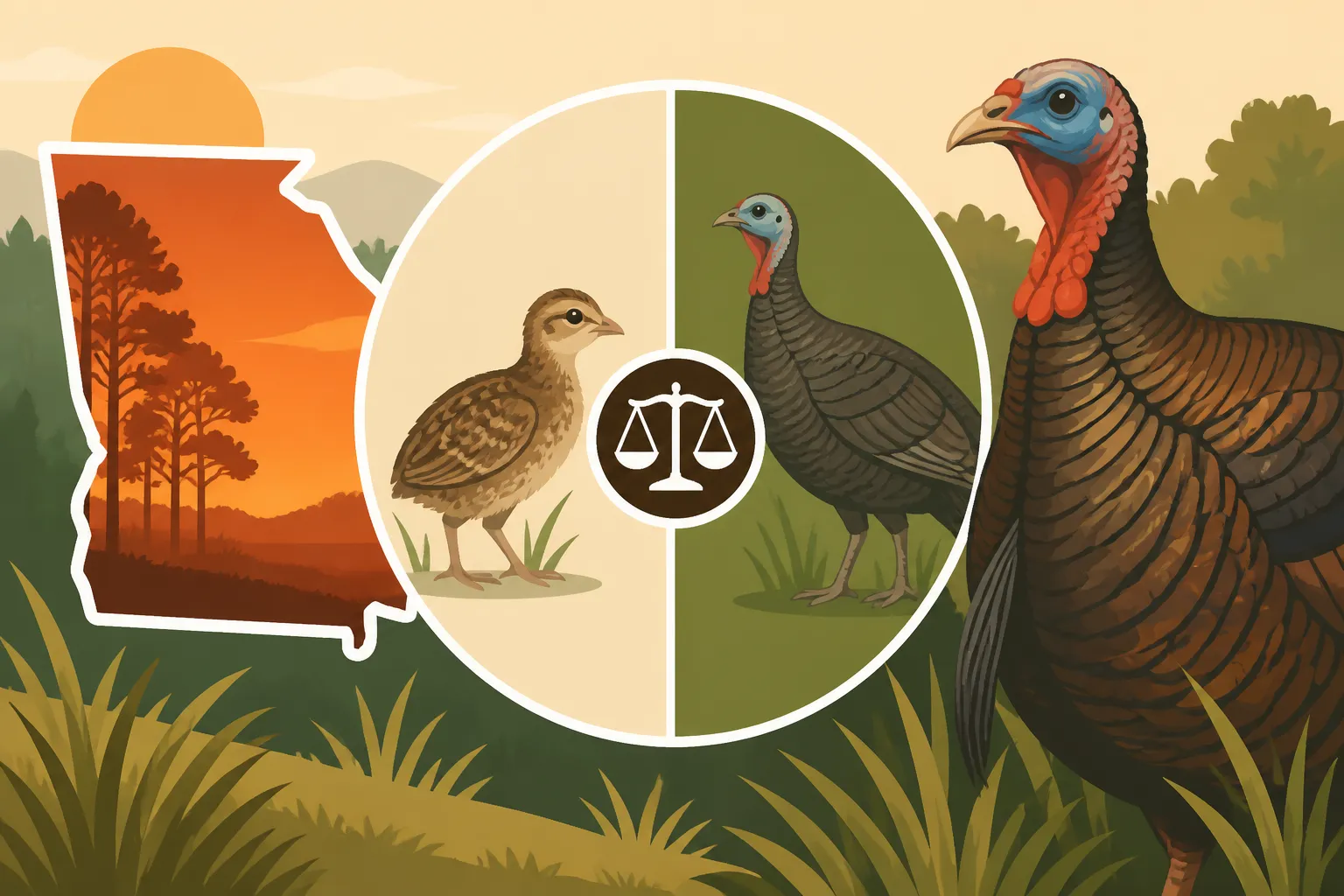
When we talk about poult-to-hen ratios, we're discussing a crucial metric wildlife biologists use to gauge the reproductive success of wild turkey populations. In simple terms, it's the number of turkey poults (young turkeys, essentially chicks) observed per adult hen (female turkey) during a specific survey period, usually in late summer. This ratio gives us a snapshot of how many young birds survived their first few weeks or months and are likely to make it to the next hunting season.
Why This Ratio Is So Important for Turkey Populations
Think of the poult-to-hen ratio as the report card for the turkey breeding season. A high ratio indicates a successful year for turkey reproduction, meaning lots of young birds hit the ground and survived early perils. This bodes well for the overall population health and future hunting opportunities. Conversely, a low ratio signals a tough year – perhaps fewer successful nests, high poult mortality, or a combination of factors.
This isn't just a number for biologists; it's a window into the future for hunters. If the ratio is strong, we can anticipate a healthy cohort of jakes and adult gobblers in the coming seasons. If it's weak, we might face a leaner few years, with fewer birds to pursue. Understanding these numbers helps us manage our expectations and appreciate the cyclical nature of wild game populations. It’s all about sustainable hunting, and these ratios are a cornerstone of that understanding, informing decisions around regulations like the Georgia Spring Turkey Bag Limit.
How Data is Collected in Georgia
Across Georgia, wildlife agencies like the Department of Natural Resources (DNR) rely on a network of observers—often their own staff, but sometimes also cooperating landowners and hunters—to collect this vital data. These folks conduct brood surveys, typically from June through August, when poults are still small and easily identifiable with their mothers. They record the number of hens observed and the number of poults accompanying them.
This data is then compiled regionally and statewide to give a comprehensive picture. It's not always perfect, of course; wild turkeys are masters of camouflage, and counting every single poult is impossible. But over time, these surveys provide valuable trend data, allowing biologists to see patterns and make informed management decisions, helping to explain Why Georgia Turkey Numbers Declined in certain areas or years, and what might be done to help them rebound.
Why Georgia's Poult-to-Hen Ratios Fluctuate
Georgia's diverse landscapes, from the Appalachian foothills to the coastal plain, offer a variety of habitats for wild turkeys. However, this diversity also means different challenges, and poult-to-hen ratios can swing wildly from year to year, influenced by a complex web of environmental factors.
The Impact of Weather Patterns
Perhaps the most significant factor affecting poult survival is weather, especially during the critical nesting and brooding periods in late spring and early summer.
- Heavy Rains and Flooding: Georgia is no stranger to spring thunderstorms and prolonged wet spells. For newly hatched poults, which are incredibly vulnerable to cold and dampness, heavy rains can be deadly. They chill easily and can succumb to hypothermia, particularly if their mother hen can't keep them warm and dry. Flooding in low-lying areas, like many of our river bottoms, can also destroy nests before eggs even hatch.
- Drought Conditions: While less direct than heavy rain, prolonged drought can also indirectly impact poult survival. It can reduce the availability of crucial insect populations, which are a primary food source for growing poults. Dry conditions might also make it harder for hens to find water, although turkeys are generally quite resilient to heat.
- Temperature Extremes: Unseasonably cold snaps after hatching can be devastating, just like excessive heat can stress young birds. Poults need a stable environment to thrive, and Georgia's unpredictable spring weather can often deliver extremes.
Predation Pressure on Nests and Poults
It's a tough world out there for a baby turkey. Predation is a constant threat, and high predator numbers can decimate a turkey crop, even in years with otherwise favorable conditions.
- Mammalian Predators: Raccoons, opossums, coyotes, bobcats, and even feral hogs are notorious nest predators. They'll readily sniff out and destroy turkey nests, consuming eggs or killing poults. Feral Hogs Across Georgia, for instance, are a significant concern, as they are opportunistic feeders and can destroy large areas of prime nesting cover while also preying on eggs and poults. The sheer number of these predators in some areas makes it incredibly challenging for turkeys to succeed.
- Avian Predators: Hawks and owls can also take a toll on young poults, especially when they are small and less agile. While usually less impactful than mammalian predators on an entire brood, they contribute to the overall mortality.
- Habitat and Cover: Good nesting and brooding habitat provide crucial cover against predators. If habitat quality is poor, or if dense cover is lacking due to land management practices or natural events, poults are more exposed and vulnerable. This is why initiatives focused on "Longleaf Pine and Quail Habitat" and similar efforts also benefit turkeys.
Habitat Quality and Food Availability
The quality of the habitat directly influences a hen's ability to successfully raise a brood.
- Nesting Cover: Hens need dense, herbaceous cover to create a camouflaged nest that's safe from predators. This often means thick grass, briars, and low-lying shrubs. If these areas are scarce due to agricultural practices, urban sprawl, or aggressive bush-hogging, hens struggle to find safe places to lay eggs.
- Brooding Cover: Once hatched, poults need areas with a good mix of overhead cover (to hide from aerial predators) and open understory (to forage for insects). Think open pine stands with good herbaceous growth, or field edges. These "bugging grounds" are essential for poult growth and development.
- Insect Populations: Young poults primarily feed on insects for their first few weeks, which are rich in protein and vital for rapid growth. Factors that reduce insect populations, such as widespread pesticide use or prolonged drought, can negatively impact poult survival rates by limiting this critical food source.
How Hunters Can Use Ratio Data
Understanding poult-to-hen ratios isn't just academic; it has practical implications for your hunting strategy, helping you to make more informed decisions about when and where to hunt, and what to expect in the field.
Interpreting the Numbers for Your Area
When you see a poult-to-hen ratio released by Georgia DNR, whether it's statewide or for a specific region, don't just glance at it. Take a moment to truly interpret what it means for your hunting grounds.
- High Ratio (e.g., 2.5 or higher poults per hen): This is fantastic news! It indicates a very successful breeding season. You can expect to see a good number of jakes (yearling gobblers) in the upcoming spring season, as well as two-year-old and older gobblers from previous strong hatches. This is the kind of year where you might consider hitting your favorite public lands for the "Public-Land Turkey Opener in April" with high hopes. It means the population is healthy and growing, offering excellent hunting opportunities for the next few years.
- Moderate Ratio (e.g., 1.5 to 2.4 poults per hen): A moderate ratio suggests an average breeding season. The population is likely stable, but you might not see an explosion of young birds. This is a typical year, and you can still expect good hunting, but perhaps with fewer jakes than in a boom year. Persistence and thorough scouting, like learning "Turkey Tactics for Piedmont Field Edges", will be key.
- Low Ratio (e.g., below 1.5 poults per hen): This signals a tough year for turkey reproduction. Expect fewer jakes in the coming spring, and potentially fewer two-year-old gobblers in subsequent seasons. Hunting might be more challenging, requiring extra effort in scouting and calling. This doesn't mean there are no turkeys, but the recruitment of new birds into the population was limited. You might consider adjusting your approach, perhaps focusing on "Roost Hunting Georgia Gobblers" to locate birds rather than relying on widespread activity.
Keep in mind that ratios are often reported for broader regions. If you hunt a specific county or WMA, try to find local data if available, or consider how the regional trend might apply to your specific habitat. For example, a low statewide ratio might be offset by a pocket of excellent habitat in a particular area that had favorable local conditions.
Adjusting Your Hunting Strategy Based on Trends
Understanding these ratios allows you to strategically adjust your approach, both short-term and long-term.
- In Years Following a High Ratio:
- Expect More Jakes: You'll likely encounter more enthusiastic, less wary jakes. These birds are often more responsive to calls and can provide exciting hunting, even if they aren't the trophy longbeards.
- Increased Competition: A strong turkey population can also mean more hunters in the woods, especially on popular public lands. Consider "Run-and-Gun Turkey Tactics on Public Land" to cover more ground and find less-pressured birds.
- Focus on Carrying Over Birds: While jakes are fun, try to target older birds if possible to help ensure future breeding success.
- In Years Following a Low Ratio:
- Patience is Key: You might need to work harder and be more patient. Birds might be scarcer, and older gobblers might be warier.
- Intensive Scouting: Dedicate more time to "Scouting Georgia Public Land Before Season" to pinpoint prime habitat and locate any active gobblers. Use mapping tools to identify potential roosting areas, feeding grounds, and travel corridors. Tools like GoHunt can be invaluable here for overlaying different habitat types and identifying key features that might hold birds even in lean years.
- Focus on Habitat: Concentrate your efforts on areas with the best habitat, especially those with good nesting and brooding cover, which might have buffered the local turkey population from broader declines. This could be thick creek bottoms, mature pine stands with open understories, or field edges bordering dense woods.
- Consider Conservation: These years are a good reminder of the importance of sound conservation practices. Supporting organizations that improve turkey habitat or practicing selective harvesting can help populations recover.
Here’s a quick overview of how poult-to-hen ratios might guide your thinking:
| Poult-to-Hen Ratio | Interpretation for Next Season | General Hunting Strategy |
|---|---|---|
| High (2.5+) | Excellent recruitment of young birds; strong population growth. | Expect abundant jakes; potential for multiple shot opportunities. Focus on locating birds and navigating increased hunter traffic. |
| Moderate (1.5-2.4) | Stable population; average recruitment. | Good hunting, but perhaps fewer jakes. Focus on persistent calling and thorough scouting to find active birds. |
| Low (Below 1.5) | Poor recruitment; population likely declining or struggling to maintain numbers. | More challenging hunting; fewer jakes. Prioritize intensive scouting, focus on prime habitat, and exercise patience. |
Looking Ahead: The Future of Georgia Turkeys and Ratios
The poult-to-hen ratio is a vital tool, but it's just one piece of the puzzle when it comes to understanding and ensuring the future of wild turkeys in Georgia. Ongoing research, habitat management, and hunter cooperation are all essential.
Long-Term Trends and Management Implications
Georgia's turkey population has seen its ups and downs. After a remarkable recovery from near extirpation, numbers have stabilized in many areas, but some regions have experienced declines, which led to important discussions like "Why Georgia Dropped the Turkey Limit to Two." Analyzing poult-to-hen ratios over several years allows biologists to identify long-term trends rather than just reacting to single-year fluctuations.
If ratios consistently remain low in a particular region, it signals a deeper problem that may require more significant management interventions. This could include habitat improvement projects, intensified predator control in specific areas, or even further adjustments to hunting regulations, such as shortening seasons or reducing bag limits, to protect the breeding stock. Conversely, consistent high ratios indicate a healthy, thriving population that can sustain current hunting pressure. These trends are often shared through DNR reports, and familiarizing yourself with Georgia's "Turkey Population Trends" can offer valuable context.
The Role of Habitat Management
Ultimately, the success of turkey reproduction hinges largely on the quality of their habitat. Good habitat provides everything a turkey needs: safe nesting sites, insect-rich brooding grounds, and ample food and water sources.
- Prescribed Burns: Many of Georgia's forest ecosystems, particularly in the Coastal Plain, evolved with fire. Prescribed burns are a critical management tool for creating and maintaining the open understory and herbaceous growth that turkeys (and quail) thrive in. These burns reduce dense woody vegetation, allowing sunlight to reach the forest floor and stimulate the growth of beneficial plants and insects.
- Timber Management: Thoughtful timber practices, such as thinning pine stands or creating diverse age classes of timber, can also improve turkey habitat. Clear-cuts, when properly managed, can provide excellent early successional habitat for poults for a few years, but mature hardwoods offer crucial food sources like acorns.
- Food Plots: While not a substitute for diverse natural habitat, well-managed food plots can supplement natural food sources, especially during lean times or in areas with limited natural forage. These can provide critical nutrients for hens and poults.
- Edge Feathering: Creating soft edges between different habitat types (e.g., timber and fields) provides important transition zones that turkeys use for travel, feeding, and loafing.
Hunters can play a significant role here, too. If you manage private land, implementing these practices can directly impact the local poult-to-hen ratios. Even on public land, understanding these dynamics helps you identify areas that are likely to hold more birds, like a "Clear-Cut Regrowth Edge" that has recently been thinned or burned.
Hunter Cooperation and Citizen Science
Finally, the future of Georgia's wild turkeys relies heavily on the cooperation of hunters. Adhering to regulations, practicing ethical harvesting, and supporting wildlife conservation efforts are paramount.
Furthermore, many state agencies rely on hunters to report observations. Sometimes, programs allow hunters to submit their own poult-to-hen observations during the summer months. Participating in these "citizen science" initiatives, if available, can provide invaluable data to biologists, making their assessments of reproductive success even more accurate. It’s a way for us, the boots-on-the-ground enthusiasts, to directly contribute to the health and abundance of the birds we cherish.
Understanding poult-to-hen ratios helps us connect the dots between habitat, weather, predation, and ultimately, the number of gobblers we hear in the spring. It fosters a deeper appreciation for the complexities of wildlife management and reinforces our role as stewards of Georgia's incredible natural resources.
Disclaimer
This article is for general informational purposes only and does not constitute professional advice. Laws, prices and regulations vary by location and change over time. Consult a qualified professional for guidance on your specific situation.