Bears Moving Into Metro Atlanta Suburbs
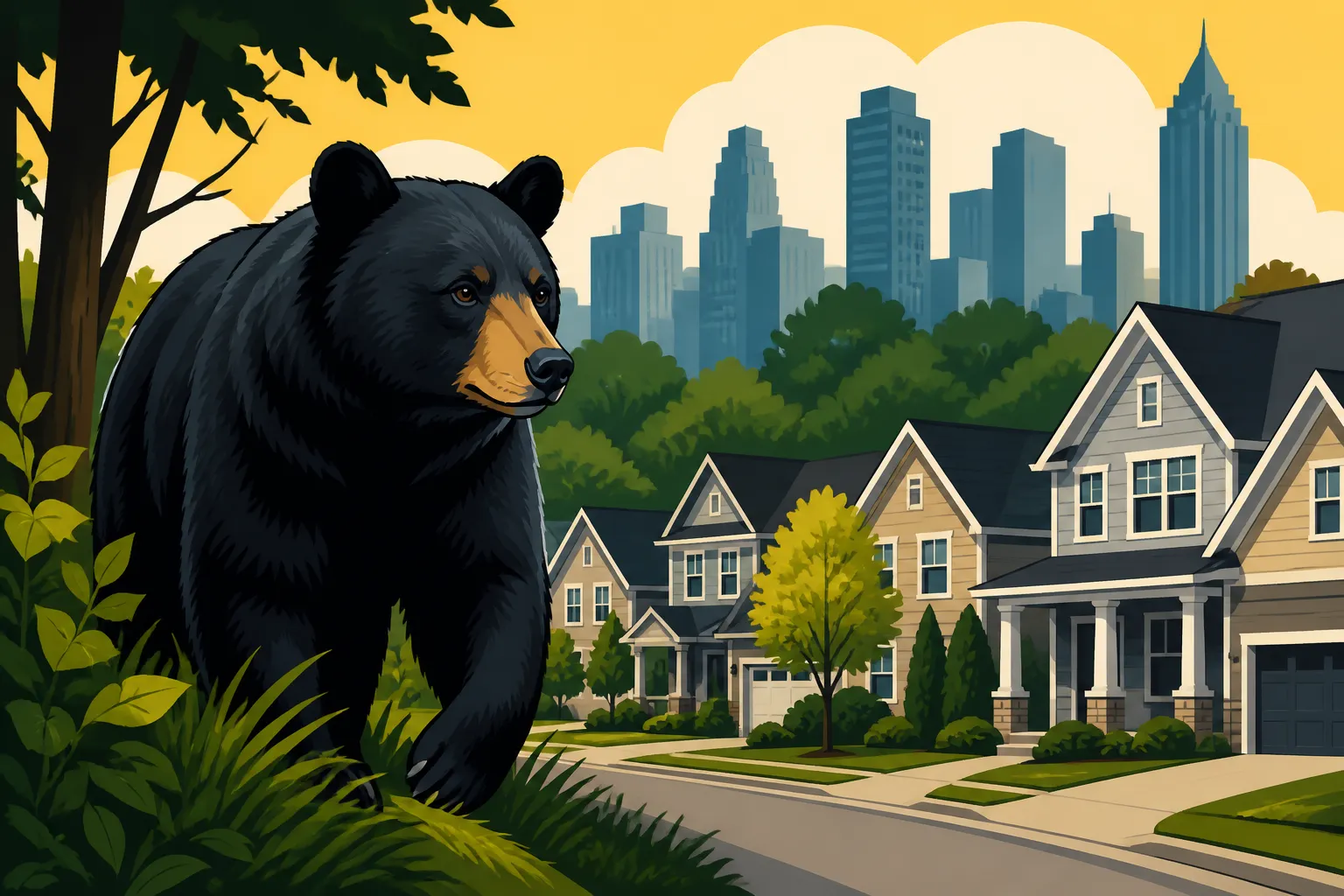
The sight of a black bear lumbering through your backyard in Cobb or Gwinnett County isn't just a surprising novelty; it's a real concern for many suburban Georgians. It can be unsettling to see such a large wild animal so close to your home, school, or local park, sparking worries about safety for pets, children, and even yourself. This comprehensive guide will help you understand why these magnificent creatures are venturing closer to our homes, what proactive steps you can take to minimize encounters, and how to react safely should you come face-to-face with a bear in your neighborhood.
Understanding the Bear's Suburban Expansion
It might seem strange to hear about black bears in the suburbs of Metro Atlanta, places like Roswell, Marietta, or Alpharetta. Many of us associate bears with the deep woods of the North Georgia mountains, like those found in the Hunting the North Georgia Mountain Bear Zone areas. However, the reality is that Georgia's black bear population has been steadily growing and expanding its range for years, and now, those ranges are bumping right up against our sprawling urban edges. This isn't just a random occurrence; there are several underlying factors contributing to this fascinating, and sometimes concerning, shift.
Habitat Fragmentation and Urban Sprawl
One of the primary drivers of suburban bear sightings is the relentless march of urban sprawl. As Metro Atlanta continues to grow, what were once vast tracts of forest and undeveloped land are now being sliced up by new neighborhoods, shopping centers, and highways. Bears, like many wild animals, need large, contiguous areas to thrive. When their traditional habitats are fragmented, they're forced to travel further, often through developed areas, to find food, water, and new territories. Imagine a young male bear, pushed out of his mother's territory, trying to find his own way. He doesn't know where the city limits are; he just follows the most accessible path, which might unfortunately lead him right down a subdivision street. This often explains why we see them crossing major roads or popping up in unexpected places.
These animals are incredibly resilient and adaptable. What might seem like an impenetrable forest to us on a Reading Aerial Photos for Piedmont Deer map can be riddled with human encroachment to a bear. They're constantly navigating a changing landscape, and sometimes, the path of least resistance or the smell of an easy meal leads them directly into our suburban lives. DNR biologists have been tracking this expansion for a while, noting how Georgia's Black Bear Population is thriving and spreading.
The Lure of Easy Food
Let's be honest, our suburban environments are practically a buffet for a hungry bear. Unlike their wild counterparts who spend hours foraging for berries, nuts, and grubs, a bear in a suburban neighborhood can find a high-calorie meal with minimal effort. This is perhaps the biggest draw, and it's almost entirely our fault. Think about it: uncovered garbage cans overflowing with last night's dinner, pet food left out on the porch, bird feeders brimming with seeds, and even outdoor grills with lingering food residue. These are irresistible temptations for an animal driven by its stomach.
A single garbage can can provide more calories than a bear might find in a day's worth of foraging in the woods. Once a bear discovers a reliable food source in a neighborhood, it will absolutely remember it and return. This behavior is learned, and unfortunately, it's often reinforced by residents who, perhaps out of curiosity or a misguided sense of compassion, don't properly secure their attractants. Bears are opportunistic feeders, and they're incredibly intelligent. If your neighbor's trash is accessible, your grill isn't clean, or you're still leaving out the cat's dinner, you're inadvertently sending an open invitation to any bear passing through.
Population Growth and Range Expansion
The good news for conservationists is that Georgia's black bear population is healthy and growing. The state has been successful in managing these populations, leading to increased numbers. As How Many Black Bears Georgia Has illustrates, these numbers reflect a rebounding species. As populations grow, especially in areas like the Where North Georgia Bears Range which are traditional bear strongholds, young bears are often pushed out to find new territories. This natural dispersal means they'll explore new areas, and sometimes those areas are on the fringes of urban development.
While a bear's natural instinct is to avoid humans, hunger or the need for new territory can override that caution. This expansion isn't just limited to the northern parts of the state; we're seeing more activity in the Piedmont region, which includes a lot of the Metro Atlanta area. This natural phenomenon, combined with the availability of human food sources, creates the perfect storm for increased bear sightings in places we traditionally wouldn't expect them. It's a testament to their adaptability, but also a challenge for human residents learning to coexist.
Immediate Actions During a Bear Encounter
Seeing a black bear up close can be a startling experience, whether it's rummaging through your trash or simply passing through your yard. Your immediate reaction is critical, not just for your safety but also for the bear's. Panicking or acting inappropriately can escalate a situation unnecessarily. Remember, most black bears are naturally timid and would rather avoid confrontation, but they are wild animals and deserve respect and caution.
Staying Safe and Assessing the Situation
If you suddenly find yourself face-to-face with a bear, the first and most important rule is to remain calm. Take a deep breath and assess the situation. Is the bear aware of you? What is it doing? Most encounters are with bears simply passing through or investigating a potential food source. Never run. Running can trigger a chase response in many animals, and a bear can easily outrun you. Instead, slowly back away while facing the bear, making yourself look as large as possible. If you have children or pets with you, bring them close.
Make noise, speak in a firm, confident voice. Wave your arms above your head. The goal is to let the bear know you are human and not an easy target. Often, the bear will simply leave the area. Avoid eye contact as this can sometimes be interpreted as a challenge. If the bear stands up on its hind legs, it's usually just trying to get a better look or smell; it's rarely a sign of aggression. Just continue to speak calmly and slowly back away. Knowing how to react safely in these moments is paramount for both parties.
Hazing Tactics and Scaring Bears Away
If a bear is lingering in your yard, especially if it's showing too much comfort around your property, you might need to employ some hazing tactics to encourage it to leave. The idea is to make the experience unpleasant for the bear, associating human presence with negative consequences, which helps prevent future visits. This is particularly important for Bear Encounters Around North Georgia Cabins where bears can become accustomed to human food.
Effective hazing can include yelling loudly, clapping your hands, banging pots and pans, or using an air horn. You can also throw small objects (like pebbles, not food!) in its general direction, aiming to land near it, not directly at it. Spraying a hose at the bear is another option that's often effective. The key is to make a lot of noise and present yourself as a threat, without cornering the animal or putting yourself in danger. Never approach a bear, especially a sow with cubs, as they can be very protective. The aim is to instill a healthy fear of humans, so the bear learns that suburban areas are not safe places to forage. If a bear is getting into your trash repeatedly, these hazing techniques become even more critical to break that learned behavior.
When to Report a Sighting
Not every bear sighting requires a call to Georgia DNR. If a bear is simply passing through your yard and leaves quickly, it's often best to let it go. However, there are specific circumstances when reporting a bear sighting is absolutely necessary. You should contact the Georgia DNR Wildlife Resources Division if a bear is:
- Displaying aggressive behavior towards people or pets.
- Showing no fear of humans or seems unusually comfortable around homes.
- Damaging property consistently, such as repeatedly breaking into homes, cars, or tearing down fences.
- Injured or appears sick. Understanding Georgia Wildlife Disease Monitoring is crucial for the health of both wildlife and humans.
- Unable to leave an area, such as being trapped in a shed or enclosed space.
Prompt reporting of these situations allows wildlife officials to assess the threat and intervene appropriately. They can provide guidance, set traps if necessary, or take other measures to relocate or manage problem bears. Ignoring a potentially dangerous situation or a habituated bear can lead to more serious issues down the line.
Bear-Proofing Your Metro Atlanta Home
The best encounter with a bear is often no encounter at all. Proactive measures to make your property less attractive to bears are by far the most effective way to prevent them from becoming regular visitors in your Metro Atlanta neighborhood. This isn't just about protecting your garbage cans; it's about creating a landscape that offers no easy meals, forcing bears to look for natural food sources elsewhere.
Securing Food Sources and Garbage
This is step number one, and it's perhaps the most important. Bears are drawn by scent, and their sense of smell is incredibly powerful. Your trash is like a neon sign advertising a free meal.
| Attractant | Prevention Strategy |
|---|---|
| Garbage Cans | Use bear-resistant garbage cans with locking lids, or store cans in a secured garage, shed, or sturdy enclosure until the morning of pick-up. If possible, put your garbage out just before the truck arrives. Rinse out food containers before discarding them to reduce odors. |
| Grills and Smokers | After every use, thoroughly clean your grill or smoker. Burn off any food residue, then clean the grates. Store grills in a garage or shed when not in use. Even residual grease can attract bears from a distance. |
| Pet Food | Never leave pet food bowls outside, especially overnight. Feed pets indoors, or immediately bring in any uneaten food. Store large bags of pet food in secure, air-tight containers, ideally indoors. |
| Bird Feeders | Suspend feeders on a wire between two trees (at least 10 feet off the ground and 5 feet away from the trunk) or remove them entirely during bear activity. Spilled seed on the ground is also an attractant. Consider attracting birds with native plants instead. |
| Compost Piles | Avoid adding meat, fish, or dairy products to compost. Consider using a bear-resistant composting bin. Locating the compost pile away from the house, in a secure area, can also help. |
| Fruit Trees/Berries | Harvest ripe fruit and berries promptly. Don't let fallen fruit accumulate on the ground. Fencing or netting can sometimes deter bears, but often bears will climb or push through. |
| Animal Feed | Store livestock or poultry feed in secure, locked containers indoors. Bears are not picky and will readily consume grain, corn, or other animal feed if accessible. Electric fencing can be effective for larger enclosures. |
Remember, a bear that finds food on your property will likely return, and teach its cubs to do the same. Consistent diligence is key. Think of it as protecting your home, not just from pests, but from large, powerful wildlife.
Managing Pet Food and Bird Feeders
It's natural to want to feed the birds or provide for your outdoor pets, but in bear country—which Metro Atlanta suburbs are increasingly becoming—these actions can lead to unintended consequences. Pet food, especially dry kibble, is a high-energy, easily digestible meal for a bear. Leaving dog or cat food bowls on the porch or in the yard, especially overnight, is a common mistake that often invites bears right up to your doorstep. If you have to feed pets outdoors, do so only during daylight hours, and immediately bring in any uneaten food and the bowls once your pet is done. Similarly, large bags of pet food stored in sheds or garages should be in sturdy, airtight containers that a bear cannot smell or access.
Bird feeders, while seemingly innocuous, are another major draw. The seeds, nuts, and suet commonly offered are calorie-dense and incredibly appealing to bears. Bears will readily climb poles, fences, and even trees to get to a feeder. When bird feeders become a regular food source, bears can lose their natural fear of humans and become habituated to residential areas. If you're experiencing bear activity, it's best to take your feeders down for a few weeks, or even entirely during peak bear season. If you absolutely want to feed birds, consider feeders designed to be bear-resistant or only put out a small amount of seed daily, bringing feeders in at night. You can also explore planting native, bear-resistant plants that attract birds but don't offer an easy meal for larger wildlife.
Other Attractants and Yard Maintenance
Beyond obvious food sources, many other things around your home can inadvertently attract bears. Even empty soda cans or juice boxes in your recycling bin can hold residual sugars that appeal to a bear's keen sense of smell. Make sure recycling is also stored securely, just like your regular trash. If you have outdoor freezers or refrigerators, ensure they are locked and inaccessible, as a bear might be able to smell what's inside.
Maintaining your yard can also play a role. While bears aren't typically "lawn eaters," dense shrubbery or overgrown areas near your house can provide cover, making them feel safer venturing closer. Keep your yard tidy, and trim back dense bushes that could serve as hiding spots. If you have fruit trees, harvest ripe fruit promptly, and clean up any fallen fruit from the ground. Compost piles, if not properly managed, can also be a significant attractant; avoid adding meat, dairy, or oily foods, and consider a bear-resistant composting system. Remember, consistency in these efforts is crucial. It’s not a one-time fix but an ongoing commitment to make your property uninteresting to bears. This kind of careful land management can be as critical as Scouting Georgia Public Land Before Season is for hunters trying to understand game movement.
Coexisting with Georgia's Black Bears
As Metro Atlanta continues to expand, living alongside wildlife, including black bears, is becoming a new reality for many residents. Rather than viewing these encounters as isolated incidents, it's important to adopt a mindset of coexistence, understanding that we share the landscape. This involves not just individual actions, but also community-wide awareness and education. It's about respecting these magnificent animals while ensuring the safety of our families and neighborhoods.
Community Awareness and Education
One of the biggest challenges in suburban bear management is a lack of widespread understanding about bear behavior and prevention. Many residents are simply unaware that bears are now common visitors in their area, or they don't know the proper steps to take when they see one. Local community groups, HOAs, and even schools can play a vital role in educating residents. Simple informational flyers, community meetings, or online resources can go a long way in spreading the word about bear-proofing practices.
Sharing information about Georgia's Black Bear Population and their habits can empower residents to take proactive measures. When a whole neighborhood commits to securing garbage, cleaning grills, and managing pet food, it sends a clear message to bears: "There's no easy meal here." This collective effort is far more effective than individual attempts. A bear that consistently finds no food in a given area will typically move on to find more fruitful foraging grounds. Tools like GoHunt (a popular platform for hunters) can help people visualize terrain and animal movement, even in urban fringe areas, allowing for a better understanding of potential wildlife corridors. It's about building a community that is informed and prepared, ensuring that both humans and bears can safely navigate their shared environment.
Understanding Bear Behavior
Black bears are often misunderstood creatures. They are generally shy and reclusive, preferring to avoid human interaction. Most suburban sightings involve bears that are simply curious, opportunistic, or attempting to pass through an area. Aggressive behavior is rare and usually linked to a bear feeling threatened, especially if it's a sow protecting cubs, or if it's become habituated to human food and expects a handout. A bear standing on its hind legs isn't necessarily a sign of aggression; it's often just trying to get a better vantage point or scent.
Understanding the typical patterns of Georgia Bear Harvest Trends and population movements can also help residents appreciate the larger ecological context. While hunters in designated zones might be Spot-and-Stalk Tactics for Ocmulgee Bears, suburban residents need a different kind of strategy – one focused on avoidance and deterrence. Learning to differentiate between a curious bear and a potentially dangerous one is crucial. A bear that is calmly walking through your yard is very different from one that is repeatedly trying to access your home or showing no fear. By observing their behavior, we can react more appropriately and avoid escalating situations. Recognizing when a bear is simply passing through versus when it’s actively looking for trouble helps inform whether a call to DNR is needed or if simple hazing will suffice.
Dispelling Common Myths and Fears
The presence of bears can naturally stir up fear, fueled by misconceptions and sensationalized stories. It's important to separate fact from fiction. Black bears are not typically predatory towards humans. Attacks are exceedingly rare, and usually, they are defensive reactions. The biggest threat is often human-caused: habituating bears to human food, which can lead them to lose their natural wariness and become bold, sometimes requiring removal or euthanasia by wildlife officials.
For instance, the idea that a bear is "stalking" you if it appears to be watching you is usually incorrect; it's likely just observing, trying to understand what you are. Similarly, a bear "trapped" in your yard by a fence will often find a way out if given space and time. Panic is your biggest enemy. By understanding the true nature of black bears—their diet, their natural fear of humans, and their communication signals—we can reduce unnecessary fear and promote safer interactions. Rely on reputable sources like Georgia DNR for accurate information, and remember that GoHunt and other outdoor resources can offer general insights into wildlife habits, though they don't replace expert advice on specific urban encounters. Living respectfully with Georgia's diverse wildlife, even in the heart of our bustling suburbs, is entirely possible with knowledge and proactive efforts.
Disclaimer
This article is for general informational purposes only and does not constitute professional advice. Laws, prices and regulations vary by location and change over time. Consult a qualified professional for guidance on your specific situation.