Why the Northern Zone Holds the Most Bears
It's a question many Georgia hunters and outdoor enthusiasts ponder: why do the mountains of North Georgia seem to hold the lion's share of our state's black bear population? If you've ever spent time in other parts of the state, perhaps in the vast pine flats or the dense river swamps, you might wonder why those areas don't boast the same numbers. This guide will peel back the layers of habitat, history, and management to explain why Georgia's Northern Zone is truly bear country.
Understanding Georgia's Black Bear Zones
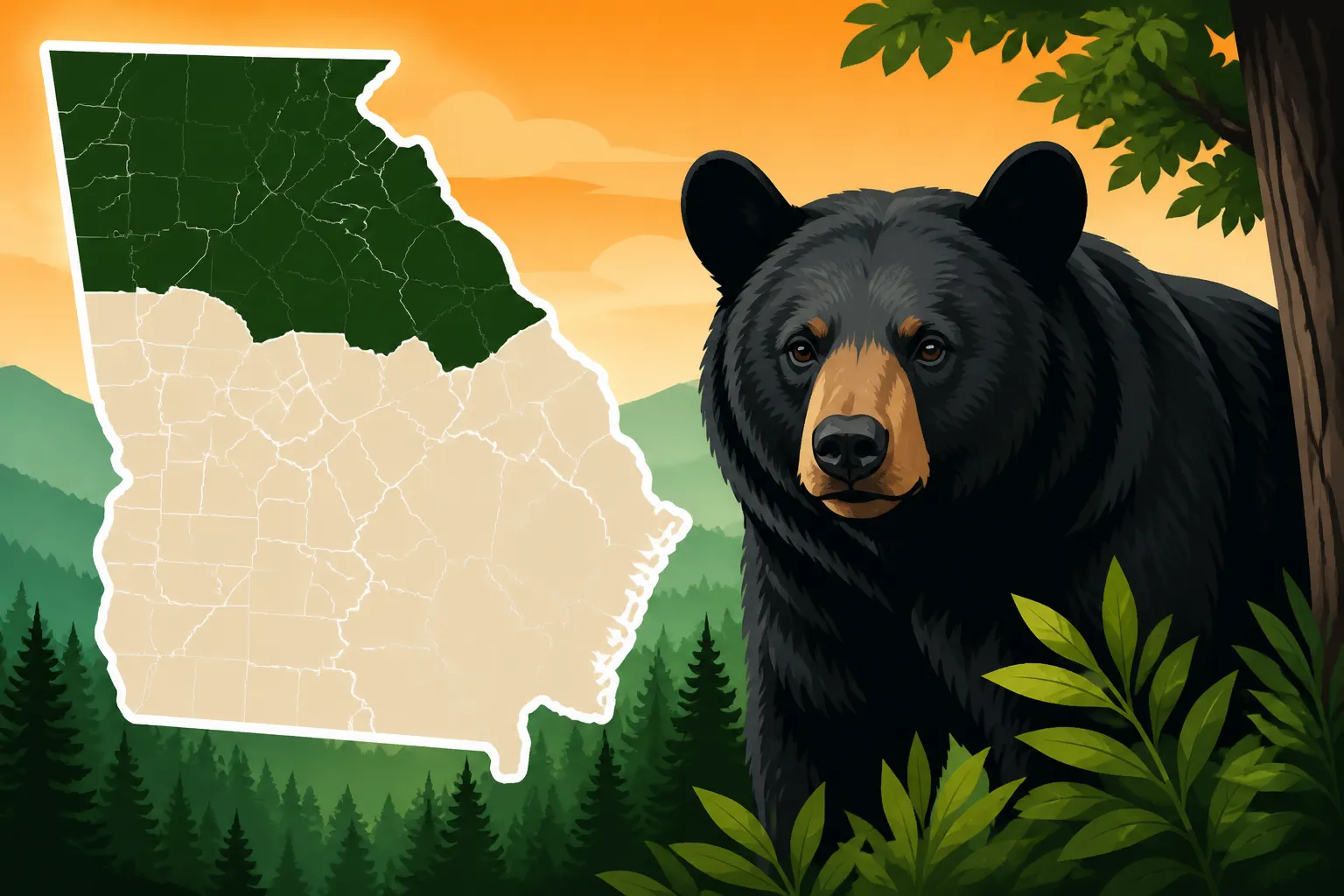
Before we dive into the "why," it’s crucial to understand that Georgia’s black bear population isn't uniform. Our state's wildlife management recognizes distinct regions, often referred to as Georgia's Three Bear Hunting Zones, each with its own characteristics, population dynamics, and even specific hunting regulations. These zones are carefully delineated to manage bear populations effectively, considering everything from habitat availability to potential human-bear conflict.
The three primary zones are the Northern Zone, the Central (Ocmulgee) Zone, and the Southern (Altamaha/Okefenokee) Zone. While bears are opportunistic and adaptable creatures, their populations thrive where the conditions are most favorable. And for black bears in Georgia, the stars align most brightly in the northern reaches of our state. The sheer difference in bear sightings and harvest numbers between these zones paints a clear picture: the Northern Zone is undeniably the stronghold.
The Ecological Advantage of North Georgia's Mountains
The reason for the Northern Zone's abundant bear population boils down to a perfect storm of ecological factors. It's an area that simply provides everything a black bear needs to survive and, more importantly, to flourish and reproduce.
Unbroken Forest and Diverse Forage
Imagine miles upon miles of continuous, rugged mountain terrain, cloaked in dense hardwood and mixed pine forests. This is the heart of North Georgia, and it's a paradise for bears. Unlike many other parts of the state where forests are fragmented by agriculture, development, and vast open spaces, the Northern Zone offers immense, unbroken tracts of wilderness. Bears are creatures of cover, and these deep woods provide not only concealment but also an incredible array of food sources throughout the seasons.
From the spring green-up, bears feast on emerging vegetation, tender shoots, and insects. As summer progresses, a bounty of soft mast ripens: blueberries, blackberries, wild grapes, and various other succulent fruits. These crucial food sources help bears pack on the calories needed for the lean times. Then comes the autumn, the most critical season for bear fattening, with a heavy crop of hard mast. Oaks, hickory, and beech trees drop acorns and nuts, providing a high-energy, high-fat diet that allows bears to build up the necessary reserves for winter denning. This consistent, varied food supply is a cornerstone of a healthy, thriving bear population. Hunters looking for active bear sign often focus on these mast-producing ridges when Hunting Bears Over Natural Food in the Mountains.
Remote Sanctuaries and Low Human Disturbance
While Georgia is a growing state, vast portions of the Northern Zone, particularly within the Appalachian foothills, remain wild and relatively untouched by extensive human development. The rugged topography itself acts as a natural barrier, deterring large-scale agriculture or sprawling subdivisions in many areas. This means bears have expansive remote sanctuaries where they can live out their lives with minimal disturbance. Fewer roads, less traffic, and smaller, more dispersed human communities translate directly into less stress for the bears, fewer human-bear conflicts, and greater success in raising cubs.
Of course, encounters still happen, especially as bear populations grow and occasionally push into more settled areas. But the core habitat of the Northern Zone offers a level of seclusion that is increasingly rare in many other parts of the country, and indeed, in other parts of Georgia. When you're out scouting for deer or turkeys in these mountains, it’s not uncommon to stumble upon bear sign far from any road, a testament to their ability to find solitude in the dense timber.
Abundant Water Sources
Water is life, and the North Georgia mountains are crisscrossed by countless creeks, streams, and rivers, many of which are headwaters for larger systems throughout the state. This constant availability of fresh water is vital for bears, not just for drinking, but also for maintaining the health of the ecosystems that produce their food. Lush vegetation, vibrant berry bushes, and strong mast crops all depend on consistent moisture.
The cool, shaded stream bottoms also offer bears a place to escape the summer heat, to dig for grubs, and to simply rest in damp, secluded areas. This network of water sources further enhances the overall habitat quality, ensuring that bears always have access to this most fundamental necessity, even during drier periods. Any experienced hunter using an app like GoHunt to scout the terrain will notice the prevalence of blue lines indicating water in the northern counties, confirming this ecological richness.
Historical Context and Management Success
The current abundance of bears in North Georgia isn't just a natural phenomenon; it's also a testament to dedicated conservation efforts and thoughtful management over many decades.
A Story of Recovery
It's easy to forget that black bear populations across the Southeast, including Georgia, faced severe decline in the early 20th century due to unregulated hunting, habitat loss, and persecution. However, through the establishment of wildlife management areas, federal and state protections, and more scientifically informed hunting regulations, bears have made an incredible comeback. The Northern Zone, with its inherent habitat advantages, was a natural focal point for these recovery efforts.
Protected areas within the Chattahoochee-Oconee National Forest, which encompasses a huge portion of the Northern Zone, played a critical role in providing safe havens for bears to re-establish and expand their populations. Hunters who explore the Chattahoochee-Oconee National Forest Hunting opportunities today are experiencing the fruits of these long-term recovery programs.
Strategic Hunting Regulations and Pressure
Another key factor in the Northern Zone's booming bear numbers is the carefully managed hunting pressure. While Georgia does have a bear season, the seasons in the Northern Zone are typically short and specific, often consisting of a few archery days and then a limited firearms period. For example, hunters must pay close attention to the Georgia Northern Zone Bear Archery Dates and Georgia Northern Zone Bear Firearms Dates. This highly regulated approach ensures that harvest levels are sustainable, allowing the population to continue to grow and thrive.
Furthermore, the rugged nature of the terrain in North Georgia makes hunting inherently challenging. Hauling out a bear from a steep mountainside or a remote hollow is no easy feat. This natural difficulty, combined with the limited season dates and the sheer size of the wilderness, acts as a self-regulating mechanism, preventing over-harvest and providing an additional layer of protection for the bear population. It's truly a demanding but rewarding pursuit to be Hunting the North Georgia Mountain Bear Zone.
Comparing the Northern Zone to Other Bear Zones
To truly appreciate why the Northern Zone is so special, it helps to look at the other bear zones in Georgia and understand their differences. The other two zones—Ocmulgee and Altamaha/Okefenokee—present distinct ecological challenges that limit their bear populations.
The Ocmulgee Bear Zone: A Fragmented World
The Ocmulgee Bear Zone, often referred to as the Central Zone, is a stark contrast to the mountains. This region is characterized by a more fragmented landscape, interspersed with agriculture, timber plantations, and a higher density of human population. While there are still significant pockets of forest, particularly along river corridors, they are generally less continuous and more isolated than in the north.
Food sources can be abundant in some years, especially if agricultural crops like corn or peanuts are available, but these sources are often seasonal and come with increased human-bear interaction. The lack of extensive, uninterrupted wilderness means bears have fewer places to hide and are more likely to encounter people, leading to increased conflicts and, ultimately, lower population densities. This is a primary reason Why the Ocmulgee Bear Population Stays Small compared to the Northern Zone. Hunters pursuing bears in this area often need specific tactics, like those used for Spot-and-Stalk Tactics for Ocmulgee Bears, to be successful due to the differing habitat.
The Altamaha and Okefenokee Bear Zone: Swampy Isolation
Down in the southeastern part of the state, the Altamaha and Okefenokee Bear Zone offers yet another unique environment. Here, vast cypress swamps, dense pocosins, and intricate river bottomlands dominate the landscape. While these areas provide incredible wilderness and isolation, they also present their own set of challenges for black bears.
Food resources can be more scattered and less diverse than in the mountains, with a heavier reliance on specific swamp fruits, insects, and aquatic vegetation. The extremely dense and often flooded terrain can also make travel difficult for bears, impacting their ability to efficiently forage and find mates. While there are certainly large bears in these areas, and opportunities to go Hunting the Altamaha and Okefenokee Bear Zone, the overall population density tends to be lower and more dispersed. Access for hunters can also be a significant challenge, requiring specialized equipment like swamp buggies or boats, which naturally limits hunting pressure.
Here's a quick comparison of the bear zones in Georgia:
| Feature | Northern Zone | Ocmulgee (Central) Zone | Altamaha/Okefenokee (Southern) Zone |
|---|---|---|---|
| Primary Habitat | Dense Mountain Forests | Fragmented Forests, Agriculture | Vast Swamps, River Bottoms |
| Food Diversity | High (Hard & Soft Mast, etc.) | Moderate (Agricultural crops) | Moderate (Swamp fruits, limited mast) |
| Human Population Density | Low in core areas | Moderate to High | Low in core areas |
| Habitat Connectivity | High (Large, unbroken tracts) | Moderate (Fragmented by development) | High (Vast, but challenging terrain) |
| Bear Population Density | Highest | Lowest | Moderate |
| Hunting Season Length | Short, specific dates | Very short, often quota-based | Short, specific dates |
What This Means for Hunters and Wildlife Enthusiasts
The strong bear population in the Northern Zone translates into exciting opportunities for both hunters and those who simply appreciate seeing Georgia's wildlife.
Prime Hunting Opportunities
For hunters, the Northern Zone represents the best chance to pursue a black bear in Georgia. The healthy population, combined with the challenging mountain terrain, offers a truly rewarding experience. Success often comes down to diligent scouting, understanding bear behavior, and being prepared for a demanding hunt. Tools like GoHunt can be invaluable for pinpointing remote areas, analyzing topographic maps, and identifying potential bear sign like old rubs or scat. Familiarity with tactics such as Scouting Georgia Public Land Before Season becomes paramount when you're targeting big game in these extensive woods.
Hunters should always be aware of the specific regulations for the Northern Zone, including license requirements, bag limits, and checking procedures. The commitment to responsible hunting is a key factor in maintaining these robust populations. Remember that pursuing big game in these areas requires a bit more than just luck; it demands preparation, patience, and a deep respect for the animal and its habitat.
Wildlife Viewing and Conservation
Beyond hunting, the abundant bear population in the Northern Zone offers incredible opportunities for wildlife viewing. Hikers, campers, and nature photographers in areas like the Chattahoochee National Forest frequently report bear sightings. This serves as a powerful reminder of the success of conservation efforts and the importance of preserving large tracts of wilderness.
However, with more bears comes the responsibility of coexisting safely. Whether you're a hunter or a hiker, understanding bear behavior, practicing bear-safe camping, and properly storing food are crucial. The thriving bear population is a gift, and it's up to all of us to ensure these magnificent animals continue to roam our North Georgia mountains for generations to come. The health of our bear populations, and indeed all our wildlife, depends on our continued stewardship of Georgia's incredible natural resources.
Disclaimer
This article is for general informational purposes only and does not constitute professional advice. Laws, prices and regulations vary by location and change over time. Consult a qualified professional for guidance on your specific situation.