Georgia Nonresident Turkey License Cost
If you're an out-of-state hunter dreaming of chasing gobblers through Georgia's pine forests or hardwood bottoms, the first hurdle often isn't calling in a bird, but figuring out the bewildering array of hunting licenses and their costs. It can feel like you need a degree in bureaucracy just to understand what permits are required, leading to frustration and the fear of accidentally breaking a rule. This comprehensive guide is here to untangle the specifics of Georgia's nonresident turkey license costs, ensuring you're fully prepared and legally compliant before you ever step foot in the field.
Breaking Down the Nonresident Turkey License Cost
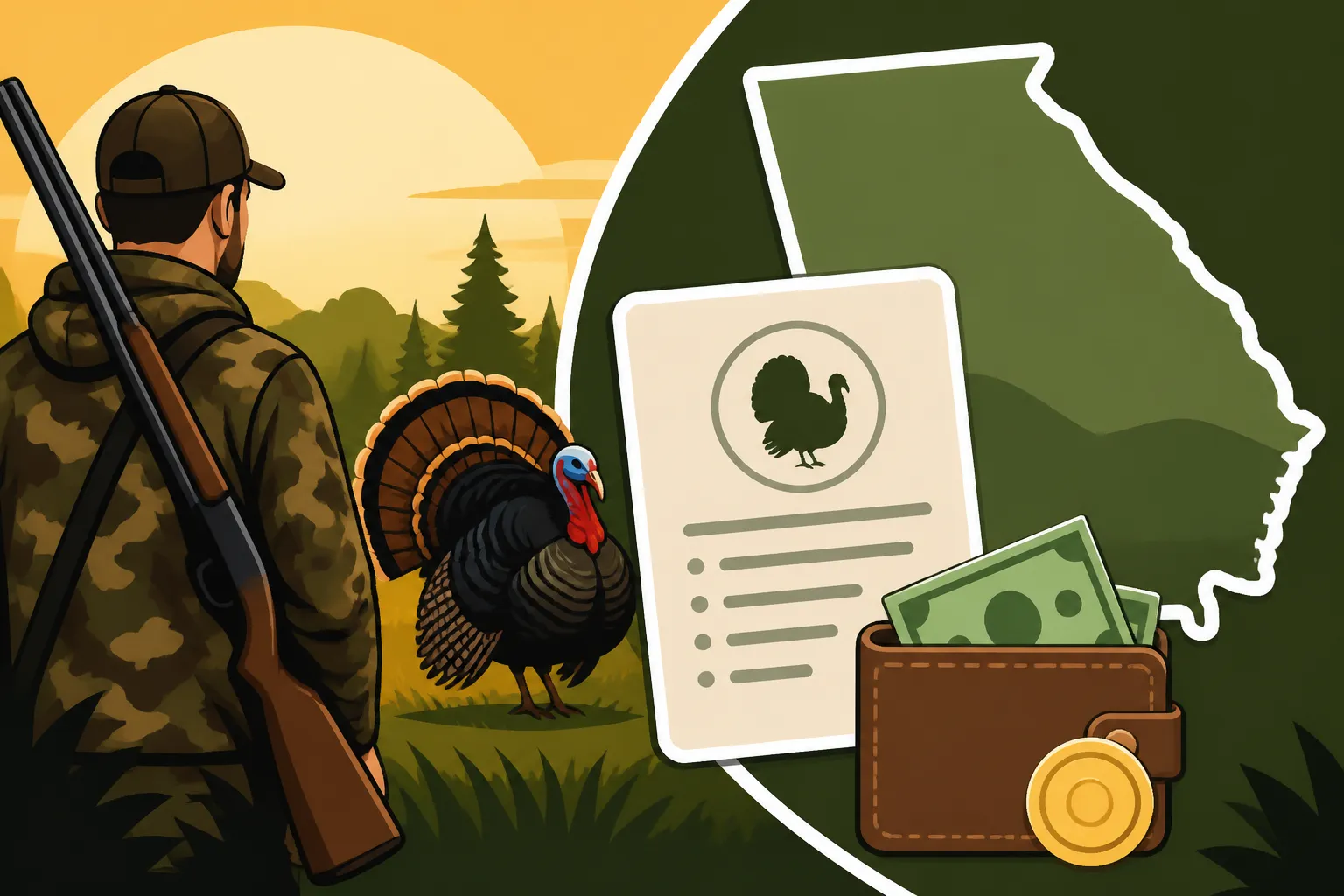
Navigating the licensing requirements for hunting in a new state can be a real headache, and Georgia is no exception, particularly for nonresidents. It's not usually just one "turkey license" you need. Instead, you'll be looking at a couple of key components that add up to your total cost for a legal turkey hunt. Understanding each piece of the puzzle is essential to avoid surprises and ensure you're squared away before your trip.
The Base Nonresident Hunting License
The foundation of your Georgia hunting privileges, no matter what game you're after, is the general hunting license. For nonresidents, this is typically a yearly license that covers a broad range of hunting activities, excluding big game, migratory birds, or specific quota hunts without additional stamps or permits. This license is your entry ticket to hunting small game, furbearers, and often serves as a prerequisite for purchasing other specialized permits. It's crucial to remember that this doesn't automatically allow you to hunt turkey. Think of it as your general admission pass; you still need to buy the ticket for the specific ride you want to go on. As of late 2023 and early 2024, the annual nonresident hunting license generally runs around $100. This fee provides a baseline for all your hunting endeavors in the state for the license year.
The Crucial Big Game License
Here's where turkey hunting specifically comes into play. To legally hunt wild turkeys in Georgia, as a nonresident, you're required to purchase a separate Big Game License. This license is specifically designed for deer, bear, and turkey. It’s an add-on to your base hunting license, not a replacement. You cannot purchase the Big Game License by itself; it always goes hand-in-hand with a valid general hunting license. This structure can sometimes catch new nonresident hunters off guard, as they might assume one license covers all. The Big Game License for nonresidents typically costs around $200 for the entire season. So, when you combine the general hunting license with the big game license, you're already looking at a significant investment before you even buy your first box of turkey loads. This combined cost ensures you're legally authorized to pursue these larger game species throughout their respective seasons, including the much-anticipated spring turkey season.
| License Type | Nonresident Annual Cost (Approx. 2023-2024) | Description |
|---|---|---|
| Annual Hunting License | $100 | Required for all hunting; foundation for other permits. |
| Big Game License | $200 | Additional permit required for hunting deer, bear, and turkey. |
| WMA License | $30 | Required for hunting on any Georgia Wildlife Management Area (WMA). |
| Migratory Bird HIP Permit | Free (but mandatory) | Required for hunting migratory birds, including turkey, dove, waterfowl. |
| Total (Private Land) | $300 | Annual Hunting License + Big Game License (if hunting private land only). |
| Total (Public Land) | $330 | Annual Hunting License + Big Game License + WMA License (if hunting WMAs). |
Understanding Additional Required Licenses and Stamps
Just when you thought you had the costs figured out, Georgia throws in a few more curveballs, depending on where and how you plan to hunt. These aren't necessarily "turkey licenses" in themselves, but they are absolutely mandatory for legal turkey hunting in specific scenarios, and neglecting them could lead to a hefty fine. It’s always better to be over-prepared than under-prepared when dealing with state regulations.
Migratory Bird Hunter Information Program HIP
This one often confuses people because turkeys aren't migratory in the way ducks or geese are. However, for regulatory purposes, the Georgia Department of Natural Resources (DNR) includes wild turkey under its "migratory bird" umbrella for the purpose of the Harvest Information Program (HIP). The HIP certification itself is free, but it's mandatory if you plan to hunt any migratory game birds, including turkeys. You'll simply answer a few questions about your previous year's hunting success when you purchase your license. It's a quick process, but don't skip it! Failure to have a valid HIP permit while turkey hunting is a violation, even if you have all your other licenses. It helps wildlife agencies gather crucial data to manage populations effectively, so it’s a small but important step in conservation.
WMA License for Public Land
Are you planning to hunt turkeys on Georgia's extensive public land system, such as a Wildlife Management Area (WMA) or a designated area within the Chattahoochee-Oconee National Forest? Then you absolutely need a Georgia WMA License. This separate license grants you access to these managed areas, which often have specific regulations and hunt dates different from statewide seasons. The WMA license for nonresidents is typically around $30 for an annual permit. If you're going to be Scouting Georgia Public Land Before Season or planning to hunt during Georgia's Public-Land Turkey Opener, this license is non-negotiable. Many of these areas are fantastic for hunting, but they come with their own set of rules and, of course, this additional cost. Before you even head out to check out a new spot, make sure you have this in hand if it's a WMA. You can often use tools like the GoHunt app or the Georgia Outdoors app to determine land ownership and WMA boundaries, helping you understand when this license is necessary.
How to Purchase Your Georgia Hunting Licenses
Once you know which licenses you need, the next step is actually acquiring them. Georgia has made the process relatively straightforward, with several options designed for convenience, though some methods might be more appealing to nonresidents than others. It's important to choose a method that works for you and ensures you have proper documentation in the field.
Online, Phone, or In-Person Options
The most popular and often easiest way for nonresidents to purchase their Georgia hunting licenses is online through the Go Outdoors Georgia website. This platform allows you to create an account, select all the necessary licenses (Annual Hunting, Big Game, WMA, and complete your HIP certification), and pay securely. You can then print your licenses or save them to your mobile device. Many hunters appreciate the convenience of handling everything from home, well in advance of their trip. Another option is purchasing by phone. The Georgia DNR typically provides a toll-free number where you can speak with a representative to buy your licenses over the phone. This can be helpful if you have specific questions or prefer a human interaction. Finally, you can purchase licenses in person at various license vendors across the state, such as sporting goods stores, bait shops, and some county government offices. While this might be less convenient for an out-of-state hunter who isn't already in Georgia, it's a viable option if you arrive a few days early and need to pick something up. It's important to remember that if you're hunting during Georgia Public Land Hunting Hours or even on private land, you need to have your licenses before you head out.
Carrying Proof of License
Once you've made your purchase, you'll need to carry proof of your valid licenses while hunting. Georgia offers flexibility here, recognizing the modern age. You can carry a physical copy of your license, which you can print yourself at home or receive from a vendor. However, Georgia also allows hunters to carry an electronic copy on their smartphone or other mobile device. This is incredibly convenient for many, as it's one less piece of paper to worry about losing in the woods. Just make sure your device is charged! Regardless of whether you choose a physical or digital copy, always ensure it's readily accessible and legible. Wildlife enforcement officers can and will ask to see your licenses in the field, and having them quickly on hand demonstrates your compliance and respect for the regulations. Using a hunting app like GoHunt often integrates your license information, making it even easier to keep everything in one place.
Planning Your Georgia Turkey Hunt Beyond the License
Getting your licenses sorted is a huge step, but a successful Georgia turkey hunt involves so much more. From understanding the specific rules that govern the season to finding productive ground, there are several other elements that require careful planning and research, especially for someone unfamiliar with the territory.
Georgia Spring Turkey Season Rules
Before you even start thinking about what calls to bring, it’s critical to understand the specific regulations for spring turkey hunting in Georgia. The season dates can vary slightly year-to-year and between private and public lands. For instance, Georgia Spring Turkey Private-Land Opener Date is usually earlier than the public land opener. Additionally, Georgia recently made changes to its bag limits. While it used to be three gobblers, the current statewide limit for the spring season is two gobblers. This is a crucial detail, as exceeding the bag limit carries serious penalties. You also need to be aware of the daily limit, which is typically one gobbler per day. These rules are put in place for conservation, as seen in the discussion around Why Georgia Dropped the Turkey Limit to Two to help turkey populations recover. Always check the current Georgia DNR Hunting Regulations booklet or website before your hunt to confirm all dates, bag limits, and any other special regulations for your chosen hunting area.
Finding Productive Ground for Your Hunt
Once you have your licenses and understand the rules, the next big challenge is finding somewhere to actually hunt. Georgia offers a mix of private land and extensive public land opportunities. If you have connections to private landowners, that's often the easiest route, but for many nonresidents, public land is the primary option. Georgia's Wildlife Management Areas (WMAs) are scattered across the state and provide diverse habitats for turkeys. You can find more information about these areas in guides like Georgia Wildlife Management Areas. Many hunters also explore portions of the Chattahoochee-Oconee National Forest. Using mapping applications, such as the Georgia Outdoors app or GoHunt, becomes invaluable here. These apps can help you identify public land boundaries, topo maps, and even historical satellite imagery to pinpoint potential roost sites, travel corridors, and feeding areas. Understanding Roost Hunting Georgia Gobblers or employing Turkey Tactics for Piedmont Field Edges requires intimate knowledge of the terrain, and these digital tools are a game-changer for nonresident hunters who can't scout in person for weeks. It's also worth researching Run-and-Gun Turkey Tactics on Public Land, as this active hunting style often yields results on pressured public ground.
Other Essential Planning Considerations
Beyond licenses and scouting, there are other logistical details that can make or break your trip. Consider your gear: what kind of calls will you bring? Decoy Placement for Pressured Georgia Birds can be crucial. If you’re coming from a colder climate, remember that Georgia's spring weather can be warm and humid, even in March and April. Pack appropriate clothing and plenty of insect repellent. Reviewing Georgia Hunter Education Requirements is also a good idea, as most hunters born after January 1, 1961, must complete a hunter education course to hunt in Georgia. Even if you're certified in your home state, it's good to confirm reciprocity. Lastly, don't forget practicalities like accommodations, food, and how you'll process and transport your harvested gobbler home. A well-thought-out plan, from license to logistics, ensures you can focus on the thrilling experience of a Georgia spring turkey hunt.
Disclaimer
Please note that hunting regulations, license fees, and season dates are subject to change by the Georgia Department of Natural Resources (DNR). While this guide provides current information as of its last update, always consult the official Georgia DNR website or the most recent Georgia Hunting Regulations booklet before planning and embarking on your hunt to ensure compliance.