Georgia Suburban Archery-Only Zones
Finding suitable hunting land in Georgia, especially if you live near our bustling cities or growing suburbs, can feel like an impossible puzzle. Many of us yearn for the tranquility and challenge of the hunt but struggle with limited access and increasing development. This guide is here to untangle the complexities of Georgia's suburban archery-only zones, helping you understand how these unique opportunities arise and how to navigate the rules to successfully pursue deer closer to home.
Understanding Georgia's Suburban Archery-Only Zones
When you hear "archery-only zones," your mind might jump to a specific, state-designated area, but in Georgia's suburban landscape, it's a bit more nuanced. These zones often aren't marked on a map by the Georgia Department of Natural Resources (DNR) with a specific "A.O.Z." label. Instead, they exist due to a combination of local county or municipal ordinances restricting the discharge of firearms, coupled with private landowner permissions that allow archery hunting in areas where guns wouldn't be safe or legal. It’s a crucial distinction that opens up valuable, often overlooked hunting opportunities.
What Defines an Archery-Only Zone?
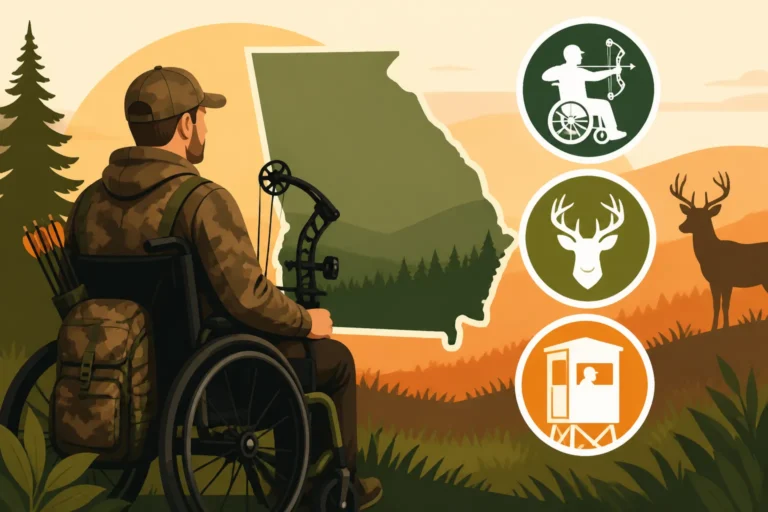
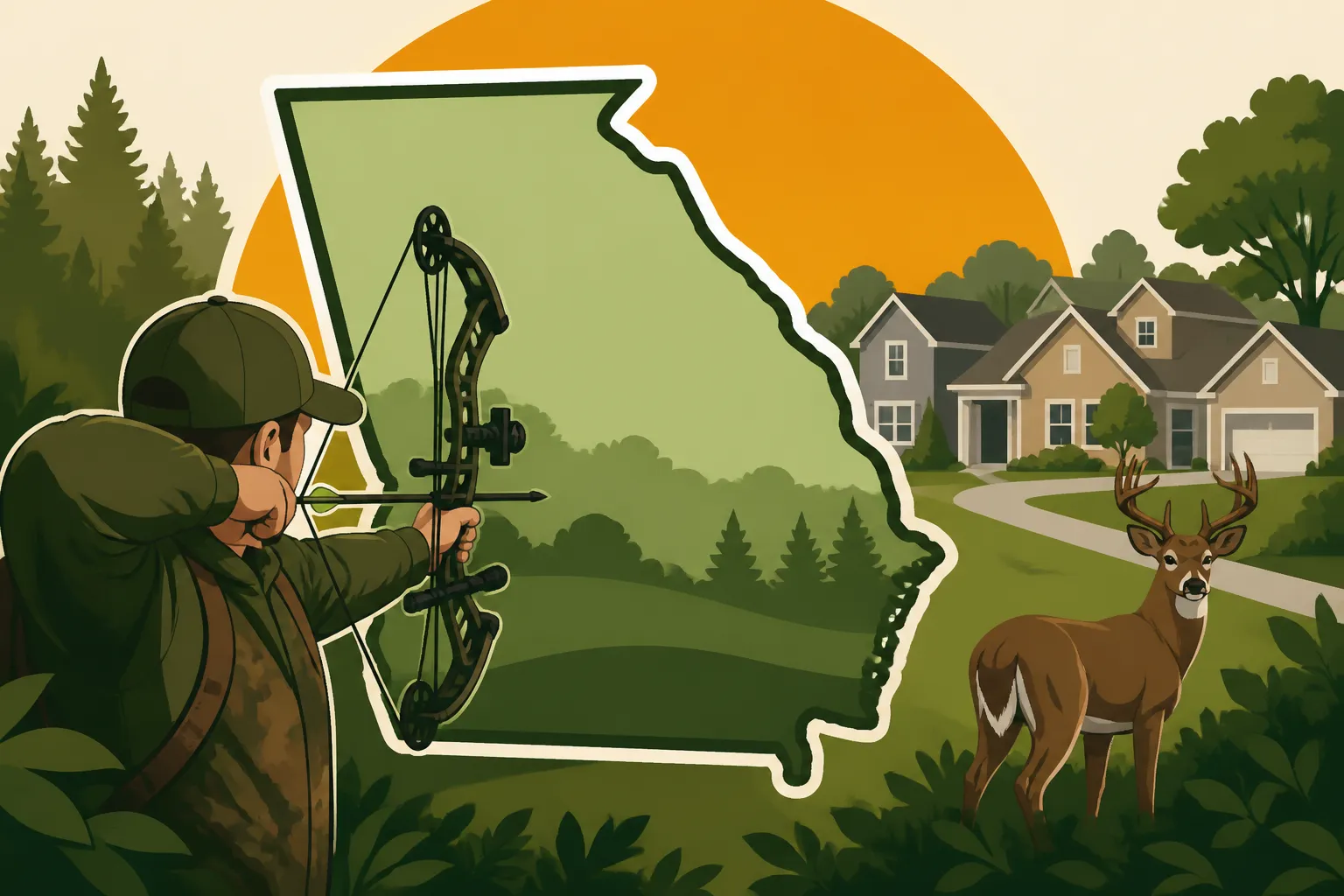
At its core, an archery-only zone in a suburban context is an area where the use of traditional bows, compound bows, or crossbows is permitted for hunting, while firearms are expressly prohibited. The primary rationale behind these restrictions is public safety. As urban and suburban areas expand, homes, schools, and businesses become more densely packed. The range and potential danger of a bullet traveling great distances make firearm discharge highly risky and often illegal in these populated environments.
Archery, with its significantly shorter effective range and different ballistic properties, presents a much lower risk to surrounding properties and people. This allows wildlife management, particularly for overabundant deer populations that can become a nuisance, to continue even in close proximity to human dwellings. For landowners who are struggling with deer eating their landscaping or becoming a traffic hazard, these zones provide a viable solution for population control without the public safety concerns associated with gun hunting. It means that what might look like an improbable hunting spot on the edge of town could actually be a golden opportunity if you understand the local rules.
Identifying and Accessing A.O.Z. Locations
So, how do you find these elusive suburban archery-only zones? It usually starts at the local level. The Georgia DNR sets statewide hunting regulations, but local governments—county commissions and city councils—have the authority to enact ordinances regarding firearm discharge within their jurisdictions. Many counties surrounding metro Atlanta, for instance, have such rules in place.
Your first step should always be to check the specific ordinances for the county and even the city where you're considering hunting. A quick call to the local sheriff's office or county clerk can often clarify these rules. Once you know where firearms are restricted but archery is implicitly or explicitly allowed, you're looking for private land within those boundaries. This is where diligent scouting and good old-fashioned door-knocking come into play. Many landowners, tired of deer munching their azaleas, are surprisingly open to responsible archery hunters.
Tools like the Georgia DNR's Go Outdoors Georgia mapping system can show you property lines, and combining this with satellite imagery from apps like GoHunt can help you identify pockets of woods, creek bottoms, or unkempt fields that might hold deer. These areas, though small, can be incredibly productive because deer often seek refuge in them, knowing they are safe from hunting pressure. Remember, it's not always about vast tracts of land; sometimes, the best spots are those overlooked pieces of timber tucked between subdivisions or alongside industrial parks.
Specific Rules and Regulations for A.O.Z. Hunting
While the general hunting laws of Georgia apply in these suburban archery-only zones, there are specific considerations, particularly regarding your weapon choice and your responsibility to the community. It's not just about what's legal; it's about what's responsible and ethical.
Weapon Restrictions and Safety Precautions
In a designated suburban archery-only zone, your primary tool will, of course, be a bow or crossbow. This means you'll need to be proficient with your equipment. Georgia allows both vertical bows (compound and recurve) and crossbows during the archery season. If you're considering a change or just getting started, understanding the differences can be helpful. You can learn more about Crossbow Versus Vertical Bow in Georgia to help you decide which is best for your hunting style.
Safety is paramount, even more so in these high-visibility areas. Your shot must be taken with absolute certainty of its target and what lies beyond. This often means limiting your shots to closer ranges than you might attempt in a vast, open forest. Think about your backstop – an elevated treestand shot might direct an arrow safely into the ground, whereas a ground-level shot could send it into a neighbor's yard if you miss or pass through. Always be acutely aware of property boundaries, marked or unmarked. Crossing a property line, even to retrieve game, without explicit permission is trespassing and can quickly sour relationships with landowners and the local community. It's a good practice to talk through these scenarios with the landowner before you hunt, ensuring everyone is on the same page about retrieving game that might run onto adjacent property.
Harvest Reporting and Carcass Movement
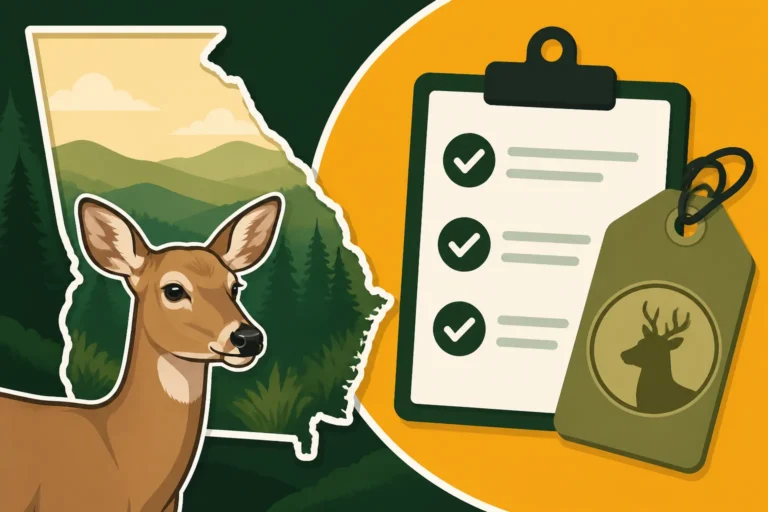
Just like any other deer harvested in Georgia, those taken in suburban archery-only zones must be reported to the Georgia DNR through the Georgia Game Check system. This is a critical step for wildlife management and is strictly enforced. The process is straightforward, whether you use the Go Outdoors Georgia app or their website. You can find detailed information on Georgia Deer Harvest Reporting Rules to ensure you comply.
Reporting a deer through Reporting a Deer Through Georgia Game Check is simple, typically requiring details like the date of harvest, county, species, and sex. This data helps the DNR monitor deer populations statewide, including those in suburban areas where accurate counts can be particularly challenging.
While less common in suburban areas, it's also worth noting Georgia's regulations regarding Chronic Wasting Disease (CWD). If you happen to be hunting in or near one of Georgia's CWD management areas—currently concentrated in a few southwest Georgia counties—there are strict rules about moving deer carcasses out of the zone. Though suburban areas are typically outside these specific CWD zones, staying informed about Georgia Carcass Movement Restrictions is always a good idea, as boundaries can change, and it's a critical part of preventing disease spread. For most suburban hunters, the main concern will be respectfully and discreetly handling the carcass after the harvest, especially if you're close to residential areas.
Maximizing Your Success in Suburban Archery-Only Zones
Hunting in these unique environments requires a different mindset and approach compared to traditional large tracts of forest. Suburban deer behave differently, and successful hunters are those who can adapt their strategies to these specific conditions.
Scouting and Stand Placement in High-Pressure Areas
Scouting is always crucial, but in suburban archery-only zones, it becomes an art form. You're not just looking for deer sign; you're looking for overlooked pockets, hidden travel corridors, and escape routes that allow deer to thrive near human activity. Deer in these areas learn to avoid human detection, often moving at night or sticking to the thickest cover during the day.
Your scouting efforts should focus on identifying pinch points between houses, unkempt creek bottoms that act as natural funnels, or small woodlots that connect larger green spaces like golf courses or utility easements. These deer are often accustomed to human scent and sounds to a degree, but sudden, unexpected disturbances will send them running. Consider how deer enter and exit these areas, often using small patches of cover or even fencerows. Using mapping tools like GoHunt and observing from a distance with binoculars can reveal patterns without alerting the deer.
When it comes to stand placement, subtlety is key. You won't typically find large, mature trees perfect for a climber stand. Instead, you might be looking at smaller, denser trees or even utilizing ground blinds that blend into the natural environment. Think about your entry and exit routes – you want to be able to get in and out of your stand without being seen or heard by deer or neighbors. These areas, despite their proximity to people, can still hold some impressive bucks precisely because they are often ignored by hunters. For general principles that apply, even to these unique spots, check out our guide on Scouting Georgia Public Land Before Season – many of those fundamental strategies translate well.
Adapting Tactics for Suburban Deer Behavior
Suburban deer are creatures of habit, often adapting their routines around human schedules. They might bed down in surprisingly close proximity to homes during the day, only emerging in the late afternoon or early morning to feed. This means your hunting times might need to be adjusted; early morning and late evening sits are usually most productive, mimicking the natural crepuscular behavior of deer while avoiding peak human activity.
Food sources are also different. While acorns and natural browse are always important, suburban deer frequently supplement their diets with ornamental plants, garden vegetables, and even birdseed. Identifying these "human-assisted" food sources can be critical. A patch of unharvested garden corn or a yard with a prolific persimmon tree can be an irresistible draw.
Consider your scent control meticulously. While deer in these areas might tolerate some level of human odor, they are still wild animals. With houses nearby, your scent can easily drift and alert deer if the wind is wrong. Playing the wind correctly is paramount. Additionally, tactics like rattling and grunting should be used sparingly and subtly, as too much noise can easily alert non-target animals (and people!) or put the deer on edge. Focus on stealth, patience, and maximizing your time in a well-placed stand. If you're hunting in areas with creek bottoms, understanding how deer use those features can be a game-changer. Our piece on Hunting Piedmont Creek Bottom Funnels offers excellent insights that are relevant here.
Considerations and Etiquette for A.O.Z. Hunters
Hunting in suburban areas carries a heightened responsibility. You're not just representing yourself; you're representing the entire hunting community to an audience that might not understand or even approve of hunting. Your actions can significantly impact future opportunities for yourself and others.
Building Relationships with Landowners
Securing permission to hunt on private land is always the golden rule, but it takes on an even greater importance in suburban archery-only zones. These opportunities rarely come from large leases; they are almost exclusively built on personal relationships with landowners. A sincere, respectful approach is key. Don't just show up on someone's doorstep with your bow; instead, start with a polite introduction, explain your intentions, and demonstrate your commitment to safety and respect for their property.
Many landowners will have specific concerns: What about their pets? What if a deer runs onto a neighbor's yard? How discreet will you be? Be prepared to answer these questions honestly and reassuringly. Offer to share venison, help with property tasks, or even provide nuisance deer management if they have a severe problem. Being a good steward of their land is essential. Our guide on Getting Private Land Permission in Georgia provides excellent strategies for how to initiate these conversations. Remember, in Georgia, it is often required to have explicit permission to retrieve game from private land if it doesn't belong to you. Our article, Do You Need Written Permission in Georgia?, clarifies these important legalities. A handshake agreement is good, but a written one is even better, especially for everyone's peace of mind.
Public Perception and Ethical Conduct
When you hunt in a suburban archery-only zone, you are under a microscope. Even if you have permission and are following all laws, a non-hunting neighbor might misinterpret your actions or feel uneasy. This means you need to be an exemplary ambassador for hunting.
- Discretion: Park your vehicle discreetly. Avoid walking through residential areas in full camo with exposed equipment if possible. Carry your bow in a case.
- Silence: Keep noise to a minimum. Avoid loud conversations or unnecessary commotion.
- Cleanliness: Pack out everything you pack in. Leave no trash or trace of your presence.
- Game Recovery: If you harvest a deer, retrieve it quickly and discreetly. Have a plan for getting it out of the area and processed without causing alarm. This might mean using a deer cart under cover of darkness or having a vehicle ready for a quick load-up. Efficient field dressing is also crucial, especially in warmer weather, and knowing how to do it quickly and cleanly can prevent issues. Our resource on Field Dressing a Deer in Warm Weather offers practical tips.
- Communication: If you encounter a curious neighbor, be polite, respectful, and answer their questions calmly. Educate, don't confront.
By upholding the highest standards of ethical conduct and respect for both wildlife and the community, you help ensure that these unique suburban hunting opportunities continue to exist for years to come.
Here's a quick summary of key considerations for hunting in Georgia's Suburban Archery-Only Zones:
| Feature | Traditional Hunting Ground | Suburban Archery-Only Zone |
|---|---|---|
| Primary Defining Factor | State/federal land, large private tracts | Local ordinances + private landowner permission |
| Weapon Allowed | Firearms, Archery, Primitive Weapons | Archery (Vertical Bows, Crossbows) ONLY |
| Safety Concerns | Standard hunting safety | Heightened focus on backstops, property lines |
| Deer Behavior | Varying pressure, can be wary | Often accustomed to human presence, nocturnal, seeks dense cover |
| Scouting Approach | Large-scale landscape analysis | Focus on small pockets, funnels, human-influenced food |
| Land Access | Leases, public land permits | Personal relationships, direct landowner contact |
| Public Perception | Generally understood/accepted | Under scrutiny, requires utmost discretion and etiquette |
| Carcass Handling | Often more flexible | Requires quick, discreet retrieval and processing |
Disclaimer
Please note: The information provided in this article is for general guidance only and is not a substitute for legal advice or official regulations. Hunting laws and regulations in Georgia, especially those pertaining to local ordinances, can change. Always consult the most current Georgia Department of Natural Resources (DNR) regulations and local county or municipal ordinances before hunting. It is the hunter's responsibility to know and obey all applicable laws.