Georgia Legal Firearms for Deer Hunting
It can be incredibly confusing to navigate all the rules and regulations surrounding legal firearms for deer hunting in Georgia. With so many options available and specific wording in the game laws, it's easy to feel overwhelmed, wondering if your favorite rifle or a new shotgun is even allowed in the field. This comprehensive guide will cut through the jargon, clarifying exactly what firearms are legal for deer in the Peach State, offering practical advice, and helping you choose the best setup for your hunting adventures.
Understanding Georgia's General Firearm Regulations for Deer
When it comes to deer hunting in Georgia, the state aims to provide flexibility while ensuring ethical and safe hunting practices. This means most common hunting firearms are perfectly legal, but there are some important distinctions to keep in mind, especially concerning caliber, ammunition, and specific hunting seasons. It’s not just about what shoots, but what shoots legally within the guidelines.
Legal Rifle Calibers and Ammunition Types
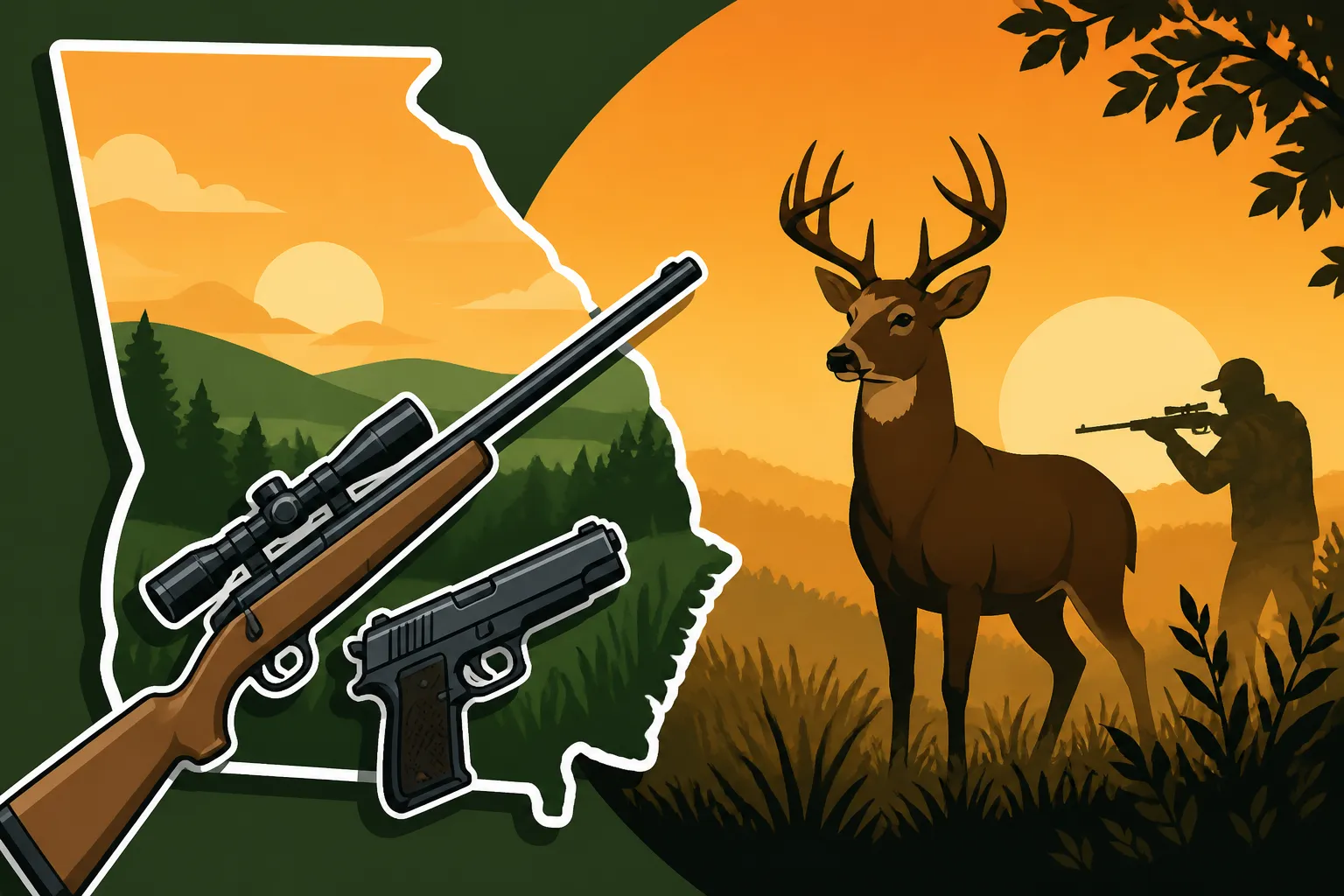
For the vast majority of deer hunters during Georgia's general firearms season, centerfire rifles are the go-to choice, and thankfully, the regulations are quite straightforward here. Georgia law allows the use of any centerfire firearm. This means there isn't a restrictive minimum rifle caliber rule like you might find in some other states. From smaller calibers that are incredibly popular, such as the .243 Winchester, all the way up to powerful magnums, if it's a centerfire rifle, it's generally good to go. This broad acceptance gives hunters a lot of leeway to pick a rifle they are comfortable and proficient with.
The key takeaway is "centerfire." This refers to the primer location on the cartridge, which is in the center of the casing head, distinct from rimfire cartridges like a .22LR, which are not legal for deer hunting due to their insufficient power. When selecting ammunition, hunters typically opt for expanding bullets, such as soft points or ballistic tips, designed to transfer maximum energy and create a quick, humane kill. Solid, non-expanding military-style ammunition is generally not suitable for ethical big game hunting. Always check local ordinances too, as some very specific areas, particularly those closer to suburban developments, might have additional restrictions or even be designated Georgia Bowhunting-Only Suburban Zones, but for statewide regulations, centerfire rifles are king.
Shotguns, Muzzleloaders, and Air Guns: Specialized Seasons and Rules
While centerfire rifles are widely used, Georgia offers options for other types of firearms, often with their own specific seasonal applications or suitability for certain terrains. Shotguns are a viable and popular choice, especially in denser cover where shot distances are typically shorter. For deer, shotguns must be 20 gauge or larger and loaded with either slugs or buckshot. It's crucial to distinguish this from birdshot, which is completely ineffective and illegal for deer. Slugs are single projectiles, essentially a large lead bullet, offering significant knockdown power at close to medium ranges. Buckshot, on the other hand, consists of multiple large pellets, creating a wider pattern, though its effective range is much more limited. Many hunters swear by a shotgun with slugs for hunting in thick swamp bottoms or timber where visibility is limited, as it offers a quick-handling option for close encounters.
Muzzleloaders, often associated with the Primitive Weapons Hunting in Georgia season, also have their place in Georgia deer hunting. The regulations stipulate that muzzleloading firearms must be .44 caliber or larger. This means your classic .50 caliber muzzleloader, whether it's an inline or a traditional percussion cap rifle, is perfectly legal. The primitive weapons season often falls before or during the early firearms season, giving hunters an extra opportunity to get out in the woods with a unique challenge. In recent years, air guns have also become legal for deer in Georgia, provided they are .30 caliber or larger. While less common, these powerful air rifles offer a quiet hunting experience for those who prefer them, typically for closer-range shots. Each of these options provides a distinct hunting experience, and their legality ensures hunters can tailor their approach to different preferences and conditions.
Common and Recommended Calibers for Georgia Deer Hunters
Choosing the right caliber isn't just about legality; it's about effectiveness, comfort, and confidence. Georgia's diverse landscapes, from the rolling Piedmont hills to the dense South Georgia pine flats and mountain ridges, mean that a one-size-fits-all approach isn't always optimal. Experienced hunters understand that the "best" caliber is often the one you shoot most accurately and feel most comfortable with, especially when considering the realistic shot distances you'll encounter.
Popular Rifle Choices and Their Effectiveness
Many rifle calibers have earned their stripes in Georgia deer woods, each with its own fan base and merits. The .308 Winchester is a perennial favorite, renowned for its accuracy, moderate recoil, and excellent terminal ballistics. It's an incredibly versatile cartridge, suitable for everything from tight timber to longer shots across food plots. A .308 offers plenty of energy for whitetails without punishing the shooter, making it a great choice for hunters of all experience levels. Similarly, the .270 Winchester has a long-standing reputation for being a flat-shooting, deer-dropping machine. Its higher velocity often translates to less bullet drop over longer distances, making it a favorite for those hunting more open terrain where shots might stretch out a bit further.
In recent years, the 6.5 Creedmoor has surged in popularity, and for good reason. It offers superb accuracy, very manageable recoil, and excellent ballistic coefficients, meaning the bullet retains energy and resists wind drift well. While originally designed for long-range target shooting, its performance on deer has proven exceptional, making it a smart choice for hunters who prioritize precision and a pleasant shooting experience. And, of course, the venerable .30-06 Springfield remains a powerhouse, a classic American hunting cartridge that can handle any deer in Georgia with authority. It offers a bit more recoil than the .308 or 6.5 Creedmoor, but its versatility and proven track record are undeniable. Ultimately, when considering the Best Rifle Caliber for Georgia Deer, the most important factor is consistent accuracy. Using an app like GoHunt to mark your shooting lanes and range estimates on a map can help you understand the practical limits of your chosen caliber in specific hunting spots.
Straight-Wall Cartridges and Handguns
While Georgia doesn't restrict centerfire rifles based on case shape, straight-wall cartridges have gained significant traction in other states with specific firearm regulations (often "rifle zones" that disallow bottleneck cartridges). However, they are perfectly legal and offer some unique advantages for Georgia hunters. Cartridges like the .350 Legend or .450 Bushmaster deliver impressive energy at moderate ranges, often with less over-penetration risk, which can be a consideration in densely populated areas or smaller private tracts. These calibers are typically chambered in AR-style platforms, offering a modern sporting rifle feel with traditional big-bore performance. They can be a fun and effective alternative, especially if you also hunt in states where such cartridges are mandatory.
Handgun hunting is another legal and challenging option for deer in Georgia. To be legal, a handgun must be centerfire and have a barrel length of 4 inches or more. Common calibers like .357 Magnum, .44 Magnum, and .45 Colt are popular choices, offering substantial power for close-range encounters. Hunting deer with a handgun requires a higher degree of skill and discipline, as shot placement becomes even more critical due to the typically shorter effective range. It's a method that truly tests a hunter's prowess and can be incredibly rewarding. For detailed information on specific requirements and recommendations, you might want to look into Handgun Hunting Rules in Georgia. Regardless of whether you choose a rifle, shotgun, straight-wall cartridge, or handgun, practicing regularly at a shooting range is paramount to ensure ethical, clean kills when the moment of truth arrives.
Practical Considerations for Your Georgia Hunting Firearm
Beyond simply understanding what's legal, a savvy Georgia hunter thinks critically about how their chosen firearm will perform in the specific environments they plan to hunt. Georgia's terrain is incredibly varied, and what works wonderfully in one region might be less ideal in another. Furthermore, personal comfort and proficiency are crucial elements that often get overlooked but are vital for ethical hunting.
Terrain, Shot Distance, and Cover Impact on Firearm Choice
Imagine hunting the steep, thick hardwood ridges of the North Georgia mountains. Here, shots are often close, and maneuvering a long-barreled magnum rifle through dense undergrowth can be cumbersome. A shorter, lighter carbine chambered in .308 or even a powerful lever-action rifle might be a far more practical choice. The dense cover also means that extreme long-range accuracy isn't usually the primary concern; quick target acquisition and reliable knockdown power at 50-150 yards are. Conversely, if you're hunting vast agricultural fields or clear-cuts in South Georgia, where a deer might appear at 200 or 300 yards, a flat-shooting caliber like a .270 or 6.5 Creedmoor with a good scope would be an excellent asset. You'd want to ensure your rifle is zeroed for these longer distances, perhaps with a secondary zero point, which you can learn more about by researching Zeroing a Rifle for Mixed Distances.
Another scenario might be hunting the expansive river bottoms and cypress swamps. These areas often present extremely dense vegetation, limited visibility, and very close-range opportunities. A shotgun loaded with slugs or a brush gun chambered in a powerful, fast-handling caliber excels here. The ability to make a quick, decisive shot when a deer bursts from cover is paramount. Understanding the likely shot distances you'll encounter on your specific property or public land is key. Using scouting tools, including aerial maps on platforms like GoHunt, to identify likely shooting lanes and open areas can greatly inform your firearm choice and help you prepare for the moment of truth.
Recoil, Personal Comfort, and Ethical Shot Placement
Let’s be honest, hunting is supposed to be enjoyable, and struggling with a firearm that kicks like a mule is no fun for anyone. Excessive recoil can lead to flinching, poor shooting habits, and ultimately, missed shots or, worse, wounded game. If you're new to hunting, or recoil-sensitive, choosing a milder-recoiling caliber like a .243 or 6.5 Creedmoor can make a huge difference in your ability to shoot accurately and confidently. There's no shame in picking a rifle you can shoot well, rather than one that just sounds powerful on paper. Many hunters, for example, debate the merits of a .308 Versus .270 for Whitetails, with recoil often being a factor in their personal decision.
The most critical aspect of any firearm choice is ensuring ethical shot placement. A perfectly legal and powerful rifle is useless if you can't consistently put the bullet where it needs to go. This means regular practice at the range, familiarity with your firearm's trajectory, and knowing your personal effective range. Ethical hunters understand that a clean kill is paramount, minimizing suffering for the animal. This often means passing on shots that are too far, too obscured, or that you simply don't feel confident making. Whether you're hunting during the Georgia Firearms Season Opening Day or later in the season, confidence in your firearm and your abilities is your greatest asset. Don't forget to wear the appropriate Georgia Blaze Orange Requirements during firearms season to ensure you're visible and safe to other hunters.
Table of Common Legal Firearms for Georgia Deer
| Firearm Type | Common Calibers / Gauges | Pros | Cons | Ideal Georgia Terrain | Notes |
|---|---|---|---|---|---|
| Centerfire Rifle | .308 Win, .270 Win, 6.5 Creedmoor, .30-06 | Excellent accuracy, long range, versatile | Can be heavy/long in dense cover, higher recoil (some) | Open fields, Piedmont, Mountains | Most popular choice for general season. |
| Shotgun (Slugs) | 12 Gauge, 20 Gauge (.70 cal equivalent) | Great knockdown power at close range, quick handling | Limited effective range compared to rifles, heavy recoil | Dense woods, swamps, thickets | Must use slugs or buckshot. Effective in thick cover. |
| Muzzleloader | .50 Caliber (.44 cal minimum) | Unique challenge, "primitive weapons" season access | Slower reload, weather-sensitive powder, limited range | All terrains (especially early season) | Offers an extended hunting opportunity. |
| Air Gun | .30 Caliber or larger | Very quiet, low recoil, specialized | Limited range, specialized equipment, less common | Small tracts, specific situations | Growing in popularity for niche hunting. |
| Centerfire Handgun | .44 Mag, .357 Mag, .45 Colt (.45 ACP) | Ultimate challenge, compact, secondary weapon | Very limited range, high skill required, significant recoil | Close-range encounters, treestands | Barrel must be 4 inches or longer. |
| Straight-Wall Cartridge | .350 Legend, .450 Bushmaster | Good power, manageable recoil, modern rifle feel | Primarily for specific state regulations, less common in GA | Mixed woods, small fields | Becoming more popular for its performance and modern rifle platforms. |
Disclaimer
The information provided in this guide is for general informational purposes only and does not constitute legal advice. Hunting regulations can change, and it is the hunter's responsibility to review and comply with all current Georgia Department of Natural Resources (DNR) regulations and local ordinances before engaging in any hunting activities. Always prioritize safety and ethical hunting practices.