Georgia Alligator Tag Transfer Rules
Navigating the unique world of Georgia alligator hunting can feel like deciphering a secret code, especially when it comes to understanding who can actually use that coveted tag. Many hunters, particularly those new to alligator quota hunts, find themselves scratching their heads over whether they can share their tag with a buddy, or if someone else can utilize a tag they were fortunate enough to draw. This guide will meticulously break down the intricacies of Georgia's alligator tag transfer rules, ensuring you stay on the right side of the law and maximize your hunting opportunities.
Understanding Georgia's Alligator Quota Hunt System
Before we dive into the nitty-gritty of transferring a tag, it’s crucial to understand the foundation of Georgia's alligator hunting program. The state manages its alligator population through a highly regulated quota hunt system, designed to provide hunting opportunities while ensuring the long-term health of the alligator population. This isn't your everyday deer or turkey tag; these are special permits, and they come with specific guidelines.
The Initial Application and Lottery Process
Getting an alligator tag in Georgia isn't as simple as walking into your local outdoor store. It all starts with an application process, typically handled through the Georgia Department of Natural Resources (DNR) online system, often accessible via platforms like the GoHunt website. Hunters submit applications during a designated window, usually in the late spring or early summer, indicating their preferred alligator hunting zones. There's a competitive lottery system because the number of available tags is limited, especially in prime areas. Successfully drawing a tag is a stroke of luck, and it means you've been granted a unique opportunity. For more details on the application process, you might want to read our comprehensive guide on Applying for a Georgia Alligator Quota Hunt.
Once you're drawn, you're assigned a specific hunting zone, and that's usually where the complexities begin. The zones, such as the Coastal or Southwest regions, each have their own nuances and populations, as discussed in detail in Georgia Alligator Zone Preferences. Understanding the zones is critical because the tag is typically tied to that specific area. This initial allocation is paramount, as it sets the stage for any potential tag transfer. Remember, the DNR allocates these tags very intentionally to manage localized populations.
What an Alligator Harvest Tag Entails
A Georgia alligator harvest tag isn't just a piece of paper; it’s a legal authorization to take one alligator of a specific minimum length within a defined zone during a particular season. Each tag is unique, bearing the hunter's name and a serial number. It’s a permit that comes with a host of responsibilities, including adherence to harvest reporting requirements and ethical hunting practices. The tag often dictates the minimum legal length, usually around 48 inches, which is vital for conservation and detailed in Minimum Legal Alligator Length in Georgia.
The tag holder is the primary responsible party. This means that even if someone else ultimately harvests the alligator, the drawn tag holder is accountable for ensuring all regulations are followed, from the method of take to the proper reporting. It’s not just about attaching the tag to the animal; it's about owning the entire process. This individual accountability is a cornerstone of responsible wildlife management, especially for a regulated species like the alligator. The tag signifies not just a privilege, but a duty.
Navigating Georgia Alligator Tag Transfer Rules
Now, let's get to the heart of the matter: can you transfer your Georgia alligator tag? The answer is a qualified yes, but it comes with strict conditions and procedures. Georgia's regulations are designed to prevent commercial exploitation of tags while allowing for legitimate circumstances where a transfer makes sense.
When Transfers Are Permitted
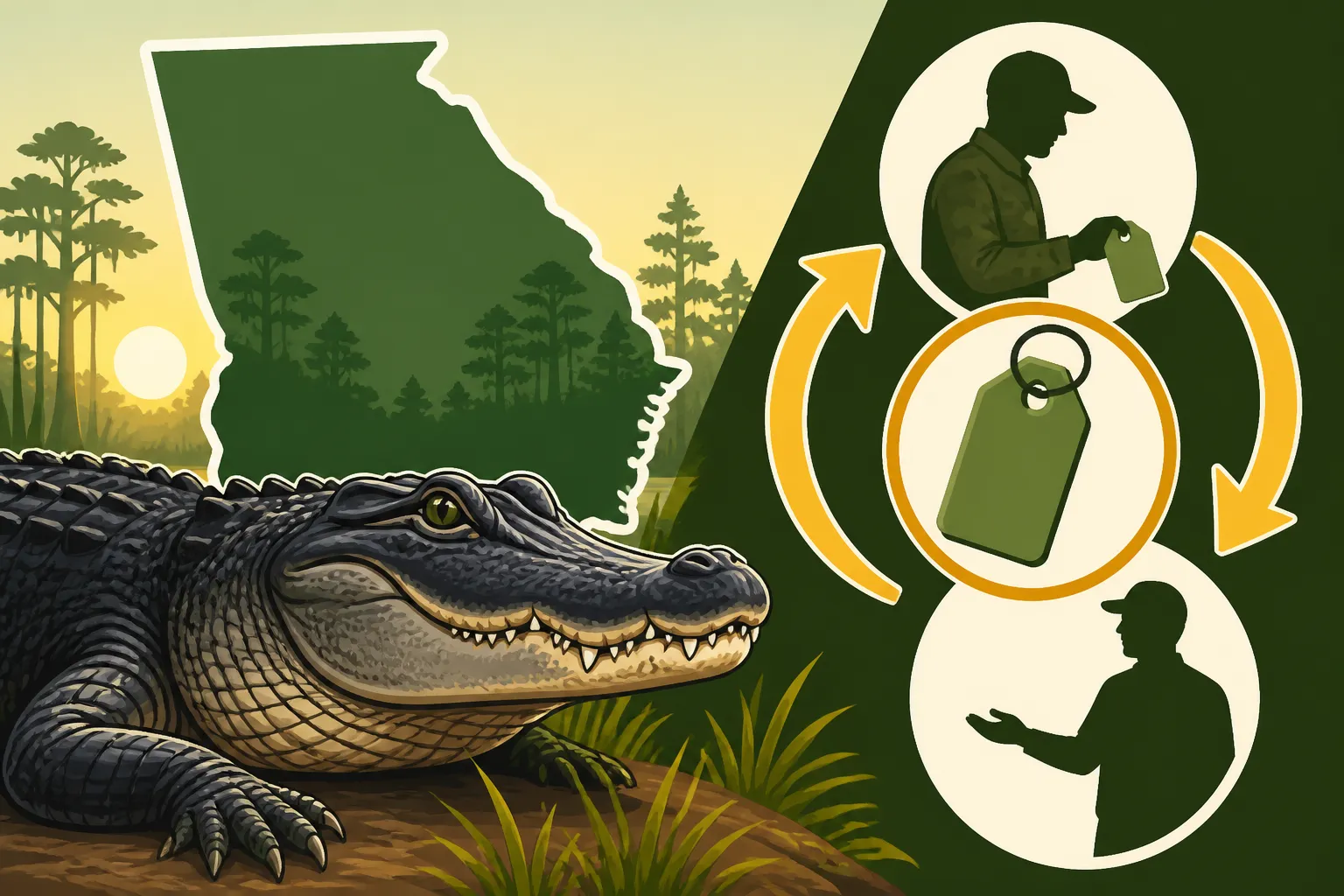
Georgia DNR explicitly allows for certain types of alligator tag transfers, but they are not open-ended. The most common and legally permitted scenario is when the drawn hunter wants to designate another Georgia licensed hunter to act as their agent or "harvest agent" to assist in or even make the actual harvest. This isn't a full transfer of ownership in the sense that the original hunter no longer has any involvement; rather, it’s a delegation of the physical act of hunting and harvesting. The original tag holder must still meet all licensing requirements themselves, including having a valid Georgia hunting license and a big game license.
Another scenario involves a legitimate inability for the original tag holder to participate due to unforeseen circumstances like illness, injury, or military deployment. In such cases, the DNR may approve a full transfer to another eligible hunter. However, this is usually on a case-by-case basis and requires direct communication and approval from the DNR, often with supporting documentation. This isn't a casual decision; it's for significant reasons. It’s crucial to understand that merely wanting to give your tag to a friend because you "don't feel like going" is generally not a valid reason for a full transfer. Always check the current Georgia Alligator Quota Hunt Rules before assuming eligibility.
The Mechanics of a Legal Transfer
If a transfer is permitted (either as a harvest agent designation or a full transfer with DNR approval), there are specific steps to follow. For the common scenario of designating a harvest agent, the original tag holder must complete a specific "Alligator Harvest Agent Designation Form" provided by the Georgia DNR. This form typically requires information about both the tag holder and the designated agent, including their names, addresses, and Georgia hunting license numbers. It’s paramount that both individuals sign this form, acknowledging their roles and responsibilities.
Once completed, this form must usually be submitted to the Georgia DNR within a specific timeframe, often before the hunt season begins or at least a few days prior to the intended harvest. It’s not a verbal agreement; it's a formal, written declaration. The designated agent must then carry a copy of this form, along with their own valid hunting licenses, when afield. Without this documentation, any alligator harvested could be deemed illegal. This process ensures transparency and accountability. You can often find these forms and detailed instructions on the Georgia DNR website or through reliable outdoor information sources like GoHunt. Don't wait until the last minute; proactive submission is key.
What Constitutes an Illegal Transfer
Understanding what not to do is just as important as knowing the legal avenues. Any attempt to sell, barter, or commercially trade an alligator tag is strictly illegal and can result in severe penalties, including fines, loss of hunting privileges, and even criminal charges. These tags are public resources managed for conservation and recreational purposes, not for profit. Similarly, if the original tag holder attempts to transfer the tag without following the formal designation process, or if the designated agent goes afield without the proper documentation and licenses, it constitutes an illegal act.
Another common misconception is that a harvest agent can then designate another agent. This is typically not permitted; the designation flows directly from the drawn tag holder to one specific, named individual. The intent is to have a clear chain of accountability. Moreover, attempting to use a tag in a zone other than the one it was issued for, even with a valid agent designation, is also illegal. Each tag is zone-specific, and bending these rules can lead to serious consequences. The Georgia DNR takes these violations very seriously to maintain the integrity of their alligator management program and ensure fair chase.
Practical Considerations for Alligator Tag Holders
Beyond the strictly legal aspects, there are many practical reasons why a hunter might consider designating a harvest agent or seeking a full transfer, and equally important considerations for making sure the hunt goes smoothly.
Partnering with Experienced Hunters
For many first-time alligator tag holders, the sheer scale and challenge of alligator hunting can be daunting. You might have drawn a tag, but lack the specialized equipment—like a sturdy jon boat, a powerful light for night hunting, or the heavy-duty tackle required—or the experience to safely and effectively harvest an alligator. This is where partnering with an experienced alligator hunter, designated as your harvest agent, can be invaluable. They bring the expertise, the gear, and often the knowledge of local waters, significantly increasing your chances of a successful and safe hunt. Our article on Night Hunting Georgia Alligators From a Boat highlights some of the specialized gear and techniques involved.
Many seasoned alligator hunters are more than willing to assist a new tag holder, especially if they didn’t draw a tag themselves. This collaboration allows the newer hunter to gain hands-on experience under the guidance of a veteran, learning crucial skills like spotting gators, making an ethical shot, and safely handling a powerful animal. It's a fantastic way to pass on knowledge and foster the hunting community. However, remember that even with an experienced partner, the primary responsibility for the tag and its legal use still rests with the original tag holder. A good partnership involves clear communication and mutual respect for the rules.
Ensuring Compliance and Ethical Hunting
Regardless of whether you transfer your tag or designate a harvest agent, the ultimate responsibility for compliance and ethical hunting practices lies with the original tag holder. This means staying informed about all current regulations, including proper harvest reporting through systems like Georgia alligator harvest reporting rules, and understanding the specific requirements for the zone your tag is valid in. It's not enough to simply hand over the form; you need to ensure that the hunt itself is conducted legally and ethically.
Ethical hunting extends beyond just the letter of the law. It involves respect for the animal, ensuring a clean kill, and minimizing suffering. When you involve another hunter through a transfer or agent designation, you are entrusting them with this responsibility. Therefore, choosing a reputable and experienced partner is paramount. Discuss all aspects of the hunt beforehand, including methods, safety protocols, and what to do in various scenarios. Resources available on the Georgia DNR website, and even through platforms like GoHunt, provide up-to-date information that can help you and your hunting party stay compliant. This commitment to compliance and ethics helps maintain the good standing of Georgia’s alligator hunting program for all involved.
Disclaimer
Please note: The information provided in this guide is for general informational purposes only and is not a substitute for official legal advice or the current regulations published by the Georgia Department of Natural Resources (DNR). Hunting laws and regulations can change, and it is always the hunter's responsibility to consult the most current Georgia Hunting Regulations prior to any hunting activity. Always confirm specific rules regarding alligator tag transfers directly with the Georgia DNR.