Georgia Spring Turkey Public-Land Opener Date
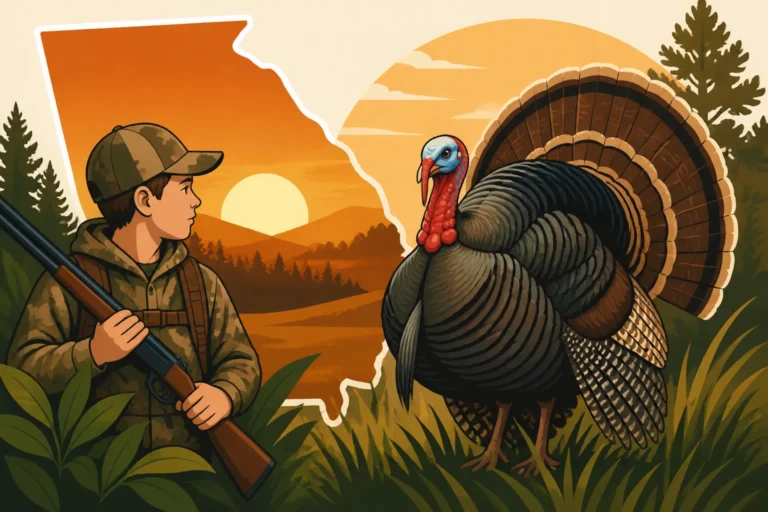
It's easy to get caught up in the excitement of Georgia's spring turkey season, counting down the days until those gobblers start sounding off. But then reality hits: the dates aren't always a straightforward statewide opener, especially if you're planning to hunt on public land. This guide is all about clearing up that common confusion, specifically focusing on the critical public-land opener and ensuring you're not left scratching your head when it's time to hit the woods.
Understanding the Staggered Opener for Public Lands
One of the biggest hurdles for Georgia turkey hunters, especially those new to hunting our public lands, is realizing that the season doesn't open uniformly across the state. While private land often has an earlier start, public lands, particularly the Wildlife Management Areas (WMAs) and certain National Forest lands, typically operate on a later schedule. This staggered approach isn't some arbitrary rule; it's a deliberate management strategy designed to mitigate hunting pressure and give the birds a bit of a break before the crowds descend.
Why Public Land Season Dates Differ
The Georgia Department of Natural Resources (DNR) manages public lands with specific conservation and recreation goals in mind. For spring turkey season, pushing the opening date back a week or so on WMAs helps to spread out hunting pressure. Imagine if every hunter in the state could hit their favorite WMA on the exact same day as private landowners – it would be a chaotic scene, and the birds would get educated and scattered almost instantly. By delaying the public land opener, it gives private land hunters their shot first, then allows for a slightly more regulated and, hopefully, less overwhelming experience for those of us who rely on public access. This also helps to ensure that turkey populations aren't overharvested in easily accessible areas and gives younger birds a better chance to mature.
Specifics of the Statewide Public Land Opener
For the most recent seasons, the general statewide public-land opener for spring turkey hunting in Georgia has been set for the second Saturday in April. For example, in 2024, the private land season kicked off on March 30th, but if you were planning to chase gobblers on a WMA or National Forest land open to turkey hunting, you had to wait until April 6th. This is a crucial distinction that can make or break your hunting plans. Always double-check the current Georgia DNR regulations booklet or their official website each year, as dates can shift slightly due to calendar alignment or specific management decisions. It's not uncommon for some WMAs to have even more restrictive or specific dates, so a quick check for the area you intend to hunt is non-negotiable. You can often find this information easily through resources like the GoHunt app or by looking up the specific WMA's regulations.
Essential Licenses and Permits for Public Land Turkey
Before you even think about setting foot on public land with a shotgun or bow in hand, you need to ensure all your legal ducks (or, in this case, turkeys) are in a row. Hunting on public land often requires more than just your basic hunting license; there are additional stamps and permits that come into play, and misunderstanding them can quickly turn a hopeful morning into a costly one.
Base Hunting Licenses and Big Game Requirements
First and foremost, every turkey hunter in Georgia needs a valid hunting license. If you're a resident, options range from annual licenses to the comprehensive Georgia Resident Sportsman License Bundle, which covers most of your bases. Non-residents have their own set of options, including various short-term or annual licenses. Beyond the base hunting license, spring turkey is considered a "big game" species in Georgia, so you'll need the appropriate big game license or a license package that includes it. This is usually automatically part of a Sportsman's License, but if you're buying individual licenses, make sure you've added this component. Don't forget, if you're a migratory bird hunter (which turkeys technically are not, but many bird hunters get this confused with HIP for doves/ducks), you'd need additional certifications, but for turkey, it's strictly hunting and big game. You'll want to have proof of your license readily available, whether it's a physical copy or on your phone using the Go Outdoors Georgia app.
WMA-Specific Stamps and Regulations
Here's where many public land hunters stumble: the WMA stamp. To legally hunt on any of Georgia's Wildlife Management Areas, you must possess a valid WMA stamp in addition to your regular hunting license and big game license. This stamp directly funds the management and upkeep of these critical public hunting grounds, so it's a small price to pay for the access they provide. Beyond the stamp, each WMA can, and often does, have its own set of specific regulations that supersede general statewide rules. These might include:
- Specific Season Dates: While there's a general public land opener, some WMAs might open even later, have specific hunt days, or even close earlier.
- Weapon Restrictions: Some WMAs might be archery-only during certain periods or restrict certain types of firearms.
- Bag Limits: While the statewide bag limit for spring turkey is typically two gobblers, some WMAs might have a more conservative one-bird limit, or even require a quota hunt drawing for access. It’s always good to be aware of Why Georgia Dropped the Turkey Limit to Two.
- Check-In/Check-Out Procedures: Many WMAs require hunters to sign in and out at designated stations or use an online check-in system. You might also need to report your harvest for that specific WMA.
It is absolutely crucial to research the specific WMA you plan to hunt before you go. The Georgia DNR website is the official source, but tools like the GoHunt platform often integrate this information, making it easier to review. This diligence ensures you're compliant and helps you understand the unique challenges and opportunities that each WMA presents.
Strategies for a Successful Public Land Opener
Opening day on public land for turkey hunting can be a mixed bag. On one hand, the anticipation is electric, and you're surrounded by fellow passionate hunters. On the other, that very passion can translate into significant hunting pressure, making it tough to locate and work a gobbler. Success on the public land opener often comes down to preparation, adaptability, and a willingness to go the extra mile.
Pre-Season Scouting and Roost Hunting
You've heard it a thousand times, but it bears repeating: pre-season scouting is paramount, especially on public land. With increased pressure on opening day, having a solid understanding of where birds are roosting, feeding, and strutting before the season even begins will give you a significant advantage. Drive logging roads, walk old timber cuts, listen for distant gobbling at dawn and dusk. Pay attention to terrain features like ridge lines, creek bottoms, and clear-cuts.
Using aerial maps and digital tools like the GoHunt app can help you identify potential roosting areas, pinch points, and secluded spots that other hunters might overlook. Don't just look for sign; listen for it. A lot of hunters focus on visual cues, but learning how to Roost Hunting Georgia Gobblers can give you a literal jump on the competition. Knowing where a bird is likely to be before the sun even thinks about rising is half the battle won. Remember, scouting isn't just about finding birds; it's about finding accessible birds while avoiding areas that will be overrun.
Dealing with Opening Day Pressure
Let's be realistic: public land on opening day will likely have other hunters. It's a fact of life. The key isn't to avoid other hunters entirely, but to anticipate where they'll be and plan accordingly. Most hunters won't venture too far from easily accessible roads or parking areas. This means your best bet for finding unpressured birds is often to hike deeper into the woods than most are willing to go. Look for pockets of habitat that are tough to get to – thickets, deep creek bottoms, or steep terrain.
Another strategy is to identify areas that might get overlooked. While everyone is focused on hearing that first gobble from the roost, consider setting up on a quiet field edge or a transition zone that birds might use later in the morning after they've been bumped. Being able to adapt your plan on the fly is critical. If you hear a dozen trucks pull into your planned spot, don't despair; pull out your map, identify a new, less obvious approach, and be prepared to put in the legwork. Sometimes, just a quarter-mile further into the woods can make all the difference, putting you beyond the immediate wave of early morning hunters. Learning to identify and navigate Hunting Pressure on Georgia Public Land is a skill that will pay dividends.
Adaptable Calling Tactics
On opening day, especially on public land, turkeys are often "call shy" by mid-morning due to the sheer volume of calling they hear from various hunters. This means your calling strategy needs to be adaptable. Instead of aggressive, loud calling that might mimic a hen already being pressured, consider starting soft and subtle. Mimic a distant hen or a few soft yelps to peak interest without sounding too eager or competitive. Sometimes, silence is your best call. If you locate a bird, set up, and wait him out. Let him wonder where that soft calling went.
Being versatile with your calls is also important. Don't just rely on one type of call. Carry a slate, a box call, and a mouth call. Different calls produce different tones, and a turkey that ignores one might respond to another. Mastering a few key types of Turkey Calls Worth Carrying in Georgia will give you an edge. And remember the "run-and-gun" approach, especially if birds are proving difficult to pin down. Moving to different setups after a period of no response, covering ground to locate new birds, can be highly effective. For more on this, check out Run-and-Gun Turkey Tactics on Public Land.
Gear Considerations for Public Land Turkey Hunting
Hunting public land often means covering more ground, navigating varied terrain, and being self-sufficient. Your gear choices can significantly impact your comfort, efficiency, and ultimately, your success. Thinking strategically about what you carry and how you carry it is just as important as knowing when and where to hunt.
Mobile Setups and Lightweight Gear
On public land, you're rarely sitting on a manicured food plot waiting for a bird to stroll in. More often, you'll be hiking through dense woods, crossing creeks, and traversing ridges. This reality demands a mobile setup. Heavy, bulky gear will only slow you down and wear you out. Focus on lightweight essentials: a comfortable turkey vest with a built-in seat cushion, a compact shotgun (perhaps a 20-gauge for lighter carry), and minimal calls.
Consider a compact ground blind or simply relying on natural cover. The goal is to be able to pick up and move quickly if a gobbler isn't cooperating or if you need to reposition due to other hunters. For more on utilizing blinds, consider guides like Using a Ground Blind on Georgia Public Land for optimal setups. Every ounce counts when you're several miles back in a WMA, chasing distant gobbles.
Mapping and Navigation Tools
Public lands, especially larger WMAs or National Forest tracts, can be vast and disorienting, even for experienced hunters. Investing in reliable mapping and navigation tools is not just a convenience; it's a safety essential. While a traditional paper map and compass are always good backups, modern GPS units and smartphone apps have revolutionized how we navigate the woods.
Apps like GoHunt or the official Georgia Outdoors App are invaluable. They offer detailed satellite imagery, property lines, topo maps, and often overlay WMA boundaries and access points. These features allow you to:
- Scout from home: Identify potential roosting sites, travel corridors, and access points.
- Navigate in the field: Pin your vehicle, mark gobbling locations, track your movement, and avoid trespassing.
- Understand terrain: Identify changes in elevation, creek drainages, and dense cover.
Make sure your phone is fully charged, and consider carrying a portable power bank. Download offline maps before you head into areas with no cell service. Having a clear understanding of your surroundings, and where you are in relation to public land boundaries, will allow you to hunt more confidently and efficiently. For more tips on leveraging technology, read up on Scouting With the Georgia Outdoors App.
Public vs. Private Land Opener Comparison
To help clarify the differences, here's a quick overview of the key distinctions between hunting Georgia's private land and public land (WMAs) during the spring turkey season opener. Remember, specific WMA regulations can always vary, so verify for your chosen area!
| Feature | Private Land (General Season) | Public Land (WMAs/National Forest General Opener) |
|---|---|---|
| Opening Date (Example) | Last Saturday in March (e.g., March 30th, 2024) | Second Saturday in April (e.g., April 6th, 2024) |
| Primary License Needed | Valid Georgia Hunting License, Big Game License | Valid Georgia Hunting License, Big Game License, WMA Stamp |
| Hunting Pressure | Varies greatly by property, generally lower | Often significantly higher, especially on opening day |
| Specific Regulations | Primarily statewide rules (see Georgia Spring Turkey Season Rules) | Statewide rules + WMA-specific rules (check individual WMA) |
| Scouting Importance | High | Very High, often critical for success |
| Required Check-In/Out | Generally not required | Often required (online or physical stations) |
| Bag Limit (Statewide) | Two gobblers (or bearded turkeys) per season | Two gobblers per season, but some WMAs may have one |
| Accessibility | Requires landowner permission | Open to anyone with proper licenses/stamps |
Remember to always consult the current Georgia DNR hunting regulations for the most up-to-date and precise information for the season you plan to hunt.
Disclaimer
Please note that hunting regulations, season dates, and license requirements are subject to change. Always consult the official Georgia Department of Natural Resources (DNR) website or the current Georgia Hunting Regulations guide for the most accurate and up-to-date information before planning any hunting trip. This article is for informational purposes only and does not constitute legal advice or an exhaustive list of all regulations.