The Georgia Youth and Mobility-Impaired Weekend
It can be tough to navigate the ever-changing hunting regulations and special seasons here in Georgia, especially when you're trying to introduce new hunters or accommodate those with mobility challenges. Finding clear, comprehensive information about specific opportunities like the Youth and Mobility-Impaired Weekend can feel like searching for a needle in a haystack. This guide is here to break down everything you need to know about this special weekend, ensuring you can make the most of this fantastic opportunity to get out in the woods.
Understanding the Youth and Mobility-Impaired Weekend in Georgia
Georgia's natural beauty and abundant wildlife offer incredible hunting experiences, and the state's wildlife resources division recognizes the importance of making these opportunities accessible to everyone. The Youth and Mobility-Impaired Weekend is a shining example of this commitment, providing a dedicated period where these groups can enjoy the outdoors with reduced pressure and specific advantages. It's a chance to build memories, teach conservation, and ensure hunting remains a tradition for generations to come, as well as a pastime for individuals who might otherwise face significant barriers.
Who Qualifies for This Special Opportunity?
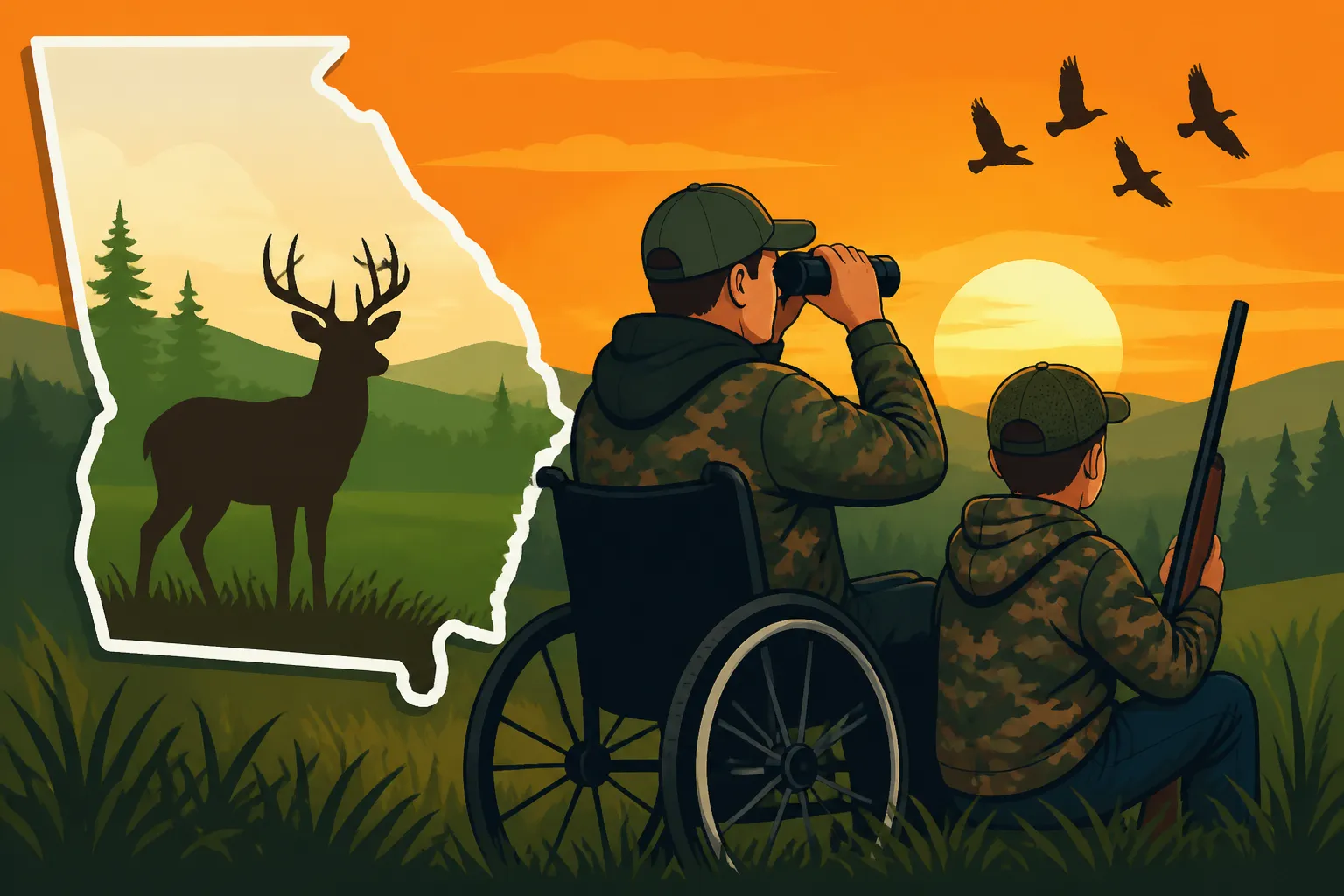
This special hunting weekend is specifically designed for two groups: youth and mobility-impaired hunters. The definitions are pretty straightforward, but it's crucial to understand them fully to ensure compliance and avoid any misunderstandings in the field.
For youth hunters, this typically includes anyone 16 years of age or younger. The beauty of this framework is that it encourages adult mentors to take out younger generations, fostering a love for the outdoors and responsible hunting practices from an early age. Imagine the excitement of a young hunter, maybe on their very first deer hunt, sitting in a stand with their parent or grandparent during a time when fewer other hunters are out. It’s an invaluable experience that goes beyond just the harvest, teaching patience, observation, and respect for nature. You can learn more about specific rules around age and supervision in the guide on Minimum Age for Unsupervised Georgia Hunting and How Close a Georgia Mentor Must Stay.
Mobility-impaired hunters are defined by specific criteria set forth by the Georgia Department of Natural Resources (DNR). Generally, this includes individuals who, due to a permanent physical disability, are unable to walk without the aid of a walking device (like a crutch, a cane, or a brace), a wheelchair, or who have lost the use of one or both legs. It also often extends to those who are permanently dependent on a wheelchair or similar mobility device. This designation ensures that those facing physical challenges still have equitable access to hunting, often through special provisions that make the experience more manageable and enjoyable. It's about leveling the playing field, allowing everyone to participate in Georgia's rich hunting heritage. Having a designated weekend with lighter crowds can make a huge difference for someone needing extra time or assistance to get to their spot.
When Does This Special Season Occur?
Timing is everything in hunting, and knowing precisely when the Youth and Mobility-Impaired Weekend falls is paramount for planning your trip. This special weekend typically occurs before the statewide firearms deer season opens for the general public. It usually takes place in late October, offering a unique window to pursue deer before the full rush of gun hunters descends upon the woods. For spring turkey hunting, a similar special youth and mobility-impaired weekend often precedes the regular public land opener, giving these hunters an early crack at gobblers. You can find detailed dates on the Georgia Department of Natural Resources website or through handy apps and resources like GoHunt, which often compile these dates for easy access.
For deer, this pre-season timing is a huge advantage. Deer haven't been pressured by firearms yet, and their patterns might be more predictable. It’s an ideal time for a new hunter to experience the excitement without the added challenge of highly skittish game. For instance, if the main firearms season kicks off in mid-November, this special weekend provides a solid head start, usually the last weekend in October. This slight shift can make all the difference in connecting with a deer, especially for someone learning the ropes or requiring a slower pace. Always double-check the specific dates each year, as they can occasionally shift based on the calendar.
Why This Weekend Matters for Hunters
This special weekend isn't just a regulatory formality; it embodies a profound philosophy that supports the future of hunting and promotes inclusivity. It’s a dedicated time that acknowledges specific needs and works to overcome barriers, ensuring that the hunting tradition continues to thrive in Georgia.
First and foremost, it’s about recruitment and retention. Introducing youth to hunting in a less competitive, more relaxed environment significantly increases their chances of a positive first experience. Early success, even just seeing deer, builds confidence and excitement, paving the way for a lifelong passion. It's also an opportunity for mentors to truly teach rather than just hunt. They can focus on tracking, deer biology, safety, and ethical shot placement without the pressure of a crowded season. Many youth hunters start with archery during When Georgia's Archery Season Opens, but this weekend offers a chance to try firearms under ideal conditions.
Secondly, it addresses accessibility and equity. For mobility-impaired hunters, navigating rough terrain, dense cover, or crowded public lands can be daunting, if not impossible. This special weekend often comes with specific provisions or less competition for accessible spots, making the hunting experience more feasible and enjoyable. It sends a clear message that hunting is for everyone, regardless of physical challenges. This commitment to accessibility is vital for ensuring that hunting remains a truly inclusive sport. By providing these windows, Georgia reinforces that the outdoor experience should be available to all who wish to participate.
Rules and Regulations for Participation
Navigating hunting regulations can sometimes feel like deciphering a complex legal document, but understanding the rules for the Youth and Mobility-Impaired Weekend is crucial for a successful and legal hunt. While the core framework is straightforward, specific nuances apply to licensing, permitted species, and weapon choices. Don’t just assume – always verify the latest regulations, especially if using a resource like GoHunt, which draws directly from DNR data.
Licensing and Permit Requirements
Before anyone steps into the woods, proper licensing is non-negotiable. For youth hunters, the requirements are often simplified to encourage participation. Typically, a youth hunter who is 16 years old or younger is not required to possess a hunting license. However, if they intend to hunt big game like deer, they usually need a Big Game License. This distinction is important; while the basic license might be waived, specific game tags are usually still necessary. They also often fall under the supervision of a licensed adult mentor. It's a fantastic way to get them started without the full financial burden of adult licenses. More details can be found in our guide on Georgia Hunter Education Requirements and Georgia Apprentice Hunter License Rules.
For mobility-impaired hunters, standard hunting licenses are generally required, including a Big Game License if pursuing deer. However, there are often special permits or accommodations available through the Georgia DNR that may facilitate their hunt. These could include specific access permits for certain WMAs or provisions for using assistive devices. It's always a good idea for mobility-impaired hunters to contact the Georgia DNR directly or check their official website well in advance to understand any specific requirements or benefits they might qualify for. This ensures they have all the necessary documentation and are fully aware of any available support.
Game Species and Bag Limits
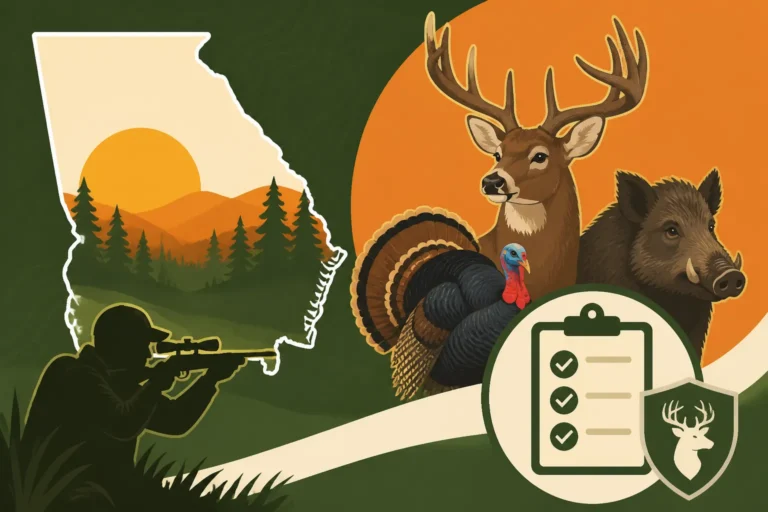
The primary focus of the Youth and Mobility-Impaired Weekend typically revolves around white-tailed deer during the fall season and wild turkeys during the spring. These are the most popular big game species in Georgia, and offering special opportunities for them during this weekend provides a significant draw.
For deer, hunters participating in this special weekend are generally allowed to harvest legal bucks and antlerless deer, adhering to the statewide or county-specific bag limits. Georgia's generous Georgia's Twelve-Deer Bag Limit allows for multiple antlerless deer and up to two antlered bucks per season. The specific rules regarding antler restrictions (e.g., how many points a buck must have) and antlerless days are usually the same as the regular season, but it's vital to check the current regulations for the county you plan to hunt. For example, some WMAs might have different rules. For many, this weekend means a shot at an early season buck or filling an antlerless tag before the crowds arrive. Our guide on Georgia Deer Season Structure Explained provides a comprehensive overview.
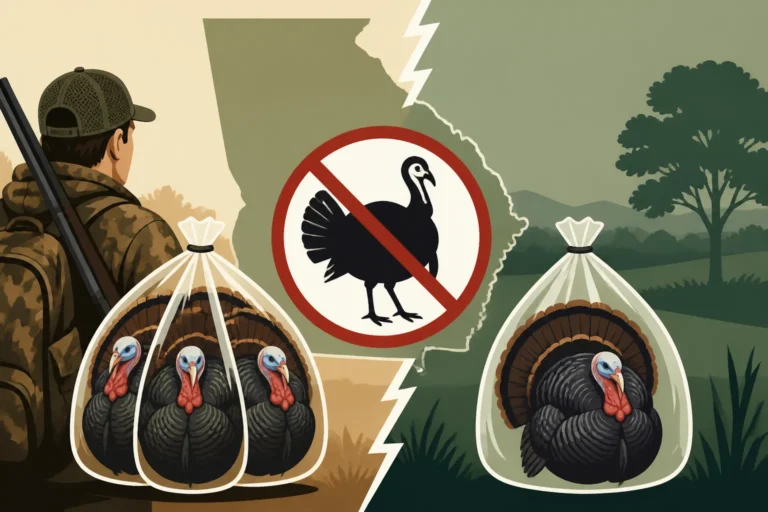
For turkeys in the spring, the youth and mobility-impaired weekend often allows for the harvest of gobblers (male turkeys) or jakes (juvenile male turkeys), subject to the daily and seasonal bag limits. Currently, Georgia's spring turkey season limits hunters to two gobblers per season. This weekend often gives eligible hunters an opportunity to tag one of those birds early. You can find more specific details about the spring season in Georgia Spring Turkey Season Rules and The Georgia Youth Turkey Weekend.
Here's a quick overview of typical species and limits, but always verify with the current Georgia DNR regulations:
| Game Species | Typical Bag Limit | Special Weekend Focus | Notes |
|---|---|---|---|
| White-tailed Deer | 2 Antlered, 10 Antlerless (statewide) | Antlered & Antlerless Deer | Check county-specific antler restrictions and WMA rules. |
| Wild Turkey | 2 Gobblers (statewide, spring) | Gobblers/Jakes | Daily bag limit typically one. |
Allowed Weapons and Methods
This weekend often provides more flexibility with weapon choices, particularly for youth hunters, compared to the general archery-only periods. For the Youth and Mobility-Impaired Weekend, firearms (including rifles, shotguns, and muzzleloaders) are generally permitted for deer hunting, which is a key advantage. This means a young hunter can use a traditional rifle, perhaps a .243 or a 6.5 Creedmoor, under careful adult supervision. This is especially helpful for new hunters who might not yet be proficient with a bow.
Archery equipment (vertical bows and crossbows) is also permitted. For mobility-impaired hunters, the use of crossbows is often specifically allowed during this time, even if there are restrictions for other hunters during the archery-only season. Always confirm specific regulations regarding crossbow use, as rules can vary. For example, Georgia generally allows crossbows for all hunters during any deer season. However, understanding the nuances of different weapons and their specific legality is always important. Our Crossbow Versus Vertical Bow in Georgia guide can offer more insights.
Methods such as hunting from a stand, ground blind, or still-hunting are all generally allowed. Given the focus on accessibility, using a ground blind might be a more comfortable option for some mobility-impaired hunters, offering easier access and greater stability. Learning about Ground Blind Rules on Georgia WMAs can be beneficial if you're planning to hunt public land. Baiting rules remain consistent with statewide regulations; generally, baiting is permitted on private land for deer in Georgia, but strictly prohibited on public lands like WMAs.
Maximizing Your Experience on This Special Weekend
A successful and enjoyable hunting experience, especially during a special season like this, hinges on thorough preparation and careful execution. It’s not just about the harvest; it’s about the entire outdoor adventure, the lessons learned, and the memories created.
Scouting and Preparation Tips
You wouldn't head out on a long trip without a map, and hunting is no different. Scouting is paramount, even for a short, special season. Before the Youth and Mobility-Impaired Weekend, spend time in the woods you plan to hunt. Look for deer signs: rubs, scrapes, tracks, and droppings. Identify potential food sources like acorns or persimmons, and locate natural travel corridors such as creek bottoms or saddlebacks. A useful tool like GoHunt can provide detailed aerial maps and public land boundaries, which is invaluable for pre-season scouting. You can learn more about general scouting in Scouting Georgia Public Land Before Season.
For youth hunters, make scouting an educational experience. Teach them how to identify different tree species, how deer use the landscape, and what fresh sign looks like. This hands-on learning builds a deeper connection to the environment. For mobility-impaired hunters, scouting needs to focus on accessibility. Find spots with easy entry and exit, stable ground for a blind or stand, and clear shooting lanes. Consider using an ATV or other off-road vehicle if permitted on the property to reach suitable locations. Remember, physical limitations don't mean sacrificing a good spot; it just means finding the right good spot.
Practice with your weapon well in advance. For youth, familiarity and confidence with their firearm are crucial. Ensure they can safely load, unload, and operate it, and practice shooting from realistic hunting positions, like sitting in a chair or from a ground blind. For mobility-impaired hunters, practice shooting from their preferred hunting position, whether that's a wheelchair, a specialized seat, or a supported standing position. Accuracy and ethical shot placement are vital, and practice ensures readiness when the moment arrives. Don’t wait until the weekend itself to realize the scope isn't zeroed or the young hunter isn't comfortable with the recoil.
Recommended Hunting Locations
Georgia offers a diverse landscape, and choosing the right location can significantly impact your success. For the Youth and Mobility-Impaired Weekend, consider both private and public land opportunities.
Private land is often ideal if you have access. Landowners might be more willing to grant permission for youth or mobility-impaired hunters, especially if it’s a controlled and respectful hunt. Private properties often have less hunting pressure and can be easier to navigate, with established trails or food plots. If you have a friend with a farm in the Piedmont or Coastal Plain, this weekend is a perfect time to ask if you can bring a new hunter.
Public hunting land in Georgia also holds great potential. Many Wildlife Management Areas (WMAs) have designated accessible hunting areas or trails. Use the Georgia DNR's online mapping tools or a service like GoHunt to identify WMAs with terrain that is suitable for mobility challenges or areas known for good deer and turkey populations. Areas with open pine stands or field edges can be easier to navigate than dense swamp bottoms or steep mountain terrain. Consider WMAs in the Piedmont region for their mixed habitats or parts of the Coastal Plain for their expansive longleaf pine forests. Checking a WMA’s specific regulations for the Youth and Mobility-Impaired Weekend is critical, as some may have special sign-up or access procedures. A few WMAs, such as those with powerline cuts or managed fields, are particularly well-suited for ground blind setups that can accommodate various needs.
Safety First: Special Considerations
Safety is always the top priority in hunting, and this weekend is no exception. In fact, with new or mobility-impaired hunters involved, it takes on even greater importance.
Hunter education is foundational. Ensure that all participants who require it have completed their Georgia Hunter Education Requirements. For youth hunters, even if not legally required to have completed the course, a strong understanding of hunter safety principles is a must. This includes firearm handling, target identification, and zone of fire.
For firearms safety, stress the four cardinal rules: treat every firearm as if it's loaded, always point the muzzle in a safe direction, be sure of your target and what’s beyond it, and keep your finger off the trigger until ready to shoot. These rules are non-negotiable. When hunting with a youth, the mentor should always be in control of the situation, providing direct supervision and guidance.
Mobility-impaired hunters may have additional safety needs. Ensure access points are clear and stable. If using a treestand, ensure it's securely installed and that the hunter is comfortable and safely harnessed, potentially with assistance for entry and exit. For ground blinds, ensure the area is clear of trip hazards. Communication is also key; always have a reliable way to contact help, like a fully charged cell phone or a satellite messenger, especially if hunting in a remote area. Carrying a well-stocked first-aid kit is always a good idea, as are extra layers of clothing, water, and emergency food.
Passing on the Tradition and Fostering Accessibility
The true value of the Georgia Youth and Mobility-Impaired Weekend extends far beyond the number of animals harvested. It's about planting seeds for the future, ensuring that the rich tradition of hunting endures, and that everyone has the chance to experience the profound connection to nature that hunting provides.
Mentorship and the Next Generation
This weekend is a powerful platform for mentorship. For youth, hunting isn't just a sport; it's a curriculum. Mentors teach patience when waiting in a stand, the importance of silence, how to read animal behavior, and the critical skill of ethical shot placement. They also instill a deep respect for the animal and the environment. It's a chance to explain why we have seasons and bag limits, connecting the hunt to broader conservation efforts. Watching a mentor field dress a deer or clean a turkey helps a young person understand the full cycle of the harvest and their role in it. The lessons learned during a hunt — responsibility, self-reliance, observation — are lifelong skills. Consider exploring topics like Georgia Deer Camp Traditions for ideas on making the experience truly memorable for new hunters.
The emphasis on youth participation is a strategic move to combat declining hunter numbers. By making the entry point smoother and more enjoyable, Georgia is actively investing in the future of its wildlife resources and the hunting heritage itself. These experiences build not just hunters, but conservationists and stewards of the land.
Supporting Mobility-Impaired Hunters
Beyond the specific weekend, supporting mobility-impaired hunters is an ongoing effort that requires awareness and practical solutions. Many organizations and individual hunters are dedicated to making the outdoors more accessible. This might involve building accessible hunting blinds, providing specialized equipment, or simply offering assistance to and from hunting locations. The Georgia DNR itself works to identify and improve accessible hunting opportunities on public lands.
If you know a mobility-impaired hunter, consider reaching out to offer your support, whether it's helping scout a new area, setting up a blind, or simply sharing information about accessible locations and resources. These small acts of kindness can make a world of difference. Furthermore, resources like the Georgia Outdoors App and services like GoHunt can help identify suitable terrain and accessible facilities, ensuring that everyone can partake in the adventure. The goal is to remove barriers, not just for a weekend, but for every opportunity to enjoy Georgia's incredible hunting landscape.
Disclaimer
Please remember that hunting regulations can change. While every effort has been made to provide accurate and up-to-date information, it is your responsibility to verify all rules, seasons, and bag limits directly with the Georgia Department of Natural Resources (DNR) before participating in any hunting activity. Consult the official Georgia Hunting Regulations and Seasons guide for the current year.