Georgia Archery Season Dates
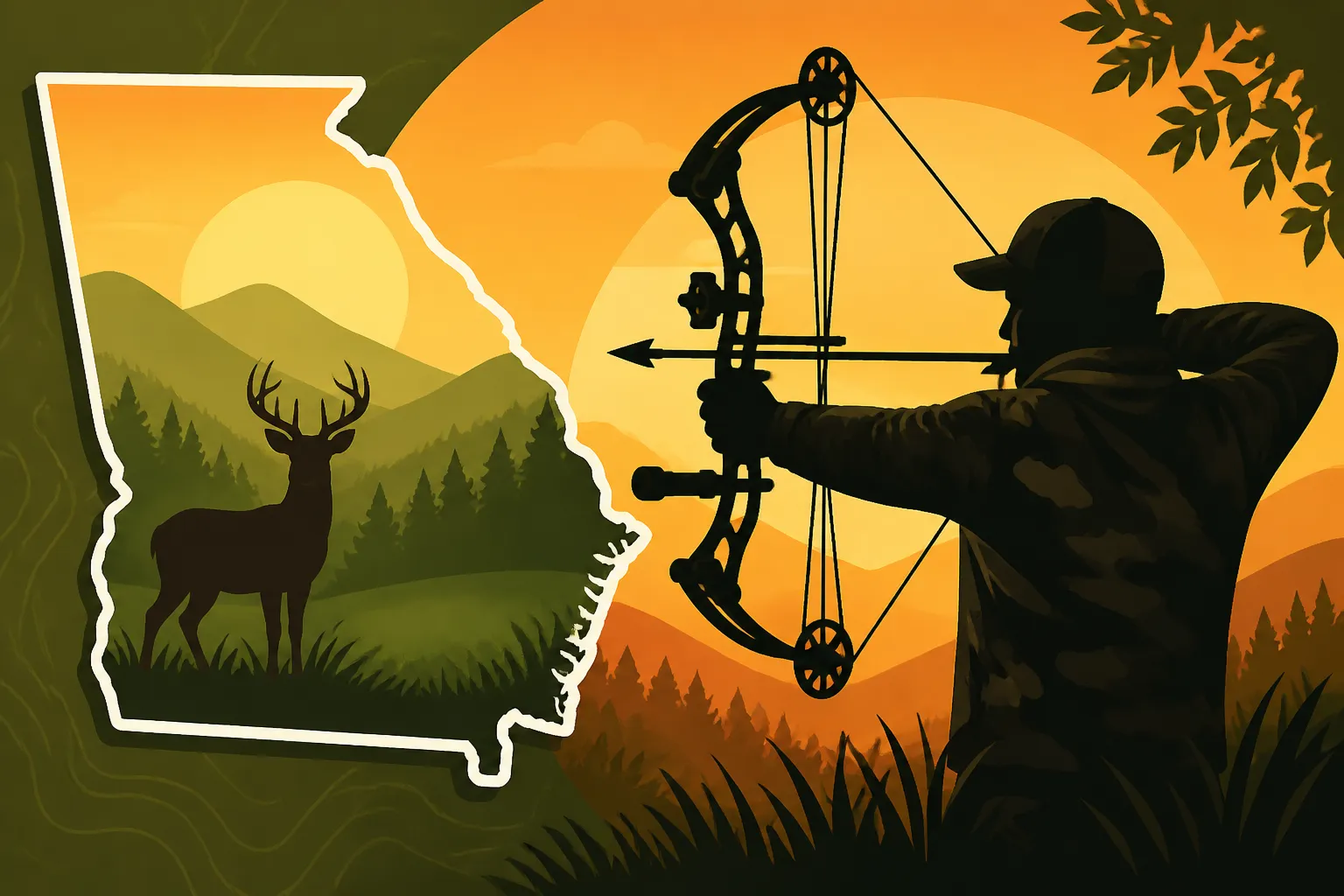
For archers in Georgia, there's nothing quite like the anticipation that builds as summer fades and the promise of early September arrives. But let's be real, keeping track of all the hunting regulations and season dates in Georgia can sometimes feel like trying to untangle a spool of fishing line after a big catch – confusing, frustrating, and prone to last-minute knots. One minute you're planning your opening day strategy, the next you're wondering if that early youth weekend applies to you, or if that suburban zone you’ve been scouting has entirely different rules. This comprehensive guide is here to untangle those complexities, walking you through everything you need to know about Georgia's archery season dates, special opportunities, and how to stay on the right side of the law.
Understanding the Georgia Archery Season Framework
Georgia’s deer hunting framework is designed to offer a variety of opportunities, and the archery season kicks it all off, providing hunters with a unique challenge and a peaceful start to the fall. But it’s not always a one-size-fits-all situation across the whole state.
Statewide Versus Specific Zone Dates
Generally, the archery season across Georgia opens statewide on a consistent early September date. This is the moment many bowhunters have been waiting for, a chance to get into the woods before the crowds swell with the primitive weapons and firearms openers. For most of the state, this early start gives archers several weeks of exclusive bowhunting opportunities. You're out there, just you and the deer, often in milder weather, which can be both a blessing and a curse. You'll find deer still on somewhat predictable summer patterns, but the full foliage can make shot placement tricky, and the heat can make game recovery a sweaty affair.
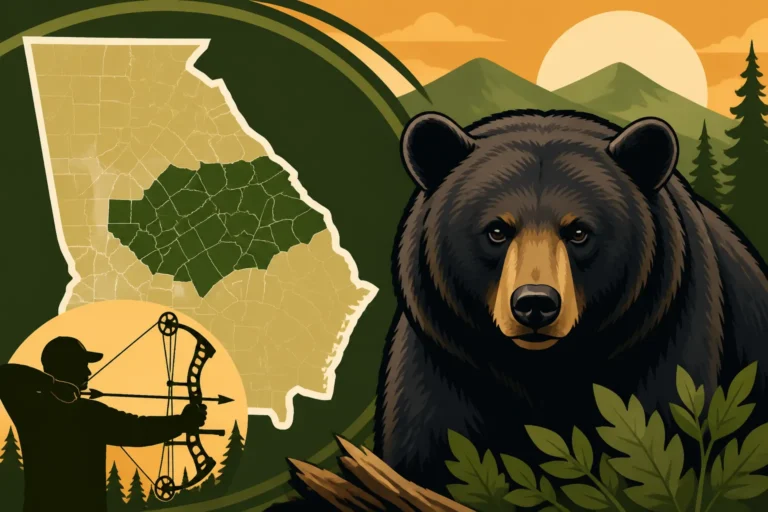
However, it's never quite that simple. Georgia also implements specific zone dates and regulations that can affect your archery season. For instance, the Georgia's Chronic Wasting Disease Management Area (CMA) might have slight variations or specific guidelines that impact how and when you hunt, even if the general archery season dates remain consistent. Similarly, some heavily populated suburban areas around cities like Atlanta have designated "archery-only" zones, often with extended seasons. These zones are created to help manage burgeoning deer populations in areas where discharging firearms would be unsafe or illegal due to proximity to homes and businesses. It's crucial not to assume that just because you're in one part of the state, the rules will be identical to another. Always double-check your specific hunting location.
The Importance of Checking Current Regulations
I can't stress this enough: always consult the current official Georgia Department of Natural Resources (DNR) regulations. While I can give you the typical framework, exact dates can, and sometimes do, shift slightly from year to year. A week here or there might not seem like much, but it can make all the difference when planning a hunting trip or even just an afternoon sit.
The Georgia DNR updates its annual hunting regulations every summer, typically publishing them online and through printed guides available at license vendors. This is your primary source of truth. Relying on last year's guide, or even word-of-mouth, is a recipe for a potentially illegal hunt and a hefty fine. Changes can be driven by wildlife management goals, population trends, or even legislative decisions. It’s not uncommon for a deer biologist to recommend a slightly earlier or later end to a season in a particular area to better manage the herd. Many hunters find using digital resources invaluable. Platforms like Go Outdoors Georgia are fantastic for purchasing licenses and reading the regs, and for those who like to be prepared on the go, the Georgia Outdoors app provides access to maps and regulations right from your phone, even when cell service is spotty. Staying informed isn't just about avoiding trouble; it's about being a responsible and ethical hunter.
Typical Opening and Closing Dates for Archery Season
The rhythm of Georgia's deer season traditionally begins with the silent draw of a bowstring. It's a special time, full of anticipation, and offers a different kind of challenge than the later firearm seasons.
Early September Opener
For most of Georgia, archery season kicks off in early September. This means you're often hunting in warm, humid conditions, a stark contrast to the crisp, cool mornings many associate with deer hunting. The exact date usually falls around the second Saturday of September. For many, this is the first opportunity to chase whitetails after a long off-season, and the excitement is palpable.
Hunting in early September has its own unique set of strategies and challenges. Deer are still primarily focused on summer food sources – lush green fields, early mast crops, and agricultural offerings. Their patterns might still be heavily nocturnal due to the heat, making dawn and dusk the most productive times. Full foliage means visibility can be limited, demanding closer shot opportunities and careful placement. The heat also means you need to be extra vigilant about game recovery. A deer left overnight in 80-degree temperatures can spoil quickly. This early season truly tests an archer’s patience and woodsman skills. If you're wondering about the precise date this year, you can always check When Georgia's Archery Season Opens on the DNR website.
Overlap with Primitive Weapons and Firearms Seasons
One of the beautiful things about Georgia's hunting regulations is that the statewide archery season doesn't just end when other seasons begin. Instead, it overlaps and continues through the primitive weapons season and the statewide firearms season, all the way until the general deer season concludes in early January. This means that if you prefer to hunt with your bow, you can continue to do so even when muzzleloaders are thundering and rifles are cracking.
However, this overlap comes with important considerations. Once the primitive weapons or firearms seasons open, if you're hunting in an area where those weapons are permitted, you generally must comply with all safety regulations, including wearing blaze orange. Even if you're carrying a bow, if a rifle hunter could be in the area, you need to be visible. This is a critical safety rule and not one to be taken lightly. Many archers find this overlap period presents an interesting dynamic. Some public lands might become more crowded, pushing deer into thicker cover. Conversely, areas designated as archery-only zones throughout the entire season can become havens for deer seeking refuge from the increased pressure. Understanding How Georgia's Deer Season Runs Archery to January is key to planning a successful season regardless of your preferred weapon.
End of the Season and Extended Opportunities
The statewide archery season, along with the general firearms season, typically wraps up in the first week or two of January. By this point, deer have been pressured for months, food sources might be scarce, and the weather can finally get downright cold, offering some crisp, quiet hunts.
But just like the beginning, the end isn't always uniform. Georgia offers extended opportunities in certain areas. For example, the Hunting Into the Extended Southwest Season in specific counties often provides a few extra days or even weeks for hunters, sometimes exclusively with archery equipment, to help manage robust deer populations. Similarly, some Wildlife Management Areas (WMAs) or federal lands might have slightly different closing dates or special late-season hunts that require a quota permit. It's always worth checking the WMA-specific regulations if you plan to hunt public land late in the season, as they can sometimes vary from statewide rules. These late-season hunts can be challenging, with deer at their wariest, but they also offer a chance at a mature buck still recovering from the rigors of the rut.
Special Archery Opportunities and Considerations
Beyond the standard statewide framework, Georgia offers unique archery opportunities designed to address specific wildlife management goals, introduce new hunters, or manage deer in challenging environments.
Youth Deer Weekend
One of the most heartwarming times of the season is the dedicated Georgia Youth Deer Weekend. This special two-day event, typically held earlier in the fall before the general statewide firearms season, allows youth hunters (usually under 16, but check current regulations for exact age requirements) to hunt deer with any legal weapon, including archery equipment, alongside a licensed adult. It's a fantastic initiative to get young folks excited about hunting, learn about conservation, and spend quality time outdoors.
For archery enthusiasts, this weekend can be an excellent opportunity to introduce a child to bowhunting without the added pressure and competition of the later gun seasons. Imagine teaching your son or daughter how to quietly nock an arrow, waiting patiently in a ground blind or treestand, and the thrill of spotting a deer through the trees. It’s about building a foundation of respect for nature and the animals we pursue, fostering a love for the outdoors that will last a lifetime. The adult mentor doesn't even have to hunt themselves, as long as they meet the supervision requirements.
Suburban Archery-Only Zones
As Georgia's population grows, so does the overlap between human development and wildlife habitat. This is particularly evident with white-tailed deer, which often thrive in suburban environments where natural predators are scarce and food sources, like landscaping plants, are abundant. To address potential overpopulation and associated issues like vehicle collisions and property damage, many counties or municipalities have established Georgia Suburban Archery-Only Zones.
These zones typically have significantly extended archery seasons, often starting in early September and sometimes running well into January or even February. The premise is simple: archery is a quieter, safer method of deer harvest in areas where firearm discharge is restricted. Hunting in these zones requires an intimate understanding of local ordinances, strict adherence to safety protocols (like hunting from an elevated stand or ground blind with a safe backdrop), and often, securing permission from multiple landowners if you're trying to gain access to fragmented parcels. These hunts can be incredibly productive, as deer in these areas often have less pressure than their rural counterparts, but they demand a high level of responsibility and discretion from the hunter.
CWD Management Area Impact
The recent discovery of Chronic Wasting Disease (CWD) in Georgia has led to the establishment of a Georgia's Chronic Wasting Disease Management Area (CMA) in certain counties. While the primary impact of the CMA revolves around carcass movement restrictions and mandatory testing, it's crucial for archers to be aware of any potential date or regulation modifications.
Currently, the archery season dates within the CMA largely align with statewide dates, but the situation is dynamic. As wildlife agencies learn more about CWD prevalence and distribution, regulations could adapt. For instance, there might be increased emphasis on hunter harvest within the CMA to help manage deer populations and mitigate disease spread. It's not just about the dates, but also about the responsible handling of your harvest. If you're bowhunting in or near the CMA, you must be prepared to follow all guidelines for carcass transport and submit your deer for CWD testing if required. This is a critical component of preserving Georgia's deer herd for future generations.
Licensing and Hunter Education Requirements
Before you even think about stringing an arrow or climbing into a stand, you need to ensure all your ducks are in a row regarding licensing and hunter education. It’s not just about compliance; it’s about showing you’re a responsible and knowledgeable participant in Georgia’s hunting tradition.
Essential Licenses for Archery Hunting
To legally hunt deer with a bow in Georgia, you'll need a couple of key pieces of paper (or digital files, as the case may be!). First and foremost, you need a basic Georgia Hunting License. This is your general permission slip to hunt any legal game. Beyond that, for deer, you’ll also need a Georgia Big Game License. This specific tag covers your deer and turkey harvesting privileges.
Residents of Georgia have a few options, including annual licenses or the popular Resident Sportsman's License, which bundles together many necessary permits, including freshwater fishing, big game, and state waterfowl stamps, often saving you money in the long run. Non-residents, of course, have their own set of licenses, usually at a higher cost, and often with shorter-term options like a 3-day license if you're just visiting. All these can be purchased easily online through the Go Outdoors Georgia platform, at authorized license vendors like your local sporting goods store, or even at some county probate courts. Make sure to buy them well in advance of the season opener to avoid any last-minute stress! Understanding Georgia Hunting Licenses and What They Cost is your first step to a legal hunt.
Hunter Education and Apprentice Licenses
For any hunter born on or after January 1, 1961, completing a Georgia Hunter Education course is mandatory before purchasing a hunting license. This course covers vital topics like firearm safety, wildlife identification, hunting ethics, and game laws – all crucial knowledge for anyone venturing into the woods. Even though we're talking archery, the principles of safety and ethics are universal.
Now, if you're new to hunting or haven't had a chance to complete the hunter education course yet, don't despair! Georgia offers an Apprentice Hunter License. This allows you to hunt legally under the direct supervision of a licensed and hunter education-certified mentor. This is a fantastic way to gain experience and mentorship in the field while you work towards completing your own hunter education. The mentor must be at least 18 years old and maintain direct supervision, meaning they must be within sight and normal voice communication. It’s a brilliant way for seasoned hunters to pass on their knowledge and passion to the next generation. You can find more details on Georgia Hunter Education Requirements through the DNR website.
Navigating Regulations and Resources
Hunting in Georgia, especially with a bow, is a constantly evolving journey. The landscape changes, deer patterns shift, and regulations are occasionally tweaked. Having the right resources at your fingertips can make all the difference between a frustrating season and a highly successful one.
Official Georgia DNR Resources
Let's circle back to the absolute gold standard: the official Georgia DNR website and their annual hunting regulations guide. Seriously, bookmark it. This is not just a suggestion; it's a requirement for any responsible hunter. The guide is usually released in late summer, well before the archery season kicks off. It contains all the precise dates, bag limits, weapon restrictions, WMA-specific rules, and general hunting laws that you need to know.
Beyond the printed or downloadable PDF guide, the Go Outdoors Georgia online platform is your hub for purchasing licenses, checking your harvest history, and diving into the digital version of the regulations. And then there's the Georgia Outdoors app. This free mobile application, developed by the DNR, is a game-changer. It offers interactive maps showing public and private lands, WMA boundaries, and overlays for various hunting zones. Crucially, it also provides access to the regulations, even if you lose cell service deep in the Chattahoochee National Forest. It means you can verify a boundary or a rule right there in the field, which can save you a lot of headaches, or even a citation.
Using Mapping Tools for Scouting and Compliance
Modern mapping tools have revolutionized how we scout and hunt. For Georgia archers, these tools are indispensable for understanding terrain, finding deer sign, and, most importantly, ensuring you're hunting legally within the correct dates and zones. Apps like the Georgia Outdoors app, and even popular third-party tools like GoHunt or onX Hunt, offer incredibly detailed satellite imagery, topographic maps, and property line overlays.
Imagine you're scouting a new piece of public land. With an app like GoHunt, you can quickly identify the WMA boundaries, locate potential bedding areas, identify food sources, and pinpoint creek bottoms or saddles that might funnel deer movement. You can mark potential stand locations, track your mileage, and even verify if a particular parcel is private or public land, a crucial step for avoiding trespass issues. Learning Finding Georgia Property Lines through these apps can prevent embarrassing encounters with landowners and ensure you always have permission where needed. Similarly, using these tools to understand where a suburban archery-only zone begins and ends, or confirming the specific rules for a particular WMA, helps you stay compliant. You can even use them to scout areas for early season food sources, which are critical for those September archery hunts. Being able to access and interpret these maps while in the field, even offline, makes you a more effective and responsible hunter. This kind of preparation, whether you're planning for Bowhunting Georgia's Early Archery Season or the late-season push, is truly invaluable.
| Season Type | Typical Opening Date | Typical Closing Date | Notes |
|---|---|---|---|
| Statewide Archery Season | Early September (2nd Saturday) | Early January (Jan 10-15) | Archery season continues through primitive weapons and firearms seasons. Blaze orange required when firearms are permitted. |
| Youth Deer Weekend | Late October/Early November | Late October/Early November | Specific weekend for youth hunters, any legal weapon. Adult supervision required. |
| Suburban Archery-Only Zones | Early September | Late January/Early February | Extended seasons in designated areas, often with specific local ordinances. Check county-specific rules. |
| CWD Management Area | Early September | Early January (Jan 10-15) | Statewide dates usually apply, but specific carcass and testing regulations are in effect. |
Disclaimer
Please be aware that hunting regulations, season dates, and license requirements in Georgia are subject to change. While this guide provides a comprehensive overview, it is essential for all hunters to consult the most current official Georgia Department of Natural Resources (DNR) regulations and publications before heading afield. The information provided here is for informational purposes only and should not be considered a substitute for official DNR resources.