Georgia Deer Season Structure Explained
Trying to make sense of Georgia's deer season can feel like you're staring at a tangled mess of fishing line after a big cast – all confusing dates, weapon restrictions, and different zones that just don't seem to line up. It's enough to make even a seasoned hunter scratch their head, let alone someone new to the woods or visiting from out of state. This comprehensive guide is here to untangle that line, breaking down the exact structure of Georgia's deer seasons, from the crisp early archery days to the cold, late-season firearm opportunities, so you can plan your hunts with confidence and clarity.
Understanding the Georgia Deer Hunting Calendar
Georgia's deer season isn't just one long, continuous stretch; it's a carefully orchestrated calendar designed to balance hunting opportunities, manage the deer herd effectively, and distribute hunter pressure. This layered approach can seem daunting at first, but once you understand the logic behind it, it becomes much easier to navigate and plan your pursuits.
Why Georgia's Seasons Are Layered
The Georgia Department of Natural Resources (DNR), specifically the Wildlife Resources Division, employs a layered season structure for several key reasons, all revolving around sound wildlife management principles and providing diverse recreational opportunities. Biologically, different weapon types and hunting pressures have varying impacts on the deer herd. Allowing archery hunters an early start means they can target deer before the full onset of hunting pressure from firearms, which can alter deer behavior significantly. This staggered approach also helps to spread out hunters across public and private lands, preventing overwhelming congestion on any single opening day. For example, by having a dedicated primitive weapons week, it gives hunters who prefer that challenge a specific window where they aren't competing with modern rifle hunters. It's about providing quality experiences while ensuring the long-term health and sustainability of Georgia's thriving white-tailed deer population. The goal is always to maximize recreational value while upholding conservation efforts, ensuring future generations can enjoy the same opportunities we have today.
Key Dates and Regional Variations
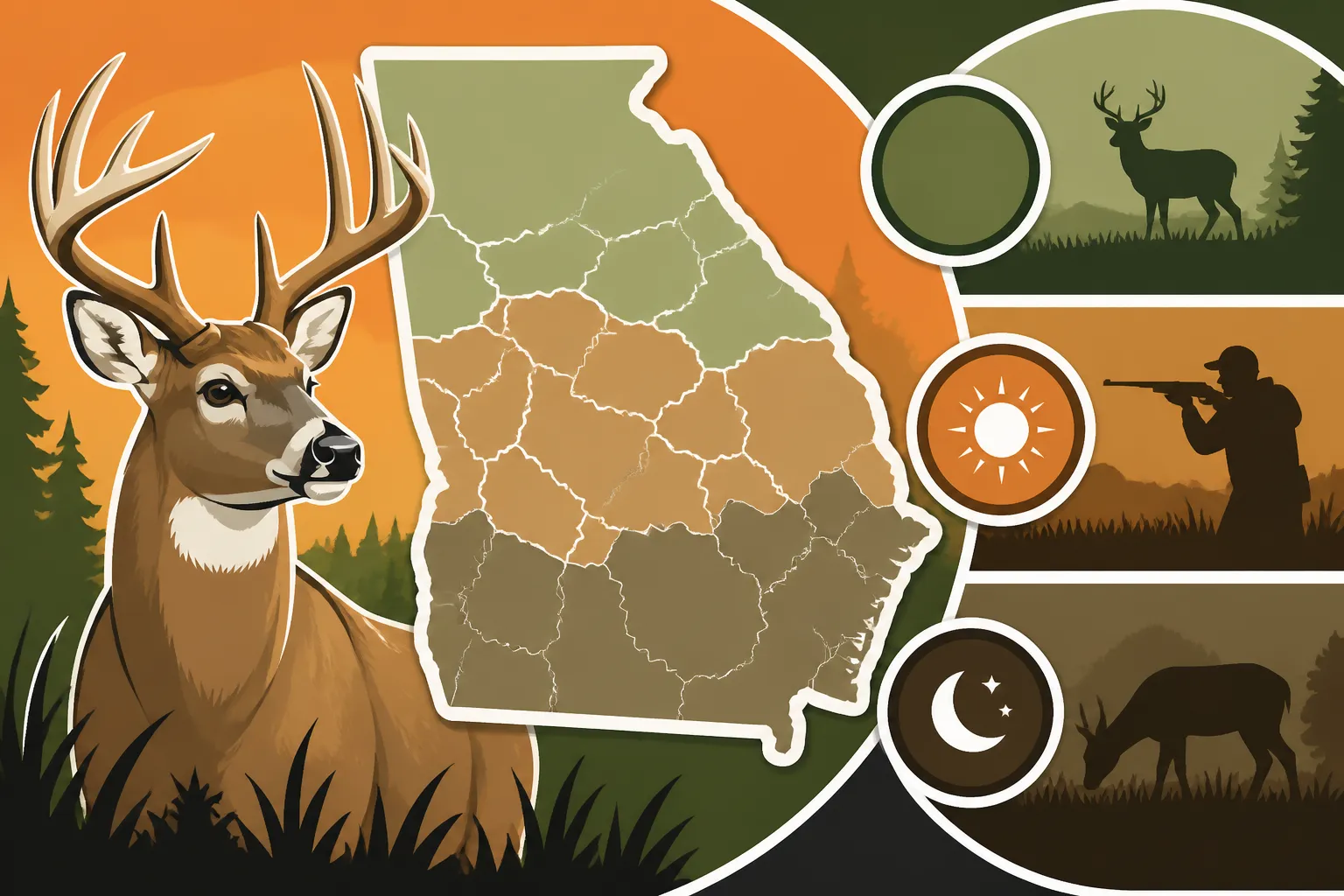
One of the biggest hurdles for hunters in Georgia is realizing that the season dates aren't always a monolithic statewide schedule. While there are broad statewide openers and closers, specific regions and even individual Wildlife Management Areas (WMAs) can have their own nuances. Generally, the season kicks off with archery in early September, transitioning into primitive weapons in October, and then opening for firearms typically in late October. However, the exact dates can shift slightly year to year, which is why consulting the current Georgia Hunting Regulations Digest is absolutely paramount. Furthermore, areas like Southwest Georgia often have an extended firearms season that runs into January, offering additional hunting days long after the statewide general season has closed. These regional differences are usually tied to local deer population dynamics, habitat types, and management goals. For instance, areas with higher deer densities or agricultural damage might see longer seasons or more liberal antlerless quotas. Always check the specific county or WMA regulations you plan to hunt to avoid any unwelcome surprises or violations. Keeping track of these variations is key to a successful and legal hunt.
Archery Season The Early Start
The crack of dawn in early September marks the exciting kickoff of Georgia's deer season, as archery hunters take to the woods. This initial period offers a unique set of challenges and rewards, distinct from the later firearms seasons. It's a time when the leaves are still mostly green, the air is often thick with humidity, and deer are still operating on relatively consistent summer patterns.
Bowhunting Opportunities and Advantages
Early archery season in Georgia presents a fantastic opportunity for dedicated bowhunters. One of the biggest advantages is reduced hunter pressure. With fewer people in the woods compared to the firearms opener, deer tend to move more naturally and are less wary. This can make patterning a specific buck more effective, especially if you've been diligently scouting pre-season. The deer are often still on summer food sources, such as acorns dropping from oak trees, persimmons, or lush green fields, making them somewhat predictable in their movements between bedding and feeding areas.
The warmer temperatures, while challenging for scent control and game recovery, also mean you're not battling freezing fingers or numb toes in a treestand. It's a prime time for ambush hunting over food plots or along trails leading to water sources. Many hunters embrace the solitude and challenge of Bowhunting Georgia's Early Archery Season, finding immense satisfaction in getting up close and personal with deer. You might catch a glimpse of velvet bucks still holding onto their summer headgear in the very first weeks, or witness deer interacting in larger family groups before the rut begins to scatter them. This early window is all about patience, keen observation, and capitalizing on consistent deer behavior before the landscape changes and hunting pressure mounts.
Crossbows and Special Considerations
For those who prefer a crossbow, Georgia's regulations generally allow their use throughout the entire archery season, providing an accessible entry point for many hunters. This includes individuals who may have physical limitations preventing them from drawing a traditional compound or recurve bow, as well as those who simply prefer the crossbow's ease of use and accuracy. The advent of modern crossbow technology has made them incredibly effective tools, capable of impressive accuracy at reasonable hunting distances.
However, hunting during early archery season, regardless of whether you're using a vertical bow or a crossbow, comes with its own set of considerations, particularly concerning the weather. Georgia's September heat and humidity can be intense. This means meticulous attention to scent control is crucial, as deer's noses are sharp, and human odor hangs heavy in the still, warm air. More importantly, warm weather significantly impacts game recovery and meat spoilage. After the shot, quick recovery is paramount. Having a plan for immediate field dressing, packing out the animal, and getting the meat on ice or to a processor quickly is not just recommended, it's essential to preserve the quality of your venison. It also means you need to be extra diligent in tracking, as blood trails can sometimes be less distinct on dry ground, and warm temperatures can accelerate the natural processes that obscure scent.
Primitive Weapons Season A Unique Challenge
Following the initial archery stretch, Georgia offers a dedicated primitive weapons season, typically a week or two in mid-October. This special season provides a bridge between the quiet solitude of bowhunting and the bustling activity of the general firearms opener. It's a favorite for many who appreciate the heritage and distinct challenge of hunting with less technologically advanced gear.
Muzzleloaders and Other Primitive Gear
When Georgia's regulations refer to "primitive weapons," they're primarily talking about muzzleloading firearms and shotguns (using slugs or buckshot, depending on local rules). Muzzleloaders, whether they are traditional cap-and-ball rifles or modern inline models, require a different approach to hunting. The single-shot nature, the smoke, and the slower loading process demand precision, careful shot placement, and a calm demeanor. It's a more deliberate style of hunting that connects you to generations of hunters who relied on similar technology.
Beyond muzzleloaders, certain shotguns are also permitted, often favored in areas with denser cover or where projectiles need to stay within tighter confines. The specific rules for what constitutes a legal primitive weapon can be found in the current digest, but generally, it emphasizes a slower, more deliberate shot process compared to repeating firearms. This era of the season appeals to those looking for an extra layer of challenge, a chance to slow down, and immerse themselves more deeply in the hunting experience. Many hunters consider Hunting the Primitive Weapons Week in Georgia to be a special annual tradition. The anticipation of loading a muzzleloader, feeling the weight of history in your hands, adds a distinct flavor to the hunt that modern rifles, for all their efficiency, simply can't replicate. It's a step back in time, forcing you to hone your tracking, stalking, and woodsmanship skills.
Strategic Timing and Pressure
The timing of the primitive weapons season is quite strategic, often falling right before the statewide firearms opener. This positioning creates a unique dynamic in the woods. While there might be a slight uptick in hunter numbers compared to the quiet archery weeks, it's generally still less crowded than the rifle season. This can be an ideal time to intercept deer that are just starting to feel the pre-rut stirrings or are still moving predictably between feeding and bedding areas.
Deer might have experienced some archery pressure by this point, but they haven't yet been fully exposed to the widespread disruption that accompanies the full firearms season. This window can offer a sweet spot where deer are still relatively callable and responsive, but perhaps a bit warier than in early September. For hunters willing to embrace the specific limitations and opportunities of primitive weapons, it's a chance to hunt during a transitional phase when bucks might be shedding velvet and beginning to scrape and rub, marking their territory. Finding pockets of unpressured deer during this time often involves going a bit deeper into public lands or focusing on less accessible areas that rifle hunters might shy away from. It's a chess match of wits and woodsmanship, where a single, well-placed shot is the ultimate goal.
Statewide Firearms Season The Main Event
For many Georgia hunters, the statewide firearms season is the real culmination of their annual anticipation, marking the period when modern rifles, shotguns, and other powerful firearms become legal for deer hunting. Typically beginning in late October, this season draws the largest crowds and offers the longest continuous hunting opportunity for most parts of the state.
The Opening Weekend Rush and Beyond
The opening weekend of Georgia's firearms season is nothing short of an event. Roads leading to popular hunting areas and Wildlife Management Areas (WMAs) are packed, hunting camps buzz with activity, and the woods often echo with the sounds of distant gunshots. This initial rush is a testament to the popularity of deer hunting in the state, but it also presents its own set of challenges. Deer that were previously predictable can become highly nocturnal or retreat to dense, secure cover almost overnight due to the sudden increase in human presence and noise.
To be successful during this high-pressure period, hunters often employ different strategies. Some embrace the energy, participating in traditional deer drives on larger tracts of land to push deer towards waiting standers. Others seek out remote, hard-to-reach areas on public land, hoping to find pockets of undisturbed deer. Understanding deer movement patterns immediately after the opener is crucial; they'll often revert to thick bedding areas or nocturnal feeding. Knowing how to adapt to this shift in behavior, perhaps by focusing on pinch points and escape routes, is key. Many veteran hunters have specific tactics for Opening Weekend Tactics for Georgia Firearms Season honed over years of experience. As the season progresses past the initial weekend frenzy, hunter pressure often subsides, and deer begin to resume more natural movements, especially as the rut approaches, offering prime opportunities.
Legal Firearms and Ammunition
Georgia has specific regulations concerning the types of firearms and ammunition that are legal for deer hunting, designed to ensure humane kills and public safety. Generally, centerfire rifles, shotguns (with slugs or buckshot), and muzzleloaders (during the firearms season as well, though primitive weapons have their own dedicated week) are permitted. There are no minimum caliber restrictions for rifles, meaning popular calibers like .243 Winchester, .270 Winchester, .30-06 Springfield, and .308 Winchester are all excellent choices and widely used. For shotguns, 20-gauge and 12-gauge are most common.
Hunters should always confirm ammunition type restrictions, especially in certain zones or WMAs where only slugs might be permitted for shotguns due to proximity to residential areas or specific safety concerns. The use of modern sporting rifles, such as AR-15 platforms chambered in appropriate calibers, is also legal. For a deep dive into suitable equipment, check out our guide on Rifle Setups for Georgia Deer Hunting. It’s vital to use ammunition that provides enough kinetic energy for a clean, ethical kill on a deer, choosing bullet types designed for controlled expansion rather than varmint rounds. Before heading afield, always double-check your chosen firearm and ammunition against the current year's regulations to ensure full compliance.
Navigating Georgia's Bag Limits and Tags
One of the most generous aspects of hunting in Georgia is the liberal bag limit, designed to give hunters ample opportunity while also effectively managing the state's healthy deer herd. However, understanding how this limit breaks down and the importance of proper harvest reporting is crucial for every hunter. It's not just about how many deer you can take, but also which deer and how you log them.
The Twelve-Deer Annual Limit Breakdown
Georgia boasts a statewide annual bag limit of twelve deer per hunter, which is quite substantial compared to many other states. However, this isn't simply twelve deer of any kind. It's specifically broken down into a maximum of two antlered bucks and a maximum of ten antlerless deer. This structure is a cornerstone of Georgia's deer management strategy. The two-buck limit helps to maintain a healthy age structure within the male deer population, giving more bucks a chance to reach maturity. This leads to a higher quality herd overall, with more older, larger-antlered deer available for hunters.
The generous ten-antlerless deer limit is designed to encourage hunters to participate in population control, especially in areas with high deer densities. Reducing the doe population is essential for balancing the herd with available habitat and minimizing deer-related issues like agricultural damage or vehicle collisions. Every hunter plays a vital role in this management by adhering to these limits. For more detailed information on this, our guide on Georgia's Twelve-Deer Bag Limit dives even deeper into the nuances of this system. It's a system built on both opportunity and responsibility, empowering hunters to be active participants in herd health.
Reporting Your Harvest and License Requirements
Beyond the limits, successfully hunting deer in Georgia requires proper licensing and diligent harvest reporting. Every deer harvested, whether antlered or antlerless, must be reported to the Georgia Department of Natural Resources (DNR) within 72 hours of the kill. This is a critical step for game management, as the data collected helps the DNR monitor harvest trends, estimate population sizes, and make informed decisions about future regulations. You can report your harvest easily online through the Georgia Game Check system, via a mobile app, or by phone. It's a simple process, but one that is absolutely non-negotiable for legal hunting.
Of course, before you even head to the woods, you'll need the appropriate hunting licenses. All hunters, unless specifically exempt (e.g., resident landowners hunting on their own property), must possess a valid hunting license. For deer, this typically includes a basic hunting license and a big game license. Non-residents have specific license requirements and costs. It's always best to purchase your licenses well in advance through the Georgia Wildlife Resources Division's Go Outdoors Georgia platform, or through authorized license vendors. For a full breakdown of what you need, refer to Georgia Hunting Licenses and What They Cost. Utilizing resources like GoHunt can also help you keep track of license requirements, reporting deadlines, and even find new hunting spots. Always carry proof of your current license and big game stamp while afield – a digital copy on your phone through the official Go Outdoors Georgia app is usually sufficient.
Special Regulations and Zones
While much of Georgia's deer season adheres to statewide guidelines, there are crucial exceptions and special zones designed to address specific management needs or provide unique hunting opportunities. Ignoring these can lead to violations, so understanding them is just as important as knowing the general season dates.
The Extended Southwest Georgia Season
One of the most coveted special opportunities for Georgia deer hunters is the extended firearms season in a handful of counties in the southwestern part of the state. This extension typically allows firearms hunting into January, long after the general statewide firearms season has concluded. The rationale behind this extended season is primarily rooted in deer population management. Southwest Georgia is known for its fertile soils, extensive agricultural lands, and dense deer populations, which can lead to significant crop damage.
The extended season provides additional opportunities for hunters to harvest deer, particularly antlerless deer, thereby helping to mitigate agricultural conflicts and maintain a healthy population balance. For hunters, it's a chance to pursue deer during colder weather, when deer patterns might shift to late-season food sources like planted winter greens or residual agricultural crops. Deer drives are still effective, but a slow, methodical still-hunt can also pay dividends in dense cover. It's a fantastic way to extend your time in the deer woods, and our article on Hunting Into the Extended Southwest Season offers excellent insights and strategies for making the most of this unique opportunity. Always verify the specific counties included in the extended season, as they can sometimes be adjusted based on the most current biological data and agricultural impact assessments.
Youth Hunts and Mobility-Impaired Opportunities
Georgia is committed to fostering new generations of hunters and ensuring that hunting remains accessible to everyone, regardless of physical challenges. To that end, the state offers specific youth-only hunting opportunities, typically a special weekend prior to the general season opener. These youth hunts are designed to give young hunters (usually under 16, accompanied by a licensed adult) a less crowded, focused experience, often with a higher chance of success. It's a wonderful way to introduce kids to the outdoors, teach them ethical hunting practices, and create lasting memories without the pressure of a full-scale opening day. Our guide on Hunting the Georgia Youth Deer Weekend provides more details on these valuable programs.
Similarly, specific opportunities or accommodations are sometimes made for mobility-impaired hunters, such as designated hunting areas or special permit options. These initiatives reflect a broader commitment to inclusivity in the hunting community, recognizing the invaluable contributions of all hunters to conservation. These special seasons are often clearly marked in the annual regulations digest, so always check for current dates and requirements if you or a family member falls into one of these categories.
Chronic Wasting Disease Management Area
In late 2023, Chronic Wasting Disease (CWD) was detected in Georgia, prompting the immediate establishment of a CWD Management Area (CMA) in a handful of southwest Georgia counties: Early, Clay, Calhoun, and Terrell. This was a significant development, as CWD is a fatal neurological disease affecting deer and other cervids. While it's not known to transmit to humans, it poses a serious threat to deer populations and the future of hunting.
Within the CMA, specific regulations are in place to monitor and prevent the spread of the disease. This includes mandatory CWD sampling for harvested deer, restrictions on the movement of deer carcasses or certain carcass parts out of the area, and a prohibition on baiting deer. These measures are critical for early detection, containment, and management of the disease. Hunters in or near these counties must be acutely aware of and strictly adhere to these rules. The Georgia DNR is working diligently to monitor the situation, and cooperation from hunters is paramount to their efforts. For a complete understanding of these vital regulations and their implications, consult our detailed post on Georgia's Chronic Wasting Disease Management Area. It's a stark reminder that as hunters, we are the first line of defense in protecting our wildlife resources.
Planning Your Georgia Deer Season
A successful and enjoyable Georgia deer season isn't just about showing up with a gun or bow; it's about thoughtful preparation, utilizing available resources, and embracing ethical practices. Planning ahead can make all the difference, transforming potential frustration into rewarding experiences.
Utilizing Resources for Success
In today's digital age, hunters have an incredible array of resources at their fingertips to help plan their season. The official Georgia Department of Natural Resources (DNR) website is your first and most authoritative source for the annual hunting regulations digest, which details all season dates, bag limits, and specific county or WMA rules. Don't rely on outdated information; download the current year's digest and read it thoroughly.
Beyond the official digest, mapping tools and apps have become indispensable. The Georgia Outdoors app, offered by the DNR, is a fantastic resource that provides digital maps of WMAs, property boundaries, and even tracks your location in the field. Third-party mapping solutions like GoHunt also offer powerful satellite imagery, property ownership details, and topographical overlays that can be invaluable for scouting and planning routes. These tools allow you to virtually scout areas from home, identify potential funnels, bedding areas, and food sources, saving you precious time and effort in the field. Our guide to Scouting With the Georgia Outdoors App can help you get started with this essential tool. Investing time in pre-season scouting, whether virtually or on foot, and understanding the terrain you'll be hunting, is a critical step in increasing your odds of success. These resources are designed to simplify complex information, allowing you to focus more on the hunt itself.
Ethical Considerations and Conservation
As hunters, we are the primary stewards of Georgia's wildlife resources, and our actions extend far beyond simply pulling a trigger. Ethical considerations and a commitment to conservation are paramount. This means always prioritizing humane shots, making every effort to recover wounded game, and knowing your effective range for your chosen weapon. It also means respecting private property boundaries, even when hunting adjacent public land. Always secure permission before stepping foot on private ground, and be mindful of "posted" signs or property lines. What Georgia trespass law requires is clear, and ignorance is no excuse.
Furthermore, responsible hunters understand that their license fees and excise taxes on hunting equipment directly fund wildlife management and conservation programs in Georgia. Every successful hunt, and every deer reported, contributes vital data that helps the DNR make informed decisions about herd health and habitat. Beyond regulations, it's about upholding the integrity of hunting, acting as ambassadors for the sport, and ensuring that future generations have the same opportunities to connect with nature and participate in this rich tradition. Conservation isn't just a buzzword; it's an active, ongoing responsibility that we all share.
Georgia Deer Season Overview
To help visualize the general flow of Georgia's deer seasons, here's a simplified overview. Remember, exact dates and specific regulations can vary by county and WMA, so always consult the current Georgia Hunting Regulations Digest.
| Season Type | Typical Start Date | Typical End Date | Primary Weapons Allowed | Key Characteristics |
|---|---|---|---|---|
| Archery Season | Early September | Mid-January | Vertical bows (compound, recurve, longbow), Crossbows | Longest season, lowest pressure initially, warm weather challenges, includes rut |
| Primitive Weapons | Mid-October | Late October | Muzzleloaders (rifle, pistol), Shotguns (slugs/buckshot) | Short, dedicated season, transitional period before general firearms opener |
| General Firearms | Late October | Early January | Centerfire Rifles, Shotguns, Muzzleloaders, Handguns | Most popular, highest pressure, encompasses peak rut statewide |
| Extended SW GA | Early January | Mid-January | Centerfire Rifles, Shotguns, Muzzleloaders, Handguns | Specific counties only, additional harvest opportunity, late-season food focus |
| Youth Only | Usually mid-September | Usually mid-September | All legal weapons for respective season | Special weekend for hunters under 16, reduced pressure |
| CWD Management Area | Varies by weapon type | Varies by weapon type | All legal weapons for respective season | Specific counties, mandatory CWD testing, carcass movement restrictions |
Disclaimer
The information provided in this guide is for general informational purposes only and is subject to change. While we strive to offer accurate and up-to-date content, hunting regulations, dates, and laws are frequently updated by the Georgia Department of Natural Resources (DNR). It is the hunter's sole responsibility to consult the official, current Georgia Hunting Regulations Digest, available from the Georgia DNR, prior to engaging in any hunting activities. Failure to do so may result in legal penalties.