Sitting a Field Edge in Late Season
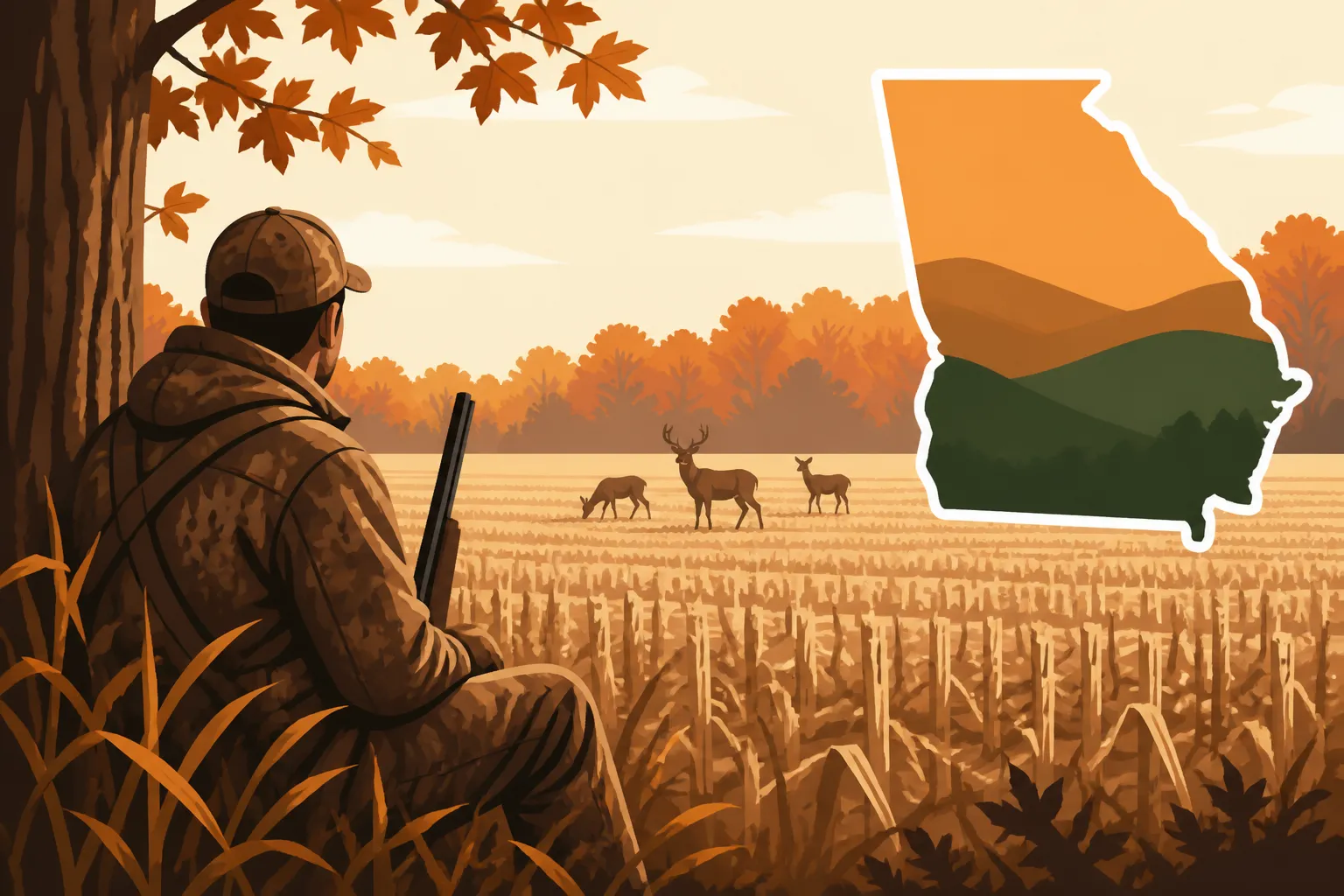
The late season in Georgia can feel like a real challenge for deer hunters. After the initial frenzy of firearms season, it often seems like the deer just vanish, melting back into the thick cover and becoming ghosts. You might find yourself staring at empty woods, wondering where all the activity went. But don't despair! Field edges, those overlooked seams between open feeding areas and protective timber, can actually become hotspots as natural food sources dwindle and deer need to fuel up. This guide will help you understand why, where, and how to effectively hunt these crucial late-season spots.
Why Field Edges Become Late Season Magnets
As the calendar flips deeper into winter, Georgia's landscape undergoes a transformation. The lush greenery of fall fades, acorns are long gone, and the woods that once bustled with deer activity can seem eerily quiet. This scarcity of natural forage is precisely why field edges become so vital, drawing deer in like a magnet.
Shifting Food Sources and Deer Behavior
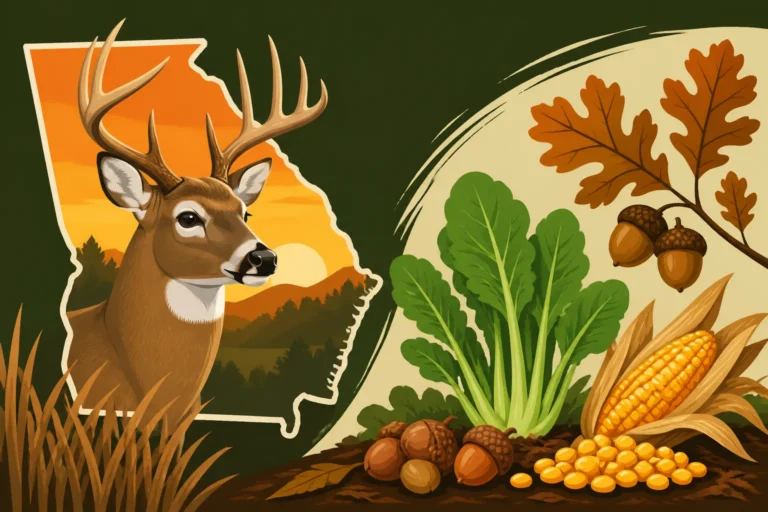
Think about it: in early season, deer have an abundance of food choices. Acorns are raining down, green browse is plentiful, and they can be found almost anywhere. But by late November, December, and especially January, those easy pickings are a distant memory. Deer, driven by their fundamental need to survive and pack on calories for the cold, will seek out the most readily available and nutritious food sources. This often means agricultural fields or planted food plots.
Standing corn fields, soybean fields that have dropped their beans, and especially winter wheat, oats, or brassica plots become essential feeding stations. Deer will travel significant distances to access these high-energy meals. They're not just looking for a quick bite; they're trying to sustain themselves through potentially harsh weather. You'll often see distinct trails worn into the grass or dirt along these edges, showing consistent patterns of movement. These trails are your first clue that you're in a prime late-season location, and understanding Late-Season Food Sources for Georgia Whitetails is critical for identifying them.
Reduced Hunting Pressure Impact
Another key factor in late-season field edge success is the shifting human element. Opening week of firearms season, especially, sees a huge influx of hunters. Public lands and even private tracts can feel crowded, pushing deer into deep, thick cover. Deer become nocturnal, wary, and often avoid open areas. However, as the season progresses and the holidays pass, many hunters hang up their bows and rifles. The woods quiet down considerably.
This reduction in pressure can embolden deer to resume more natural movement patterns, especially towards reliable food sources. While they'll still be cautious, they might venture into field edges a bit earlier in the evening or stay a little longer in the morning. This doesn't mean they'll be oblivious to your presence, but it does mean they might be more predictable in their hunger-driven movements. It's about finding that sweet spot where their need for food outweighs their fear of predators, including us.
Scouting and Selecting Your Ideal Late Season Field Edge
Finding any field edge isn't enough; you need to find the right one. Late season scouting is less about discovering new bucks and more about identifying consistent deer activity and understanding their travel patterns to and from the chosen food source.
Reading the Edges for Fresh Sign
Before you even think about setting up a stand, you need to become a detective. Walk the perimeter of the field edges you're considering, but do so carefully and strategically to minimize disturbance. Look for fresh tracks, especially larger ones indicating mature deer. Pay close attention to where these tracks enter and exit the field, as they often reveal preferred travel corridors. Droppings can tell you a lot about how recently deer have been in the area and what they've been eating.
Browse lines, where deer have nipped off the ends of branches, especially on woody plants along the field edge, are another excellent indicator. Rub lines and scrape lines might not be as active as during the rut, but residual rubs can still show historical travel routes. The key is finding fresh sign. If you see tracks, but they're covered in leaf litter or eroded by rain, that spot might not be active enough. Using mapping tools like GoHunt can really help here, allowing you to mark observations and analyze terrain features like subtle rises or pinch points along the edge that funnel deer movement. A great deal of information can be gleaned from Reading Aerial Photos for Piedmont Deer which reveal transition zones and corridors that are hard to see on the ground.
Understanding Crop Cycles and Food Availability
The type and stage of the crop in the field makes a huge difference. An unharvested corn or soybean field in December is a goldmine. However, even harvested fields can be productive, as waste grain left behind can provide significant forage. Winter wheat, clover, or brassica food plots planted specifically for deer are often the most reliable draw, as they're actively growing and palatable in colder weather.
Take the time to understand the local agricultural practices. Are farmers cutting their corn early or letting it stand? Are there plans for winter planting? Knowing this will help you predict which fields will be most attractive to deer. Sometimes, a farmer's peanuts or cotton fields, though not typically deer food, will have an adjacent green field that becomes the hotspot. Deer also tend to stage in thick cover just inside the woods line before venturing out into open fields, especially during daylight hours. This staging area is often where you'll catch a cautious buck.
Utilizing Technology for Field Edge Intel
Modern hunting relies heavily on technology, and scouting field edges is no exception. Beyond just mapping apps, trail cameras are invaluable for pattern verification. Place them on prominent trails leading into the field, or even just inside the timber edge facing the field. This will give you concrete evidence of when and what deer are using the field.
GPS apps like those offered by GoHunt allow you to mark specific deer sightings, fresh sign, and potential stand locations. You can identify property lines, locate accessible public land parcels, and even analyze topography that might create natural funnels. For instance, a subtle depression or a drainage ditch running perpendicular to a field edge might offer deer a sense of security as they approach, making it an ideal ambush point. This type of detailed analysis is crucial for Setting Up on a Piedmont Field Edge or any other habitat type in Georgia.
| Field Type | Late Season Appeal | Key Considerations |
|---|---|---|
| Standing Corn | High-calorie, offers cover within the field | Can be hard to hunt; deer may stay deep inside. |
| Harvested Corn/Soy | Waste grain provides consistent food. | Less cover; deer may wait until dark. |
| Winter Wheat/Oats | Green, highly palatable browse. Grows all winter. | Attracts deer throughout the day; often grazed heavily. |
| Brassica Plots | Sweetens after a frost; high in protein and energy. | Can be feast or famine; deer either love it or ignore it. |
| Clover/Alfalfa | Green forage when other options are scarce. | Less attractive in very cold weather but still used. |
Strategic Setup for Success on the Edge
Once you've identified a promising field edge, your next move is critical: setting up your ambush. The late season often means colder temperatures, more brittle woods, and extremely wary deer. Your setup needs to be executed flawlessly.
Wind and Entry/Exit Routes
Wind direction is paramount, especially when hunting field edges. Deer will almost always approach a field with the wind in their favor, allowing them to scent-check the open area before exposing themselves. Therefore, your stand placement must account for the prevailing wind, ensuring your scent is carried away from where you expect deer to approach and feed. A slight crosswind can be your best friend, as it allows you to cover both directions of the field edge effectively. Always have a plan for how you will get to and from your stand without blowing deer out of the area. This might mean taking a longer, roundabout route through thick timber or using a creek bottom for concealment. Remember the basics of Wind and Thermals on a Mountain Ridge, applying them to subtle elevation changes around your field edge.
For instance, if you anticipate deer coming from a bedding area to the west of a field and feeding northward along the edge, you'd want a stand on the east side of the field with a westerly wind. This keeps your scent blowing over the open field, not into the woods where deer are likely to be approaching. Your entry and exit paths should ideally be through areas that don't hold deer or where deer are unlikely to be moving during your commute, such as a paved road side or a deep creek.
Stand Placement for Optimal Shots
Whether you're using a treestand or a ground blind, placement is everything. For treestands, look for a tree that offers natural cover and a commanding view of the field edge and any trails leading to it. Aim for a height that gives you a good shooting angle into the field, usually 18-25 feet, depending on the topography. Make sure your backdrop is dense enough to break up your silhouette. For example, setting up against a pine tree can offer excellent camouflage, especially when the hardwoods are bare. Consider the sun's position – you don't want to be staring directly into the setting sun, blinding you at prime time, nor do you want the sun at your back silhouetting you.
If using a ground blind, concealment is key. Set it up well in advance of your hunt, ideally several weeks, to allow deer to get used to its presence. Brush it in thoroughly with natural vegetation from the area to help it blend in. As detailed in Brushing In a Blind on a Field Edge, this extra effort makes a huge difference. Place the blind where it covers your approach routes and offers clear shooting lanes along the edge. Sometimes, a natural brush pile or an old fence line can offer enough cover for a quick sit without a formal blind.
Scent Control and Stealth
Late-season deer are incredibly sensitive to human scent and noise. Your scent control regimen needs to be meticulous. Wash your hunting clothes in scent-free detergent, store them in airtight containers, and dress at the truck to avoid picking up scent. Use scent-eliminating sprays on your boots, clothes, and gear. Consider using ozone generators if you're really serious about reducing your odor footprint.
Beyond scent, stealth is critical. Walk slowly and quietly to your stand, avoiding crunching leaves or snapping twigs. Even a slight rustle can carry far in the quiet, colder air of late season. Minimize movement in your stand, and try to keep talking to a whisper if you're hunting with a partner. Remember, deer are on high alert, and any unusual sight, sound, or smell will send them packing. This attention to detail is vital for a successful Cold-Weather Sitting Strategy in a Georgia January.
Tactical Considerations for Late Season Field Hunts
Even with the perfect setup, late-season success often comes down to adapting your tactics and having the patience to wait for that one opportune moment.
Timing Your Sit
The golden hours of dawn and dusk are almost always your best bet when hunting field edges. Deer tend to move from their bedding areas in the timber to feed in the fields primarily in the evenings, and then return to bed in the mornings. However, in the late season, especially during periods of extreme cold or after a significant cold front, deer might be forced to feed more frequently or for longer durations during daylight hours to maintain their body temperature. This is where understanding Hunting Deer After a Georgia Cold Front comes into play.
If temperatures are consistently low, consider an all-day sit. Deer might get up for a mid-day snack, especially if the field is particularly appealing. Use your trail camera data to inform your timing. If cameras show consistent mid-morning or mid-afternoon activity, adjust your schedule accordingly. Be prepared to sit from before legal shooting light until well after, as deer often wait for the absolute last minutes of daylight to emerge.
Decoys and Calls on the Edge
While the rut is over, and aggressive calling might be less effective, subtle tactics can still pay off. A single doe decoy, especially a bedded one, can offer a sense of security to approaching deer. It signals that the area is safe. If you're on public land or a property with high hunting pressure, sometimes no decoy is the best decoy, as wary deer might avoid anything out of the ordinary.
As for calls, light grunts or doe bleats can sometimes pique the curiosity of a passing deer. Don't overdo it. A soft, single bleat every 15-20 minutes might be enough to get a deer to stop, giving you a shot opportunity. Remember, late-season deer are looking for food and safety, not necessarily a mate. Aggressive rattling is generally not effective this time of year. Using a well-placed decoy could offer a deer that moment of hesitation you need, or distract them from picking up on your slight movement.
Patience and Persistence
Late season hunting demands a level of patience that can test even the most seasoned hunter. Deer numbers might be lower, and those that remain are hyper-vigilant. You might spend several sits without seeing a single deer, only to have a big buck show up out of nowhere on your next hunt. Don't get discouraged. Consistent effort, smart scouting, and flawless execution of your setup will eventually pay off.
The late season can be brutally cold in Georgia, especially in the northern reaches, or surprisingly warm in the south. Dressing in appropriate layers is crucial for staying comfortable and focused during long sits. The more comfortable you are, the longer you can sit, and the higher your chances of success. Sometimes the best tactic is simply being there when a hungry buck decides to make an appearance. After a successful shot, remember that Tracking a Deer Through Georgia Pine Straw is an art that needs patience and a keen eye.
Disclaimer
Hunting is an inherently dangerous activity. This guide provides general information and recommendations. Always prioritize safety, understand and follow all Georgia hunting regulations, and obtain appropriate licenses and permits. Wildlife populations and local conditions can change, so always conduct thorough personal scouting.