Handling Venison From a CWD Management Area
Discovering that a deer you've harvested comes from a Chronic Wasting Disease (CWD) Management Area can throw a real wrench in your excitement, turning a moment of triumph into a moment of anxiety about what to do next. It's a confusing situation for many Georgia hunters, filled with questions about regulations, safety, and how to properly handle your hard-earned venison. This guide is here to cut through the confusion, offering clear, actionable steps on managing venison from Georgia's CWD Management Area so you can navigate the rules with confidence and enjoy your harvest responsibly.
Understanding Georgia's CWD Management Area
The emergence of Chronic Wasting Disease in Georgia has certainly created a new layer of complexity for deer hunters. It's a serious neurological disease affecting deer, elk, and moose, and while there's currently no evidence it can be transmitted to humans, wildlife agencies across the country are taking it incredibly seriously. For us hunters, it means adapting our practices to ensure the health of our deer herd and the safety of our food supply. Georgia's wildlife resources division has established a specific CWD Management Area (CMA) to contain and monitor the disease, and understanding its boundaries and purpose is the first crucial step.
The Initial CWD Detection and Its Impact
The news hit many of us hard. After years of vigilance, Georgia confirmed its first positive case of CWD in a white-tailed deer in September 2023. This discovery, near the southwestern border, immediately triggered a response from the Georgia Department of Natural Resources (DNR). It wasn't just a distant problem anymore; it was right here in our hunting grounds. The initial detection sent ripples of concern through the hunting community, bringing home the reality that this insidious disease could impact our traditions and our wild game. For a state that boasts a thriving deer population and a rich hunting heritage, this was a significant event, prompting a swift and comprehensive management strategy.
The DNR's response was rapid and decisive, creating the CWD Management Area to implement strict protocols. This area isn't just a line on a map; it represents a concentrated effort to understand the prevalence, limit the spread, and manage the disease. It also placed an immediate onus on hunters within that zone to become active participants in the state's CWD surveillance efforts. It can feel like a burden, I know, but it's a critical measure to protect the future of deer hunting in Georgia and maintain the integrity of the deer herd.
Geographical Scope of the CWD Management Area
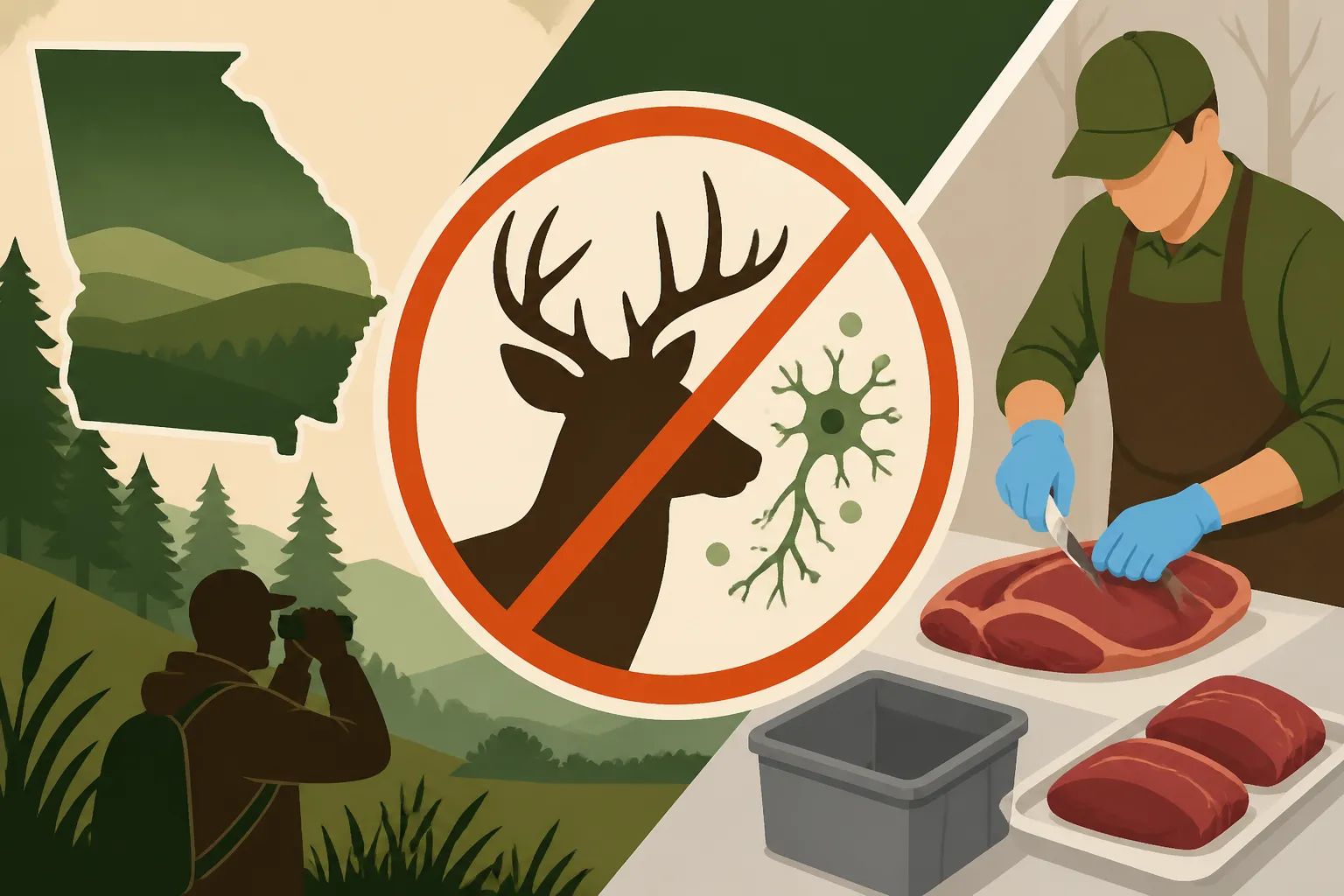
Currently, Georgia's CWD Management Area encompasses specific counties and portions of counties in the southwest part of the state. This includes parts of Early, Clay, and Randolph counties, with the exact boundaries defined by a 5-mile radius around the initial detection site. It’s important to remember that these boundaries are subject to change based on ongoing surveillance and new discoveries. What was once a concern for western states, is now a local reality, affecting hunters in these areas directly. For a long time, we hoped Georgia would remain CWD-free, but now that it's here, knowing exactly where the CMA is and its implications is paramount for every hunter in the region.
The DNR has made it clear that understanding where the CWD Management Area begins and ends is the hunter's responsibility. Before heading out, especially if you're hunting anywhere near these counties, it's vital to check the latest maps provided by the Georgia Wildlife Resources Division. Tools like the Go Outdoors Georgia app or services like GoHunt can be invaluable for pinpointing property lines and understanding if your hunting spot falls within the designated zone. The implications for hunters crossing these lines, even inadvertently, are significant, making diligent homework absolutely non-negotiable before you even step foot in the woods.
Mandatory Rules for Hunters in the CMA
Hunting within Georgia's CWD Management Area comes with a distinct set of mandatory rules that differ significantly from hunting outside these boundaries. These aren't suggestions; they are legal requirements designed to minimize the risk of CWD transmission and aid in the state's monitoring efforts. Disregarding these rules can lead to penalties and, more importantly, could contribute to the spread of a disease that poses a serious threat to our deer population.
Mandatory Testing and Sampling Requirements
If you're lucky enough to harvest a deer within the CWD Management Area, your responsibilities don't end with tagging your animal. One of the most critical rules is the mandatory CWD testing for all harvested deer. This means every deer taken, whether antlered or antlerless, must be submitted for sampling. I know, it adds another step to an already busy day, especially after a successful hunt, but it's vital. The information gathered from these samples is what helps the DNR understand the prevalence and distribution of CWD, guiding their future management decisions. Without hunter cooperation, their efforts would be severely hampered. You can learn more about Georgia CWD Testing for Hunters and how to submit samples effectively.
The process for mandatory testing typically involves taking your deer to an official sampling station or collection site designated by the DNR. These sites are usually well-marked and have staff or volunteers available to assist with collecting the necessary tissue samples, usually from the deer's lymph nodes or brainstem. You can find a list of these locations and their operating hours on the Georgia DNR website. This information is updated regularly, so it's a good idea to check before each hunt. For those of us who prefer to do a lot of our processing at home, it might mean adjusting your routine to make that trip to a sampling station first, before you even think about breaking down your animal. It's a small inconvenience for a much larger cause.
Carcass Movement Restrictions
Perhaps the most impactful regulation for hunters in the CMA is the strict rule about carcass movement. You simply cannot move a whole deer carcass or certain high-risk parts out of the CWD Management Area. This is a crucial measure to prevent the disease from spreading to unaffected areas of the state. Imagine the frustration of getting a big buck down, only to realize you can't just throw it in the truck and take it straight home if home is outside the CMA. This rule demands careful planning and execution, emphasizing the importance of processing your deer within the CWD zone or making arrangements to leave prohibited parts behind. It's a complete shift from how many of us have traditionally handled our deer. You can find more specific details on Georgia Carcass Movement Restrictions.
The parts typically restricted from leaving the CWD Management Area include the entire carcass, brain, spinal cord, eyes, spleen, and lymph nodes. These are the tissues where CWD prions concentrate. What can leave are boned-out meat, quarters or other portions of meat with no part of the spinal column or head attached, hides with no head attached, antlers attached to a clean skull plate from which all soft tissue has been removed, and finished taxidermy products. This means if you want to take your venison home, you'll likely need to perform some serious field dressing and butchering on-site, or utilize a local processor within the CMA. It's a logistical challenge, for sure, but a necessary one to protect the wider deer population. The DNR provides clear guidance on Moving a Deer Carcass Out of the CMA, which every hunter should review.
Deer Harvest Reporting in the CMA
While harvest reporting is generally mandatory statewide, its importance is amplified within the CWD Management Area. Every deer taken in the CMA must be reported through the Georgia Game Check system, just like any other deer in the state. However, ensuring accuracy and timeliness becomes even more critical for tracking purposes. When you report your deer, it links the harvest to that specific location and provides vital data for disease monitoring. This helps the DNR connect the mandatory CWD test results to individual animals and their harvest locations, building a clearer picture of the disease's presence.
This consistent and accurate reporting contributes directly to the state's ability to monitor the disease. It allows wildlife biologists to map out where CWD has been detected and helps them understand any potential patterns of spread. It's not just about compliance; it's about providing the necessary data for effective wildlife management. Whether you use the Go Outdoors Georgia app or their website, make sure that harvest report is filed promptly and correctly after you've taken your animal. The information you provide is a crucial piece of the puzzle in managing CWD in Georgia.
Practical Steps for Processing Venison from the CMA
Alright, so you've harvested a deer in a CWD Management Area, you've submitted your sample for testing, and now you're looking at a big job: processing that deer while adhering to all the regulations. This is where the rubber meets the road, and having a plan is essential. It's not just about getting meat for the freezer; it's about doing it safely and legally, especially with those carcass movement restrictions in mind.
Field Dressing Safely in the CWD Zone
Field dressing is always a bit of a messy job, but in a CWD zone, you need to be extra mindful. The goal is to remove the internal organs (which are not considered high-risk for CWD transmission, but still need proper disposal) efficiently, and also to prepare the carcass for either transport within the CMA to a processor or for quartering to remove restricted parts. When you're Field Dressing a Deer in Warm Weather or any weather, consider wearing disposable gloves and have a good set of sharp knives. The key here is not to contaminate areas of the deer you plan to eat. Avoid cutting into the brain or spinal cord area if you're doing a basic gutting job, as these are high-risk tissues.
After field dressing, any non-transportable parts like the entrails (guts) should be disposed of on-site where the animal was harvested, or in an approved landfill if available. Burying them deep can be an option if allowed and practical, to prevent scavengers from spreading potential prions. This might feel different from your usual routine, where you might simply leave the entrails and drive off, but in a CWD Management Area, being extra conscientious about disposal is part of the deal. Keep clean-up supplies handy – disinfectant wipes and hand sanitizer are your friends here.
Transporting Carcasses Legally
This is where many hunters hit a snag. Remember, whole carcasses or restricted parts cannot leave the CMA. So, if your hunting spot is in the CMA and your home or preferred butcher is outside, you have a decision to make right there in the woods. Option one is to transport the entire carcass within the CMA to a processor or sampling station that is also located within the zone. This is often the easiest route if available, as the processor will handle the sampling and ensure proper disposal of restricted materials. Make sure to call ahead to any processor to confirm they are set up to handle CWD-zone deer and are aware of all current regulations.
Option two, if you can't find an in-zone processor or you prefer to do your own butchering, is to bone out the deer in the field or at a temporary processing site within the CMA. This means removing all the meat from the bone, ensuring no spinal column or brain material is attached. You'd then pack the boned-out meat into coolers or game bags, leaving the skull plate (if you want the antlers) with all soft tissue removed, and the hide behind. This is a more involved process, akin to what many western hunters do, but it's often the only legal way to get your venison out of the designated zone. It means being prepared with proper tools, large game bags, and enough cooler space before you even pull the trigger.
Home Processing and Butcher Shop Considerations
If you're one of those dedicated hunters who likes Butchering a Deer at Camp or at home, dealing with a CWD-zone deer means some adjustments. If you've boned out the meat in the field, you're good to go. But if you're taking a whole carcass to a processor within the CMA, they will take care of the restricted parts. If you're planning to take a skull plate with antlers out of the zone, remember it must be completely cleaned – absolutely no brain or soft tissue remaining. This often involves boiling, power washing, or even beetle cleaning. Don't skip this step, as it's a critical part of the carcass movement rules.
When working with a butcher, especially one outside the CMA, ensure they are aware that the deer came from a CWD Management Area. While the goal is to only transport boned-out meat, transparency is key. You might also want to ask them about their CWD protocols, such as cleaning equipment between deer, though for boned-out meat, the risk is significantly reduced. For those who process at home, after you've broken down the venison, thoroughly clean and disinfect all your tools, surfaces, and anything that came into contact with the raw deer. This includes knives, cutting boards, and coolers. While CWD isn't known to be transmitted to humans, good hygiene practices are always important when handling wild game.
Reducing Risk and Enjoying Your Harvest
It's natural to feel a bit uneasy about consuming venison from a CWD Management Area, even with the current scientific understanding. While public health agencies state there's no evidence of CWD transmitting to humans, taking sensible precautions is always a good idea. We hunt for the experience, but also for the delicious, organic meat, so ensuring that meat is as safe as possible is paramount.
Guidelines for Consuming Venison from the CMA
The general advice from health organizations and wildlife agencies is that venison from CWD-positive animals should not be consumed. This is why the mandatory testing is so important. If your deer tests positive for CWD, the recommendation will be to discard the meat. This is a tough pill to swallow, I know, after all the effort, but it's the safest course of action. However, if your deer tests negative, then the venison is considered safe for consumption, according to current scientific consensus. This is a huge relief for hunters who rely on venison for their families.
Always wait for your test results before consuming any meat from a deer harvested in the CWD Management Area. The DNR will typically notify you of the results. This waiting period can be frustrating, especially if you have a freezer full of meat you're eager to process or cook. Many hunters will store the meat in a temporary freezer or large coolers until the all-clear is given. It's better to be patient than to take unnecessary risks. When it comes to preparing the meat, cook venison thoroughly as you normally would. While cooking doesn't eliminate CWD prions, ensuring proper doneness is always part of good food safety.
Proper Disposal of High-Risk Materials
After processing, you'll be left with parts that fall under the "high-risk" category for CWD prions, even if your specific deer tests negative, purely due to them originating from a CMA. These include the brain, spinal cord, eyes, spleen, and lymph nodes. If these parts were separated from the boned-out meat within the CMA, they should be disposed of in a manner that prevents scavengers from accessing them and potentially spreading any prions.
The best practice for disposal of these materials within the CMA is usually deep burial (if regulations allow and it's practical) or taking them to an approved CWD disposal site or landfill. The goal is to ensure these parts do not re-enter the environment where other deer or scavengers could interact with them. Never dispose of these parts by simply leaving them exposed or in general trash that isn't specifically approved for biological waste. Again, checking the latest DNR guidelines for disposal within the CWD Management Area is crucial, as specific recommendations may vary or change. Proper disposal is the final, responsible act of a hunter in the effort to contain this disease.
Here’s a quick summary table to help keep the carcass movement rules straight:
| Carcass Component | Can it leave the CWD Management Area? | Notes |
|---|---|---|
| Whole Carcass | No | Must be processed within the CMA, or taken to a processor inside the CMA. |
| Boned-out Meat | Yes | No spinal column or head material attached. |
| Quarters | Yes | No part of the spinal column or head attached. |
| Hides | Yes | No head attached. |
| Antlers | Yes | Must be attached to a clean skull plate (all soft tissue removed). |
| Skull Plate | Yes (cleaned) | All brain and soft tissue must be completely removed. Boiling or power washing recommended. |
| Brain, Spinal Cord | No | High-risk tissues; must be disposed of within the CMA. |
| Eyes, Spleen, Lymph Nodes | No | High-risk tissues; must be disposed of within the CMA. |
| Finished Taxidermy | Yes | If all brain and soft tissue have been removed and thoroughly cleaned. |
Navigating these regulations can feel overwhelming, especially when you're just trying to enjoy your hunting season. But by understanding the rules, being prepared, and diligently following the recommended practices, we can all do our part to manage CWD and protect Georgia’s invaluable deer resource for generations to come. It’s a collective effort, and every responsible hunter plays a vital role. You can also review how to proceed with Checking a Georgia Deer Harvest Online for your specific area.
Disclaimer
The information provided in this guide is for general informational purposes only and does not constitute legal advice or official regulation. Hunting regulations, especially concerning Chronic Wasting Disease, can change frequently. Always consult the most current Georgia Department of Natural Resources (DNR) official publications, including their hunting regulations and specific CWD guidelines, before engaging in any hunting activities or processing deer from a CWD Management Area. Compliance with all state and federal laws is the responsibility of the hunter.