Hunting Small Private Tracts in Georgia
It’s a struggle many Georgia hunters know all too well: finding a place to hunt that isn't overcrowded public land or an expensive, long-term lease. Many of us dream of having exclusive access, even if it's just a small patch of woods. This guide is all about tackling that exact challenge, focusing on how to find, gain access to, and effectively hunt those often-overlooked small private tracts across the Peach State.
Finding and Gaining Access to Small Private Tracts
Let’s be honest, securing a good hunting spot in Georgia can feel like trying to find a needle in a haystack, especially when you’re not looking to break the bank on a massive lease or battle the crowds on a WMA. But often, the best opportunities lie in plain sight, on smaller parcels of private land that owners might not even realize hold significant hunting potential. The key isn't just finding these tracts, but respectfully and effectively gaining permission.
The Art of Knocking on Doors
The idea of knocking on a stranger's door might feel a bit old-fashioned or even intimidating in today's digital world, but it remains one of the most powerful tools for gaining access to small private tracts. This isn't about being aggressive or entitled; it's about being genuine, respectful, and offering value. Farmers, absentee landowners, or even suburban residents with a few acres of wooded property often face issues with deer damage, feral hogs, or simply don't hunt themselves, and they might be open to a polite, responsible hunter.
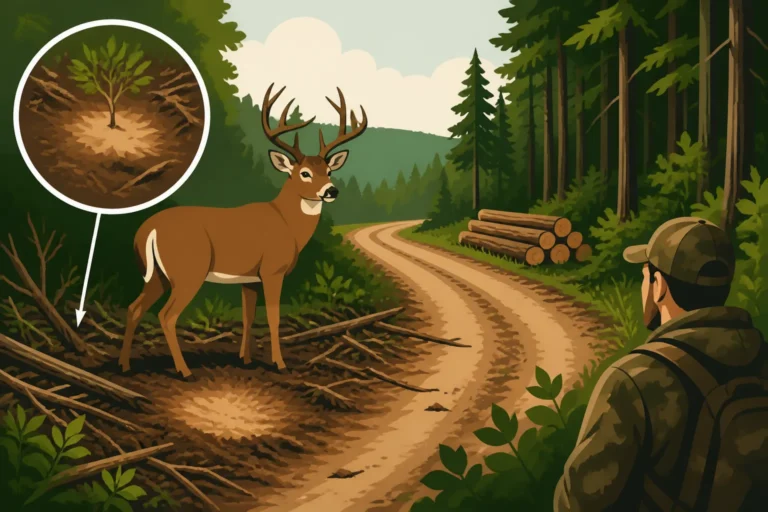
Before you even think about approaching someone, do your homework. Drive around, look for small wooded parcels, particularly those that might be bottlenecks or natural travel corridors between larger tracts. Observe any signs of deer activity like rubs, scrapes, or heavy trails. Once you identify a property, try to find out who owns it. County tax assessor websites are a goldmine for this information, often listing owner names and mailing addresses. Sometimes, even a quick chat with a neighbor can yield valuable insights into who owns a specific parcel and if they’re receptive to hunters.
When you finally decide to make contact, presentation is everything. Dress neatly – no camo – and approach with a friendly, non-threatening demeanor. Have a clear, concise pitch ready, focusing on what you can offer the landowner, not just what you want. Perhaps they have deer eating their garden, or hogs tearing up their fields, or maybe they just need someone to keep an eye on the property. Offering to help with small chores, keep fences mended, or even just be an extra set of eyes on their property can go a long way. Always be prepared for a "no" and accept it gracefully; sometimes it's just not the right time, or they've had bad experiences in the past. Remember, you're building a relationship, not just asking for a favor.
Leveraging Technology and Networking
While the old-school approach is vital, modern technology can significantly streamline your efforts in identifying promising small tracts and their owners. Mapping applications, like GoHunt or similar platforms, are invaluable here. These tools allow you to overlay property lines on satellite imagery, identify land ownership, and even see topographical features that might create natural funnels or bedding areas. You can virtually scout dozens of properties from your couch, saving immense time and fuel, and focusing your in-person efforts on the most promising leads. This digital reconnaissance helps you go into that "door knock" with a much better understanding of the land and its potential. For more on how to leverage aerial views, check out our guide on Reading Aerial Photos for Piedmont Deer.
Beyond direct landowner contact, don't underestimate the power of networking. Talk to people in your local community—feed store owners, gas station attendants, folks at local hardware stores, or even co-workers. You never know who might own a small parcel or know someone who does. Many landowners prefer to grant permission to someone known and vouched for by a trusted contact. Farmers, especially, often communicate amongst themselves about who they let hunt, and a good reputation can spread. Don't be shy about letting it be known you're a responsible hunter looking for small acreage.
Social media groups focused on local hunting or even community pages can sometimes unearth opportunities, but always exercise caution and good judgment when pursuing leads online. You might find posts from landowners looking for hunters to help with nuisance animals, particularly feral hogs, which are a year-round problem in many parts of Georgia. Just remember, when pursuing such leads, to always prioritize in-person meetings and clear communication to establish trust and clarify expectations. Once you have a lead, understanding What Georgia Trespass Law Requires and whether Do You Need Written Permission in Georgia? are crucial details to clarify from the start to protect both you and the landowner.
| Method of Gaining Access | Pros | Cons | Best For |
|---|---|---|---|
| Direct Door Knocking | Personal connection, builds trust, often yields immediate results | Can be intimidating, requires social skills, time-consuming | Small, visible tracts with known owners, local relationships |
| County Records/Online Maps | Efficient for identifying owners, remote scouting, saves travel | Impersonal, no immediate contact, requires follow-up | Identifying absentee owners, initial property assessment |
| Networking (Word of Mouth) | High trust factor if referred, can open unexpected doors | Relies on chance encounters, takes time to build network | Established communities, finding landowners not actively seeking hunters |
| Community Forums/Social Media | Quick dissemination of interest, direct owner posts possible | Can attract many inquiries, less personal, potential for miscommunication | Nuisance animal control requests, quick-turnaround opportunities |
Strategic Considerations for Small Tract Hunting
Hunting small private tracts isn't just about finding the land; it’s about adapting your entire strategy to the unique challenges and opportunities these smaller parcels present. Unlike vast public lands where deer might have miles of unpressured ground, on a small tract, every move you make, every bit of scent you leave, and every sound you make can have a magnified impact. It requires a more surgical, less intrusive approach to be consistently successful.
Understanding Deer Movement in Limited Space
Deer on small tracts are often pressured, even if the immediate landowner doesn't hunt. Neighbors might be hunting, or the deer might move across several small properties, making them acutely aware of human presence. Your primary goal is to identify how deer are using this limited space. They’ll likely be moving between bedding areas, food sources, and water, often utilizing any available cover, no matter how sparse. Think about thickets, overgrown fencerows, small drainages, or even standing crops as potential hideouts. Our guide on Hunting Piedmont Farmland Deer often touches on similar dynamics, as many small tracts are surrounded by agricultural fields.
The key to understanding deer movement here is extensive, non-intrusive scouting. Spend time observing from a distance with good binoculars or a spotting scope, especially during early morning and late evening. Look for pinch points, funnels, and natural barriers that might concentrate deer movement. A single thick fencerow can be a superhighway for deer trying to move unseen from one woodlot to another. You can also deploy a few trail cameras, strategically placed on suspected travel corridors or around subtle food sources, but be mindful of their presence, retrieving cards efficiently to minimize disturbance. Remember, on small properties, you want to influence deer movement as little as possible.
Creating a "sanctuary" on a portion of the small tract, if possible, can be a game-changer. This means designating an area where you never set foot, allowing deer to feel completely secure. This sanctuary might be a thick, brushy corner, a marshy section, or even just a dense patch of timber. By giving them a safe haven, deer are more likely to stay on or near your property, moving into huntable areas when they feel secure. This tactic, often explored in concepts like Where South Georgia Pine Flat Bucks Bed, becomes even more critical on smaller parcels where every acre counts towards holding deer.
Minimizing Pressure and Maximizing Success
The biggest enemy on a small private tract is over-pressuring the land. Unlike larger areas where you might get away with a few mistakes, on limited acreage, too much human activity will quickly turn deer nocturnal or push them off the property entirely. This means being incredibly disciplined about when and how you hunt. Don't hunt the same stand day after day, and try to only hunt when conditions (like wind direction) are absolutely perfect for your chosen setup. This strategic patience is paramount. For tips on how deer respond to human activity, consider insights from Hunting Pressure on Georgia Public Land.
Your entry and exit routes are just as critical as your stand placement. Always plan routes that keep you out of known bedding areas and off primary travel corridors when moving to and from your stand. Use natural cover to your advantage, such as creek beds, hedgerows, or the back side of ridges. Walk slowly and quietly, and use scent control religiously—not just on your clothes, but on your boots, pack, and even your bow or rifle. The goal is to be a ghost in the woods, leaving as little trace of your presence as possible.
Consider your hunting methods carefully. Still-hunting can be effective on very small, dense tracts, allowing you to slowly move through an area and capitalize on a close encounter. However, it requires exceptional stealth and woodsmanship. Setting up a ground blind along a field edge, especially near agricultural fields like a standing peanut field or Standing Soybean Field, can be a fantastic way to intercept deer moving from bedding cover to feeding areas without adding much pressure. Just remember to brush it in well, as discussed in Brushing In a Blind on a Field Edge, and allow deer time to get accustomed to it. Sometimes, a well-placed single hunter can also participate in a small Deer Drives With Three or Four Hunters if the terrain allows, pushing deer out of a thicket towards another hunter.
Equipment and Setup Adaptations
Hunting small private tracts often means you're operating in tighter quarters, potentially closer to residential areas, and with more sensitive deer. This calls for specific adaptations in your equipment choices and how you set up your hunting locations to maximize stealth, efficiency, and success without spooking the local wildlife or drawing unwanted attention.
Stand Placement and Concealment on Small Parcels
On small tracts, your stand placement is even more critical than on larger properties because deer have less room to escape. You're not looking for a "good" spot; you're looking for the best spot that allows for optimal visibility, a safe shot, and, crucially, a discreet approach and exit. Often, this means focusing on natural funnels or pinch points where deer movement is concentrated. A narrow strip of woods between two fields, a creek bottom leading into a larger timber block, or even a subtle saddle on a small rise can be ideal. For more on reading terrain, consider our article on Hunting a Funnel Between Two Swamps.
Concealment is paramount. These deer are often wary and will pick you off in a heartbeat if you're silhouetted. Choose trees with ample canopy cover, even high up, and break up your outline with natural foliage around your stand. If using a ladder stand or hang-on, ensure it's not visible from neighboring properties or roads. Portable tree stands, like those used for Treestand Setups in North Georgia Mountains, or lightweight climbing sticks can offer the flexibility to move your setup based on changing conditions or deer patterns, allowing you to adapt without leaving a permanent footprint. Remember, on small tracts, a permanent setup might spook deer if they become too aware of it.
For ground setups, especially in open areas or near field edges, a well-brushed-in ground blind can be incredibly effective. Unlike a tree stand, a ground blind keeps your scent closer to the ground, and its enclosed nature provides excellent concealment, allowing for some movement inside. Just be sure to set it up well in advance of your hunt, giving deer time to get used to its presence. For deeper insight into optimal placement, check out Setting Up on a Piedmont Field Edge. The less obtrusive and more natural your setup appears, the higher your chances of success.
Quiet Entry and Exit Strategies
Being quiet and stealthy isn't just a suggestion when hunting small private tracts; it's a non-negotiable requirement. Any noise, scent, or visible movement during your approach or departure can ruin an entire hunt, not just for that day but for several days afterward. Deer on these smaller parcels are acutely aware of their surroundings, and unusual disturbances will quickly put them on high alert. This means thinking through every step of your journey to and from the stand.
Footwear is a great place to start. Opt for soft-soled boots that offer good traction but minimize noise when walking over leaves, twigs, or gravel. Avoid noisy clothing materials that rustle or snag on brush. Consider what you carry: minimize rattling gear, ensure zippers don't clang, and secure anything that might bump against your stand or pack. Many hunters use external frame packs for carrying heavier gear, but for small tracts, a quiet, compact day pack might be more suitable to avoid snags and noise.
Another crucial aspect is using the cover and terrain to your advantage for silent movement. Walk in the shadows, stay behind hills or thickets, and utilize creek beds or drainages to mask your approach. If you have the option, enter and exit from different directions to spread out your scent and disturbance. Sometimes, parking farther away and walking an extra distance through a less sensitive area can pay huge dividends. Having a precise understanding of property boundaries and access points, often visible on mapping tools like GoHunt, helps tremendously in planning these subtle routes and ensures you stay on the landowner's permitted ground. The less the deer know you’re there, the more likely they are to stick around.
Disclaimer
Hunting is an inherently dangerous activity. Always prioritize safety, understand and follow all Georgia Department of Natural Resources hunting regulations, and obtain appropriate licenses and permits before heading afield. Ensure you have explicit permission from private landowners before accessing their property. The information provided here is for educational purposes and should not replace professional guidance or official regulations.