Hunting the Second Dove Split in October
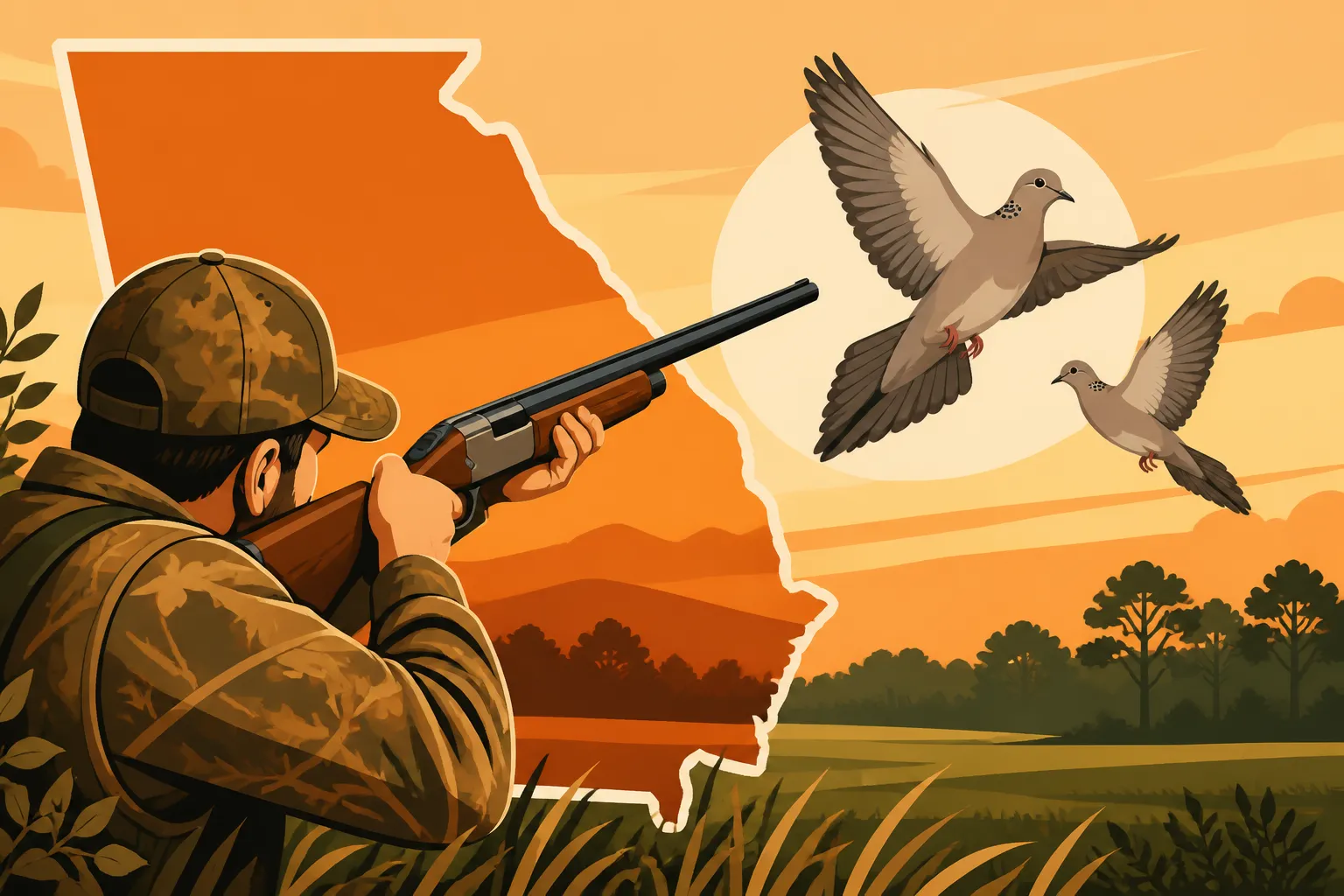
There's nothing quite like the excitement of Georgia's dove season opener, but let's be real: sometimes those early September hunts can be a hot, crowded mess. You've got swarms of hunters, birds that have seen every trick in the book after the first few days, and temperatures that make you sweat through every layer. But if you've ever felt that post-opener lull and wished for a second chance at those fast-flying targets, you're in luck. This guide is all about diving deep into the often-overlooked, yet incredibly rewarding, second dove split in October, helping you navigate the unique challenges and opportunities it presents in the Georgia fields.
Understanding Georgia's Dove Season Splits
Georgia's dove season isn't just one long, continuous stretch. It’s broken into distinct "splits," a system designed to maximize hunting opportunities while accounting for bird migration patterns and population dynamics. The first split, usually kicking off around Labor Day, is a high-energy affair, drawing massive crowds eager to kick off the hunting season. But as the leaves start to turn and the air gets a little crisper, the second split rolls around, typically in October. This later segment offers a completely different, and often more strategic, hunting experience. It's not just a continuation; it's a new chapter where different tactics shine. Understanding these splits, and particularly the nuances of the second one, is crucial for success.
Why the Second Split Matters
The October dove split in Georgia truly offers a breath of fresh air, literally and figuratively. For starters, the scorching heat of early September is usually gone, replaced by much more pleasant, cooler temperatures. This alone makes for a more comfortable day in the field, where you're less likely to be battling heatstroke alongside the birds. But beyond comfort, the cooler weather often brings in new waves of migratory doves from further north. These aren't the same birds that survived the opening weekend gauntlet; many are "new blood," potentially less wary and more predictable in their flight patterns as they seek out fresh food sources. This influx can revitalize fields that seemed shot out after the initial rush, presenting a new chance at a full limit.
Furthermore, the pressure from other hunters tends to be significantly reduced during the second split. Many fair-weather hunters or those who got their fill on opening day have moved on to other pursuits, or are waiting for deer season to really kick into gear. This means you’ll often find more elbow room, less competition for prime spots, and a more peaceful hunting environment. It’s a chance to truly enjoy the experience without constantly dodging other hunters' shots or feeling rushed. The combination of cooler weather, fresh birds, and fewer crowds makes the second split a highly appealing prospect for seasoned dove hunters looking for a different kind of challenge and a more serene outing.
Key Differences from Opening Day
Let's be honest, opening day of dove season in Georgia can be pure chaos. Fields are packed, birds are plentiful but often fly high and erratically due to constant pressure, and the atmosphere is more like a social event than a strategic hunt. You're often just trying to get a few birds down amidst the barrage of shots. The second split, however, is a different beast entirely. Gone are the throngs of hunters, which translates to birds that are less pressured and potentially more willing to establish consistent flight paths to feeding and watering areas. This is where a more thoughtful approach to hunting, rather than sheer volume of lead, really pays off.
The change in foliage is another major factor. By October, many trees have started to shed their leaves, and agricultural fields might have been harvested, changing the landscape dramatically. This can alter dove flight patterns, pushing them to new areas or concentrating them in the remaining viable food sources. Unlike the predictable frenzy of "Working a Dove Field on Opening Day," the second split demands more active scouting and adaptability. Birds might be utilizing different loafing trees, watering holes like a small pond where you could try to be Pass-Shooting Doves Over a Water Hole, or obscure pockets of leftover seeds. Understanding these environmental shifts and how they influence dove behavior is paramount. It’s less about being in the biggest crowd and more about finding those quiet, productive spots that others have overlooked, turning it into a more nuanced and rewarding hunt.
Tactics for October Doves
Hunting doves in October requires a shift in mindset and strategy from the typical high-octane opener. The birds are smarter, the weather is different, and the fields have changed. Success in this split hinges on careful observation, adaptability, and employing tactics that cater to wary, migratory birds rather than naive local populations. This is where your skills as a hunter really get tested and where a little extra effort in scouting pays dividends.
Scouting Cooler Weather Feeding and Watering Sites
By October, many of the prime sunflower or millet fields that were a magnet on opening day might be stripped bare, harvested, or simply devoid of the easy pickings doves crave. Birds are now actively seeking out alternative food sources and regular water. This means your scouting needs to be much more focused on finding those less obvious spots. Look for fields that still hold waste grain like corn or peanuts, or even natural weed seeds that have matured. Doves are opportunistic eaters, and a fresh patch of ragweed or pokeberry can be just as attractive as a commercial dove field. Use resources like the GoHunt app or other mapping tools to pinpoint potential food sources and dense cover nearby that might serve as loafing trees.
Water sources become increasingly important as well, especially if natural puddles from summer rains have dried up. Small ponds, irrigation ditches, or even livestock watering troughs can become major hubs for doves. Spend time observing these areas in the late afternoon. You'll want to identify primary flight paths the doves are using to access these resources. Look for power lines, fence rows, or tree lines that doves consistently follow. The goal isn't just to find where birds are, but how they are moving through the landscape. This intel will be invaluable for setting up an effective ambush, as birds during this split are far less likely to deviate from established routes.
Decoy Strategies for Wary Birds
Using decoys effectively during the second split is different from the opener. Early season birds might fly into almost any spread, but October doves are smarter, having likely been shot at already. This means you need to create a more convincing and natural-looking setup. Instead of just a haphazard cluster, think about how real doves would interact in a field. Spacing is key: put out fewer decoys, but spread them out more naturally, as if they are feeding and resting. Motion decoys, like spinning wing models or even a simple "flapper" attached to a pole, become almost essential. That flash of movement can be the crucial element that draws a cautious bird closer, convincing it to commit to your spread.
Placement also matters. Rather than putting decoys right in the middle of a wide-open field, consider placing them near the edge of a standing crop, along a fence line, or even at the base of a prominent dead tree that doves might use as a landing spot. This provides a more realistic visual and gives wary birds a sense of security. Remember, your goal is to mimic a relaxed, feeding flock. Pay attention to the wind direction; doves almost always land and take off into the wind. Position your decoys so incoming birds will approach them facing the wind, presenting easier shots. Don't be afraid to adjust your spread throughout the hunt if birds aren't responding. A dynamic approach to decoy setup, combined with your understanding of Georgia Mourning Dove Migration Timing, will greatly increase your chances with these smarter October birds.
Pass-Shooting and Ambush Points
With cooler temperatures and often clearer skies, doves in October tend to fly higher and faster, making pass-shooting a more prominent and effective tactic. This isn't about sitting under a feeding frenzy; it's about anticipating flight patterns and positioning yourself along their travel routes. Think about where doves are flying from and to. Are they heading from a distant roost to a particular feeding field? Or from a feeding field to a watering hole? These consistent flight corridors are your pass-shooting hotspots. Identify natural funnels like gaps in tree lines, low saddles in hills, or narrow stretches of open field between two blocks of woods.
Concealment is absolutely paramount when pass-shooting. These birds have seen it all, so blending into the background is non-negotiable. Don't just sit in the open. Utilize natural cover like thick brush, standing corn, or even the shade of a large tree. A good, dark blind or even a simple stool with some natural cover brushed around it can make all the difference. Practice your leads and follow-through, as these birds will be zipping by at impressive speeds. You'll want to have your Shotguns for Georgia Quail and Dove ready, perhaps with a slightly tighter choke than you might use on opening day, to give you a bit more range. Learning how to read the birds' approach and lead them correctly will separate a successful pass-shooter from someone just burning through shells.
Essential Gear and Preparation for October Hunts
Just as your tactics shift for the second dove split, so too should your gear. While many core items remain the same, paying attention to the specific conditions of an October hunt in Georgia can significantly improve your comfort, effectiveness, and overall success. This isn't just about having the right gun; it's about being prepared for everything from cooler mornings to denser cover and warier birds.
Shotguns and Ammunition Considerations
When it comes to shotguns for the second dove split, versatility is often key. While a 12-gauge remains the most popular choice due to its range of ammunition options and knockdown power, a nimble 20-gauge or even a 28-gauge can be a joy to carry and shoot, especially if you anticipate closer shots in more confined areas. For pass-shooting, where doves might be flying higher and faster, consider a shotgun with a longer barrel for a smoother swing and a slightly tighter choke, like modified or improved modified. This will help you reach those higher birds with a denser pattern.
Ammunition choice is equally important. While light target loads might have sufficed for the opening day swarm, October doves often demand a bit more punch. Many hunters opt for heavier loads, such as 1 1/8 ounce of #7.5 or #8 shot, to ensure clean kills on those fast, often distant birds. If you're hunting in a designated non-toxic shot zone, be sure to use steel or other approved alternatives. Always check the current Georgia Dove Season Bag Limit and migratory bird regulations to ensure you're in compliance. Bringing a sufficient supply of shells is a no-brainer, but thinking about the type of shells will make a real difference in your success rate during this later split.
Clothing and Comfort for Changing Conditions
October in Georgia can be a real mixed bag when it comes to weather. You might start the morning with a crisp chill in the air, only for it to warm up considerably by midday. This calls for a layered approach to your clothing. Start with a moisture-wicking base layer, add a light fleece or synthetic mid-layer, and top it off with a windproof and water-resistant outer shell. As the day progresses, you can shed layers to stay comfortable. Camouflage patterns that mimic the slightly duller, browner tones of fall foliage will also serve you better than bright green spring patterns.
Don't forget bug protection! While the worst of the summer mosquitoes might be gone, ticks and gnats can still be a nuisance, especially in areas with heavier cover. A good insect repellent is always a wise addition to your Dove Stools and Field Gear. Comfortable, waterproof boots are also a must, as you might be walking through dew-laden fields or damp creek bottoms. A wide-brimmed hat and shooting glasses are essential for eye protection and glare reduction. Planning your clothing for dynamic weather will allow you to focus on the birds, not on being too hot, too cold, or bug-bitten.
The Importance of a Good Retriever
While a retriever is always a wonderful asset for any bird hunt, their value truly shines during the second dove split. By October, the cover in many fields can be much denser than it was in early September. Grasses might be taller, harvested fields might have more stubble, and fallen leaves can make finding a downed bird incredibly difficult. This is where a well-trained dog, like a Labrador or a Springer Spaniel, can be an absolute game-changer. Not only do they save you the frustration of endlessly searching for birds in thick cover, but they also significantly reduce the number of lost birds, ensuring you honor the game you harvest.
Beyond the practical aspect of retrieving, having a dog adds another layer of enjoyment to the hunt. Watching your dog work, following commands, and happily bringing back a bird is a joy in itself. Just be sure your dog is well-conditioned for the cooler, but potentially still warm, temperatures and always carry plenty of water for them. For anyone serious about maximizing their harvest and minimizing lost birds during the second dove split, a good retriever is practically indispensable. It transforms the hunt from a potential scavenger hunt into a more efficient and rewarding experience.
Final Thoughts on October Dove Hunting
The second dove split in October is a different animal from the opening weekend, but it offers a unique and incredibly rewarding experience for the prepared hunter. The cooler weather, the potential for new migratory birds, and the decreased hunting pressure combine to create an atmosphere ripe for strategic, enjoyable hunts. By focusing on smart scouting, employing thoughtful decoy spreads, mastering pass-shooting techniques, and gearing up appropriately for the changing conditions, you can turn a typically quieter time into one of your most successful dove hunts of the year. So, don't pack away your shotgun after the first split; Georgia's October doves are waiting, and they offer a fantastic opportunity to extend your wingshooting season in comfort and style.
Disclaimer
Hunting is a regulated activity. Always consult the latest Georgia Department of Natural Resources (DNR) regulations and local laws before planning any hunt. Rules regarding seasons, bag limits, licensing, and ethical conduct can change, and it is the hunter's responsibility to stay informed and compliant. Safety should always be your top priority.