Hunting Managed Pine for Wild Quail
Hunting wild quail in Georgia’s managed pine forests can feel like chasing a ghost. For many hunters, the days of abundant coveys seem long gone, replaced by dense woods or manicured fields with little to offer these elusive birds. But if you know what to look for and how to approach these specialized habitats, you can still experience the thrill of a covey rise. This guide will help you understand the unique ecosystem of managed pine, how to scout effectively, and the tactics you’ll need to put wild bobwhites in your game bag.
Understanding Managed Pine Habitat for Quail
When we talk about "managed pine" for wild quail, we're not just talking about any stand of pine trees. We're talking about a specific, intentionally cultivated ecosystem that mimics the natural longleaf pine savannas where bobwhite quail historically thrived. This isn't your typical dense, dark pine plantation; it's an open, airy forest with a rich, diverse understory.
The Ecosystem of Longleaf Pine Savannas
Imagine walking through an open forest where sunlight filters down to the forest floor, illuminating a mosaic of native grasses and wildflowers. That's the essence of a healthy longleaf pine savanna. These majestic trees grow tall and straight, their needles providing a light, easily burned fuel source, while the open canopy allows sunlight to reach the ground. This sun exposure is crucial for the diverse understory plants that produce the seeds, insects, and berries wild quail depend on for food and cover.
For decades, many of Georgia's pine forests were managed for timber production, often resulting in dense stands that shaded out the vital understory. This habitat loss has been a major contributor to the Georgia Wild Quail Decline Since the 1960s. However, a renewed focus on ecological forestry and quail conservation has seen a resurgence in managing these longleaf ecosystems, particularly in South Georgia. Landowners and wildlife agencies are actively working to restore these crucial habitats, understanding that a thriving forest isn't just about timber value; it's about ecological health and biodiversity, including the return of the bobwhite.
How Prescribed Burning Benefits Quail
Fire, specifically prescribed burning, is the single most critical tool in managing pine forests for wild quail. It might seem counterintuitive to intentionally burn a forest, but it's an ancient and natural process that longleaf pine ecosystems evolved with. Without regular fire, the understory becomes choked with dense, woody brush and invasive species, shading out the native grasses and forbs that quail need.
Prescribed burns clear out this undesirable undergrowth, allowing sunlight to penetrate the forest floor. This stimulates the growth of new, tender shoots, forbs, and legumes which are vital food sources for quail. It also reduces tick populations and helps maintain open travel lanes for birds. Timing is everything with these burns; typically, they are conducted in late winter or early spring when conditions are right, preparing the ground for lush new growth come summer, providing excellent brooding and nesting cover. This management technique is a cornerstone of Why Managed Pine Helped Georgia Quail Rebound in certain areas.
The Importance of Groundcover and Forbs
The real magic for quail isn't necessarily the pine trees themselves, but what grows beneath them. Quail are ground-dwelling birds, and their lives revolve around the groundcover. They need a mix of tall, clumpy grasses for nesting and escape cover, broadleaf plants (forbs) for seeds and insects, and open areas for dusting and moving about. Think of plants like partridge pea, lespedeza, ragweed, and various native grasses – these are gourmet meals and five-star hotels for a bobwhite.
These plants provide essential components of a quail's diet, from the protein-rich insects consumed by chicks to the energy-dense seeds that carry them through winter. Crucially, the right groundcover also offers camouflage from predators and protection from harsh weather. When you're scouting a managed pine stand, you're not just looking for pine trees; you're scrutinizing the forest floor for this specific mix of diverse, native plants. If the ground is bare, or dominated by a single species like dense fescue, chances are the quail will be elsewhere.
Scouting and Locating Quail in Managed Pine
Successfully hunting wild quail in Georgia often boils down to effective scouting. These birds are creatures of habit, and while they can be elusive, they leave behind clues if you know what to look for. It’s a different kind of scouting than you might do for deer; here, you’re looking for macro-habitat features down to micro-level bird sign.
Reading the Landscape for Quail Sign
Before you even think about releasing your dogs, spend time walking the prospective habitat without them. Look for clues that quail have been in the area. These might include dusting bowls, which are small depressions in sandy or loose soil where quail clean their feathers. You might find quail droppings, which are small, cylindrical, and often have a white cap, indicating their insect and seed-rich diet. Tracks in soft soil can also betray their presence, though these are often harder to spot.
Beyond direct sign, pay attention to the habitat itself. Are there areas of transition where open pine savanna meets thicker edge cover? Quail often move between these zones for feeding and roosting. Look for good escape cover – dense thickets or briar patches adjacent to more open feeding areas. These "soft edges" are prime locations for a covey to call home. Note the presence of the native forbs and grasses we discussed earlier; if they are abundant, you're likely in a good area. A useful mental map, perhaps aided by tools like the Georgia Outdoors App, can help you connect these scattered observations into a cohesive picture of quail activity.
Using Technology for Scouting
In today's hunting world, technology can be a huge asset in the quail woods. Satellite imagery and topographical maps, easily accessible through apps like GoHunt, allow you to study the landscape from your couch. Look for large blocks of managed pine forests, especially those with visible signs of recent prescribed burns. These areas will often appear lighter or more open on satellite views. Identify clear-cuts that are in the early stages of regeneration, as these can also hold quail, provided they aren't too dense.
GoHunt and similar platforms can also help you identify property boundaries, which is crucial when hunting areas that might be adjacent to private land. You can mark potential covey locations, dusting bowls, or good cover on your digital map for future reference. Comparing current satellite images with historical ones might even reveal patterns of prescribed burning over several years, helping you identify consistently managed areas. Don't forget to download offline maps, as cell service can be spotty in some of Georgia's more remote quail country.
Listening for Calls and Covey Locations
Sometimes, the best scouting tool is your ears. Wild bobwhite quail are vocal birds, especially during the early morning and late afternoon. The iconic "bob-white!" whistle is their contact call, and hearing it is a sure sign you're in the right neighborhood. Listen for it at dawn or dusk, particularly from a high point in the landscape.
When a covey flushes, the explosive whir of wings is unmistakable. After the initial flush, the birds will scatter, and then, as they try to regroup, they'll often start making "covey-up" calls – softer, more continuous whistles designed to help them find each other. Learning to recognize these calls can guide you to scattered singles, which are often easier to approach with a pointing dog. Listening intently can often pinpoint a general area long before your dogs get birdy, saving you time and energy.
Tactics for Hunting Wild Quail in Managed Pine
Hunting wild quail in Georgia’s managed pine isn't like shooting clays; it's a dynamic, physically demanding, and highly rewarding pursuit that leans heavily on the partnership between hunter and dog. The success of the hunt hinges on keen observation, quick reactions, and an understanding of bird behavior.
Working Pointing Dogs Effectively
Let’s be honest: successfully hunting wild quail without good pointing dogs is nearly impossible. These birds hold tight, blend seamlessly into the undergrowth, and a covey can be within feet of you without you ever knowing it. This is where the magic of a well-trained dog comes in. When you're Working Pointing Dogs on Wild Georgia Quail, your dog is your primary locator. They'll use their superior sense of smell to pick up the quail's scent, follow it, and then "point" or freeze, indicating the birds' exact location.
The handler's job is to read the dog. Pay attention to their body language: a sudden change in gait, a raised head, or a twitching tail can signal they're getting birdy. Once a dog goes on point, approach deliberately and cautiously. The dog should hold steadfastly, allowing you to walk in front of them, gun at the ready, eyes scanning the ground where they're pointing. This moment, the anticipation building before the flush, is one of the most exciting in upland hunting. Remember, a good dog is an investment in time and training, but it’s invaluable for finding and retrieving these small, camouflaged birds.
The Approach and Flush
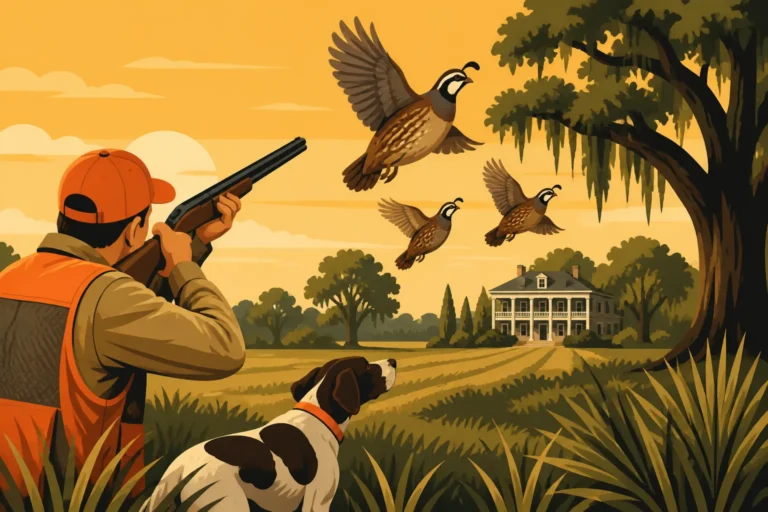
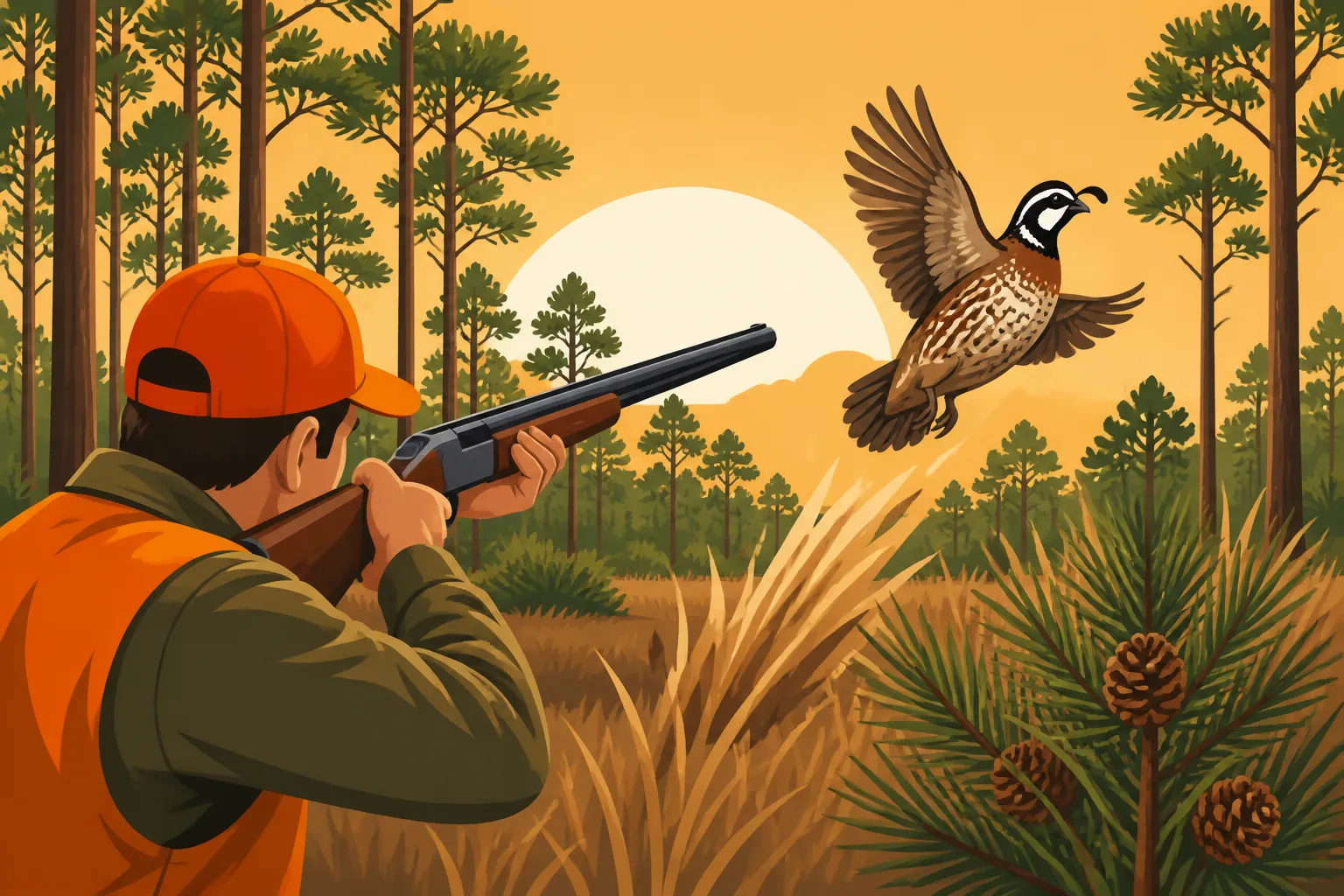
Once your dog is on a solid point, the approach is critical. Walk in slowly, covering the ground in front of the dog. Quail will often hold tight, sometimes until you're literally a few feet away. Your goal is to get into a good shooting position, ready for the explosive flush. When the covey explodes, it will often be a chaotic burst of wings in multiple directions. Resist the urge to panic. Pick a single bird, swing through it, and make your shot.
It’s easy to get overwhelmed by the sheer number of birds flushing, but trying to shoot at the entire covey is rarely successful. Focus on one bird, track its flight path, and make a clean shot. Aim for the lead edge of the bird, swinging through its flight. Depending on the density of the cover and the speed of the birds, you might only get one shot, or if you're quick and skilled, two. Practice at a skeet or trap range can greatly improve your reaction time and swing for these fast-flying targets.
Covey Re-locating and Single Birds
The hunt doesn't end with the covey flush. In fact, some of the most challenging and rewarding hunting comes from finding the scattered single birds. After the covey disperses, mark the general direction the birds flew. Wait a few minutes, let the adrenaline subside, and then send your dogs to work the area where the covey scattered. The birds will typically fly into the nearest available cover, often a denser patch of briars or tall grass, and then hold tight, hoping to evade predators.
Singles are often much harder for dogs to find, as the scent cone is smaller, and the birds are motionless. But when a dog finds and points a single, it's a more controlled flush, often allowing for an easier shot. These individual birds provide excellent opportunities for both you and your dogs to hone your skills. Remember to pay attention to your dog's demeanor; they might work more slowly and meticulously on singles. This phase of the hunt requires patience, perseverance, and trust in your canine partner. Knowing how to Working a South Georgia Quail Covey Rise effectively can drastically increase your success rate.
Essential Gear for Managed Pine Quail Hunting
Beyond your trusty shotgun and a good dog, having the right gear can make all the difference between a miserable day and a successful, comfortable hunt in Georgia's managed pine. This isn't just about making things easier; it's about safety, efficiency, and enjoying the experience.
Shotguns and Ammunition
For wild quail, a fast-handling, lightweight shotgun is paramount. Most experienced quail hunters prefer a 20 gauge or even a 28 gauge, known for their quick swing and light recoil, which is appreciated after a long day of walking. Over/under or side-by-side shotguns are popular choices for their balance and classic feel, but a semi-automatic can also work well, offering a third shot if needed. Choke selection is usually open, such as improved cylinder or skeet, to provide a wider pattern for fast-flushing birds at close range.
When it comes to ammunition, light field loads with smaller shot sizes like #7.5 or #8 are ideal. These provide a dense pattern without over-penetrating the small birds. Remember, you're not shooting at ducks or turkeys; you want to pepper the bird effectively without tearing it up. Always ensure your shotgun is clean and well-maintained, especially in dusty or humid Georgia conditions. Choosing a reliable upland gun is key, which is why detailed guides like Upland Guns for Quail Plantation Walks are so helpful.
Footwear and Clothing
You'll be covering a lot of ground in varied terrain – from open pine needle floors to dense briar thickets. Comfortable, durable, and protective footwear is non-negotiable. Snake boots are highly recommended for hunting in Georgia, as venomous snakes like rattlesnakes and copperheads are present in these habitats, especially during warmer parts of the season. Look for boots that offer ankle support, waterproof construction, and a comfortable fit for miles of walking.
Your clothing should be lightweight, breathable, and tough enough to withstand brush. Brush pants or chaps are excellent for protecting your legs from thorns and briars. Layering is always a good idea, as Georgia mornings can start cool and quickly warm up. Blaze orange is often required or highly recommended for safety, especially if you're hunting with a group or on public land. A good upland vest with plenty of pockets for shells, a water bottle, and a game bag is also essential.
Hydration, Communication, and Safety
Staying hydrated is crucial, particularly during the earlier, warmer parts of the quail season in Georgia. Carry plenty of water for yourself and your dogs. A hydration pack or multiple water bottles in your vest or backpack are a must. Dehydration can quickly lead to fatigue and impair judgment.
Communication is also vital, especially if hunting with a group. Two-way radios can be invaluable for coordinating movements and ensuring everyone stays safe and informed. A fully charged cell phone with a mapping app (like GoHunt) and downloaded offline maps is excellent for navigation and emergency calls. Beyond communication, always carry a basic first aid kit, both for yourself and your dogs. GPS devices specifically for tracking your dogs, such as those from Garmin or SportDOG, can be a game-changer, helping you locate a dog on point or one that has simply wandered off. Finally, always let someone know where you're hunting and when you expect to return.
Challenges and Conservation Considerations
Hunting wild quail in Georgia is as much about understanding the birds and their habitat as it is about shooting skills. The challenges are real, but so are the dedicated efforts to bring these iconic birds back.
Factors Affecting Quail Populations
The decline of wild bobwhite quail across the Southeast, including Georgia, is a complex issue with multiple contributing factors. The primary culprit has been habitat loss and degradation. As agriculture practices changed, forests grew denser due to fire suppression, and suburban sprawl encroached on rural lands, the open, diverse understory quail need simply vanished. Large monoculture pine plantations, while great for timber, offer little for quail without active management.
Beyond habitat, predation plays a significant role. Increased populations of predators like raccoons, opossums, feral hogs, and even coyotes can take a heavy toll on quail nests, chicks, and adult birds. While hunting predators can help locally, broad-scale predator control is often impractical. Weather patterns, especially prolonged droughts or excessively wet nesting seasons, can also impact annual quail production. It's a tough world out there for a bobwhite, which is why every covey found is a small victory.
The Role of Conservation in Managed Pine
Despite the challenges, there's significant hope and ongoing work in quail conservation. The managed pine habitats we've discussed are a direct result of these efforts. Organizations like Quail Forever, Tall Timbers Research Station, and the Georgia Department of Natural Resources (DNR) are actively working with private landowners and public land managers to restore longleaf pine ecosystems through prescribed burning, timber thinning, and native plant restoration.
These efforts are not just about hunting; they benefit a host of other wildlife species that rely on open pine habitats. Landowners who implement these practices often see improvements in overall forest health and biodiversity. Hunters play a crucial role in this conservation cycle by purchasing licenses and stamps, which directly fund these habitat restoration projects. When you support ethical hunting and participate in groups dedicated to habitat, you're contributing to the future of wild quail in Georgia. These conservation initiatives are essential to ensuring that future generations can still experience the thrill of Working a South Georgia Quail Covey Rise and help the bobwhite return to its former glory.
Georgia Quail Season Dates and Regulations
Understanding the specific season dates and bag limits is crucial for any hunter targeting wild quail in Georgia. These regulations are designed to ensure sustainable hunting practices and protect the quail population. The Georgia Wild Quail Season Opening Day typically falls in mid-November and runs through late February. The daily bag limit is generally generous, reflecting the reproductive potential of quail, but always check the current Georgia DNR hunting regulations annually, as they can change.
For instance, the statewide daily bag limit for bobwhite quail is often 12 birds per hunter, with a possession limit of 36. However, some specific Wildlife Management Areas (WMAs) or private shooting preserves might have different rules, so it's vital to confirm before you hunt. Knowing these rules is not just about legality; it's about being a responsible hunter and contributing to the conservation of this cherished game bird.
Table: Key Quail Habitat Indicators
| Habitat Feature | Why it's Important for Quail | What to Look For While Scouting |
|---|---|---|
| Open Pine Canopy | Allows sunlight to reach the forest floor, promoting diverse understory. | Widely spaced pine trees, visible sunlight on the ground. |
| Diverse Groundcover | Provides food (seeds, insects), nesting, and brooding cover. | Mix of native grasses (e.g., bluestem), forbs (e.g., partridge pea, ragweed), and low shrubs. |
| Evidence of Prescribed Fire | Clears dense undergrowth, stimulates new growth, controls pests. | Burned stumps, charred pine needles, fresh green shoots emerging from black ground. |
| Edge Habitat | Transition zones offer diverse food and cover options, safe travel. | Where open pine meets thicker briar patches, field edges, or creek bottoms. |
| Dusting Bowls | Sites for feather cleaning, indicating recent quail activity. | Small, shallow depressions in sandy or loose soil, often near cover. |
| Water Sources | Essential for hydration, especially during dry periods. | Ponds, seepages, or creek bottoms nearby (though quail get much moisture from food). |
| Roosting Cover | Protects from predators at night; often dense clumps of grass. | Tall, clumpy grass patches, especially in open areas with good visibility. |
Disclaimer
Hunting is an inherently dangerous activity. This guide is for informational purposes only and does not substitute for proper training, adherence to all local, state, and federal regulations, or exercising extreme caution in the field. Always prioritize safety, wear appropriate gear, and hunt ethically and responsibly. Consult the Georgia Department of Natural Resources for the most current regulations.