Keeping Powder Dry in Georgia Humidity
Few things are more disheartening for a hunter than hearing a soft "click" instead of a thunderous roar when that trophy buck steps into view, all because Georgia's relentless humidity silently sabotaged your powder. We've all been there, pushing through a dense fog in a river bottom or getting caught in a pop-up afternoon shower, wondering if our meticulously loaded rounds are still good. This guide is all about tackling that pervasive moisture head-on, ensuring your powder, primers, and ammunition remain bone-dry and reliable, no matter how muggy our Georgia woods get.
Understanding Georgia's Humidity Challenge for Hunters
Georgia is beautiful, no doubt about it, with its diverse landscapes from the northern mountains to the coastal plain. But let's be honest, it's also a sauna for much of the hunting season. That thick, sticky air isn't just uncomfortable for us; it's a constant threat to the integrity of our ammunition, especially for those who favor muzzleloaders. You can feel it in the air, see it clinging to the leaves, and trust me, it’s looking for a way into your powder.
The Enemy Within: How Moisture Affects Propellants
At its core, gunpowder – whether it's black powder, Pyrodex, or modern smokeless propellant – is designed to burn rapidly and consistently. The problem is, many propellants are what we call hygroscopic, meaning they love to absorb moisture from the air. Think of a sponge. When your powder gets even slightly damp, it changes its chemical composition, which directly impacts its burn rate. This can lead to a whole host of problems in the field.
Imagine you've been sitting patiently in your stand for hours, the air thick with morning dew. You finally get your shot, squeeze the trigger, and all you hear is a weak "poof" or, worse, nothing at all. That's a hangfire or a misfire, a direct result of moisture compromising your powder or primer. Not only is it dangerous, but it can utterly ruin a hunting opportunity you've waited all season for. Even if it does fire, damp powder can lead to reduced velocity, meaning your bullet might not hit where you aimed or might not have enough energy for a clean, ethical kill. Primers, too, are sensitive. A little moisture around the primer cup can prevent the firing pin from igniting it properly, turning your carefully loaded round into a dud.
From Foggy Mornings to Afternoon Downpours: Typical Georgia Conditions
Georgia's weather patterns conspire against dry powder. Our early archery season, for instance, often sees temperatures still soaring into the 80s, coupled with humidity levels that make the air feel like soup. You might set out before dawn, everything crisp and cool, only for a dense fog to roll in, blanketing the river bottom where you're set up. That fog isn't just external; it penetrates everything. Then there are the unpredictable pop-up thunderstorms, especially common in late summer and early fall. One minute it's sunny, the next you're drenched.
Even outside of active rain, the ambient dampness is a silent killer. Anyone who's hunted our Hunting Georgia Swamp and River Bottom Deer knows this intimately. The air can just feel perpetually wet, soaking into clothing, chilling you to the bone, and seeping into any unprotected gear. Your rifle might feel fine to the touch, but tiny amounts of moisture can be working their way into the action or the bore. This is why a proactive approach to moisture protection isn't just smart; it's absolutely crucial for success and safety in Georgia's diverse hunting environments.
Essential Gear and Practices for Moisture Protection
Combating Georgia's relentless humidity isn't just about wishing it away; it's about employing smart gear choices and diligent practices both at home and in the field. It's about creating layers of defense against that unseen enemy.
Watertight Storage for Powder and Primers
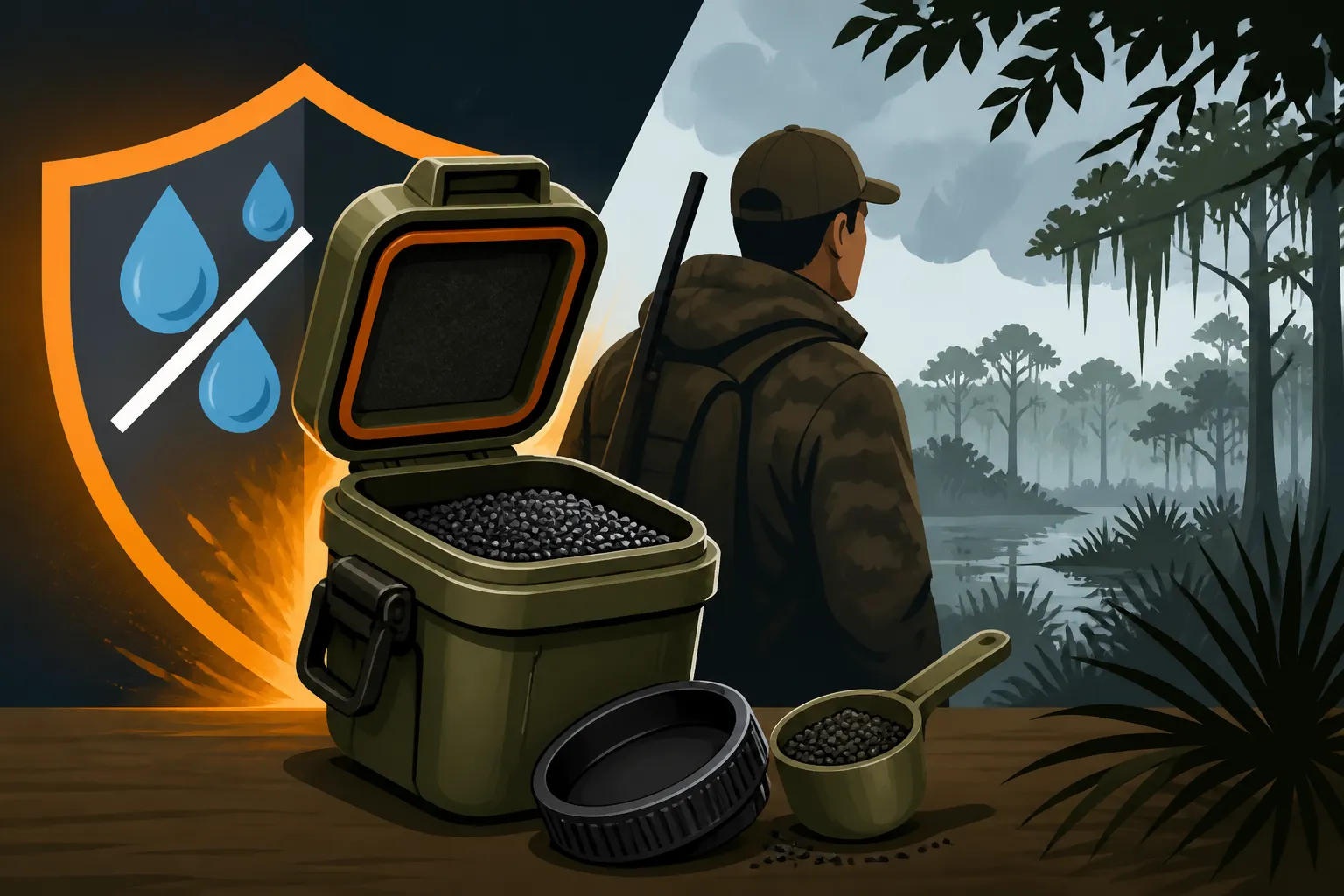
The first line of defense begins long before you ever step foot in the woods. For black powder hunters, this means treating your propellants and primers like precious, delicate cargo, which they are. Investing in high-quality, truly watertight containers is non-negotiable. Think military-grade ammo cans with robust rubber gaskets, or heavy-duty plastic containers specifically designed for ammunition storage. Within these, a few desiccant packs, like those little silica gel packets that come with new shoes or electronics, can work wonders. They actively absorb moisture from the enclosed air, creating a dry microclimate for your powder and primers.
When you're packing for a hunt, especially if you're pre-measuring charges for your muzzleloader, use small, individual plastic vials or tubes with tight-fitting caps. Seal those vials in a heavy-duty, freezer-grade Ziploc bag, squeezing out as much air as possible before zipping it shut. Then, place that Ziploc bag inside a small dry bag, or even another Ziploc, within your main hunting pack. It might sound excessive, but imagine getting caught in an unexpected downpour while walking to your stand. That layering can be the difference between a successful hunt and a wasted morning. This meticulous approach means that when you reach for a fresh charge, you can be confident it's as dry as the day it left the factory.
Protecting Your Muzzleloader in the Field
Muzzleloaders, with their open muzzles and often exposed powder charges, present a unique challenge in humid conditions. You've loaded your powder, seated your bullet, and capped your primer – now what? Leaving the muzzle exposed is an open invitation for moisture. A simple and effective trick is to use a bore cap or even a piece of electrical tape securely over the muzzle. This prevents rain, fog, and condensation from entering the barrel and contacting your powder charge. Some hunters even use a small balloon stretched over the muzzle; just remember to remove it before firing!
Beyond the muzzle, the breech plug and nipple area are also vulnerable. Ensure your breech plug is clean and tightly seated, and consider a light coating of an appropriate sealant or grease around the threads to keep moisture out. If your muzzleloader uses percussion caps, make sure the nipple is clean and the cap is seated firmly. Carrying a small, dry, dedicated pouch for extra caps and cleaning supplies is also wise. During the hunt, if you're carrying your muzzleloader, try to keep the muzzle pointed downwards when walking through wet brush or during light rain to minimize water ingress. Hunters who use the GoHunt app often make notes on their gear performance in different weather, and many will attest to the importance of these small but significant measures for their muzzleloaders, especially during Georgia's Georgia Primitive Weapons Season Dates.
Ammunition Care for Centerfire and Rimfire
While not as immediately susceptible as black powder, conventional centerfire and rimfire ammunition still needs protection from Georgia's dampness. The seals around the bullet and primer on factory cartridges are designed to keep moisture out, but they aren't foolproof, especially after prolonged exposure or if the cartridges have been handled roughly. Leaving loose rounds rattling in a pocket or in a damp cartridge holder for days can lead to problems.
Always keep your spare ammunition in its original factory box, and then place that box inside a sealed plastic container or heavy-duty Ziploc. Ammo wallets or cases with individual loops are great for organization and quick access in the field, but ensure they are made of water-resistant material and, again, house them within a larger waterproof bag inside your pack. When you're Cleaning a Rifle After a Humid Sit, it's also a good practice to wipe down your spare ammunition, inspecting for any signs of corrosion or tarnishing on the brass or bullet, which could indicate moisture ingress. If you find any, it's generally best to discard those rounds to avoid potential misfires or dangerous performance issues.
Field Strategies to Combat Dampness
Being prepared at home is one thing, but consistently applying those moisture-fighting tactics in the dynamic environment of the Georgia woods is another. It's about developing habits that keep you dry and functional, no matter what the weather throws at you.
The "Dry Bag" Mentality for All Your Hunting Essentials
Think of a dry bag not just as a piece of gear, but as a mentality. It's about assuming everything you carry could get wet, and planning accordingly. This goes beyond just your ammunition. Your phone, GPS, license, maps, truck keys, and fire starters are all critical items that can be rendered useless by moisture. Carrying small, roll-top dry bags or even multiple layers of heavy-duty Ziploc bags for these essentials is a simple, effective strategy.
When you're packing your main hunting backpack, mentally compartmentalize. Your primary ammo might be in a water-resistant pouch, tucked inside your pack, but your spare powder charges should be in their own sealed container within that. Your phone goes into a Ziploc, then into a waterproof pouch in a secure pocket. This approach ensures that even if your main pack gets soaked, your most vital items remain protected. It's an extension of the same principle we apply to Warm-Weather Clothing for Georgia Hunters: layering for comfort, but also layering for protection against the elements. If you're heading to places like the Hunting the Okefenokee Swamp Region, this "dry bag" mentality becomes paramount, as constant dampness is practically a given.
Quick Drying and Inspection Routines
The hunt isn't over when you leave the stand; the battle against moisture continues. As soon as you're out of the elements, or even during a lull in the action, it's crucial to wipe down your firearm. Use a silicone-treated cloth or a light coating of rust-preventative oil on all external metal surfaces. If you're using a muzzleloader, remove any bore caps or tape and, ideally, remove the breech plug (if safe to do so) to allow the bore and action to air out. Never put a damp firearm directly into a case; always let it air dry thoroughly first.
Inspect your ammunition. Check for any condensation on the cartridges, or any discoloration on the brass or bullets. If you were carrying powder charges in individual tubes, open them up in a dry environment and visually inspect the powder. If it looks clumpy, discolored, or shows any signs of moisture, it's time to discard it safely. Don't take chances with compromised powder. By developing a routine of immediate inspection and drying, you can catch potential problems before they become critical. Many hunters utilize tools like the GoHunt mapping system to mark areas prone to heavy dew or standing water, reminding them to pay extra attention to their gear after hunting those spots.
Desiccants and Moisture Absorbers: Your Silent Guardians
We've mentioned desiccant packs for ammo storage, but their utility extends much further. Small, reusable desiccant packs can be placed in gun cases, range bags, and even in the pockets of your hunting vest or jacket during humid hunts. These silent guardians continuously pull moisture from the air, creating a drier environment for your gear. Many desiccant products are rechargeable; you can typically bake them in an oven to dry them out and reactivate their moisture-absorbing properties, making them a sustainable solution.
For your long-term storage at home, especially in a gun safe, larger electric dehumidifiers or rechargeable desiccant cans are excellent investments. However, for field use, focus on the portable, smaller packs. Remember that any time you open a container that's supposed to be sealed and dry, you're introducing new moisture. So, be mindful of how often you expose your powder and primers to the outside air. Having a dedicated desiccant strategy, both at home and in the field, is a proactive measure that prevents issues rather than reacting to them. This foresight is just as important as choosing the right Rifle Scopes for Low-Light Swamp Edges or ensuring you have the proper Bug Repellent That Holds Up in a Tree Stand for those humid Georgia days.
Protecting Your Precious Powder and Gear: A Quick Reference
Here’s a quick overview of common hunting items and the best ways to keep them dry and functional in Georgia's challenging conditions.
| Item Type | Primary Threat | Recommended Protection Methods | Field Application Notes |
|---|---|---|---|
| Black Powder | Humidity, Rain | Watertight containers, desiccant packs | Pre-measure charges into sealed tubes; use bore caps on muzzleloader. For Choosing a Muzzleloader for a Warm Opener, this is key. |
| Primers | Humidity, Water | Sealed boxes/containers, desiccant packs | Keep in original packaging inside a secondary waterproof bag. |
| Centerfire Ammo | Ambient Moisture, Submersion | Sealed ammo cans, individual plastic bags | Use individual ammo wallets; avoid loose rounds in pockets. |
| Muzzleloader | Internal moisture, bore obstruction | Bore caps, electrical tape, breech plug seals | Wipe down immediately after use; dry thoroughly. Refer to Muzzleloaders Under Georgia Primitive Weapons Rules for guidelines. |
| Rifle/Shotgun | Surface rust, internal dampness | Silicone-treated rags, light oil, gun socks | Wipe down daily; use moisture-wicking gun cases for transport. |
| Critical Paperwork | Water damage | Ziploc bags, waterproof document holders | Keep license, permits, maps in double-sealed bags. |
| Clothing | Body moisture, external rain | Wicking base layers, quality rain gear | Combine with options like Blaze Orange Jackets Versus Vests for visibility and weather protection. |
Conclusion: Staying Dry for Success in Georgia
Hunting in Georgia is a privilege, offering incredible opportunities across diverse landscapes. But to truly enjoy and succeed in our unique environment, you have to respect and prepare for the omnipresent challenge of humidity. By understanding how moisture affects your gear, employing smart storage solutions, diligently protecting your firearms and ammunition in the field, and maintaining a proactive "dry bag" mentality, you can significantly reduce the risk of a misfire or a compromised hunt. Don't let a little Georgia dampness ruin your big moment. Stay dry, stay safe, and enjoy every minute out there.
Disclaimer
This article is for general informational purposes only and does not constitute professional advice. Laws, prices and regulations vary by location and change over time. Consult a qualified professional for guidance on your specific situation.