Suppressors for Georgia Predator Hunting
One of the biggest frustrations for predator hunters in Georgia is the sheer noise associated with the sport, whether it's the blast from your rifle echoing through the pines or the concern about bothering landowners nearby. This guide is all about exploring how firearm suppressors can dramatically change your predator hunting experience for the better, making it safer, more effective, and much more considerate of those around you.
Understanding Georgia's Stance on Suppressors
Let's face it, the world of firearm suppressors can feel a bit like navigating a legal jungle, especially when you're just starting out. There's a lot of misinformation and old wives' tales floating around, making it tough to figure out what's what. But for Georgia hunters, the good news is that using a suppressor for predator hunting is absolutely legal, provided you follow the proper federal and state procedures. It's not about being covert or sneaky; it's about responsible firearm ownership and hunting.
Legal Landscape for Suppressor Use in Hunting
For years, many folks associated suppressors with illicit activities or special forces operations, thanks largely to Hollywood. However, in reality, suppressors are hearing protection devices that also offer significant benefits for hunting. Georgia recognizes this, and unlike some states, it has embraced their use in hunting. This means you won't be breaking any state laws by having one on your rifle while pursuing coyotes or other predators, as long as you've acquired it legally through federal channels. The key is understanding that while Georgia allows their use, the acquisition process is still governed by federal law.
It’s crucial to distinguish between owning a suppressor and using it. Owning one means you've completed all the federal paperwork. Using it means you're complying with state hunting regulations. In Georgia, there are no specific prohibitions against using a suppressor for game animals, including predators. This open stance is a huge win for hunters looking to protect their hearing and reduce their environmental footprint. You can take your suppressed rifle into the woods, whether you're stalking a coyote in the Piedmont Versus Coastal Plain Deer regions or calling one in on private land in South Georgia.
Federal vs. State Regulations Explained
The primary hurdle for acquiring a suppressor falls under federal law, specifically the National Firearms Act (NFA) of 1934. This is where most of the perceived "red tape" comes from. The NFA classifies suppressors, often referred to as "silencers," as Title II firearms, requiring a rigorous application process, a federal tax stamp, and an extensive background check. This isn't a quick trip to the sporting goods store; it's a commitment. However, once you've navigated the federal maze and received your approved paperwork, your suppressor is legally yours.
Georgia law, on the other hand, is generally permissive regarding suppressor use in hunting. While the federal government dictates how you obtain a suppressor, state law governs where and when you can use it for hunting purposes. Currently, Georgia does not have any specific state-level restrictions that would prevent you from using a legally owned suppressor during any open hunting season, including for predators. This clear distinction simplifies things for hunters; focus on the NFA process for ownership, and then you're free to use it according to standard hunting regulations, which makes planning your hunts much easier, especially if you're targeting Coyote Calling in Georgia Farm Country.
The NFA Process for Obtaining a Suppressor
The NFA process can seem daunting at first glance, but it's entirely manageable if you break it down. It typically involves several key steps. First, you'll select the suppressor you want to purchase. Then, you'll need to complete an ATF Form 4 application, which registers the suppressor to you as an individual or to a trust or corporation. This form requires personal information, fingerprints, and a passport-style photograph. You'll also need to pay a federal tax stamp, which is a fixed fee for each NFA item.
Once your application is submitted, it goes through a thorough background check by the ATF, which can take a significant amount of time. Patience is definitely a virtue here! Many gun stores and specialized dealers are well-versed in the NFA process and can help you navigate the paperwork, often handling the electronic submission and fingerprinting for you. Utilizing a resource like GoHunt might also provide some helpful insights into dealers or local services that streamline this process. It’s a bit of a wait, but knowing you’re doing everything by the book for your Suppressors for Georgia Predator Hunting setup brings immense peace of mind.
Why Suppressors are a Game-Changer for Predator Hunters
For those of us who spend a lot of time in the Georgia woods, the advantages of a suppressor extend far beyond just being "quiet." They truly transform the hunting experience, addressing several common pain points that hunters face, especially when dealing with intelligent and wary predators like coyotes. It's not just about noise; it's about comfort, precision, and respect for the environment and other people.
Mitigating Hearing Damage and Enhancing Comfort
One of the most immediate and impactful benefits of a suppressor is hearing protection. The concussive blast from a high-powered rifle can permanently damage your hearing in just a few shots, and let's be honest, wearing bulky ear protection can be cumbersome and reduce your ability to hear subtle environmental sounds, which are crucial for predator hunting. A suppressor significantly reduces the decibel level of your shot, bringing it down to a much safer, more manageable level, often comparable to an unsuppressed .22LR or less.
This reduction in noise means you can comfortably shoot without additional hearing protection in many scenarios, allowing you to stay more aware of your surroundings – the rustle of leaves, the distant call, or the subtle footfall of an approaching coyote. It makes the entire experience more pleasant and extends your longevity as a hunter by protecting one of your most vital senses. No more ringing ears after a successful hunt; just the satisfying thud of the shot and the focus on your target.
Improving Accuracy and Reducing Flinch
The sudden, violent recoil and deafening report of an unsuppressed rifle can lead to a phenomenon known as "flinch." This involuntary reaction, even slight, can throw off your shot placement, especially at longer distances or under pressure. Suppressors, by channeling and dissipating gases, not only reduce sound but also significantly mitigate recoil. This smoother shooting experience allows you to maintain better sight picture through the shot, leading to improved accuracy.
When you're not anticipating a harsh kick or a thunderous blast, you can focus entirely on your fundamentals: breath control, sight alignment, and trigger squeeze. This is particularly valuable when you're trying to make a precise shot on a wary coyote that might only offer a small window of opportunity. The confidence gained from a more stable and quiet platform can translate directly into more consistent and ethical harvests, helping you succeed whether you're Coyote Calling in Georgia Farm Country or anywhere else.
Minimizing Disturbance for Consecutive Shots and Property Owners
Predator hunting often involves multiple animals or follow-up shots on a single animal that might not go down immediately. The loud report of an unsuppressed rifle typically spooks any other predators in the vicinity, sending them scrambling and making consecutive shots or calling in additional animals a near impossibility. With a suppressor, the noise signature is drastically reduced, allowing for quicker follow-up shots or even the chance to call in another predator that might not have been alerted by the muffled report.
Beyond the immediate hunting scenario, suppressors are a huge benefit for community relations. Many predator hunts occur near agricultural lands, rural homes, or even closer to suburban fringes. The sound of gunshots can be alarming and disruptive to non-hunters, leading to complaints and potentially restricting future hunting access. By minimizing the noise pollution, suppressors demonstrate a commitment to being a good neighbor and responsible land user, making it easier to gain and maintain permission for Hunting Small Private Tracts in Georgia or even just ensuring you don't bother the folks next door.
Choosing the Right Suppressor for Georgia Predators
Stepping into the world of suppressors can feel overwhelming with the sheer number of options available. It’s not a one-size-fits-all situation, especially when you consider the varied terrain and hunting styles we have here in Georgia. From the dense cover of the Piedmont to the wide-open fields of the Coastal Plain, your choice will depend on a few key factors to ensure optimal performance for hunting coyotes and other predators.
Caliber Compatibility and Performance Considerations
The first and most critical consideration is caliber compatibility. Suppressors are designed for specific bullet diameters, and using the wrong one can be dangerous and damage your equipment. Many hunters prefer a multi-caliber suppressor that can handle a range of cartridges, such as .223/5.56mm for AR-platform rifles or .30-caliber models that can accommodate popular predator cartridges like .22-250, .243, 6.5 Creedmoor, or .308. While a .223 suppressor is excellent for smaller calibers, a .30-caliber suppressor will likely be more versatile if you plan on using multiple rifle platforms for your predator pursuits.
Beyond simple compatibility, consider how well the suppressor performs with your chosen ammunition. Some suppressors excel at reducing sound with supersonic rounds, while others are optimized for subsonic ammunition (though subsonic for common predator calibers like .223 or .243 can be impractical due to ballistic limitations). For predator hunting, you're generally using supersonic loads, so look for a suppressor known for effective sound reduction with those specific cartridges. This is where researching specific models and their decibel reduction ratings for common calibers really pays off, something you might explore through a platform like GoHunt.
Material, Weight, and Durability for Field Use
Suppressors are built from various materials, primarily stainless steel, titanium, or aluminum, or a combination thereof. Each material offers a different balance of durability, weight, and heat dissipation. Stainless steel is often the heaviest but most durable, great for high-volume shooting or heavy abuse. Titanium offers excellent strength-to-weight ratio, making for a lighter suppressor, which is a significant advantage when you're carrying your rifle long distances through rough Georgia terrain, perhaps even in areas like Finding Ground Others Walk Past. Aluminum is the lightest but generally less durable and often reserved for rimfire or low-pressure cartridges.
For predator hunting, where you might be walking considerable distances or carrying your rifle for extended periods, weight is a crucial factor. A heavy suppressor can throw off the balance of your rifle and contribute to fatigue. Durability is also important; suppressors can take a beating in the field, bumping against brush or falling. Consider a model that strikes a good balance for your needs – something robust enough to handle field conditions but light enough not to become a burden during a long day of Still-Hunting South Georgia Pine Flats.
Attachment Methods and Maintenance
Suppressors attach to your rifle's barrel, which needs to be threaded to accept them. The two most common attachment methods are direct thread and quick detach (QD). Direct thread suppressors screw directly onto the barrel threads, offering a simple, secure, and often lighter setup. QD suppressors utilize a muzzle device (like a muzzle brake or flash hider) that's permanently attached to the barrel, allowing the suppressor to be quickly mounted or removed with a locking mechanism.
Direct thread is generally favored for precision applications where the suppressor will remain on the rifle for extended periods. QD offers convenience if you frequently switch the suppressor between multiple rifles or remove it for transport. Consider how often you'll be attaching and detaching your suppressor. Maintenance is also key; most suppressors require regular cleaning, especially after heavy use, to prevent carbon buildup that can affect performance and potentially cause issues. Understand the manufacturer's recommended cleaning procedures and what tools are required to keep your investment performing optimally.
Integrating a Suppressor into Your Predator Hunting Setup
Once you've decided to take the plunge and invest in a suppressor, it's not just a matter of screwing it onto any rifle. There are often a few considerations and potential modifications to ensure it integrates seamlessly with your existing setup and performs as expected. Thinking through these details beforehand can save you headaches and maximize your effectiveness in the field.
Rifle Modifications and Barrel Threading
The most fundamental requirement for using a suppressor is a threaded barrel. If your existing hunting rifle doesn't have one, you'll need to have it threaded by a qualified gunsmith. This involves precisely cutting threads onto the muzzle end of the barrel to match the suppressor's attachment method. This is a critical step, as improper threading can lead to baffle strikes (where the bullet hits the internal components of the suppressor), which can be dangerous and ruin your suppressor. It’s an investment worth making to ensure safety and proper function.
Beyond threading, some rifles, especially those with very long barrels, might feel unwieldy once a suppressor is added. A suppressor can add anywhere from 5 to 10 inches to the overall length of your rifle. For brushy environments or cramped ground blinds, this extra length can be a disadvantage. Some hunters choose to have their barrels shortened (often referred to as "chopping") to a more manageable length, such as 16 inches for a bolt-action, to maintain a compact overall package when the suppressor is attached. This is another job for a professional gunsmith, ensuring the barrel is crowned properly for accuracy.
Ammunition Selection for Optimal Suppressor Performance
While suppressors are generally effective with most ammunition types, understanding how different loads interact with your suppressed setup can fine-tune your performance. For predator hunting, you're usually looking for terminal performance and flat trajectories, which typically means supersonic ammunition. However, bullet weight and muzzle velocity can subtly influence the overall sound signature and point of impact when a suppressor is attached.
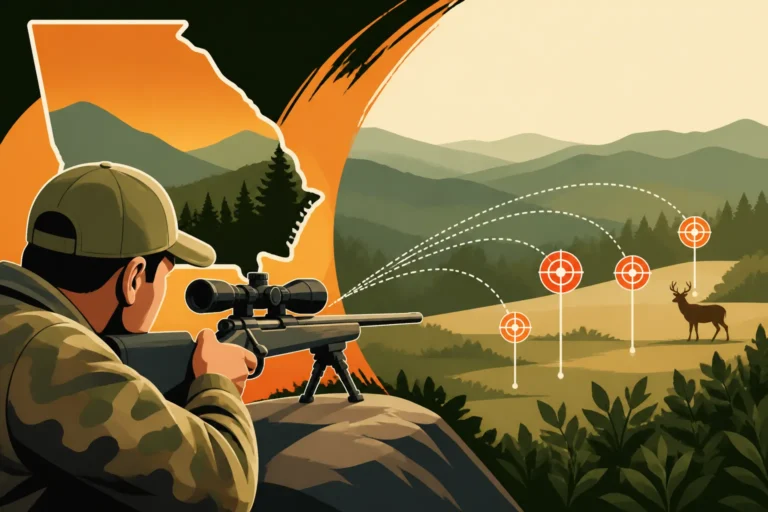
It's a good idea to test different ammunition brands and bullet weights with your suppressed rifle to see what performs best in terms of accuracy and sound reduction. You might find that a particular load that shot well unsuppressed shifts its point of impact when the suppressor is added. This is a common occurrence, so always re-zero your rifle with the suppressor attached and with the ammunition you intend to hunt with. Remember, consistency is key when Scouting Georgia Public Land Before Season and dialing in your gear.
Ethical Considerations and Public Perception
While legally acquiring and using a suppressor for hunting is straightforward in Georgia, it's wise to consider the ethical implications and public perception. Suppressors are tools that promote responsible hunting by protecting hearing and reducing noise pollution. However, due to lingering misconceptions, some non-hunters or even other hunters might view them with suspicion. Be prepared to explain why you use one – for hearing protection, reduced recoil, and minimizing disturbance – rather than giving the impression you're trying to hide your hunting activities.
Ethically, using a suppressor doesn't change the fundamental principles of fair chase or responsible hunting. You still need to make clean, ethical shots and adhere to all game laws. The benefit of being able to take a second shot on a missed or wounded animal more quickly and quietly is an ethical advantage, reducing potential suffering. By being an informed and open advocate for suppressor use, you can help shift public perception towards understanding them as valuable tools for safe and considerate hunting.
Practical Tips for Suppressed Predator Hunting in Georgia
Taking your suppressed rifle into the field for predator hunting in Georgia requires a slight adjustment to your usual tactics. While the core principles of calling and stand placement remain, the added benefits of a suppressor allow for new strategies and a more nuanced approach, especially in our diverse landscapes, from the dense woods to open agricultural fields.
Calling Tactics and Stand Placement with a Suppressor
The biggest tactical advantage of a suppressor in predator hunting is the ability to break up calling sequences or take follow-up shots without completely blowing out your stand. With an unsuppressed rifle, a single shot often means the game is over for that stand, as any remaining predators scatter. A suppressed shot is far less disruptive, giving you a significantly better chance at multiple engagements.
This means you can be more aggressive with your calling, knowing that even if a coyote hangs up, a well-placed shot won't necessarily spook other animals in the area. For stand placement, you might consider areas where you previously felt the noise would be too much, such as closer to property lines or in areas with thicker cover where sound is naturally absorbed. You can also get away with shorter calling sequences, as the impact of the shot is reduced. Consider using a suppressed setup when Coyote Calling in Georgia Farm Country where multiple animals might respond to a single sequence.
Navigating Public and Private Land Considerations
When hunting on private land in Georgia, the reduced noise from a suppressor can be a huge asset in maintaining good relationships with landowners and adjacent property owners. They'll appreciate not having loud gunshots echoing across their properties. Always inform landowners if you plan to use a suppressor; it builds trust and allows you to explain the benefits. This consideration can be the difference between getting repeat access or having it revoked.
On Georgia public lands, such as Wildlife Management Areas (WMAs) or portions of the Chattahoochee-Oconee National Forest Hunting, suppressors also offer advantages. While other hunters might still hear the shot, the sound carries less distance and is less jarring. This can lead to less disturbance for other recreationists and a more peaceful experience for everyone. Always double-check WMA-specific regulations, though, just to be sure there aren't any unique local rules, even if state law is permissive. Checking the GoHunt platform for specific WMA rules is always a good idea.
Storage, Transport, and Maintenance Best Practices
Proper storage and transport of your suppressed rifle are just as important as the acquisition process. When transporting your rifle to and from your hunting spot, always ensure it's unloaded and stored securely in a case, as per Georgia’s transport laws. While the suppressor itself doesn't typically require special transport rules beyond those for the firearm it's attached to, common sense and courtesy dictate keeping your rifle cased and out of sight.
For storage at home, treat your suppressed firearm with the same security measures as any other firearm. Keep it locked, unloaded, and separate from ammunition. As for maintenance, regular cleaning of your suppressor is vital to ensure its longevity and performance. Carbon buildup can accumulate quickly, especially with high-volume shooting. Follow the manufacturer's instructions for disassembly and cleaning, using appropriate solvents and brushes. Pay particular attention to the baffles and the bore. A well-maintained suppressor will provide years of reliable service and continue to make your Suppressors for Georgia Predator Hunting expeditions more enjoyable and effective.
Here's a quick look at why so many Georgia hunters are turning to suppressors for predator control:
| Feature | Unsuppressed Rifle | Suppressed Rifle |
|---|---|---|
| Sound Level | Extremely loud (140-175+ dB), hearing-damaging | Significantly reduced (120-135 dB), hearing-safe/safer |
| Recoil | Pronounced, contributes to flinch | Reduced, enhances shooting comfort and accuracy |
| Muzzle Flash | Bright, can temporarily impair night vision | Virtually eliminated, preserves night vision |
| Follow-up Shots | Challenging, spooks all nearby game | Easier, increases chances for multiple harvests |
| Public Perception | Can be alarming to non-hunters | Less disruptive, promotes good neighbor relations |
| Hunter Comfort | Requires hearing protection, uncomfortable | Often allows shooting without ear pro, more enjoyable |
| Overall Length | Standard | Increased (consider barrel length) |
| Acquisition Process | Simple over-the-counter | NFA process: paperwork, tax stamp, wait time |
Disclaimer
This article is for general informational purposes only and does not constitute professional advice. Laws, prices and regulations vary by location and change over time. Consult a qualified professional for guidance on your specific situation.