Monroe County Public Land for Deer
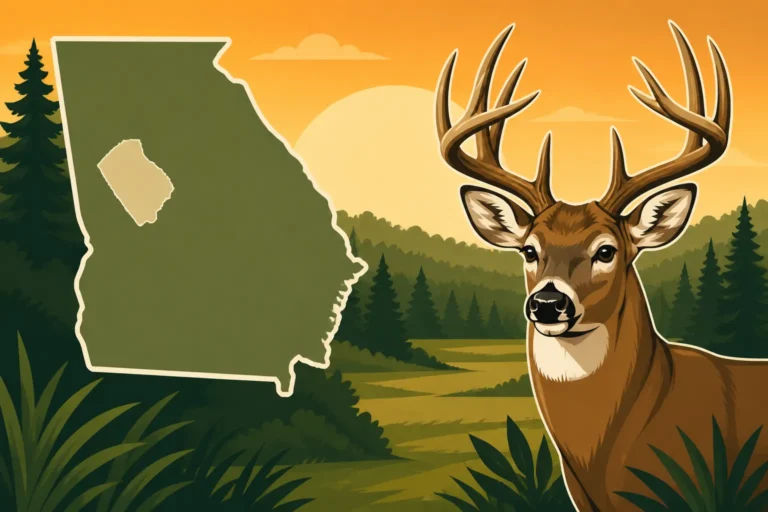
Finding good deer hunting on public land can feel like searching for a needle in a haystack, especially in counties that aren't typically known for vast wilderness areas. Monroe County, nestled in Georgia's Piedmont region, certainly presents its own set of challenges for the deer hunter looking for public access. This guide aims to pull back the curtain on those opportunities, helping you understand where to look, how to scout effectively, and what strategies to employ to punch your deer tag in Monroe County.
Understanding Monroe County's Public Land Landscape
Monroe County, Georgia, might not be home to sprawling national forests, but that doesn't mean dedicated hunters are entirely out of luck when it comes to public deer hunting. The key is knowing where to focus your efforts and understanding the unique characteristics of public access in this part of the state. It's often about finding those smaller, sometimes overlooked tracts that hold good deer.
Overview of Public Access in Monroe and Nearby Regions
When you think of public land in Georgia, your mind might jump straight to the vast Chattahoochee National Forest in the mountains or the immense Okefenokee Swamp. Monroe County, being more centrally located in the Piedmont, offers a different flavor of public hunting. Here, you're primarily looking at state-managed Wildlife Management Areas (WMAs) and potentially some smaller Voluntary Public Access (VPA) tracts, though VPA lands can be dynamic and require diligent checking. The landscape is a mix of rolling hills, hardwood bottoms, pine timber, and agricultural edges, all of which create excellent deer habitat.
The challenge in these areas often lies in the fragmented nature of the public land. You're rarely going to find a single, uninterrupted expanse of tens of thousands of acres. Instead, you'll encounter smaller blocks, sometimes interspersed with private land. This means your scouting efforts become even more critical, both from your couch with mapping tools and boots on the ground. Hunters who put in the extra legwork to understand these smaller parcels often find themselves rewarded.
Key Public Hunting Areas within Monroe County or Adjacent
While Monroe County itself might not be saturated with public land, it's important to consider areas directly within its borders, as well as those immediately adjacent that might offer viable opportunities within a reasonable drive. The most prominent public hunting land often associated with this region is the Ocmulgee Wildlife Management Area. While largely situated in surrounding counties like Jasper and Jones, portions of its management area are often accessible from the Monroe County side, particularly along river corridors. It's crucial to consult the official Georgia Department of Natural Resources (DNR) regulations and maps for the most up-to-date boundary information and access points for any specific WMA.
Ocmulgee WMA typically offers a diverse habitat of bottomland hardwoods along the Ocmulgee River, mixed pine and hardwood uplands, and some managed wildlife openings. These varied habitats provide everything a deer needs: bedding cover in thickets, diverse food sources from acorns to browse, and water. Understanding the specific WMA rules for hunting seasons, weapon restrictions, and check-in/check-out procedures is paramount before you ever set foot in the woods. Always assume WMA rules are more restrictive than statewide private land rules, so thorough homework is a must.
Scouting and Strategy for Monroe County Deer
Successfully hunting deer on public land in Monroe County often boils down to thorough scouting and adapting your strategies to the unique landscape and potential pressure. It’s not just about finding deer; it’s about finding huntable deer that haven't been pushed out by other hunters.
Pre-Season Scouting Without Setting Foot on the Ground
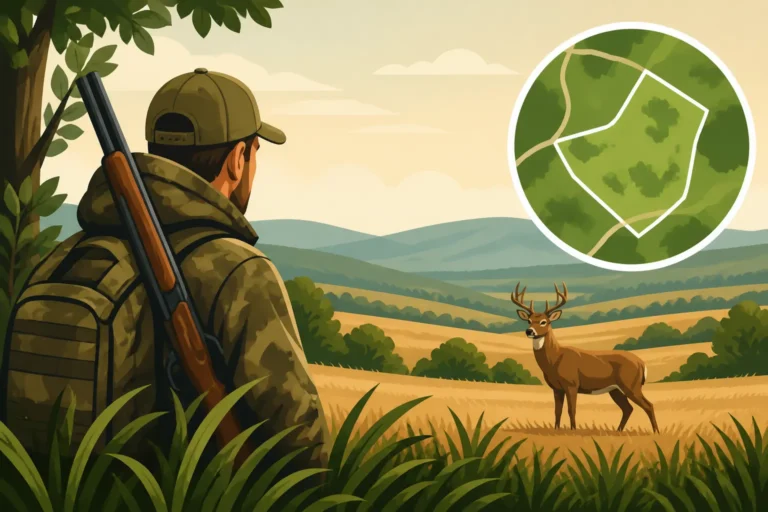
Before you burn any gas driving to a public access point, spend some quality time with mapping applications. Tools like onX Hunt or GoHunt are invaluable for breaking down a property from the comfort of your home. Start by identifying the boundaries of any public land parcels within or near Monroe County. Look for areas that are difficult to access, as these often receive less pressure. Think about features like:
- Topography: Look for subtle ridges, draws, and creek drainages that deer might use as travel corridors. Even in the relatively flat Piedmont, these features can create natural funnels.
- Cover Types: Differentiate between open timber, thick clear-cuts, young pine plantations, and dense creek bottoms. Deer will often bed in the thickest cover and transition to more open areas to feed.
- Water Sources: Identify perennial creeks, swamps, or ponds. These are always draws for deer, especially during warmer early season hunts.
- Access Points: Pinpoint every possible parking area, gate, or trail. Then, consider routes that lead away from the most obvious entry points. Sometimes walking an extra half-mile can put you into untouched territory.
- Neighboring Land Use: Pay attention to what surrounds the public land. Are there agricultural fields? Large private timber holdings? This can influence deer movement onto and off the public tract.
By Reading aerial photos for Piedmont deer, you can identify potential bedding areas, feeding locations, and travel routes, forming a solid game plan before you ever step foot in the woods. Look for those hidden pockets of cover or small benches that might not be obvious at ground level.
On-the-Ground Scouting Techniques
Once you've done your digital homework, it's time for boots on the ground. On-the-ground scouting confirms your suspicions from the map and reveals details no satellite image can capture. This is where you connect the dots and understand the rhythm of the deer in that specific area.
- Find Deer Sign: Look for tracks, rubs, and scrapes. Pay attention to the size and freshness of these signs. Fresh rubs and scrapes indicate current buck activity. Along creek bottoms or logging roads, look for major travel corridors indicated by heavy tracking.
- Identify Food Sources: During early archery season, deer might be keying in on soft mast like persimmons or muscadines. As fall progresses, acorns become critical. Find oak flats and check for droppings and chewed acorn caps. Also, don't overlook natural browse in thickets. Scouting Georgia Public Land Before Season is crucial for pinpointing these ephemeral food sources.
- Analyze Bedding Areas: Deer will bed in thick cover, often on slight rises that give them a vantage point or in dense, impenetrable briar patches. Look for beds (depressions in the leaves or grass) and concentrated droppings in these areas. Understanding where deer bed helps you plan your approach and exit routes to avoid spooking them.
- Wind and Thermals: Even in the Piedmont, understanding how wind and thermals affect scent dispersal is vital. Along creek bottoms, cold air sinks, creating downward thermals in the morning that reverse as the ground heats up. On subtle ridges, wind currents can swirl unpredictably. Always consider how your scent will travel.
Stand Placement and Hunting Tactics
Monroe County's mixed habitat demands a versatile approach to hunting. You can't just rely on one method; you need to be ready to adapt.
- Treestands and Saddles: These are excellent choices for elevated vantage points, allowing you to see further and keeping your scent above a deer's nose. Focus on hanging stands in natural funnels, along the edges of bedding cover, or overlooking prime food sources. Pay attention to prevailing wind directions for your chosen stand sites. For example, Hanging a Stand on a Mountain Saddle teaches principles that can be adapted to smaller ridges or humps in the Piedmont, focusing on how deer travel contours.
- Ground Blinds: Don't underestimate the effectiveness of a well-placed ground blind, especially in areas with limited suitable trees or heavy cover. Blinds offer excellent concealment and warmth during colder weather. Using a Ground Blind on Georgia Public Land can be a fantastic tactic, particularly if you can brush it in effectively on a field edge or in dense undergrowth.
- Still-Hunting and Stalking: For hunters who prefer to be more mobile, still-hunting through creek bottoms or timber stands can be highly effective. Move slowly, stopping frequently to observe and listen. This tactic works well in areas where deer are constantly on the move, or when you're trying to locate a specific animal. When Hunting Piedmont Farmland Deer, still-hunting along wood lines bordering fields can be very productive as deer transition at dawn and dusk.
Navigating Regulations and Seasons
Hunting on public land, especially WMAs, comes with its own set of rules that are often more stringent than general statewide regulations. It's not enough to know the deer seasons; you need to know the specific WMA rules for Monroe County or any adjacent WMA you plan to hunt.
Understanding WMA-Specific Rules
Every Wildlife Management Area in Georgia has its own unique set of regulations, and these can change from year to year. You absolutely must consult the current Georgia Hunting Seasons and Regulations Guide, paying close attention to the section for the specific WMA you intend to hunt. This guide will detail:
- Season Dates: WMAs often have different opening and closing dates for archery, primitive weapons, and firearms seasons compared to statewide dates. They might also have specific quota hunts or youth-only weekends.
- Weapon Restrictions: Some WMAs might be archery-only, or have specific rules about rifle calibers or shotgun ammunition.
- Bag Limits: While Georgia has a generous statewide 12-deer bag limit, WMAs might have different antlered and antlerless limits. Georgia's Twelve-Deer Bag Limit is a great resource, but always verify for the specific WMA.
- Check-In/Check-Out: Many WMAs require hunters to check in and out daily, either physically at a kiosk or electronically through a system like Go Outdoors Georgia.
- WMA Access Stamp: Don't forget, most WMAs require a Georgia WMA Access Stamp Requirement in addition to your regular hunting license and big game stamp.
Failing to follow these specific WMA rules can result in fines and loss of hunting privileges, so take the time to read the regulations thoroughly.
Deer Season Dates and Bag Limits in Monroe County
Monroe County, like much of Georgia, benefits from a long and varied deer season. Understanding the general flow of the season, from archery through late firearms, helps you plan your hunts.
The deer season typically begins with When Georgia's Archery Season Opens, offering a quiet, unpressured start before the primitive weapons and firearms seasons. This early season can be fantastic for targeting deer in their predictable summer feeding patterns. Next comes a primitive weapons week, followed by the general firearms season, which usually draws the biggest crowds. Georgia Firearms Season Opening Day is a particularly important date to note.
Here's a general breakdown of the season structure:
| Season Phase | Typical Start Date | Typical End Date | Weapon Types | Notes |
|---|---|---|---|---|
| Archery Season | Early September | Mid-October | Vertical Bow, Crossbow | Often has statewide dates that apply to WMAs unless specified. |
| Primitive Weapons | Mid-October | Late October | Muzzleloaders, Archery, Crossbow | Statewide dates, but WMAs might have their own specific weeks. |
| General Firearms | Late October | Early January | Rifles, Shotguns, Muzzleloaders, Archery, Crossbow | Most popular, often brings more hunting pressure. |
| Extended SW Season | Early January | Mid-January | Rifles, Shotguns, Muzzleloaders, Archery, Crossbow | Certain counties have extended firearms opportunities. |
Always check the current year's Georgia Hunting Regulations for precise dates.
Regarding bag limits, Georgia's Twelve-Deer Bag Limit is generous, allowing hunters to take up to 12 deer per season, with a maximum of two antlered bucks. The specific antlerless limits can vary by county or WMA. For Monroe County, always check if any special zones or restrictions apply. After a successful harvest, remember the importance of Georgia Deer Harvest Reporting Rules. Every deer harvested in Georgia must be reported through the Georgia Game Check system.
Maximizing Your Success and Dealing with Challenges
Public land hunting, particularly in areas like Monroe County, comes with its own unique set of challenges and opportunities. Being prepared for these can make all the difference.
Handling Hunting Pressure
One of the biggest realities of public land hunting is dealing with other hunters. While Monroe County may not see the same extreme crowds as some of the larger WMAs, you can still expect company, especially on opening weekends and holidays.
- Walk Further: This is perhaps the oldest and most reliable advice. Most hunters won't venture more than a quarter-mile or half-mile from their vehicle. If you're willing to put in the effort to Finding Ground Others Walk Past, you'll often find less pressured deer. Use your mapping apps to identify natural barriers or long walks that might deter others.
- Hunt Mid-Week: If your schedule allows, hunting on Tuesday, Wednesday, or Thursday can significantly reduce the amount of pressure you encounter. Deer quickly learn to avoid areas with heavy human activity.
- Hunt Smart: Use hunting pressure to your advantage. Deer pushed by other hunters will often move into dense cover or follow escape routes. If you can anticipate these movements and set up accordingly, you might intercept a pressured buck. This is especially true on large tracts where Deer Drives With Three or Four Hunters might be pushing deer your way.
- Scout Smarter: Prioritize scouting for thick cover and bedding areas. Deer will retreat to these sanctuaries when pressure mounts. Positioning yourself between these bedding areas and known food sources can be highly effective. Hunting Pressure on Georgia Public Land is a constant, so being adaptable is key.
Post-Harvest Considerations
A successful hunt is only half the battle. Once you've harvested a deer, you need to be prepared for the work that follows, especially in Georgia's often warm and humid conditions.
- Field Dressing: Field Dressing a Deer in Warm Weather quickly is paramount to preserving the meat. Get the guts out, allow the carcass to cool, and get it processed as soon as possible. Carry gloves, sharp knives, and plenty of water.
- Recovery: If you make a good shot, tracking shouldn't be too difficult. However, in dense Piedmont cover or along creek bottoms, a blood trail can be tough to follow. If you have to retrieve a deer from a wet area, knowing how to approach Dragging a Deer Out of a Swamp is essential. Consider investing in a deer cart if the terrain allows, or be prepared for some serious physical exertion.
- CWD Awareness: While Monroe County is not currently within Georgia's Chronic Wasting Disease (CWD) Management Area, it's critical to stay informed. CWD is a serious neurological disease affecting deer and elk. Always check the latest DNR regulations regarding CWD. If you hunt near the Georgia's Chronic Wasting Disease Management Area, there will be mandatory testing and carcass movement restrictions. The best practice is to process your deer locally and avoid transporting high-risk parts (brain, spinal cord) across county lines, regardless of CWD status.
Disclaimer
This article is for general informational purposes only and does not constitute professional advice. Laws, prices and regulations vary by location and change over time. Consult a qualified professional for guidance on your specific situation.