Charlton County Okefenokee Access
Many Georgia hunters dream of experiencing the vast, wild expanse of the Okefenokee Swamp, but the sheer size and often impenetrable nature of this iconic wetland can make finding suitable hunting access feel incredibly daunting. For those looking to explore hunting opportunities around this unique wilderness, Charlton County serves as a significant gateway, offering specific access points and adjacent lands that can lead to rewarding experiences. This guide will walk you through the nuances of accessing and hunting in the areas surrounding the Okefenokee National Wildlife Refuge via Charlton County, ensuring you're prepared for this challenging but unforgettable landscape.
Charlton County: Your Gateway to the Okefenokee Wilderness
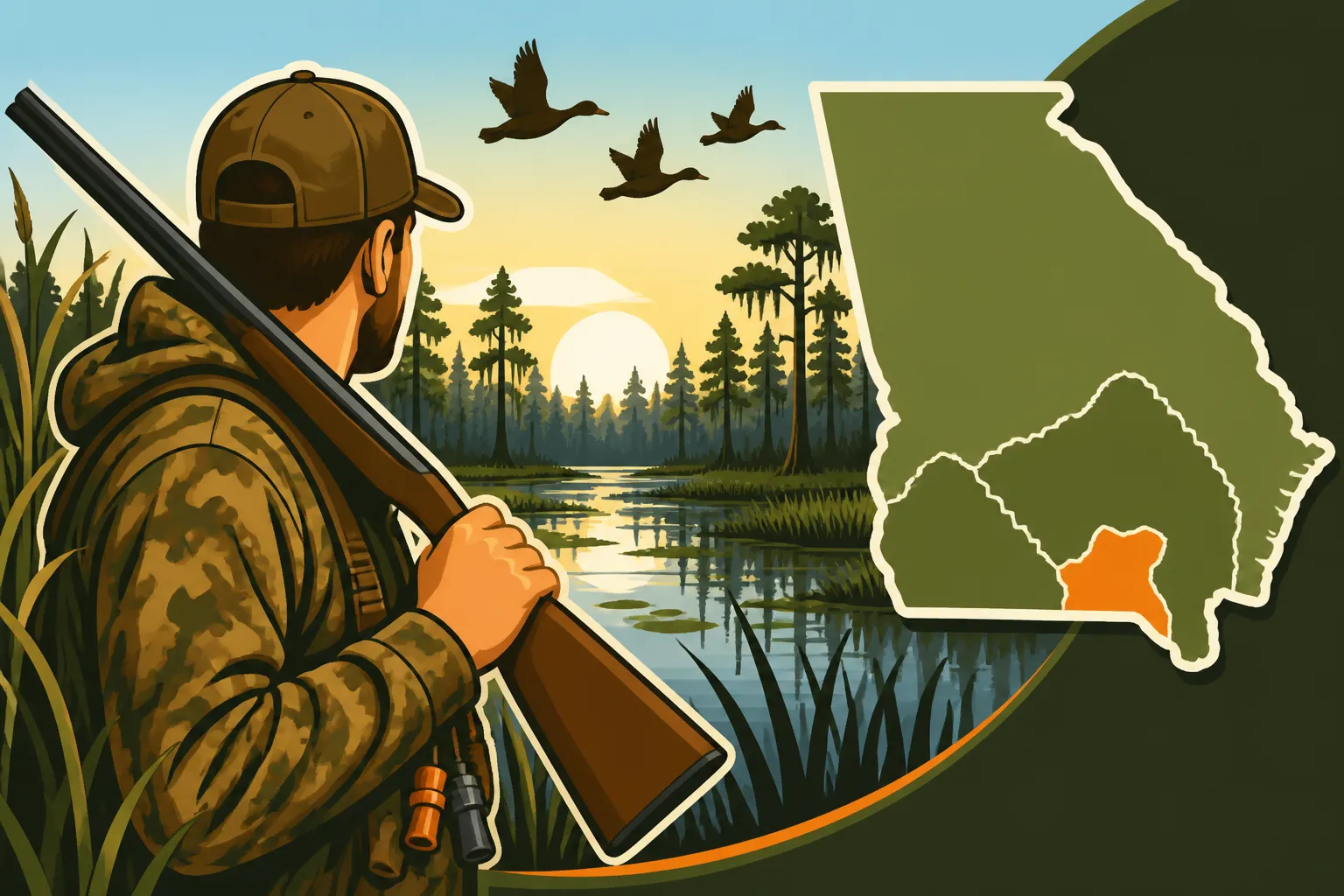
Charlton County, nestled in the southeastern corner of Georgia, acts as a primary entry point to the eastern and southern fringes of the vast Okefenokee Swamp. This county embodies the very spirit of the "land of the trembling earth," offering both the tranquility of cypress-lined waterways and the raw challenge of untamed backcountry. Understanding Charlton County's relationship with the Okefenokee is crucial for any hunter hoping to navigate its complex ecosystem.
The Landscape of Charlton County and the Swamp
When you think of Charlton County, you immediately conjure images of longleaf pine forests transitioning into vast cypress and tupelo swamps. This isn't your typical rolling Piedmont farmland or mountain hardwood stand. The terrain is largely flat, often wet, and can be incredibly dense. Here, the Okefenokee isn't just a distant landmark; it's an immediate presence, influencing the very character of the land and its wildlife. The St. Marys River, which forms part of the state line, and the Suwannee River, which flows out of the swamp, both have strong ties to Charlton County, offering glimpses into the swamp's intricate water flow. This geography dictates much about how you’ll approach hunting here.
Main Access Points and Their Significance
The most well-known public access point in Charlton County to the Okefenokee is the Suwannee Canal Recreation Area, managed by the U.S. Fish and Wildlife Service. While this area primarily serves as a jumping-off point for boating, paddling, and wildlife viewing within the Okefenokee National Wildlife Refuge (NWR), it’s important for hunters to understand its role. It's not a hunting access point for the NWR itself, but it represents the very edge of this incredible ecosystem and gives you a sense of the habitat. However, its existence often means that nearby state-managed lands or private tracts will share similar environmental characteristics. For actual hunting opportunities, you'll generally be looking at specific Wildlife Management Areas (WMAs) bordering the NWR or private lands that often mimic the swamp's fringe habitats. Applying for a Georgia Alligator Quota Hunt might bring you to these access points, but for general hunting, you'll be looking slightly outside the immediate NWR boundaries.
Understanding Hunting Regulations Around the Okefenokee
Hunting directly within the Okefenokee National Wildlife Refuge is extremely limited and highly regulated, primarily through specific quota hunts for alligator and very restricted deer hunts in certain management units. For the vast majority of hunters, the focus will be on the state-managed public lands that border the NWR or accessible private lands within Charlton County. Ignoring these distinctions can lead to serious legal trouble.
Okefenokee National Wildlife Refuge Rules
It's paramount to recognize that the Okefenokee NWR is first and foremost a wildlife refuge, meaning its primary mission is conservation. General public hunting, as you'd find on a typical WMA, is not permitted throughout most of the refuge. Any hunting opportunities that do exist within the NWR are usually managed through highly selective quota hunt programs. These are often for specific species like alligator, and sometimes for deer to manage populations in very controlled areas. These hunts require special permits, are often highly competitive, and come with a strict set of rules that go beyond standard statewide regulations. Always consult the official U.S. Fish and Wildlife Service website for the specific rules and application periods related to NWR hunts.
Adjacent State Wildlife Management Areas and Private Land
For regular deer, hog, or small game hunting in Charlton County, your best bet will be the Wildlife Management Areas (WMAs) that are contiguous with or in close proximity to the Okefenokee NWR. These WMAs are managed by the Georgia Department of Natural Resources (DNR) and operate under specific WMA regulations, which can differ significantly from statewide regulations. They often have their own specific season dates, weapon restrictions, and checking requirements.
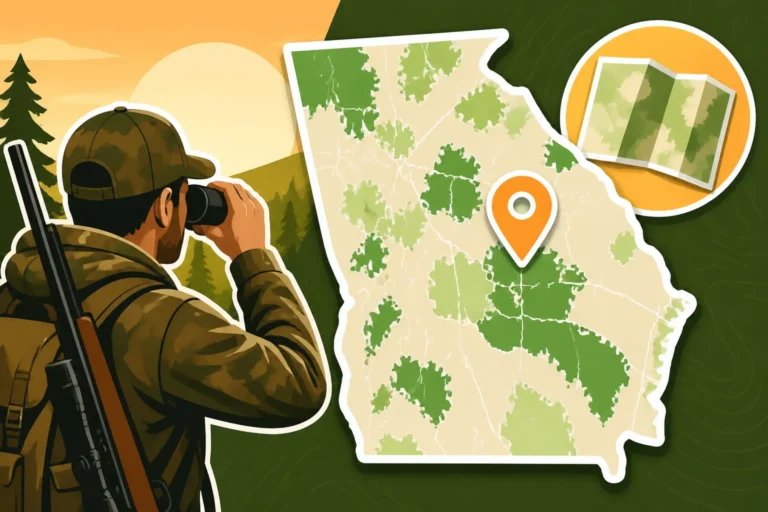
Private land hunting is, of course, a major component of hunting in Charlton County, just as it is across Georgia. Landowners adjacent to the Okefenokee often find their properties frequented by game that travels in and out of the refuge. Securing permission on these private tracts can offer excellent hunting, but always respect property boundaries and landowner wishes. When using mapping apps like onX Hunt, you can often clearly see the boundaries of the NWR, WMAs, and private parcels, which is absolutely invaluable in this type of mixed-land ownership landscape. You might even find specific opportunities for Feral Hog Hunting Year-Round in Georgia on these adjacent private lands, given the prevalence of hogs in swampy areas.
A Quick Glance at General Regulations (Always Verify Current Year)
Here's a general overview of things you'll need to consider, but remember, you must consult the Georgia DNR hunting regulations annually for the most current and specific details.
| Regulation Category | General Consideration for Okefenokee Adjacent Areas | Important Note |
|---|---|---|
| Hunting License | Standard Georgia hunting license and big game license (if applicable). | Check if a WMA stamp or specific NWR permit is also required. |
| Blaze Orange | Required during firearms deer season, often during primitive weapons season, sometimes for WMA small game. | Always check WMA-specific rules; better to wear it if unsure. |
| Weapon Restrictions | May vary greatly by WMA or specific NWR hunt. Bows, primitive weapons, firearms generally allowed, but limits vary. | Verify specific caliber/gauge restrictions for the area you are hunting. |
| Bag Limits | Statewide limits apply unless superseded by WMA or NWR quota hunt rules. | WMAs often have different antlerless limits or specific harvest reporting. |
| Carcass Movement | If hunting areas fall near a CWD Management Area (CMA), specific rules apply to transporting deer carcasses. | Always check the latest CWD regulations. |
| Game Checking | Mandatory reporting of harvested deer, turkey, bear, and alligator through Georgia Game Check. | Reporting deadlines vary. Georgia Deer Harvest Reporting Rules are critical. |
Navigating Access and Terrain Challenges
Hunting around the Okefenokee is not for the faint of heart or the unprepared. The terrain itself presents significant challenges, from dense vegetation to fluctuating water levels, and the sheer remoteness of some areas can be a major safety concern. Effective navigation and a deep respect for the environment are your best allies.
Boat and Vehicle Access
Much of Charlton County's public land access around the Okefenokee will involve boats. Whether it's a jon boat with a mud motor or a canoe/kayak, watercraft often provide the only viable means to reach certain hunting areas. Boat ramps might be primitive, requiring a four-wheel-drive vehicle to launch, especially during low water. Roads, where they exist, can be unimproved dirt tracks that become impassable after heavy rains. It's not uncommon to encounter flooded sections or deep mud holes. Always check local conditions before heading out, and consider a backup plan for vehicle recovery. The Suwannee Canal, while not a hunting access point, demonstrates the prevalence of water travel in the region. For insights into general water travel for hunting, consider Hunting Georgia Swamp and River Bottom Deer.
On-Foot Navigation in a Swamp Environment
Once you leave the boat or truck, you're immediately immersed in a challenging environment. Expect thick cover, including dense palmettos, briar patches, and heavy undergrowth. The ground can be soft, marshy, or outright flooded, even far from open water. Snake boots are not an option here; they are a necessity. You'll likely encounter cypress knees, hidden stumps, and uneven terrain. Navigation can be incredibly difficult as visual landmarks are often obscured by vegetation. This is where advanced mapping applications like onX Hunt become absolutely indispensable. They allow you to mark your path, identify property lines, and navigate through dense cover even without cell service, using downloaded maps. Having your GPS or a reliable app on your phone (and a backup battery!) is crucial when Scouting Georgia Public Land Before Season in this kind of remote area.
Weather and Insect Considerations
Georgia's climate, especially in the south, means heat, humidity, and abundant insects for much of the hunting season. Early archery season can feel like stepping into a sauna, and mosquitoes, ticks, and gnats are relentless. Long sleeves, good quality insect repellent (and lots of it), and a head net are often required for comfort and safety. Rain can turn dry trails into muddy bogs in a matter of hours, and sudden thunderstorms are common. Always pack rain gear, even if the forecast looks clear. The remoteness means you're often hours from assistance, so being self-sufficient and prepared for any eventuality is key.
Targeting Game in the Okefenokee's Periphery
While the core of the Okefenokee NWR is a sanctuary, its periphery and the adjacent Charlton County lands offer some compelling hunting opportunities, primarily for white-tailed deer and feral hogs, with some potential for small game and migratory birds depending on specific habitat.
Deer Hunting in the Swamp Fringe
Deer in the Okefenokee fringe are often elusive and tough. They use the dense cover to their advantage, and their patterns are heavily influenced by water levels and available dry ground. Hunters targeting deer here often rely on still-hunting, slow methodical movements through the thickets, or setting up ground blinds or small, portable treestands in pockets of higher ground or along natural travel corridors. Food sources can be varied, including acorns from oaks on hammocks, palmetto berries, and various browse. The challenge isn't just finding the deer, but getting them out once harvested. You might be dragging a deer through mud and water for a significant distance. Understanding Where South Georgia Pine Flat Bucks Bed can offer insights, as the periphery often blends pine flats with swamp edges.
Feral Hog Opportunities
Feral hogs thrive in the Okefenokee ecosystem. The abundance of water, cover, and food sources (especially tubers and roots) makes it ideal habitat for them. Hogs are an invasive species, and hunting them is often encouraged year-round in many areas without bag limits, though specific WMA rules will still apply. They can be found in almost any part of the swamp fringe, rooting up fields, disturbing native vegetation, and competing with native wildlife. Hunting hogs often involves scouting for fresh sign like rooting and wallows, then either still-hunting the area or ambushing them near travel routes. Thermal Hunting Georgia Hogs at Night might be an option on private land with landowner permission, adding another layer to the challenge.
Small Game and Waterfowl
Depending on the specific WMA or private land, there can be opportunities for small game like squirrels and rabbits, particularly in areas with a mix of hardwoods and denser undergrowth. Squirrels will often be found in oak hammocks within the swamp fringe. Waterfowl hunting can also exist in certain areas, particularly in agricultural fields that border the swamp and offer food, or along specific waterways or impoundments. If you're planning a waterfowl hunt, you'll need to check specific federal and state regulations, including the Georgia Federal Duck Stamp Requirement and HIP certification. Using an app like GoHunt might provide some general habitat information, though for specific waterfowl data, checking directly with Georgia DNR for WMA water bodies and migration reports is best.
Essential Gear and Safety Considerations for the Okefenokee
Hunting in Charlton County around the Okefenokee requires a specific gear list and a serious approach to safety. This isn't a casual hunt; it's an expedition into a wild environment.
Personal Safety and Navigation Gear
- Snake Boots: Absolutely non-negotiable. Choose high-quality, comfortable, and waterproof snake boots that come up to your knees.
- Waterproof Clothing: Layers that can shed water are essential, even in dry weather, as you'll often be pushing through dew-laden vegetation or navigating wet areas.
- Bug Protection: This means heavy-duty insect repellent with DEET or picaridin, and potentially a head net, especially for still-hunting or sitting for extended periods.
- Navigation Devices: A reliable GPS unit or a smartphone with a robust mapping app like onX Hunt, with downloaded maps for offline use, is critical. Always carry a compass and know how to use it as a backup. Using Georgia Outdoors Without Cell Service is a common reality here.
- Communication: A fully charged cell phone (with a power bank), and ideally a satellite messenger or two-way radio if hunting with a partner in truly remote areas. Cell service is spotty at best.
- First-Aid Kit: A comprehensive kit, including snake bite specific treatment, is vital. You're a long way from medical help.
- Water and Food: Carry more water than you think you'll need, especially in warmer months. Dehydration is a real risk. High-energy snacks are also important.
Hunting Specific Gear
- Reliable Weapon: Whether it's a rifle, shotgun, or bow, ensure it's sighted in and you're proficient with it. Swamp hunting often involves close-quarters shots through dense cover.
- Treestand/Ground Blind: If using a treestand, ensure it's secure for muddy or uneven ground. Ground blinds can be highly effective in thick cover, providing concealment and a bit of protection from the elements and insects. Using a Ground Blind on Georgia Public Land offers more insights.
- Game Retrieval: A deer cart might be useless in heavy mud or water. Consider game bags for quartering an animal, or a sturdy rope for dragging through tough terrain.
- Lighting: A powerful headlamp and a backup flashlight are essential for navigating before dawn and after dusk. Headlamps for Walking Out After Dark are a must.
- Binoculars/Optics: Even in thick cover, a good pair of binoculars can help pick apart shadows and identify game. Consider Binocular Power for Swamp Edge Hunting.
Hunting in Charlton County and the Okefenokee periphery is an experience unlike any other in Georgia. It demands respect, preparation, and resilience, but for those willing to embrace the challenge, it offers a truly wild and rewarding hunting adventure.
Disclaimer
This article is for general informational purposes only and does not constitute professional advice. Laws, prices and regulations vary by location and change over time. Consult a qualified professional for guidance on your specific situation.