Opening Weekend Crowds on Georgia Public Land
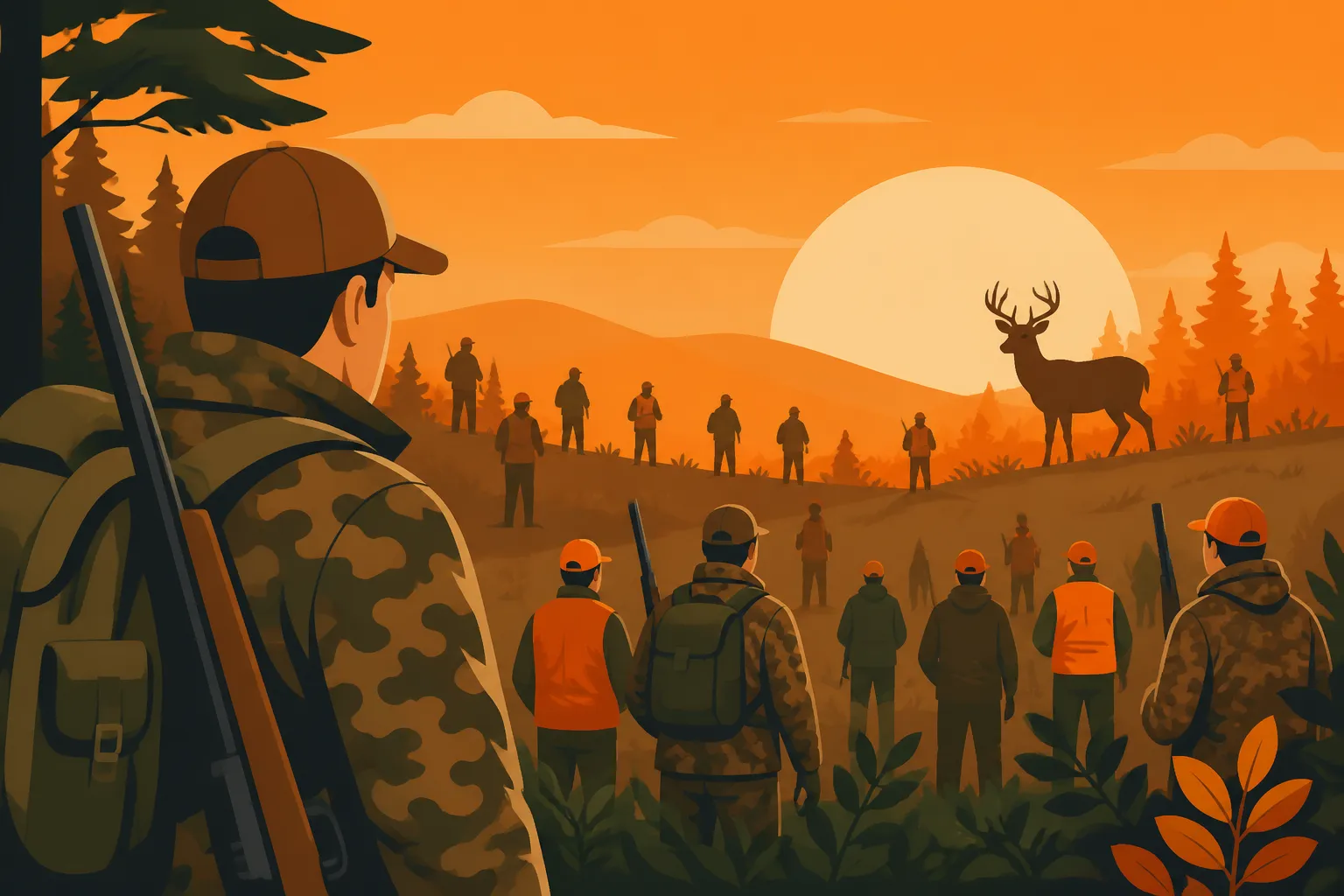
Opening weekend on Georgia's public hunting lands can sometimes feel less like a peaceful communion with nature and more like a crowded rush for the best spots. It's a frustration many of us know all too well – you've scouted, prepared, and are ready for that crisp morning, only to find three other trucks already parked at your preferred spot. This guide isn't about discouraging you from those prime early season dates; instead, it's about equipping you with realistic strategies to navigate the inevitable crowds and still find success, proving that a little planning and persistence can go a long way.
The Inevitable Throng: Understanding Opening Weekend Pressure
There's a special kind of energy on opening weekend. The anticipation has been building for months, gear has been prepped, and everyone is eager to get out into the woods. This collective excitement, while a fundamental part of our hunting culture, translates directly into increased pressure on public land. Recognizing why and where these crowds form is the first step in learning how to avoid or, at least, minimize their impact on your hunt.
Why Public Lands Draw Crowds on Day One
The simple truth is that not everyone has access to private land. For a huge segment of Georgia's hunting population, Wildlife Management Areas (WMAs) and National Forests are the only game in town. When Georgia Firearms Season Opening Day finally rolls around, or even the early archery dates, these public tracts become focal points. Many hunters also cherish the tradition of opening day, making it a social event or a pilgrimage they wouldn't miss. Combine that with limited time off work for some, and you have a perfect storm for congestion. Everyone wants a crack at those unpressured deer or gobblers, even though the reality is often quite different just a few hours into the season.
The sheer accessibility of some public land areas also plays a significant role. If a WMA has multiple, well-maintained access roads and ample parking, you can bet those spots will fill up quickly. Hunters, naturally, gravitate towards convenience. They might be short on time, or simply prefer not to undertake a grueling pre-dawn trek. This often leads to a "honey hole" effect around easily reached areas, where hunters concentrate, thinking these accessible spots must be productive because everyone else is there.
Identifying High-Pressure Areas
Knowing where hunters tend to go is just as important as knowing where the game might be. High-pressure zones on public land are often predictable. Look for large parking lots that are easy to find from main roads. Any obvious field edges adjacent to roads, particularly those with planted food plots, will likely see significant activity. Creeks, trails, and logging roads that offer relatively easy walking for the first half-mile or so are also magnets for hunters. These are the paths of least resistance, and most hunters, especially those who aren't avid year-round scouts, will default to them.
Another key indicator of a high-pressure area is the presence of existing, permanent treestands or ground blind setups from previous seasons. While it's illegal to leave stands up year-round on most public lands, some hunters push the limits or reuse natural setups. If you see obvious signs of previous hunting activity, it's a good bet that many others have seen them too, and will target these spots. Thinking like a hunter, but then actively seeking to divert from that common thought process, is crucial. If it looks "easy" or "obvious," it's probably already claimed or heavily walked by opening light.
Strategic Scouting and Digital Reconnaissance
To truly get away from the crowds on opening weekend, your efforts need to begin long before the season ever opens. Pre-season scouting, both boots-on-the-ground and digital, is your most powerful tool. It allows you to identify areas that are less obvious, harder to reach, and therefore, less likely to be trampled by dozens of other hunters.
Leveraging Mapping Apps for Crowd Avoidance
Modern technology is a hunter's best friend when it comes to navigating public land and avoiding others. Apps like onX Hunt have revolutionized the way we approach a hunt, especially on vast WMAs or National Forests. Before you even set foot in the woods, you can use these tools to study topography, identify property lines, and locate potential access points that aren't marked by conventional parking areas. Look for small pull-offs on lesser-traveled roads, or areas where public land abuts private tracts, creating potential funnels or pinch points that others might overlook.
Think about using layers on your mapping app to identify overlooked terrain. Steeper slopes, dense swamps, or thick clear-cuts might seem unappealing on a map, but these are often the places where deer retreat when pressure mounts. You can mark potential routes, measure distances, and even identify subtle changes in elevation that might indicate natural travel corridors. Similarly, tools like GoHunt can provide valuable insights into regulations, access, and specific WMA boundaries, helping you plan your entry and exit strategies effectively. Knowing the exact boundaries helps you legally explore fringe areas that casual hunters might avoid. onX Layers for Georgia Land Status can be particularly helpful in this regard, clearly delineating public and private property.
Pre-Season Footwork: Finding the Unseen
Digital scouting is a fantastic start, but there's no substitute for getting your boots dirty. Scouting Georgia Public Land Before Season is paramount. Once you've identified potential low-pressure areas on your map, go out and walk them. Do this weeks, or even months, before opening day. This isn't just about finding deer sign; it's about understanding the lay of the land, finding viable routes, and identifying obstacles that might deter other hunters. If a spot requires crossing a waist-deep creek or climbing a particularly steep ridge, it's likely fewer people will go there.
Look for subtle funnels, benches, or hidden pockets of cover that are off the beaten path. These might be a small stand of oaks deep in a pine plantation, a dry ridge in the middle of a swamp, or a series of depressions that create natural travel routes. The key is to find spots that aren't obvious from a road or a main trail. Remember, deer quickly learn to associate human activity with danger. They will often seek refuge in the thickest, most inaccessible cover available. If you've found these places beforehand, you'll have a significant advantage when the crowds hit. Finding Ground Others Walk Past is often about finding these hard-to-reach sanctuaries.
Tactical Approaches for Hunting Under Pressure
Once opening weekend is upon you, the game changes. Deer, especially on public land, become incredibly sensitive to human presence. The strategies you employ need to account for this increased pressure, focusing on areas and times when other hunters are less active, and adjusting to the deer's altered behavior.
Going Deeper and Hunting Smarter
The most common advice, and for good reason, is to simply walk further than everyone else. While many hunters will stop within a quarter to a half-mile of their vehicle, deer will often retreat much deeper into the property. If you can push past that initial half-mile, you'll often find significantly less pressure. This might mean enduring a longer, tougher hike in the pre-dawn darkness, but the reward can be worth it. Consider a strategy that requires traversing challenging terrain – thick clear-cuts, large swamps, or steep ridges. Deer use these areas as sanctuaries, and fewer hunters are willing to put in the effort.
However, "deeper" isn't just about distance. It's also about hunting smarter. Rather than sitting on obvious scrapes or trails near a field edge that's likely been walked by half a dozen people already, focus on thick cover. Deer that are pushed by hunters will often bed down in dense briar patches, regenerating timber, or the thickest parts of a swamp. Instead of waiting for them to come to you in an open area, consider still-hunting through these thicker regions, or setting up a ground blind right on the edge of such a sanctuary. Using a Ground Blind on Georgia Public Land can be incredibly effective when deer are holed up in thickets. Pay close attention to wind and thermals, as deer will use these to their advantage to detect danger.
Timing Your Hunt
Opening weekend doesn't mean you have to be out there at first light every single day, or even all day long. Sometimes, choosing when you hunt can be just as important as where. While most hunters are out bright and early on Saturday and Sunday, consider hunting mid-week if your schedule allows. Public lands often see a significant drop-off in hunter numbers from Monday through Thursday. This lull in pressure can sometimes encourage deer to resume more natural movement patterns.
Even on opening weekend, consider unconventional timing. Many hunters pack up around lunchtime, especially if activity has been slow. The mid-day hours, particularly from late morning through mid-afternoon, can be surprisingly productive. Deer that have been bumped early might start to filter back into feeding areas or move between bedding sites once the initial morning rush subsides. Also, don't overlook the very last hour of daylight, when many hunters are already heading back to their vehicles. This is often when a cautious buck, having waited all day, decides to make his move. Cold-Weather Sitting Strategy in a Georgia January can apply to cooler opening days, emphasizing patience and proper gear for longer sits.
Adapting to Deer Movement
When public lands are heavily pressured, deer behavior shifts dramatically. They become more nocturnal, move through the thickest cover, and are often on high alert. You cannot hunt them the same way you would hunt unpressured deer on private land. This means re-evaluating your typical stand setups and tactics. Instead of focusing solely on food sources, concentrate on travel corridors between thick bedding areas and whatever food is available. These funnels could be subtle, like a small ridge leading through a swamp, or a narrow strip of hardwoods between two clear-cuts. Hunting a Funnel Between Two Swamps is a classic example of this type of strategy.
Deer drives, while sometimes controversial, can also be a tactic to consider on heavily pressured public land, especially if you have a small group of trustworthy hunting partners. A well-executed drive can push deer out of dense cover and past strategically placed standers. This can be particularly effective later in the day, after the initial morning rush. However, coordinating a drive requires careful planning and communication to ensure safety and ethical hunting. Deer Drives With Three or Four Hunters outlines some of these considerations. The most crucial aspect is to remain flexible. If your initial plan isn't working, be prepared to move, change your approach, or target a different area.
Exploring Lesser-Known Public Land Opportunities
While the major WMAs often steal the spotlight, Georgia offers a vast amount of public hunting acreage. Not all of it sees the same level of pressure, especially on opening weekend. A little research can uncover hidden gems that might offer a more solitary, and potentially more successful, hunting experience.
Researching Under-Utilized WMAs and Forest Service Tracts
Georgia boasts numerous Wildlife Management Areas and extensive tracts within the Chattahoochee-Oconee National Forest. While some WMAs are well-known and heavily hunted, others are smaller, less publicized, or simply harder to access, which often translates to fewer hunters. Take the time to scour the Georgia Department of Natural Resources website or use mapping tools like GoHunt to identify these lesser-known areas. Look at maps of the National Forest that might not be designated as official WMAs but still permit hunting. These general Forest Service lands often have less infrastructure, which means fewer established trails and parking lots, deterring the casual hunter.
Consider WMAs that have more restrictive access rules, such as those that require a special quota hunt permit, or those that are only accessible via walk-in or boat. While these might require a Georgia WMA Access Stamp Requirement or a bit more logistical planning, the payoff can be significantly reduced hunter competition. Similarly, some areas, due to their size or remote location, simply don't have the same reputation as a deer factory, but can still hold good game if you're willing to explore.
Hunting Challenging Terrain
This brings us back to the idea of embracing the challenge. If a piece of public land looks difficult to hunt on a map – perhaps it's dominated by dense swamps, extremely steep hills, or large, recent clear-cuts – it's often overlooked by the majority. While these areas require more physical exertion and specialized tactics, they can hold pockets of deer that rarely see human disturbance. Deer are masters of using challenging terrain to their advantage, and they will gravitate towards these natural fortresses when pressure mounts.
Consider investing in gear that makes traversing such terrain easier and safer, like good quality snake boots for swamps or a comfortable pack for steep climbs. Your ability to get off the beaten path and into these less-inviting areas is often directly proportional to your success in avoiding opening weekend crowds. How Far to Walk From a Forest Road isn't just a number; it's a commitment to finding solitude and game where others won't.
Here's a quick comparison of typical hunter behavior and effective counter-strategies during opening weekend on Georgia public land:
| Common Hunter Behavior (Opening Weekend) | Effective Counter-Strategy for Success |
|---|---|
| Parks at easy-access main lots, hunts within 1/2 mile | Use mapping apps (onX Hunt) to find remote access, walk 1+ mile in |
| Hunts established trails, obvious food plots | Focus on thick cover, bedding areas, subtle funnels |
| Hunts primarily during first and last hour of light | Hunt mid-day, mid-week; extend your sit during peak lull hours |
| Follows traditional routes or known "honey holes" | Pre-season scout (digital and boots-on-ground) for overlooked sanctuaries |
| Leaves stand/blind at obvious game sign | Adapt to pressured deer: still-hunt thickets, target transition zones |
| Sticks to well-known, popular WMAs | Research lesser-known WMAs, general Forest Service tracts, challenging terrain |
The bottom line is that while opening weekend crowds on Georgia public land are a reality, they don't have to ruin your hunt. With a bit of strategic planning, a willingness to put in the effort, and an understanding of how deer react to pressure, you can still have a memorable and successful experience. Happy hunting!
Disclaimer
This article is for general informational purposes only and does not constitute professional advice. Laws, prices and regulations vary by location and change over time. Consult a qualified professional for guidance on your specific situation.