Dog Training on Georgia Public Land
Trying to find the perfect spot to train your hunting dog in Georgia can feel like a real head-scratcher. You want to give your best hunting buddy the best possible start, but navigating all the rules and finding appropriate, safe public land can be a challenge. This guide is here to walk you through the ins and outs of dog training on Georgia's public lands, from understanding the regulations to picking the right spots and ensuring a safe, productive experience for both you and your four-legged hunting partner.
Understanding the Rules and Regulations for Dog Training
Before you even think about loading up the truck with your dog and training gear, you absolutely need to understand the rules. Georgia's public lands, while offering incredible opportunities, come with their own sets of regulations that vary greatly depending on whether you're on a Wildlife Management Area (WMA), National Forest land, or another type of public access. Ignoring these rules isn't just a minor oversight; it can lead to fines, loss of hunting privileges, or worse. It’s crucial to treat every piece of public land with respect for its specific guidelines.
General Statewide Rules for Dog Handling
Across Georgia, there are some fundamental expectations when it comes to having your dog on public land. Even if it's not explicitly posted, the general rule of thumb is that your dog should always be under your immediate control. This often means a leash in high-traffic areas or areas with sensitive wildlife, but even when off-leash in designated training zones, they need to respond instantly to your commands. No one wants to deal with a dog that's running rampant, disturbing other users or harassing non-game wildlife.
Nuisance barking is another common issue that can quickly sour the experience for everyone. While a working dog will certainly vocalize, incessant barking without purpose can bother hikers, birdwatchers, or other hunters. Being a good steward of our public lands means being mindful of all users, and that includes keeping your dog from becoming a disturbance. Always clean up after your dog, too – that's just basic courtesy.
Specific WMA and National Forest Regulations
This is where things get really specific and require some homework. Georgia Wildlife Management Areas often have very clear, and sometimes quite restrictive, rules regarding dog training. Many WMAs will have designated periods when dog training is allowed, and often specific sections within the WMA set aside for it. For instance, some WMAs might completely prohibit dogs during the general firearms deer season to avoid conflicts or disturbance to big game. Others might have specific "dog training grounds" or allow small game dog training only during certain months. It's not uncommon for these rules to be detailed on the specific WMA's page on the Georgia DNR website, or you might find them on mapping platforms like onX Hunt, which can integrate these regulation overlays.
Similarly, the Chattahoochee-Oconee National Forest Hunting lands, while vast, also have their nuances. While some areas might seem wide open, there could be restrictions, especially near campsites, day-use areas, or sensitive ecological zones. It's vital to check the local ranger district's information or their specific online resources before heading out. Don't assume that because it's "National Forest," it's a free-for-all for your dog. A quick call to the local office or a deep dive into the official rules can save you a lot of grief.
Permitted Game Species for Training
When it comes to what you can train your dog for, the rules generally lean towards small game and migratory birds. For pointing breeds, you're usually looking at upland birds like quail and pheasant, or dove. For flushing and retrieving breeds, waterfowl training is common. The key here is often the type of bird or animal involved. You generally cannot train a dog to hunt big game like deer or bear in a way that involves chasing or harassing them, outside of very specific scenarios like tracking wounded game on a leash.
Most dog training on public land focuses on using dummies, scent trails, or live birds specifically raised for training (often pigeons or pen-raised quail). This ensures that you're not unlawfully pursuing wild game outside of legal seasons or without proper permits. Always ensure any live birds you use are legally sourced and handled according to regulations. For instance, if you're working on upland skills, you might set out a few pen-raised birds to simulate a covey rise, providing that critical experience without breaking any hunting laws.
Identifying Suitable Public Lands for Dog Training
So you've got the rules down, but now the real question is: where do you actually go? Georgia is incredibly diverse, offering everything from mountain forests to coastal marshes, and not every type of public land is ideal for every type of dog training. Matching your training goals with the right environment is key to both success and safety.
General Public Land Characteristics
When you're scouting for a good training spot, think about what your dog needs. If you have a pointing breed like a Pointer or a Setter, you'll want areas with open cover, perhaps old fields or managed pine stands, where birds can hold and your dog can range. Dense, impenetrable thickets won't do much good. For retrievers, access to water is paramount. Look for ponds, sloughs, or slow-moving creeks where you can work on water retrieves. You'll also want to consider areas with less foot traffic. Weekends can be bustling with hikers, mountain bikers, and other outdoor enthusiasts, which might be too distracting or even dangerous for your dog's focused training.
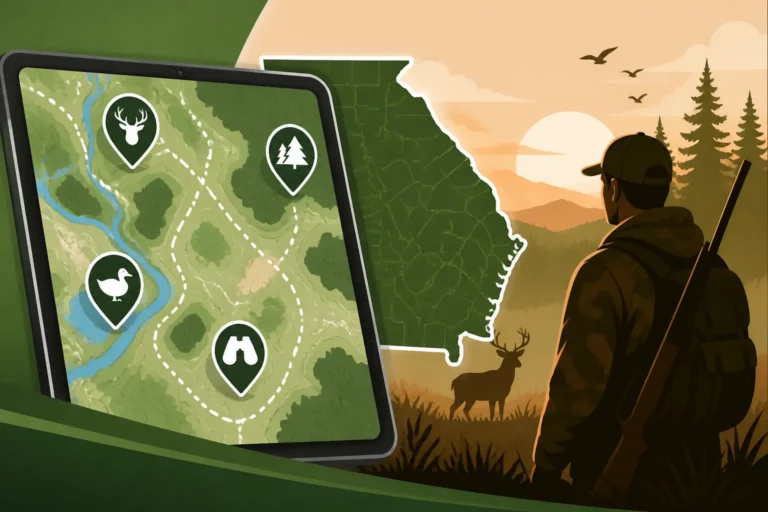
Another factor is the type of cover. Hardwoods for squirrel dogs, open longleaf pine savannas for quail dogs, or river bottoms for waterfowl dogs – each requires a specific habitat. Platforms like GoHunt and onX Hunt can be incredibly useful here. Their satellite and topographic maps allow you to scout from home, looking for those key habitat features, access points, and even elevation changes that might influence your training session. This is far more efficient than driving around blindly.
Utilizing Wildlife Management Areas WMAs
Georgia’s WMAs are often excellent choices for dog training, precisely because some are managed with small game and bird habitat in mind. However, as mentioned, you must check the specific WMA rules. Some WMAs have designated dog training areas that are clearly marked and maintained. These are goldmines because you know you're in a spot where dog activity is expected and managed. Look for WMAs known for their small game populations or specific habitat management practices, such as prescribed burns, which create ideal conditions for upland birds. Hunting a Managed Quail Plantation or areas managed similarly on a WMA could offer great exposure.
A really smart move is to use the Using the Georgia Outdoors Map Tool or other mapping resources to find WMAs close to you and then drill down into their specific regulations. You'll often find a direct link to the WMA's rules, including any dog training periods or zones. Remember that some WMAs require a Georgia WMA Access Stamp Requirement in addition to your regular hunting license, so make sure you're properly licensed before you go. This stamp supports the management of these vital public lands, making sure they remain viable for future training and hunting.
National Forests and Their Nuances
The vastness of the Chattahoochee-Oconee National Forests (covering much of North Georgia and parts of the Piedmont) offers immense potential, but also unique challenges. These lands are generally multi-use, meaning you'll encounter a broader range of recreational users. Finding quieter areas away from main trails and campgrounds is often necessary. The terrain in the North Georgia Mountains can be rugged, so consider your dog's physical condition and your own.
Training in the National Forest is often less about specific "dog training areas" and more about finding suitable habitat within the general regulations. If you're working a squirrel dog, the extensive hardwood bottoms and ridge lines are perfect. For those training bird dogs, some of the more open, managed pine tracts or old clear-cuts might provide the desired cover. Always be aware of other hunters, especially during big game seasons. Wearing blaze orange, even when just training, is a good safety practice. Platforms like onX Hunt can help you identify remote forest service roads or hiking trails that might lead to less-trafficked training grounds. When you're way back in there, understanding property boundaries is critical, and tools like GoHunt's mapping features can show you if you're approaching private land.
Essential Gear and Safety Considerations for Your Canine Companion
Just like you wouldn't head into the woods without your own essentials, your dog needs a dedicated gear kit, and safety should always be your number one priority. The Georgia woods can be beautiful but also unforgiving, and preparing for every contingency is just smart.
Basic Training Gear
A good training session starts with the right tools. A durable leash and collar are non-negotiable for control, especially when transitioning between areas or encountering other people/dogs. An e-collar (electronic collar) can be an invaluable tool for long-range communication and reinforcing commands, but only if used properly and humanely. Many hunters use e-collars for safety and control, ensuring their dog stays within acceptable range and avoids hazards. E-Collar Use on Georgia Public Land is a topic worth diving into to ensure you're using it effectively and ethically.
Dummies (plastic, canvas, or even real bird wings attached to a dummy) are essential for retrieve training. Whistles are also excellent for long-distance commands, especially with retrievers or ranging bird dogs. Don't forget treats for positive reinforcement; a happy, motivated dog learns faster and enjoys the process more. A dedicated training vest or pouch for you to carry these items makes everything easier to access when you're in the field.
Safety First
Georgia's climate and terrain present specific challenges. Water is absolutely crucial. Dogs can overheat quickly, especially when working hard in warm weather. Always carry more water than you think you'll need for both you and your dog. A collapsible bowl is a simple, lightweight addition to your pack. A canine first-aid kit is also a must-have: bandages, antiseptic wipes, paw protection, tweezers for thorns or ticks, and any specific medications your dog might need.
Snakes are a very real threat in many parts of Georgia, especially in the lowlands and swamps. While not foolproof, snake boots for yourself and perhaps a protective vest for your dog can offer some peace of mind. Snake Boots for Georgia Swamp Ground can be a lifesaver, and protecting your dog's vital areas with a specialized vest can minimize serious injury. Bug spray (dog-safe, of course) for ticks, fleas, and mosquitoes is also important. Finally, consider a blaze orange vest or collar for your dog. Even if it's not hunting season, other users might be afield, and visibility is key to preventing accidents. Blaze Orange Jackets Versus Vests applies to your dog too; making them visible is a responsible choice.
Understanding Environmental Hazards
Beyond snakes and heat, there are other dangers. Ticks are abundant in Georgia's woods and can transmit diseases. Check your dog thoroughly after every outing. Wild hogs are common in many areas and can be aggressive, especially sows with piglets. Teach your dog to avoid them. Other hunters, particularly during big game seasons, are another consideration. Communication and visibility are key to preventing mishaps.
Always be aware of the weather. Pop-up thunderstorms are common, and getting caught in heavy rain with a dog can be miserable and even dangerous. Know your terrain and your dog's limits. Pushing a dog too hard in unfamiliar or difficult terrain can lead to injury. A good trainer understands that an exhausted dog isn't learning effectively.
Practical Tips for Effective Dog Training in Georgia's Diverse Habitat
Training a hunting dog is a journey, not a destination. It requires patience, consistency, and an understanding of both your dog's instincts and the environment you're training in. Georgia's varied landscapes offer unique opportunities and challenges that you can leverage for a well-rounded hunting companion.
Starting with Basic Obedience
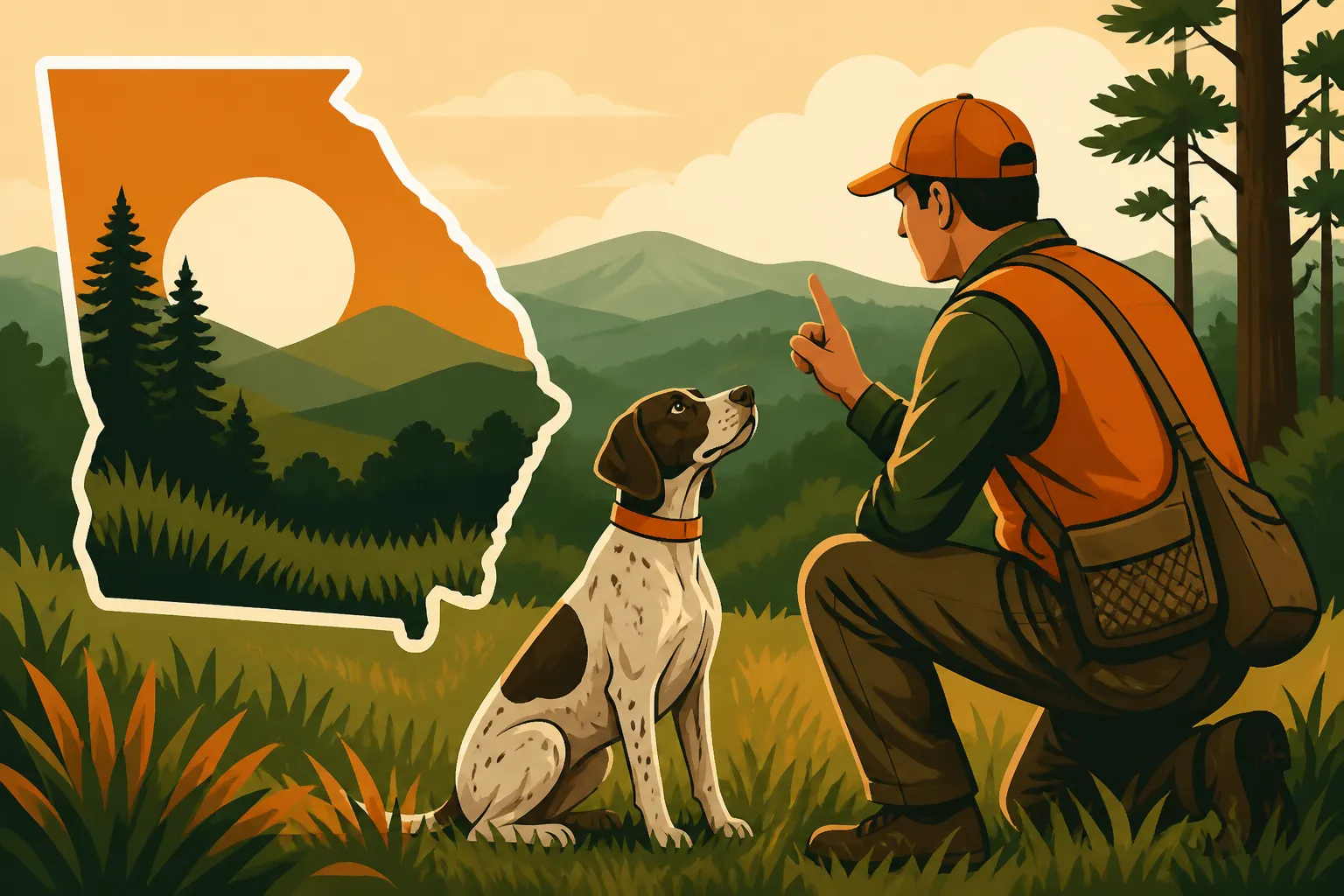
Before you introduce any fancy retrieves or scent work, your dog needs a rock-solid foundation in basic obedience. Commands like "sit," "stay," "come," and "heel" are not just polite manners; they are critical safety commands, especially on public land. A dog that won't "come" when called near a road or "stay" when another hunter walks by is a liability. Practice these commands in low-distraction environments first, then gradually introduce distractions as your dog masters them.
Consistent reinforcement is key. Use positive praise and rewards. Short, frequent training sessions are often more effective than long, drawn-out ones, especially with young dogs. Building this foundational obedience makes all subsequent hunting-specific training much smoother and safer, giving you the confidence that your dog will respond to you no matter the situation.
Gradual Introduction to Field Conditions
Don't expect your dog to go from backyard retrieves to a full-blown quail hunt in a single jump. Start slow. Introduce them to different types of cover gradually. Begin with simple retrieves in an open field, then move to light brush, then denser woods. For water work, start with shallow, calm water before moving to deeper or moving water. This gradual exposure builds confidence and helps your dog learn to navigate different terrains safely.
Use controlled scenarios. If you're training for upland birds, start with a few pen-raised birds in a confined area to help your dog understand the scent and flush. This allows you to manage success and correct mistakes without overwhelming your dog or creating bad habits in a truly wild setting. As your dog progresses, you can move to more challenging, larger public land areas.
Reading the Landscape for Training Opportunities
A good trainer also learns to "read" the land. For bird dogs, understanding where birds like to hold—thick fencerows, pine thickets, brushy field edges—is vital. Working a South Georgia Quail Covey Rise requires understanding not just the birds, but also the habitat. Learn to identify the kinds of cover and food sources that attract the game you're training for. This allows you to direct your dog into productive areas and maximize your training time.
For retrievers, understanding water currents, obstacles, and where a downed bird might drift is crucial. Practice marking falls (where a thrown dummy lands) in various cover types. Using features of the landscape—a fallen log, a change in vegetation, or a small ditch—as natural training markers can make the transition to real hunting scenarios much more effective. Tools like onX Hunt and GoHunt can help you spot these features from above before you even step foot in the woods, allowing you to plan your training routes strategically.
Respecting Other Hunters and Public Land Users
Finally, remember that public land is for everyone. Always be respectful of other hunters, hikers, birdwatchers, or anyone else you encounter. Keep your dog under control and consider the impact of your training. If you see someone else hunting, give them a wide berth. Avoid training in areas that are heavily hunted, especially during peak seasons, to prevent interference.
By being a responsible and considerate public land user, you help ensure that dog training remains a welcome and permitted activity. Always abide by Reading Georgia Public Land Boundary Signs and ensure you're not trespassing or violating any regulations. A little courtesy goes a long way in fostering a positive environment for all outdoor enthusiasts in Georgia.
Disclaimer
This article is for general informational purposes only and does not constitute professional advice. Laws, prices and regulations vary by location and change over time. Consult a qualified professional for guidance on your specific situation.