Union County Public Hunting Access
Finding good public hunting land in the North Georgia mountains can feel like searching for a needle in a haystack, especially when you're targeting a specific area like Union County. It's not just about knowing where the public land is, but understanding the unique challenges and incredible opportunities its rugged terrain presents. This guide aims to break down everything you need to know about accessing and making the most of the public hunting grounds within Union County, helping you navigate the steep slopes, dense timber, and remote corners where game thrives.
Understanding Union County's Unique Hunting Landscape
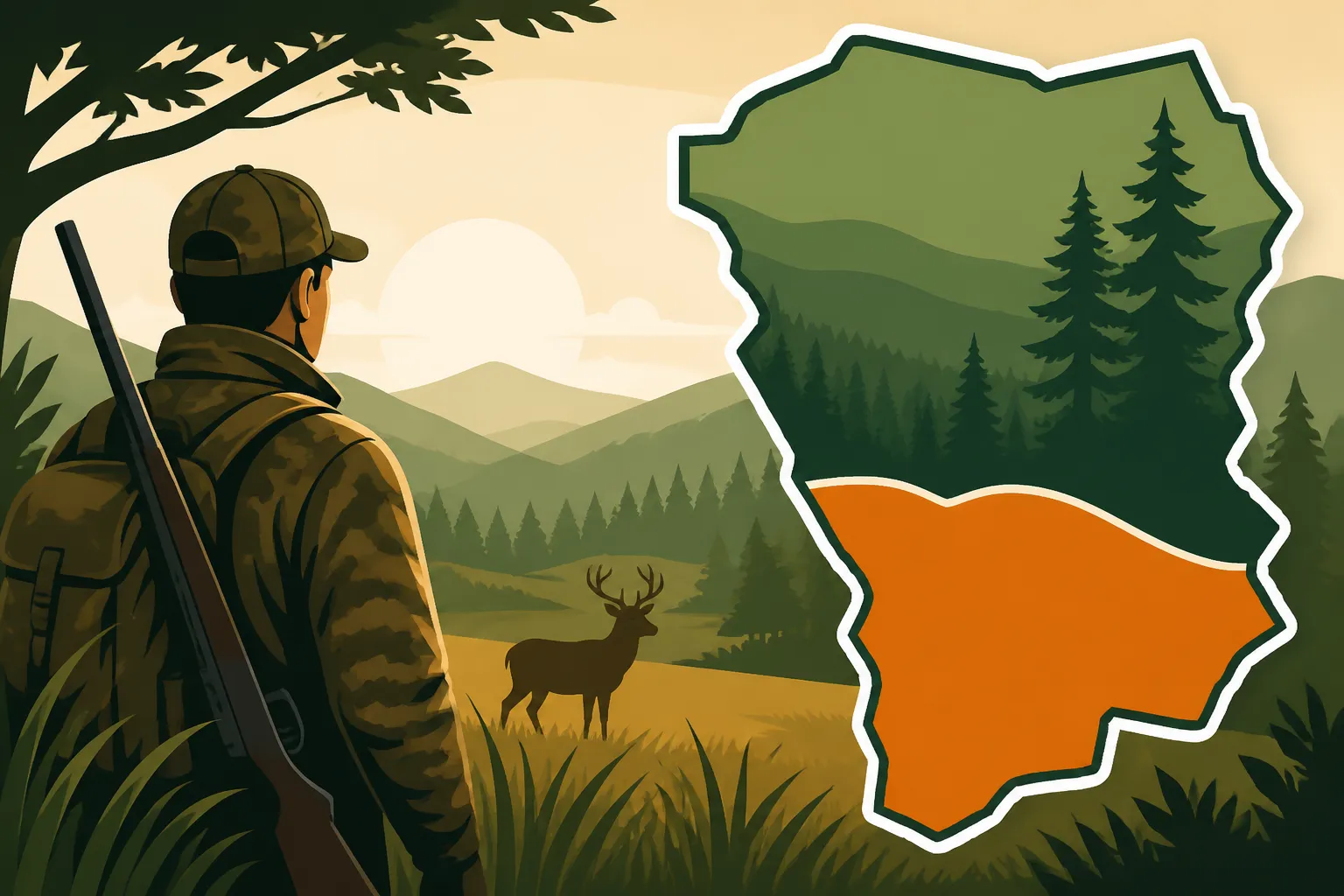
Union County, nestled deep in the heart of the North Georgia mountains, offers a vastly different hunting experience than the flat agricultural fields of the Piedmont or the vast pine plantations of the Coastal Plain. Here, the landscape is defined by its dramatic elevation changes, thick hardwood forests, and winding creek bottoms. This rugged beauty is what draws many hunters, but it also demands a different approach and skillset.
The Dominance of the Chattahoochee National Forest
The vast majority of public hunting access in Union County comes courtesy of the Chattahoochee National Forest. This expansive federal land covers a significant portion of the county, providing endless acres for exploration and pursuit of game. Unlike some managed Wildlife Management Areas (WMAs) with specific rules and infrastructure, the National Forest often feels wilder, less developed, and requires a greater degree of self-reliance from hunters. It’s a place where you truly feel immersed in nature, far from the sounds of traffic.
However, this untamed nature also means less obvious access points, fewer marked trails, and steeper climbs away from main roads. Understanding the boundaries, knowing how to navigate without cell service, and being prepared for physically demanding hunts are crucial. Many of the most productive areas require a solid hike, often straight up a mountain, which naturally filters out a lot of casual hunters, leaving more undisturbed pockets of habitat for those willing to put in the effort. For a deeper dive into hunting these mountain regions, check out Hunting North Georgia Mountain Country.
Terrain Challenges and Opportunities
The topography of Union County is a double-edged sword for hunters. On one hand, the steep ridges and deep hollows create natural funnels and bedding areas for deer, bear, and turkey. On the other, these same features can make navigating, tracking, and retrieving game incredibly challenging. Hunters often encounter dense mountain laurel thickets, rhododendron hells, and rocky outcroppings that can be tough to traverse, especially with a treestand or after a successful harvest.
Despite the difficulties, these varied habitats provide excellent opportunities. High ridges often feature mature hardwoods that produce abundant acorns, drawing deer and bear in the fall. South-facing slopes warm up faster in the spring, making them attractive to gobblers looking to strut. Creek bottoms, even narrow ones, act as travel corridors and offer crucial water sources year-round. Learning to read this complex landscape is key to consistent success. It's a game of finding those subtle features that concentrate game, whether it's a bench on a steep hillside or a small spring-fed flat.
Navigating Public Hunting Areas in Union County
Successfully hunting public land in Union County hinges on good preparation and smart navigation. With vast stretches of unbroken timber and often limited signage, knowing your way around and understanding property lines is paramount to staying safe and legal.
Essential Mapping and Scouting Tools
Before you even set foot in the woods, thorough research with mapping applications is your best friend. Tools like onX Hunt are invaluable for identifying public land boundaries, private property inholdings, topography, and potential access points. You can scout from your couch, pinpointing ridge lines, saddles, creek drainages, and areas of diverse timber that might hold game. Many seasoned hunters swear by these digital maps for not only showing them where to go but also helping them understand what areas might see less pressure. Learning to use these tools effectively can give you a significant advantage, especially when exploring new ground.
Another useful general planning resource for hunters considering different options and areas can be platforms like GoHunt, though their focus might be broader than just Georgia. For scouting specifics, particularly in dense forest, understanding how to read a topographic map – even on your phone – is crucial. Look for natural funnels, pinch points between steep areas, and small pockets of flatter ground that deer might use for bedding. Don't forget to study satellite imagery for timber type changes or recent clear-cuts that could offer new browse and cover. For general public land scouting tips, see Scouting Georgia Public Land Before Season.
Access Points and Trail Systems
Access into the Chattahoochee National Forest in Union County varies greatly. Some areas might have well-maintained forest service roads that allow vehicle access, while others require a significant hike from a paved highway or a gravel road pull-off. Many of these forest roads are gated or only open seasonally, so it's vital to check current regulations before heading out. Sometimes, the deepest, least pressured areas are found by simply walking further than most other hunters are willing to go.
While a few designated hiking trails exist, relying solely on them for hunting access can be limiting. Game doesn't always follow established human trails. Instead, plan your routes using topo maps and compass skills (or GPS apps) to navigate directly to promising areas. Be prepared for bushwhacking through dense vegetation, especially off the beaten path. Always mark your vehicle's location and key waypoints as you go, particularly in dense fog or after dark. How Far to Walk From a Forest Road can offer more insights into this strategy.
Key Hunting Opportunities in Union County
Union County offers diverse hunting opportunities for several popular game species, each presenting its own set of challenges and rewards. Understanding the habits of these animals in a mountainous environment is crucial for success.
Whitetail Deer Hunting
Deer hunting is arguably the most popular pursuit in Union County. The mountains support a healthy population of white-tailed deer, though densities might not be as high as in the Piedmont or Coastal Plain. Here, deer are masters of adapting to the steep terrain and dense cover. They tend to stick to thick bedding areas on benches or in dense rhododendron patches, often moving along contours and down hollows. You'll rarely see deer standing in open fields for long periods as you might in other parts of the state; instead, they're often glimpsed slipping through timber.
Success often comes from focusing on transition zones – where hardwoods meet pines, or where thick cover meets a more open ridge. Finding fresh sign like rubs, scrapes, and tracks along logging roads or old logging decks can indicate active travel corridors. Setting up a treestand on a mountain saddle or a creek bottom funnel can be particularly effective, especially during the rut. Patience and stealth are paramount, as deer in these mountains are notoriously wary. Remember to check out Reading a Ridge for North Georgia Deer for specific tactics.
Black Bear Hunting
Union County is part of Georgia's Northern Bear Zone and offers excellent opportunities for black bear hunting. Georgia's Three Bear Hunting Zones outlines where to hunt these amazing animals. Bear populations are strong here, and finding them often involves focusing on food sources. In early fall, bears will be drawn to acorns on oak ridges. Later in the season, they might seek out persistent soft mast or browse in clear-cuts. Bear hunting in the mountains requires resilience and a willingness to cover a lot of ground. Unlike deer, bears have much larger home ranges and can move considerable distances in search of food.
Spot-and-stalk tactics can be employed, particularly in more open timber or along old logging roads, but still-hunting or sitting over known food sources are also popular methods. Shot placement is critical on bears, given their tough hide and dense bone structure. Always be prepared for the physical challenge of recovering a bear from steep, thick terrain – it's an experience that truly tests a hunter's mettle. For deeper insights, consider Hunting the North Georgia Mountain Bear Zone.
Wild Turkey Hunting
Spring turkey season in Union County is a favorite among many hunters. The steep ridges and hollows echo with the sounds of gobblers, but finding and calling them can be tricky. Turkeys in mountainous terrain often roost on high ridges, flying down to feed in hollows or along creek bottoms. They can be incredibly vocal early in the morning, making it tempting to chase them, but their ability to move quickly across steep terrain can lead to frustrating chases.
Successful turkey hunting in Union County often involves setting up early near a known roost, calling patiently, and being ready to move and reposition if the bird hangs up. locator calls can be effective for getting a response, helping you pinpoint a gobbler's location before making your move. Understanding how Wind and Thermals on a Mountain Ridge affect sound and turkey movement can also be a game-changer. Decoy placement, especially when hunting pressured birds, needs careful consideration.
Practical Tips for Hunting Union County Public Land
Hunting in Union County's public lands comes with its own set of practical considerations, from gear to safety. Being prepared for anything the mountains can throw at you will make your hunt more enjoyable and increase your chances of success.
Gear Up for Mountain Hunting
Your gear choice can make or break a hunt in this rugged environment. Comfortable, supportive hiking boots are a must – ankle support is crucial on uneven terrain. Layered clothing is essential, as mountain weather can change rapidly from chilly mornings to warm afternoons, and even sudden rain showers. Think breathable base layers and good rain gear. A quality backpack capable of carrying water, snacks, emergency supplies, and perhaps a game bag is non-negotiable. Don't underestimate the need for adequate water, especially on physically demanding climbs.
A good pair of binoculars is invaluable for glassing distant slopes or spotting movement in thick cover. A rangefinder is also highly recommended, as judging distances in steep, broken terrain can be deceiving. For navigation, a reliable GPS unit or a smartphone with downloaded offline maps (like onX Hunt) is critical, as cell service is often nonexistent in deeper valleys. Consider a lightweight treestand or saddle setup if you plan to hunt from above, but be mindful of WMA and National Forest regulations regarding permanent stands. For discussions on specific setups, refer to Treestand Setups in North Georgia Mountains.
Safety and Preparedness in the Backcountry
Safety should always be your top priority. Hunting alone in rugged mountain terrain carries inherent risks. Always tell someone where you are going and when you expect to return. Carry a first-aid kit, a whistle, a headlamp, and fire-starting materials. Knowing basic first aid and survival skills can be life-saving. Blaze orange or blaze pink clothing is required for firearms hunters during deer and bear seasons, and it's a good idea to wear it during archery season as well, especially if other seasons overlap.
Be aware of changing weather conditions. A sunny morning can quickly turn into a cold, rainy, or even snowy afternoon at higher elevations. Hypothermia is a real threat even in Georgia if you get wet and the temperature drops. Wildlife encounters beyond game species are also possible; always be aware of your surroundings. Finally, practice ethical hunting by understanding and following all Georgia hunting regulations, including harvest reporting and carcass movement restrictions if you're in a Chronic Wasting Disease (CWD) Management Area (CMA). While Union County might not currently be a CMA, it's always wise to stay informed on current regulations, which you can usually find through the Georgia DNR website or apps.
Here's a quick look at some key game species you might encounter in Union County:
| Species | Primary Habitat | Common Hunting Methods | Peak Activity (General) | Notes |
|---|---|---|---|---|
| White-Tailed Deer | Hardwood ridges, creek bottoms, thickets | Treestand, Still-hunting, Spot-and-stalk | Fall (Rut: Mid-October) | Wary, utilize dense cover & elevation changes. |
| Black Bear | Oak ridges, deep hollows, clear-cuts | Still-hunting, Over natural food sources | Fall | Large home ranges, physically demanding recovery. |
| Wild Turkey | Roost on high ridges, feed in hollows | Calling, Run-and-gun, Sitting over food | Spring | Vocal but can be challenging to close distance. |
| Feral Hogs | Creek bottoms, moist areas | Opportunistic, Night hunting (with permit) | Year-round | Invasive, often found in smaller sounders. |
| Squirrel | Hardwood forests | Still-hunting, Bushytail drives | Fall/Winter | Abundant, good for introducing new hunters. |
Ethical Hunting and Conservation in Union County
Being a responsible hunter goes beyond just following the rules; it's about being a steward of the land and its wildlife. The beauty and abundance of Union County's public lands are a privilege we must protect.
Respecting the Land and Other Users
Public land is for everyone, and respecting other users is part of the hunting ethos. This means packing out everything you pack in, leaving no trace, and being mindful of hikers, mountain bikers, and other outdoor enthusiasts. Avoid hunting too close to developed trails or popular recreation areas. When using an app like onX Hunt, be diligent about knowing private property boundaries and absolutely respect them – accidental trespass can have serious consequences and gives hunters a bad name.
Additionally, responsible hunting includes proper game recovery. Do everything in your power to recover any animal you shoot. This might mean long hours tracking, utilizing blood trailing skills, or enlisting the help of a tracking dog. Wounded game that is not recovered is a waste of a precious resource and reflects poorly on hunters. For tips on blood trailing, consider Blood Trailing After Dark in Georgia.
Contributing to Conservation
By purchasing your Georgia hunting license and any necessary permits, you are directly contributing to wildlife conservation efforts in the state. The funds generated from these sales are critical for habitat management, wildlife research, law enforcement, and public land maintenance. It's a system that has supported healthy game populations for generations.
Consider also participating in voluntary programs or simply observing and reporting any suspicious activity that could harm wildlife or habitat. Being an active participant in conservation ensures that future generations will have the same incredible opportunities to experience the wild beauty and hunting traditions of Union County. These mountains are a treasure, and our actions as hunters play a vital role in keeping them that way.
Disclaimer
This article is for general informational purposes only and does not constitute professional advice. Laws, prices and regulations vary by location and change over time. Consult a qualified professional for guidance on your specific situation.