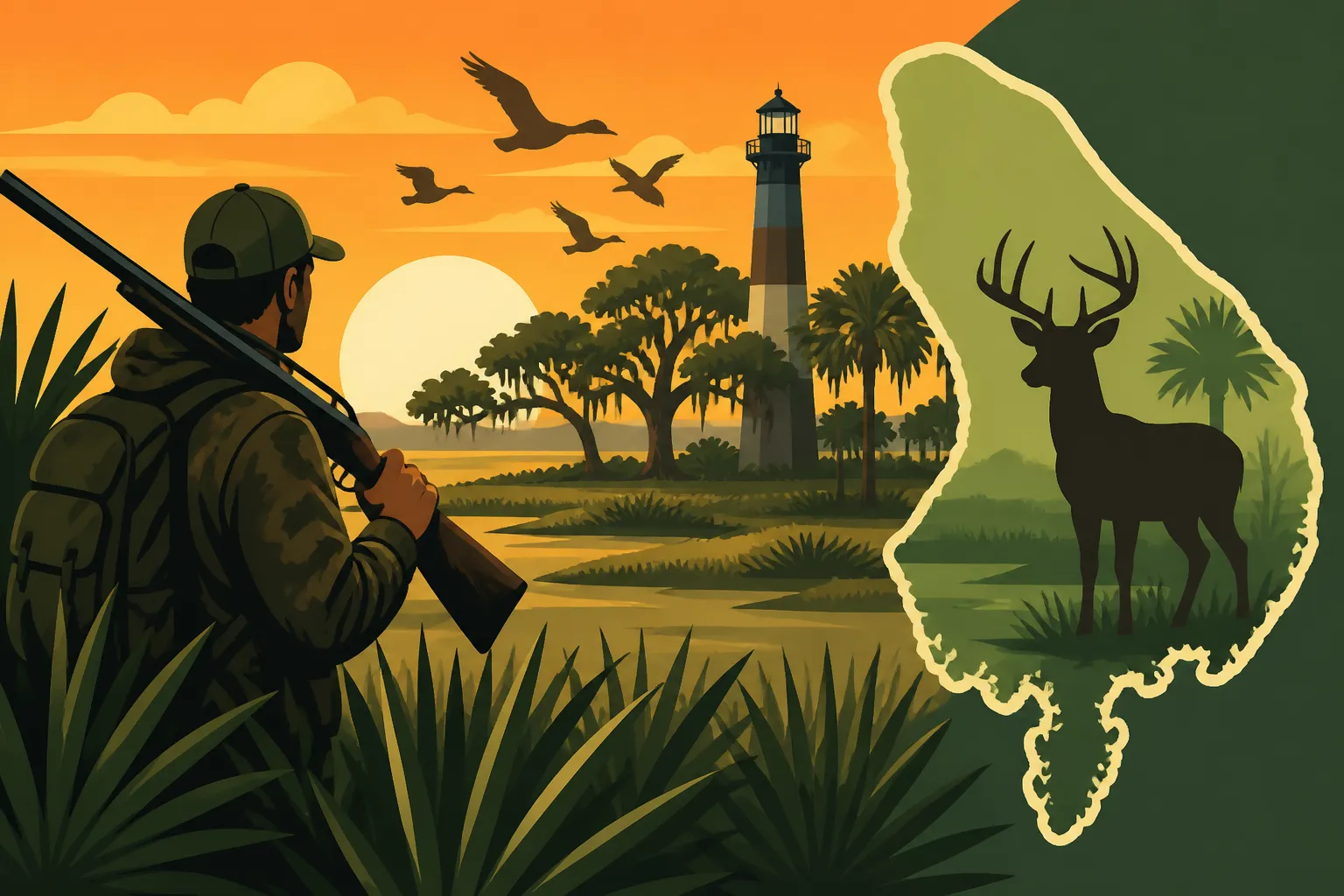
Sapelo Island Managed Hunts
Oh, the thought of a hunting trip to Sapelo Island! For many Georgia hunters, it's not just another public land opportunity; it's a bucket-list adventure. If you've ever dreamt of stepping back in time, away from the constant pressure of easy-access public land, and experiencing a truly unique hunt steeped in history and natural beauty, then a managed hunt on Sapelo might be calling your name. This guide will walk you through what makes Sapelo so special, how to navigate the application process, and what to expect when you finally get that coveted tag.
The Unique Appeal of Sapelo Island Hunts
There's something inherently mystical about an island hunt, and Sapelo delivers in spades. It’s an experience that’s worlds away from slipping into a treestand on your local WMA or a small private tract in the Georgia Piedmont. The entire vibe is different, demanding a blend of respect for its wildness and readiness for its distinct challenges.
Why Sapelo Stands Apart
Sapelo Island isn't just a piece of land surrounded by water; it's a living, breathing ecosystem with a rich history, managed meticulously to preserve its unique character. Unlike many other public hunting grounds, access to Sapelo is tightly controlled, meaning fewer hunters, less pressure, and a truly immersive wilderness feel. You won't find bustling towns or easy drive-up access here. Instead, you'll encounter a largely untouched landscape of maritime forests, salt marshes, and pristine beaches, offering a hunting experience that truly feels like an escape. The limited number of permits issued each year makes every hunt here feel like a special privilege, not just another day in the woods. This isn't about bagging a deer quickly; it's about the entire journey and the profound connection to a wild, untamed corner of Georgia.
The island’s history, from its Gullah-Geechee heritage to its scientific research endeavors, adds layers of depth to any visit. You’re not just hunting; you’re a temporary guest in a place where time seems to slow down, and nature’s rhythms dictate the pace. This unique blend of conservation, culture, and limited access creates a high-quality hunting environment focused on a healthy deer herd and an unforgettable experience for those lucky enough to draw a tag.
What Hunters Can Expect from the Island Environment
Hunting on a barrier island like Sapelo presents a distinct set of environmental factors that differ significantly from typical mainland Georgia hunts. The terrain is a captivating mosaic. You'll move through dense maritime forests, characterized by live oaks draped in Spanish moss, palmetto thickets, and pine stands. These woods can be incredibly thick in places, making visibility challenging and requiring keen woodsman skills to navigate quietly. As you approach the fringes of the island, these forests transition abruptly into vast expanses of salt marsh, cut by tidal creeks and muddy flats. These edges often serve as crucial travel corridors and feeding areas for deer and other wildlife.
Beyond the unique habitat, hunters must be prepared for the coastal climate. Even during cooler seasons, temperatures can swing, and humidity is almost always a factor. Warm-Weather Clothing for Georgia Hunters is a good article to review, as layering is key for the unpredictable coastal weather. Furthermore, the island is teeming with wildlife beyond your target species. Alligators are common in the freshwater ponds and marsh creeks, and various snakes, including venomous species, inhabit the dense undergrowth, making Snake Boots for Georgia Swamp Ground an absolute necessity. And let's not forget the insects! Mosquitoes, gnats, and ticks can be relentless, especially in warmer periods or after rain. Preparing with robust Bug Protection for Early Archery Season will make your hunt much more enjoyable, regardless of the calendar month.
Navigating the Application Process for Sapelo
Drawing a Sapelo Island hunt permit is often a multi-year endeavor for many hunters, akin to winning a small lottery. It requires patience, persistence, and a solid understanding of Georgia's quota hunt system. It's not just about filling out a form; it's about playing the long game.
Understanding Georgia's Quota Hunt System
Georgia's quota hunt system is designed to provide high-quality, managed hunting opportunities on specific tracts of public land, including coveted locations like Sapelo Island. These hunts have limited participation to ensure a sustainable harvest and an exceptional experience for those drawn. The cornerstone of this system is often the preference point. For many quota hunts, if you apply and aren't drawn, you typically receive a preference point for the next year. These points accumulate, theoretically increasing your odds in subsequent drawings. The more points you have, the better your chances of eventually getting that golden ticket for Sapelo.
It's crucial to stay on top of the application period. Missing the application window means not only missing out on the hunt for that year but also losing the opportunity to accrue another preference point. This can set you back significantly in your quest for a Sapelo tag. Make sure you mark your calendar for the Georgia Quota Hunt Application Window and submit your application well in advance of the deadline. While the system can feel a bit like a gamble, consistent application is the only way to build up the points needed to eventually secure a spot on this unique island. Understanding how Georgia Quota Hunt Preference Points work is vital for serious applicants.
Essential Licenses and Permits
Before you can even dream of applying for a Sapelo Island quota hunt, you need to ensure all your basic Georgia hunting license requirements are met. This typically includes a valid Georgia hunting license, which is your foundational permit for any hunting activity in the state. For deer hunting, you'll also need a Big Game License. These can often be purchased together as part of a bundle, like the Resident Sportsman's License, which covers many game species and methods. You can find comprehensive details on costs and options in Georgia Hunting Licenses and What They Cost.
Once your general licenses are in order, applying for the Sapelo Island quota hunt itself involves a separate process through the state's online portal, usually where you manage all your hunting and fishing licenses. If you are successfully drawn for a Sapelo hunt, the specific details of your permit will be communicated, often detailing the exact dates, specific regulations, and any additional requirements unique to that island hunt. Always double-check these details immediately upon notification to ensure you understand all the conditions, as Sapelo often has very specific rules regarding bag limits, methods of take, and island conduct, all designed to protect its unique ecosystem.
Preparation is Key: Before You Step Foot on Sapelo
Getting drawn for a Sapelo Island hunt is only half the battle. The other half involves meticulous planning and preparation to ensure you're ready for the unique challenges and logistics of hunting a remote barrier island. Don't underestimate the need for foresight and careful packing.
Gear Considerations for Island Hunting
Your gear list for Sapelo will look a bit different than for a typical mainland hunt. Because of the island's coastal environment, you need clothing that can handle humidity, potential rain, and fluctuating temperatures. Lightweight, breathable layers are paramount, allowing you to adapt as conditions change. Quick-drying fabrics are your friend here. While blaze orange requirements apply during certain seasons (always check the specific hunt regulations), consider wearing minimal layers underneath that offer good concealment for moments when you're not actively moving or legally required to wear orange.
Footwear is another critical choice. The terrain can be wet, muddy, and thick with vegetation. Robust, waterproof boots are essential, and as mentioned earlier, Snake Boots for Georgia Swamp Ground are highly recommended for peace of mind. You'll be doing a lot of walking, so comfort is key. When it comes to navigation, traditional maps are good, but a reliable GPS unit or a mapping app like onX Hunt on your phone is invaluable. onX Hunt allows you to download maps offline, which is critical because cell service can be spotty or non-existent in many parts of the island. You can mark potential deer sign, stand locations, and your travel routes, ensuring you don't get turned around in the dense cover. Remember spare batteries for everything!
Logistics and Travel to a Barrier Island
Getting to Sapelo Island is an adventure in itself and requires careful coordination. Unlike most WMAs where you can simply drive in, Sapelo is only accessible by a state-operated ferry from Meridian, near Darien. This ferry has a strict schedule and limited capacity, and reservations are absolutely mandatory for hunters. You'll need to confirm your ferry times well in advance and arrive with plenty of time to spare. Forget to book your spot, and you'll be watching the boat leave without you.
Once on the island, personal vehicles are generally restricted. Hunters typically utilize designated transportation provided by the island staff, or for specific hunts, might be allowed limited access with ATVs or UTVs, but this is rare and must be explicitly approved. This means your hunting strategy needs to account for potentially long walks from drop-off points to your chosen hunting areas. Accommodation on the island is also limited and often rustic. There might be bunkhouses or very basic cabins available, or camping in designated areas could be an option. Don't expect luxurious amenities; think practical and self-sufficient. Bringing enough food, water, and supplies for your entire hunt, keeping in mind storage and cooking limitations, is crucial. This is truly a place where less is more in terms of unnecessary bulk, but more is better when it comes to essentials.
Hunting Strategies for Sapelo Island Deer
Hunting deer on Sapelo Island calls for a different playbook than hunting the whitetails of the Georgia mountains or farmlands. The island's unique ecosystem and managed hunt structure influence everything from deer behavior to effective tactics.
Adapting to the Maritime Forest and Marsh Edges
Sapelo's deer are products of their environment. They live in dense cover, frequently utilize the edges where the maritime forest meets the salt marsh, and often bed down in thick palmetto patches or dense hammocks. Unlike deer in agricultural areas, they may not rely heavily on open fields, instead preferring browse within the thick woods and along marsh fringes. When Still-Hunting South Georgia Pine Flats or setting up on a Setting Up on a Piedmont Field Edge are common tactics on the mainland, Sapelo demands a nuanced approach.
Successful hunters on Sapelo often focus on these edge habitats, identifying natural funnels where deer transition between bedding cover, feeding areas, and water sources. Scouting, even if only via satellite imagery on onX Hunt beforehand, is invaluable to pinpoint these features. Pay close attention to wind direction; the coastal breezes can be unpredictable, swirling through the dense vegetation. Setting up stands or ground blinds in locations that offer good shot lanes within the thick cover, while still allowing for a clear shooting window, is critical. Think about what the deer are eating – often native browse, acorns (if available), and other natural island vegetation – and target areas where these food sources are plentiful, or along the trails leading to them. Deer movement might also be tied to tidal patterns, with lower tides potentially exposing more feeding areas along the marsh.
The Role of Managed Hunt Rules
The managed hunt aspect of Sapelo is one of its most defining features and dictates many of the hunting strategies employed. These hunts are carefully structured to manage the deer population for health and quality, not just sheer numbers. This often means very specific bag limits, which might differ from the general statewide Georgia Deer Season Structure Explained. Antler restrictions, such as minimum beam length or point requirements, are common on these managed hunts, designed to allow younger bucks to mature. It is absolutely imperative that every hunter understands and adheres to these rules to avoid penalties and to contribute to the overall success of the management program.
Island staff and hunt coordinators will typically provide a thorough briefing on these specific regulations before the hunt begins. Listen carefully, ask questions, and don't assume anything based on mainland regulations. Respecting these rules is not just about legality; it's about preserving the unique hunting opportunity that Sapelo Island provides. Additionally, specific check-in and check-out procedures, designated hunting zones, and rules regarding game recovery will be in place. These managed conditions, while potentially more restrictive than an unmanaged hunt, contribute directly to the quality of the hunting experience and the health of the island's deer herd, making that coveted tag even more rewarding.
Beyond the Hunt: Experiencing Sapelo's Ecosystem
While hunting is the primary draw for those seeking a Sapelo Island managed hunt, the experience extends far beyond the pursuit of game. The island is a true natural and historical gem, offering a chance to connect with Georgia's wild coast in a profound way.
The Island's Rich Biodiversity
Sapelo Island is a living laboratory, a designated National Estuarine Research Reserve, meaning its diverse ecosystems are protected and studied. This commitment to conservation translates into an incredibly rich array of wildlife and habitats that you'll encounter even outside of your hunting efforts. Beyond the deer and feral hogs you might be pursuing, you could spot a vast array of bird species, from migratory waterfowl in the marshes to raptors soaring overhead. The island is a critical stopover for many migrating birds along the Atlantic Flyway, making it a birdwatcher's paradise.
The coastal waters surrounding Sapelo are home to marine life, including dolphins, sea turtles, and various fish species. Observing these creatures in their natural habitat adds another layer of appreciation for the untouched beauty of the Georgia coast. You'll witness the intricate dance of life in the salt marsh, where fiddler crabs scuttle and wading birds stalk their prey. It's a powerful reminder that when we hunt in such special places, we are not just taking from nature, but participating in a cycle that, when managed responsibly, contributes to the overall health and vibrancy of the ecosystem. Every step you take on Sapelo is a step through a truly wild, biodiverse landscape.
Historic and Cultural Significance
Adding to its natural allure, Sapelo Island holds immense historical and cultural significance. It is one of Georgia’s most significant barrier islands, preserving a unique cultural heritage. The island is home to Hog Hammock, one of the last remaining Gullah-Geechee communities in the United States. This community, descendants of enslaved West Africans who worked on the island's plantations, has maintained a distinct culture, language, and traditions for generations. Their presence offers a living link to a vital part of Georgia's history.
Hunters and visitors often have opportunities to learn about the island's past, from its Native American roots to its plantation era and later its role as a private retreat and research facility. The R.J. Reynolds Mansion, a stunning architectural marvel, stands as a testament to a different era. Understanding this rich tapestry of history, coupled with the island's ecological importance, elevates a Sapelo hunt from a mere recreational activity to a deeply enriching experience. It fosters a greater appreciation for the land, its people, and the ongoing efforts to preserve this irreplaceable Georgia treasure. Being a respectful visitor and hunter on Sapelo means acknowledging and honoring both its natural and cultural heritage.
A Comparative Look: Sapelo Island vs. Mainland Hunting
To truly appreciate what a Sapelo Island hunt offers, it's helpful to compare its characteristics to a more typical mainland Georgia hunting experience.
| Feature | Sapelo Island Managed Hunt | Typical Georgia Mainland Hunt (Private or WMA) |
|---|---|---|
| Access | Ferry-only, limited capacity, reservations required | Drive-up access, various road networks |
| Permit | Quota system, often requires preference points | Over-the-counter license, general tags |
| Hunter Density | Very low, tightly controlled numbers | Varies widely, can be high on popular public land |
| Environment | Remote barrier island, maritime forest, salt marsh | Varied: mountains, Piedmont hardwoods, pine flats, swamps |
| Logistics | Self-sufficient camping/bunkhouse, island transport | Drive to stand, local accommodations/day trips |
| Deer Quality | Often managed for older age classes, trophy potential | Varies, often more focus on quantity or general harvest |
| Other Wildlife | Abundant birdlife, alligators, unique coastal species | Typical mainland species (coyotes, bobcats, small game) |
| Challenges | Bugs, heat, humidity, thick cover, limited amenities | Hunting pressure, private land access, property boundaries |
| "Experience" | Wilderness immersion, historical depth, unique adventure | More focus on hunting itself, often social/family-centric |
This table highlights why Sapelo is considered a premium, unique hunting opportunity. The added logistical hurdles and the quota system are what contribute to the exceptional quality and remote feel of the hunt.
In conclusion, a Sapelo Island managed hunt isn't just about the deer; it's about the entire journey, from the anticipation of drawing a tag to the ferry ride, the challenging yet rewarding hunt, and the immersion in a truly special place. It’s an adventure that tests your preparedness and rewards you with memories that will last a lifetime, far removed from the everyday grind. If you have the patience and the passion, put Sapelo Island on your radar.
Disclaimer
This article is for general informational purposes only and does not constitute professional advice. Laws, prices and regulations vary by location and change over time. Consult a qualified professional for guidance on your specific situation.