Georgia Mourning Dove Migration Timing
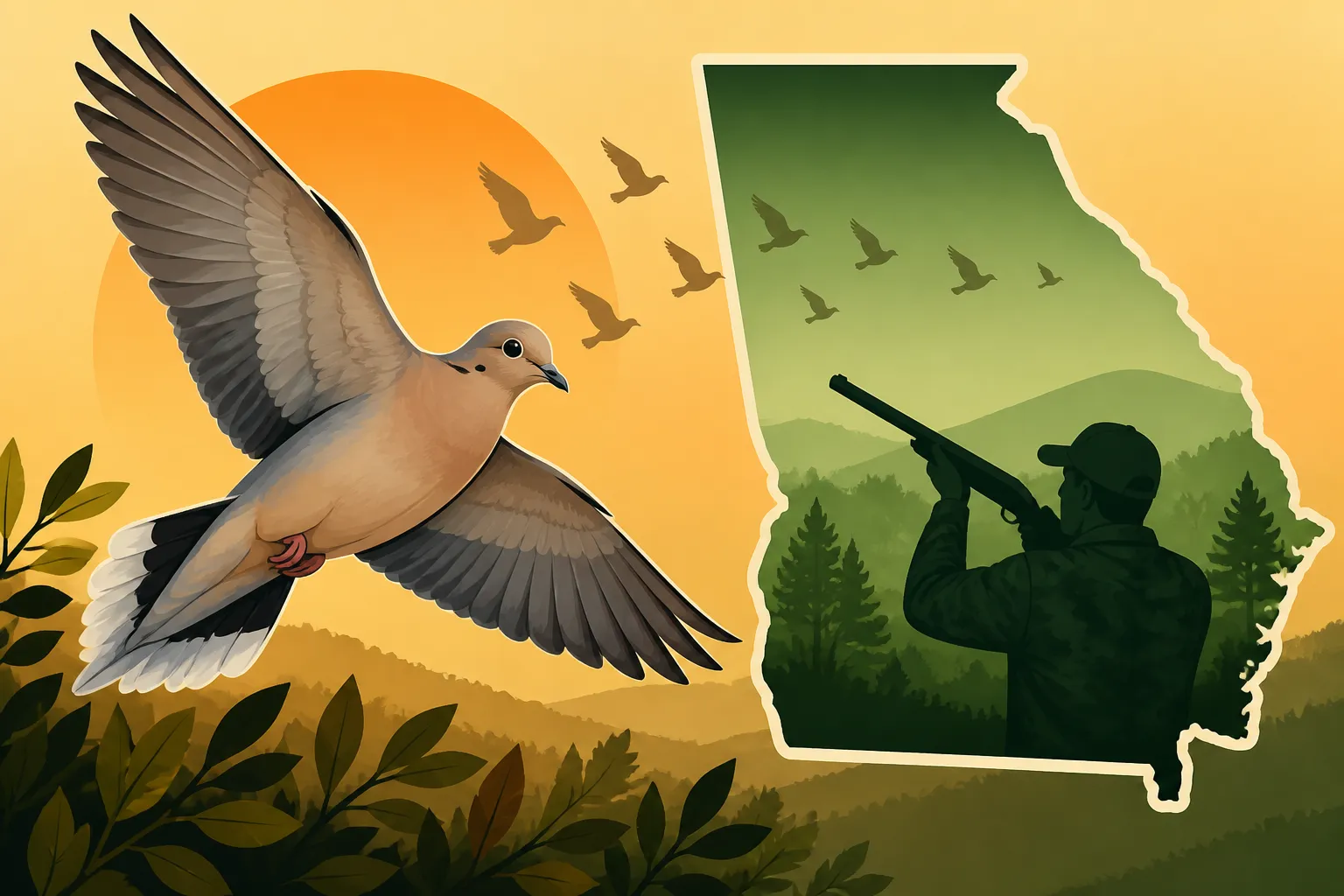
There’s nothing quite like the rush of a dove hunt, is there? The quick wingbeats, the challenging shots, the camaraderie with friends and family in a cut field under a big Georgia sky. But if you’ve spent any time chasing these speedy little birds, you know the frustration of showing up to a field that was "hot" last week, only to find it utterly devoid of birds. It feels like they just vanish overnight! This often leaves hunters wondering, "Are all the birds gone? Did I miss the big push?" The truth is, understanding Georgia mourning dove migration timing isn't about predicting one big event; it's about recognizing continuous subtle shifts and local influences that keep the birds moving throughout the season. This guide will help you decipher these patterns so you can be where the doves want to be, when they want to be there.
Understanding the Georgia Mourning Dove Population Dynamics
When we talk about "migration," it’s easy to imagine a massive, singular wave of birds sweeping through. For mourning doves in Georgia, it’s a bit more nuanced. We're dealing with a dynamic blend of local populations and birds passing through, and how they interact with the landscape dictates a lot about your hunting success.
Resident Birds Versus Migratory Visitors
Georgia is home to a robust population of resident mourning doves that breed and live here year-round. These are the birds you see perched on power lines in July, flitting through your backyard, or feeding in local fields long before hunting season even opens. They’re comfortable with the territory, know the best food and water sources, and generally follow predictable patterns, at least until hunting pressure changes things up. These resident birds form the backbone of our early season hunting opportunities, especially on well-managed private lands or less-pressured public spots.
As the late summer days begin to shorten and the first whispers of fall air arrive, Georgia also becomes a key pathway and wintering ground for migratory doves traveling south from states further north. These birds are on a journey, often driven by instinct, changing weather, and the availability of abundant food. They're often less wary initially, having not experienced the same hunting pressure as some of our local populations, but they're also more transient. Identifying whether you're looking at a resident or a true migrant can be tricky, but their overall behavior and concentration in new areas often give them away. Your best bet is to understand that both contribute significantly to the overall population you might encounter in a field.
Factors Influencing Local Dove Movements
Even for our resident doves, their "migration" might only be a few miles, shifting from one corn field to another, or from a cut peanut field to a sunflower patch. These local movements are heavily dictated by a few critical factors: food, water, and roosting cover. Doves are creatures of habit, and if they find a reliable source of all three, they'll stick around until something pushes them off.
Food availability is paramount. Doves are primarily seed-eaters, so recently harvested fields of corn, sunflowers, milo, wheat, or even natural weed seeds are magnets. As one field gets picked clean or a new one is cut, birds will quickly relocate. Water sources like ponds, creek beds, or even puddles are also essential, especially in the afternoon hours after a good feeding session. Finally, they need safe places to roost for the night, often dense pine thickets, cedar rows, or even mature hardwoods. A field offering easy access to water and thick roosting cover nearby will almost always hold birds longer than one that doesn't, regardless of migration. These local patterns are what make Setting Up a Dove Field Before Opening Day so crucial, ensuring you've got these elements covered.
Peak Migration Windows for Georgia Mourning Doves
While dove migration isn't a single switch being flipped, there are discernible periods when you're more likely to encounter larger numbers of new birds, or see significant shifts in their local concentrations.
The Early Season Push (Late August – Early September)
Ah, opening day! For many, it's the unofficial start of hunting season in Georgia, and for good reason. This period, typically late August into early September, usually sees the first major influx of migratory doves. These are often birds that have nested further north and are making their way south with their broods. They haven't been shot at much, and they're focused on finding easy calories to fuel their journey. If you’ve ever experienced an incredible opening day hunt, with wave after wave of birds, you were likely tapping into this early season push combined with strong local populations.
The success of these early hunts hinges on a couple of things: mature local birds that have been feasting all summer, and the arrival of these first migrants. A strong cold front pushing down from the Midwest or Northeast just before or during opening weekend can act like a funnel, sending a fresh wave of birds right into Georgia. Conversely, a warm, stagnant weather pattern can delay these larger movements, making you rely more heavily on your resident birds. It's why fields planted for doves, like sunflower patches or millet, are so productive during this window – they offer an irresistible food source for both categories of birds. Don't forget to check the regulations around Georgia Dove Field Baiting Rules to ensure your setup is legal.
Mid-Season Flux and Local Concentrations (Late September – October)
As September rolls into October, the initial frenzy of opening weekend often subsides. Many of the most naive early migrants have either been harvested or have moved further south, and the resident birds have become significantly warier due to hunting pressure. This is where the true "flux" happens. You might not see the massive waves of the early season, but new, smaller groups of birds will continue to filter into the state, especially after strong cold fronts up north.
During this mid-season, hunting becomes more about finding fields that haven't been over-pressured, or identifying new food sources that have recently become available. Perhaps a farmer just cut a new corn field, or a natural weed patch has matured. Doves that have been pushed out of one area might settle into another, leading to renewed concentrations in unexpected places. This is also when the "second dove split" often occurs, providing a fresh opportunity after many hunters have packed away their shotguns. The birds you encounter now are often a mix of slightly more seasoned migrants and resident birds that have learned to be a bit more elusive. Persistence and adapting your tactics are key during this stretch, as detailed in Hunting the Second Dove Split in October.
Late Season Arrivals and Wintering Birds (November – January)
Don't hang up your dove vest just because deer season is in full swing! The late season, from November through January, can offer some surprisingly good hunting, particularly for those willing to brave cooler temperatures. This period sees the final, often largest, pushes of cold-weather migratory doves from the northernmost reaches of their range. These birds are primarily focused on survival, seeking reliable, high-calorie food sources to sustain them through the winter.
What you'll notice in the late season is that birds tend to concentrate much more heavily. Instead of spreading out across multiple fields, they'll often be found in large numbers on a few prime feeding grounds. These can be freshly harvested peanut fields, waste grain in cornfields, or even specific stands of natural weeds like pokeberries or privet. A sustained period of cold weather or snow up north is a strong indicator that new birds are heading your way. While the daily limits are the same as earlier in the season, the challenge often shifts from sheer numbers to finding those specific concentrations and being able to Pass-Shooting Doves Over a Water Hole effectively when they come in to drink. These late-season birds, having survived a long journey, can be incredibly swift and challenging targets.
Strategies for Timing Your Georgia Dove Hunts
Knowing when birds are moving is one thing; putting yourself in front of them is another. Successful dove hunting in Georgia often comes down to proactive scouting and paying close attention to environmental cues.
Scouting is King: Reading the Landscape
You can read all the reports and check all the forecasts, but nothing beats getting out there and seeing it with your own eyes. Scouting is absolutely non-negotiable for consistent dove hunting success. It’s not just about finding birds, it’s about understanding their habits and anticipating their movements. Before the season, look for fields of sunflowers, corn, millet, or wheat that are maturing or have been recently harvested. Identify nearby water sources and potential roosting cover. Doves are predictable if you take the time to observe them.
As the season progresses, revisit these spots. Have the birds eaten out a particular field? Has a new field been cut nearby? Are there power lines or dead trees they use as staging areas before dropping into a feeding zone? Pay attention to the flight paths they use – doves are creatures of habit and will often follow the same routes day after day. A quick drive around agricultural areas in the late afternoon, looking for birds flying into or out of fields, can tell you more than any long-range forecast. Remember, doves on the ground are feeding; doves flying high are often traveling between food, water, and roost, and those are the flight lines you want to intercept.
Monitoring Weather Patterns and Cold Fronts
Weather is the primary driver of major migratory movements. While local warmth or rain might affect daily flight patterns, a strong, sustained cold front pushing south from the northern states is your biggest indicator of new birds arriving in Georgia. These fronts often bring cooler temperatures and clear skies, which are ideal conditions for doves to travel. When you see such a front in the forecast, especially during late August, late September, or November, it’s time to get ready.
Think of these cold fronts as a fresh injection of new birds into the system. These new arrivals are often less wary than the birds that have already been around for a few weeks, making them potentially easier to decoy or call. However, local weather also plays a role. Heavy winds can make doves fly lower and faster, while a sudden downpour might keep them grounded. Monitoring both regional and local weather forecasts will help you not only predict migration surges but also adjust your setup and tactics for the day's conditions.
Utilizing Resources and Local Knowledge
You don't have to go it alone. There's a wealth of information available if you know where to look. Agricultural extension offices can sometimes provide insights into harvest schedules in your area, which directly correlates to fresh food sources for doves. Talking to local farmers is invaluable; they see the birds every day and often know which fields are holding them. Fellow hunters, especially those with years of experience in a particular region, can also offer critical intel.
Beyond that, digital tools can be a huge asset. Mapping applications are fantastic for identifying potential fields, water sources, and roosting cover from a bird’s eye view, helping you scout smarter. Websites that track bird migration patterns, even for other species, can give you a general idea of when large-scale movements are happening. And for those looking to stay on top of all hunting opportunities, a platform like GoHunt can be invaluable. It offers detailed maps and data that can help pinpoint potential hotspots, understand land boundaries, and even track regulations, helping you visualize how bird movement might intersect with accessible hunting areas. Just remember to always verify specific field conditions and bird presence for yourself. Scouting Georgia Public Land Before Season with these tools can give you a huge advantage.
Common Misconceptions About Dove Migration in Georgia
Over the years, a few ideas about dove migration have taken root that don't quite align with the reality of hunting in Georgia. Dispelling these myths can help you adopt a more effective strategy.
The Myth of a Single, Massive Wave
Many hunters hold onto the idea that there's one "big push" of doves, and if you miss opening day or the first major cold front, all the good hunting is over. This simply isn't true for Georgia. As we've discussed, it's more of a continuous, sometimes subtle, trickle of birds from the north, interspersed with significant local movements. You'll have periods of higher activity, certainly, but it’s rarely a single, overwhelming surge followed by emptiness.
Think of it less like a tidal wave and more like a river with many tributaries. Some days, a small stream empties into the main flow, bringing new birds. Other days, a larger tributary contributes significantly. The cumulative effect is that Georgia often has a steady population of doves moving through or residing within its borders throughout the entire season, especially if food and habitat remain available. Your job is to find where those streams are flowing on any given week.
The "All Birds Leave After Opening Day" Fallacy
This is a common frustration point. You have a phenomenal opening day, birds everywhere, and then you go back a week later and the field is dead. It's easy to assume all the birds "left." While some migratory birds do continue their journey south, and some local birds disperse, the more accurate assessment is that the birds in that particular field have simply been pushed out due to hunting pressure. Doves are intelligent and learn quickly. They'll abandon a field that feels too dangerous for one that offers peace and quiet, even if it's just a mile or two away.
Many times, these birds haven't left the area entirely; they've just relocated to less-pressured fields, different parts of the same large field, or found new roosting sites. This is why scouting after opening day is just as important as before. Look for fields that might not have been popular initially but now offer fresh food or less pressure. The resident birds, especially, will often stay in the general vicinity if they can find sanctuary and resources.
Underestimating Resident Bird Contribution
Finally, it’s easy to get caught up in the idea of hunting "migratory birds" and overlook the substantial contribution of Georgia's resident dove population. Especially during the early season, a significant portion of your bag limit might come from birds that hatched and grew up right there in Georgia. These birds are accustomed to the local food sources and terrain.
While they may become more challenging to hunt after initial pressure, they represent a consistent resource that often gets underestimated. Focusing solely on waiting for a "big flight" can mean you miss out on fantastic opportunities presented by our homegrown doves. A balanced approach, acknowledging both resident and migratory birds, and understanding their respective behaviors, will make you a much more successful and adaptable dove hunter throughout the long Georgia season. Remember, even if the "big migration" doesn't hit your exact spot, there are almost always birds to be found if you put in the effort.
Disclaimer
This article is for general informational purposes only and does not constitute professional advice. Laws, prices and regulations vary by location and change over time. Consult a qualified professional for guidance on your specific situation.