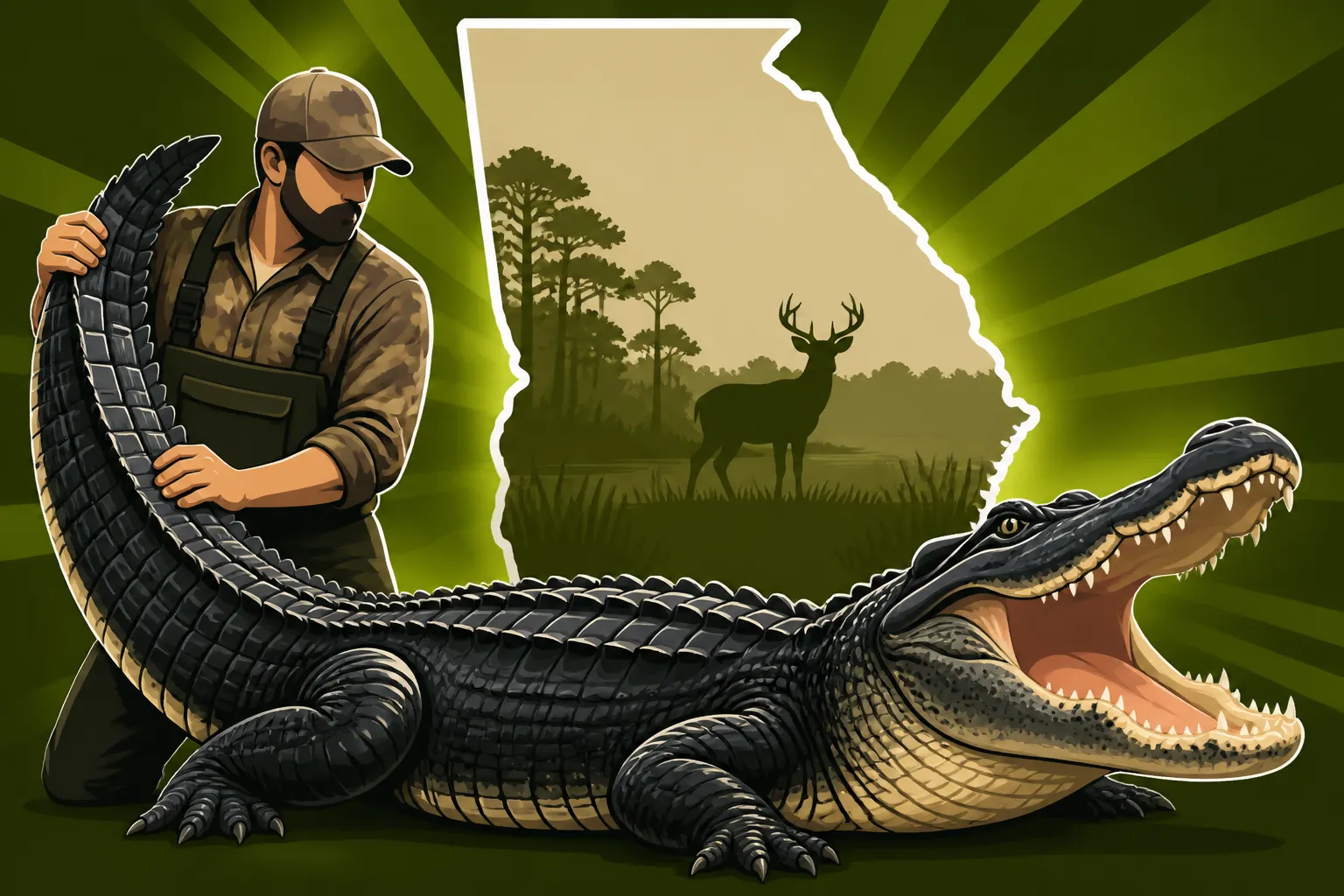
Georgia Record Alligator Length
Few things get a Georgia hunter's blood pumping quite like the thought of tangling with a true monster alligator. For many, just drawing an alligator quota hunt tag is a dream come true, but the real challenge begins when you're out there on the water, trying to spot a truly legal, substantial gator among the countless smaller ones. This guide is all about helping you understand what constitutes a significant alligator length in our state and what it means to chase down a truly record-setting animal, whether for the state books or just your own personal best.
Understanding Alligator Lengths and What "Record" Truly Means in Georgia
When we talk about alligator length, it's easy to get lost in the sheer numbers. Is a 9-footer big? What about a 12-footer? And what does "record" even signify in a state like Georgia? It’s not just about the absolute longest gator ever caught, but also about appreciating the sizes you’re likely to encounter and the legal requirements you need to adhere to.
Average Sizes Versus Legal Minimums
Most of the alligators you'll encounter in Georgia, especially in the more accessible waterways and marshes, are going to be in the 6 to 9-foot range. These are mature, healthy animals, and they present a fantastic hunting challenge. However, they're not necessarily the giants that grab headlines. Our state's alligator population is robust, particularly in the southern and coastal regions, and it’s managed carefully to ensure sustainability. You can learn more about American Alligators in Georgia in another one of our deep dives.
When it comes to hunting, the legal minimum length is crucial. Georgia has specific rules regarding the minimum size an alligator must be for it to be legally harvested. This isn't just a suggestion; it's a hard and fast rule designed to protect younger alligators and ensure a healthy breeding population. Currently, hunters are typically looking for alligators that measure a minimum of 48 inches (4 feet) in length. While this might seem small to someone dreaming of a truly massive gator, it's important to be able to accurately judge length in the field, often under challenging conditions like low light or from a distance across the water. Being able to correctly identify Spotting a Legal Forty-Eight-Inch Alligator is a skill that takes practice and experience, and it's absolutely vital for staying within the regulations and ensuring a successful hunt.
The Thrill of a Truly Big Gator
Now, let's talk about what most hunters are really after: a truly big gator. While the 4-foot minimum is easily met, the quest for a 10, 11, or even 12-foot alligator is where the real thrill and challenge lie. These animals are much older, wiser, and often inhabit more remote and difficult-to-access areas. They’ve survived countless seasons, avoided various dangers, and grown to impressive sizes by mastering their environment.
The sheer power of an alligator increases exponentially with its size. An 8-foot gator is strong, but a 12-foot gator is a whole different beast, capable of surprising speed and immense strength. The fight to secure and dispatch such an animal is intense and requires precise execution, the right gear, and a solid plan. For many, simply bringing in an alligator that breaks the 10-foot mark is a "personal record," a trophy that represents an incredible achievement. The official state record for an alligator in Georgia, as of this writing, stands at an awe-inspiring length. While specific numbers can change, this truly gargantuan gator highlights the potential for immense reptiles within our state's waters. It's a testament to the health of our alligator population and the rich ecosystems they inhabit. The pursuit of such a gator is what drives many hunters to apply year after year for one of the coveted quota hunt permits.
The Pursuit of a Trophy Alligator: Where Georgia's Giants Lurk
Finding and harvesting a truly record-class alligator in Georgia isn't a matter of luck alone; it's the result of diligent scouting, understanding alligator behavior, and knowing where to focus your efforts. These aren't just big animals; they are old, intelligent creatures that have honed their survival instincts over decades.
Identifying Prime Alligator Habitats
Georgia is blessed with a diverse range of habitats that support healthy alligator populations, but certain areas are known for producing larger, older specimens. Generally, the vast, wild, and less-pressured waters of South Georgia and the coastal plain are where you'll find the best opportunities for a true giant. Think large river systems, expansive cypress swamps, and vast freshwater marshes. Places like the legendary Okefenokee Swamp and the Altamaha River drainage are often discussed when trophy alligators come up. These environments offer abundant food sources, deep water, and dense cover that allows alligators to grow to impressive sizes without constant human disturbance. Understanding Where Georgia's Alligators Concentrate can give you a significant edge in your planning.
The remote nature of these habitats often means that the biggest gators have seen little to no human interaction, allowing them to reach their full potential. They'll have preferred basking spots, hidden channels, and deep holes where they can retreat. These aren't the gators you'll find lounging on golf courses or in suburban ponds; they are wilderness animals through and through. When researching your hunt, consider using tools like the GoHunt app to overlay public land boundaries with satellite imagery, helping you pinpoint these untouched areas where large gators might reside.
Scouting for the Elusive Big One
Once you've identified a promising region, the real work of scouting begins. This isn't just a casual drive-by; it's a dedicated effort to locate, observe, and pattern potential trophy alligators. Big gators, especially during the quota hunt season, can be incredibly elusive. They're often nocturnal or crepuscular (active at dawn and dusk), and they’re experts at using their environment for concealment.
Scouting often involves spending hours on the water, either by boat or canoe, slowly covering ground and looking for signs of large alligator activity. This includes looking for unusually large slides on banks, deep tracks, or distinct tail drags in muddy areas. Observing specific gators over multiple trips can help you gauge their size and behavior patterns. Are they consistent in their basking spots? Do they seem accustomed to boat traffic, or are they quick to dive? These observations are critical. Using night vision or thermal optics can be incredibly helpful for spotting larger gators after dark, as their eye shine will stand out. Remember, the goal is not just to find an alligator, but to find one that stands out for its size and potential as a trophy. For those pursuing a Georgia alligator quota hunt, this detailed pre-season work can significantly increase your odds of success. If you're serious about your hunt, you should definitely dive into the specifics of Applying for a Georgia Alligator Quota Permit to understand the process.
Measuring and Documenting Your Georgia Alligator
So, you've successfully harvested an alligator that you believe could be a true giant. The next crucial steps involve accurate measurement and proper documentation. This isn't just about bragging rights; it's about adhering to regulations and contributing to the valuable data that helps manage Georgia's alligator population.
Accurate Measurement Techniques
Getting an accurate length measurement of an alligator is paramount, both for legal compliance and for determining its true trophy status. The official measurement for a harvested alligator typically involves measuring the straight-line length from the tip of the snout to the tip of the tail. This means laying the alligator out straight and using a tape measure to get a precise figure.
It's common practice to measure multiple times to ensure accuracy, especially on a large, heavy animal that might not lie perfectly still. A common mistake is to measure along the curves of the body, which can artificially inflate the length. You need that straight-line measurement. If you're hunting with a partner, having two people verify the measurement is always a good idea. Take clear photographs of the measurement with the tape measure visible alongside the gator. These photos serve as excellent documentation and can be invaluable if there are any questions about the length. Remember, the rules regarding Minimum Legal Alligator Length in Georgia are strictly enforced, so knowing your gator's size is non-negotiable.
The Official Record-Keeping Process
While many hunters consider a large gator their personal record, a true state record requires official verification. Georgia’s wildlife resources division maintains records for various game species, and alligators are no exception. If you believe you have harvested an alligator that could challenge existing records, or simply want to ensure your impressive catch is acknowledged, there's a process to follow.
Typically, this involves contacting the appropriate wildlife agency officials as soon as possible after your harvest. They will often require an official measurement by a biologist or designated personnel. They might also check the animal's tag and harvest reporting information. It's crucial that all steps of the harvest, from securing the permit to the actual take and reporting, are conducted legally and ethically. Details on how and when to report your harvest are usually provided with your alligator tag.
Participating in the official record-keeping process isn't just about personal recognition; it's about contributing to the long-term understanding and management of our wild resources. The data collected from record animals provides valuable insights into the health, growth potential, and distribution of Georgia's alligator population. Make sure to consult the GoHunt website or the official state wildlife resources division for the most current procedures on reporting a potential record alligator.
Here's a quick reference for understanding alligator lengths in Georgia:
| Alligator Length Category | Typical Description | Significance for Hunters | Notes |
|---|---|---|---|
| Legal Minimum | 4 feet (48 inches) | The smallest size you can legally harvest. | Essential to correctly identify in the field to avoid violations. |
| Average Harvest | 6 to 9 feet | Common size for harvested alligators in Georgia. | Represents a mature, challenging animal. |
| Large Trophy | 10 to 11 feet | Considered a substantial trophy by most hunters. | Requires dedicated scouting and precise hunting tactics. |
| Record-Class | 12 feet and above (potentially pushing 14 feet) | Extremely rare, state record territory. | These are ancient, powerful animals; harvesting one is an exceptional achievement and a true test of skill. |
Beyond Length: What Makes a Georgia Alligator Truly Memorable
While the numbers on the tape measure are certainly exciting, the true value of an alligator hunt in Georgia extends far beyond the actual length of the animal. It's an immersive experience in some of the wildest parts of our state, a test of skill and patience, and a deep connection with nature.
The Challenge and Experience of the Hunt
Successfully hunting an alligator in Georgia is a profound challenge. It's not just about pulling a trigger; it’s a strategic endeavor that often involves navigating dense swamps, contending with heat and insects, and hours of patient observation. Whether you're bowfishing from a small boat under the cover of darkness or trying to harpoon a gator in a remote slough, the methods used are often intense and require a unique skillset. You might find yourself knee-deep in murky water, trying to get close enough for a clean shot, or engaging in a physical struggle to secure a powerful animal. Techniques like Bowfishing Tactics for Georgia Alligators require precision and steady hands, adding to the layers of complexity.
The hunt is physical, mental, and often happens in environments that truly test your limits. The unique nature of these hunts, which are often quota-based and involve specialized equipment, creates an unforgettable experience regardless of the size of the gator. Simply drawing a tag and embarking on the adventure is a victory in itself. The thrill of being out there, under the stars or in the early morning fog, listening to the sounds of the swamp, is a memory that lasts a lifetime. Even the act of Landing an Alligator From a Small Boat is a story in itself!
Respecting the Resource
Ultimately, a truly memorable alligator hunt is rooted in respect for the animal and the incredible ecosystem it calls home. Alligators are apex predators, vital to the health of Georgia's wetlands and rivers. Hunters play a crucial role in the management of this species, ensuring healthy populations by adhering to regulations and ethical hunting practices. When you harvest an alligator, it's not just about the size of the animal, but about utilizing every part of it, honoring the life taken.
From the delicious tail meat to the unique hide, alligators offer a rich bounty. This respectful approach is a cornerstone of responsible hunting and ensures that future generations will also have the opportunity to experience the thrill of an alligator hunt in Georgia. By understanding the regulations, putting in the effort, and approaching the hunt with reverence for the wild, any alligator you take, regardless of whether it breaks a state record or not, will be a trophy in its own right. Knowing the Georgia Alligator Season Opening Date and the specific regulations for your assigned zone are critical parts of showing that respect.
Disclaimer
This article is for general informational purposes only and does not constitute professional advice. Laws, prices and regulations vary by location and change over time. Consult a qualified professional for guidance on your specific situation.