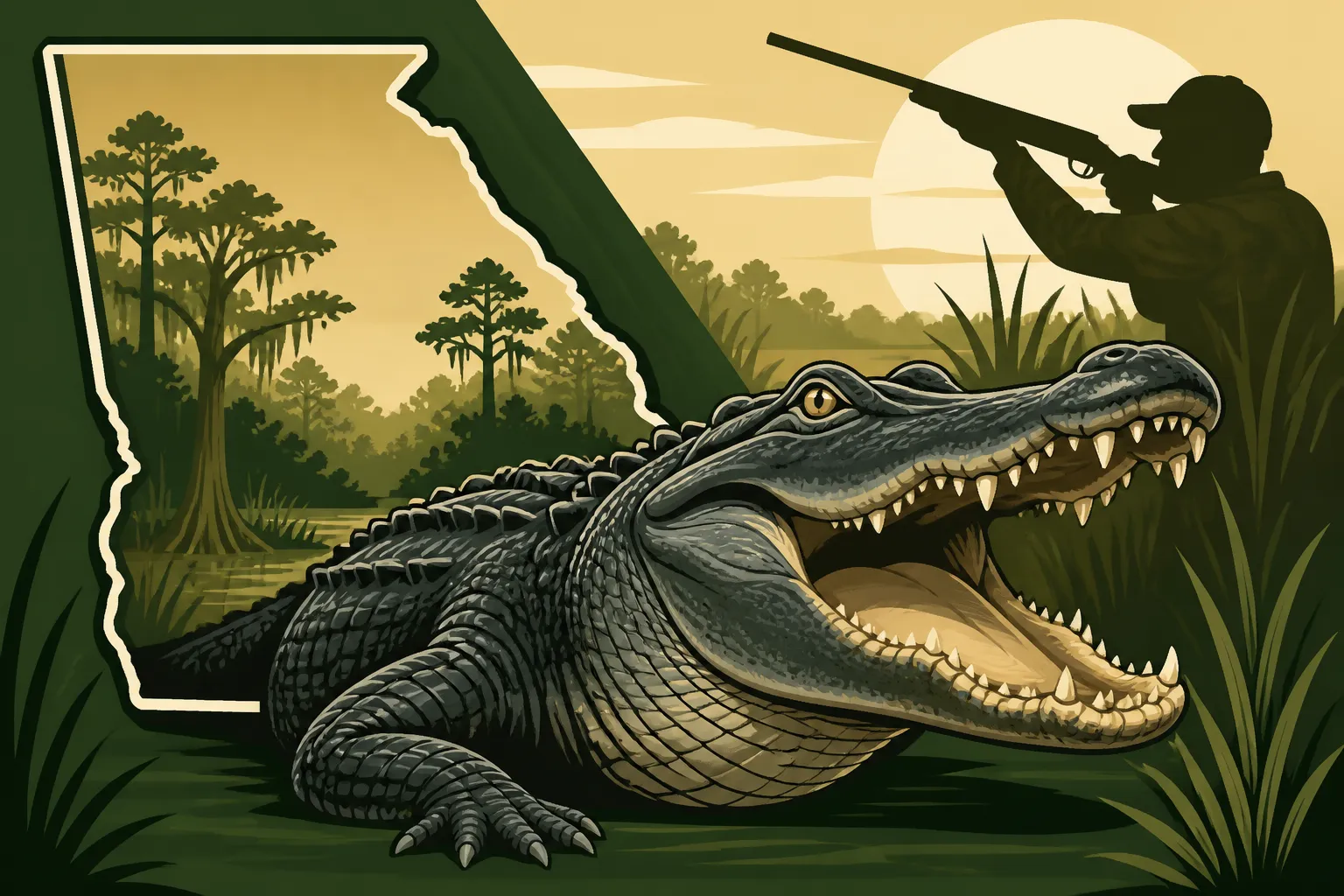
American Alligators in Georgia
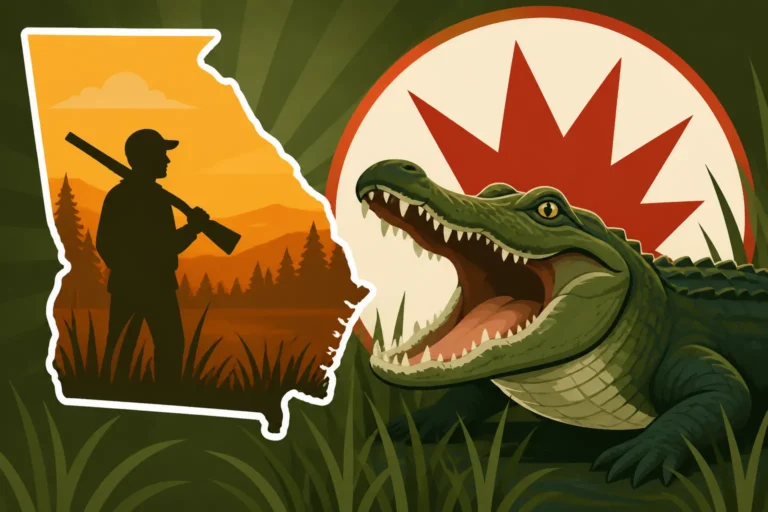
Dealing with the majestic American alligator in Georgia is a unique experience, whether you're a nature enthusiast hoping for a glimpse or a hunter keen on participating in the state's managed harvest. Many folks are fascinated, yet also a little intimidated, by these ancient reptiles, and it can be tough to sort out the myths from the facts, especially when it comes to understanding their behavior, their impact on the ecosystem, and the specific rules around their management. This comprehensive guide aims to shed light on everything you need to know about American alligators in Georgia, from their remarkable comeback story to safely coexisting with them and understanding the unique hunting opportunities available.
The American Alligator's Comeback Story in Georgia
It's hard to imagine now, but there was a time not so long ago when seeing an alligator in Georgia was a rare and concerning event. These incredible reptiles faced immense pressure from unregulated hunting and habitat destruction throughout the early to mid-20th century, pushing them to the brink. Their story in Georgia, however, isn't one of continued decline but rather a remarkable testament to successful conservation efforts.
From Near Extinction to Thriving Populations
For decades, the American alligator was listed under the Endangered Species Act, a clear indicator of just how dire their situation had become. Market hunting for their valuable hides and meat, coupled with the draining and development of their crucial wetland habitats, devastated their numbers across the Southeast, including right here in Georgia. Folks often hunted them without limits, viewing them more as a nuisance or a resource to exploit than a vital part of the natural world.
However, a shift in public perception and, more importantly, robust legal protections changed everything. The federal listing in 1967, combined with state-level conservation initiatives, provided the alligators the breathing room they desperately needed. Hunting was banned, and efforts began to protect and restore their wetland homes. This wasn't an overnight fix; it took decades of dedicated work from wildlife agencies and conservationists, but the results speak for themselves. The species rebounded so strongly that by 1987, the American alligator was delisted, a monumental success story in wildlife conservation. Today, Georgia boasts a healthy and robust alligator population, a true symbol of nature's resilience when given a chance.
Key Factors in Georgia's Alligator Resurgence
Several critical elements contributed to the alligator's dramatic recovery. Foremost among them was the strict prohibition of hunting, which allowed generations of alligators to mature and reproduce without significant human predation. This period of protection was absolutely essential for rebuilding their numbers. Another crucial factor was the preservation and restoration of their wetland habitats. Alligators depend on expansive freshwater and brackish marshes, swamps, rivers, and lakes, and efforts to protect these areas, often through public land acquisitions and conservation easements, were vital.
Georgia's unique landscape, with its vast coastal marshes, river floodplains, and the iconic Okefenokee Swamp, provided ideal conditions for their comeback once protections were in place. The state's warm climate and abundant water sources naturally support a thriving alligator population. Furthermore, state wildlife agencies, like the Georgia Department of Natural Resources (DNR), played a proactive role in monitoring populations, conducting research, and educating the public. This multi-pronged approach, encompassing legal protection, habitat conservation, and scientific management, laid the groundwork for the thriving alligator numbers we see today, ensuring that Georgia's ecosystems are richer for their presence.
Where Alligators Call Home in Georgia
If you've spent any time in the southern half of Georgia, particularly near water, chances are you've either seen or been very close to an alligator. They're not just confined to the deepest, most remote swamps anymore; their recovery means they've spread to many suitable habitats. Knowing where they tend to concentrate can help you appreciate them from a safe distance and understand their role in the environment.
Coastal Plain Strongholds and Inland Expansion
Historically, and still today, the densest populations of American alligators in Georgia reside within the vast expanses of the Coastal Plain. This region, characterized by its low elevation, slow-moving rivers, extensive wetlands, and proximity to the Atlantic Ocean, offers the perfect blend of freshwater and brackish environments that alligators thrive in. Think about major river systems like the Altamaha, Satilla, and St. Marys, their floodplains, and the thousands of acres of interconnected marshes, swamps, and ponds. These areas are truly alligator country, providing ample food, nesting sites, and refuge. The Okefenokee Swamp, of course, stands out as a premier alligator habitat, practically synonymous with these reptiles. If you're looking for a good chance to spot one, the vastness of the Okefenokee National Wildlife Refuge is an excellent bet.
However, with their population rebound, alligators have also expanded their range significantly. They're increasingly observed further inland, utilizing river systems and large impoundments in the Piedmont region. While not as densely populated as the coastal areas, sightings along the Ocmulgee River, for example, are becoming more common. They are highly adaptable creatures and can travel considerable distances overland, especially when young, seeking new territories. This expansion means that even residents in more suburban areas near suitable water bodies need to be aware of their potential presence. Understanding Where Georgia's Alligators Concentrate can certainly give you an edge when trying to spot them or simply being cautious around certain bodies of water.
Identifying Prime Alligator Habitats
Spotting prime alligator habitat isn't rocket science, but it does require a keen eye for what these creatures need. Generally, look for freshwater or brackish environments that offer a combination of open water for basking and hunting, dense vegetation for cover and nesting, and deep pockets for overwintering. Slow-moving rivers, large lakes, and man-made impoundments with plenty of shoreline vegetation are ideal. Ponds and canals, especially those connected to larger river systems, can also hold alligators. Often, the water itself might not look particularly inviting to humans – murky, tannic, or covered with duckweed – but to an alligator, it’s home.
Beyond the water, consider the surrounding landscape. Alligators need access to dry land for basking in the sun, which aids in digestion and thermoregulation. Sandy banks, logs, or floating mats of vegetation are common basking spots. They also require soft soil or sandy areas near water for nesting. The presence of these elements, even on a smaller scale like a secluded pond on private property, can indicate a potential alligator presence. Remember, these animals are highly opportunistic, so any body of water that can sustain them and offers reasonable cover could potentially host an alligator, especially in the southern two-thirds of the state.
Alligator Behavior and Ecology
Understanding the daily lives and ecological role of American alligators is crucial, whether you're observing them in the wild or participating in their regulated harvest. They are fascinating creatures, masters of their domain, and their behaviors are deeply tied to the rhythms of Georgia's wetlands.
Understanding Their Role as Apex Predators
American alligators sit firmly at the top of the food chain in many of Georgia's wetland ecosystems, acting as apex predators. This means they play a vital role in maintaining the health and balance of these environments. By preying on a variety of animals, from fish, turtles, and snakes to birds and small mammals, they help keep populations in check, preventing any single species from becoming overabundant. For instance, they're known to feed on gar and carp, which can sometimes outcompete other fish species in certain aquatic habitats.
Their presence also impacts the behavior of other animals. Many creatures instinctively avoid areas where large alligators are known to reside, which can create microhabitats where smaller species can thrive with less predation. When they dig gator holes in dry periods, these depressions can become crucial water sources for other wildlife, effectively acting as oases in times of drought. This makes them what ecologists call a "keystone species"—their impact on the environment is disproportionately large compared to their numbers, shaping the very structure of the wetland communities they inhabit. Their hunting efficiency and powerful jaws ensure that the weakest or sickest animals are often culled, contributing to the overall health and vigor of the prey populations.
Breeding Habits and Nesting Rituals
The alligator breeding season in Georgia typically kicks off in late spring, around April and May, with courtship rituals that involve bellowing, head-slapping, and elaborate underwater dances. These vocalizations, especially the deep, resonant bellows of males, are quite impressive and can carry for miles across still swamp waters. Once mating occurs, the female will build a substantial mound nest out of vegetation, mud, and debris, usually near water but on slightly higher ground to avoid flooding. This can be a very intense process, often taking several days of strenuous effort.
She lays an average of 30 to 50 eggs within this mound, which acts like a natural incubator. The decomposing vegetation generates heat, warming the eggs to the precise temperature needed for development. Fascinatingly, the temperature inside the nest determines the sex of the hatchlings, with cooler temperatures producing females and warmer temperatures producing males. The female remains vigilant near the nest throughout the incubation period, which lasts about 60 to 70 days, fiercely protecting it from predators like raccoons and other egg-eaters. Once the young alligators begin to peep from inside their eggs, she will excavate the nest, gently freeing them. These tiny, vulnerable hatchlings will then remain under her protection for several months, learning crucial survival skills in the shadowy backwaters.
Seasonal Movements and Dormancy
Alligator activity in Georgia fluctuates significantly with the seasons. During the warmer months, from spring through fall, they are most active. You'll see them basking in the sun, hunting, and generally moving around their territories. This is when food is abundant and temperatures are ideal for their cold-blooded physiology. As the temperatures begin to drop in late fall and early winter, alligators become much less active. They enter a state of brumation, which is similar to hibernation but specific to reptiles.
During brumation, their metabolism slows dramatically, and they often retreat into dens, known as gator holes, or simply settle into deeper waters, sometimes even sticking their snout above the water’s surface to breathe. These dens can be elaborate tunnels dug into the bank or just deeper parts of a pond or canal. They can endure periods of ice and cold, emerging only briefly on warmer winter days to bask if conditions allow. This ability to slow down and conserve energy is critical for their survival through Georgia's mild winters. They emerge in spring, ready to resume their active lives, a cycle that has been repeated for millions of years.
Living Alongside Georgia's Alligators
The presence of a healthy alligator population is a sign of a thriving wetland ecosystem, but it also means that people and alligators will inevitably cross paths. For anyone living near, working in, or recreating around Georgia's waterways, understanding how to safely coexist with these impressive reptiles is paramount.
Minimizing Risks in Alligator Country
While alligator attacks are extremely rare, they do happen, and it's always wise to exercise caution in areas where they reside. The golden rule is simple: give them space. Never approach an alligator, no matter its size, and certainly never feed one. Feeding alligators desensitizes them to humans and teaches them to associate people with food, leading to dangerous behaviors. This is, in fact, illegal in Georgia, and for good reason. If an alligator loses its natural fear of humans, it becomes a potential nuisance and a safety hazard.
When you're near water where alligators might be present, keep pets on leashes and away from the water's edge. Children should always be supervised. Swimming in natural waterways, especially at dawn, dusk, or night, significantly increases risk, as these are prime hunting times for alligators. Always check for signs that indicate alligator presence, such as warning signs posted by wildlife agencies. If you're fishing, properly dispose of fish scraps and entrails, as these can attract alligators to popular recreational spots. By being mindful and respectful of their space, we can significantly minimize the chances of a negative encounter.
Recognizing and Reporting Nuisance Alligators
Not all alligators are created equal in terms of their interaction with humans. A "nuisance alligator" is typically one that poses a threat to people, pets, or livestock, or is regularly seen in an inappropriate location (like a swimming pool or crowded public area). A large alligator simply basking on a distant bank is not a nuisance; it's just an alligator doing what alligators do. However, an alligator that repeatedly approaches people, actively stalks pets, or shows no fear of human presence might be considered a nuisance.
If you encounter an alligator that you believe is a genuine threat or is in an unusual place, it's crucial to report it to the Georgia Department of Natural Resources (DNR) immediately. They have trained alligator agents who can assess the situation and, if necessary, remove the animal. Never attempt to capture or harass an alligator yourself, as this is extremely dangerous and illegal. The DNR maintains a hotline for such situations, ensuring that any potential threats are handled by professionals. Understanding Why Alligator Nuisance Calls Rise in Summer can also help manage expectations and reactions, as increased activity in warmer months often leads to more sightings and, consequently, more calls. If you ever need to report one, knowing how to approach Reporting a Nuisance Alligator in Georgia is key to a safe and effective resolution.
Georgia's Alligator Hunting Program
With the remarkable comeback of American alligators, Georgia, like many other southern states, has implemented a highly regulated hunting program. This isn't just about providing recreational opportunities; it's a critical component of modern wildlife management, helping to maintain healthy alligator populations while addressing potential human-alligator conflicts.
The Philosophy Behind Alligator Management
The decision to re-establish alligator hunting was not taken lightly. It's rooted in sound wildlife management principles that recognize a sustainable harvest as a tool for population control, economic benefit, and public safety. When alligator populations reach a certain density, they can sometimes over-utilize resources, impact other wildlife, or increase nuisance complaints in certain areas. A managed hunting program allows wildlife agencies to strategically remove a certain number of alligators each year, often targeting larger individuals that are more prone to causing issues.
The Georgia DNR’s approach to alligator management is science-based, ensuring that the harvest is sustainable and does not negatively impact the overall health or genetic diversity of the alligator population. This is achieved through strict quotas, specific hunting seasons, and designated hunting zones. The revenue generated from licenses and tags also contributes directly to conservation efforts, funding research, habitat restoration, and enforcement. It's a testament to the success of conservation that we can now enjoy the opportunity to hunt these incredible animals, knowing it's part of a carefully balanced management plan.
Navigating the Georgia Alligator Quota Hunt Rules
Participating in Georgia's alligator hunt isn't like heading to the woods for deer season; it's a highly specialized and regulated opportunity. The Georgia DNR manages the alligator harvest through a quota hunt system, meaning only a limited number of permits are issued each year for specific zones. This ensures that the harvest remains sustainable and targeted. Before you even think about gearing up, you need to understand the detailed Georgia Alligator Quota Hunt Rules.
The season itself is relatively short, typically running for a few weeks in the fall, allowing hunters to target alligators during a period of moderate activity before brumation. Hunters are assigned to specific geographic zones, and each zone has its own quota based on population estimates and management goals. The regulations are very precise, dictating legal hunting methods (harpoon, snatch hook, bowfishing, and bangstick for dispatch), legal hours (typically night hunting is allowed), and, critically, a minimum size requirement—alligators must be at least 48 inches in length. This minimum length helps protect younger, breeding-age alligators and focuses the harvest on more mature individuals. It's a complex system, but designed to be effective and responsible.
Applying for an Alligator Quota Permit
The journey to hunting an alligator in Georgia begins long before the season opens, with the application process for a quota permit. This is a competitive draw, as the demand often far exceeds the number of available permits. You'll need a valid Georgia hunting license and a big game license to even apply. The application period typically opens in late spring or early summer, and you submit your application through the Georgia DNR’s licensing system, often accessible via their "Go Outdoors Georgia" platform or similar online portals. When applying, you'll select your preferred hunting zones, increasing your chances by choosing zones you're willing to hunt, even if they're not your top choice. Tools from GoHunt can be invaluable in researching potential hunting zones, offering insights into terrain, access points, and past harvest data, which can inform your application strategy.
It's a waiting game after you apply, as the DNR conducts a random draw for the permits. If you're lucky enough to be drawn, you'll be notified and will then need to purchase your alligator tag. This tag is unique and corresponds to your assigned zone. Understanding the Georgia Alligator Application Deadline is critical, as missing it means missing out on the entire season. The number of permits issued, detailed in How Many Georgia Alligator Permits Are Issued, directly reflects the DNR's ongoing assessment of the alligator population and management objectives for each zone. It's not just about drawing a tag; it's about being prepared, researching your zone, and having the right equipment for a successful and ethical hunt.
Here's a quick look at the typical quota hunt structure:
| Category | Description |
|---|---|
| Eligibility | Valid Georgia hunting license + big game license required. Residents and non-residents can apply. |
| Application Period | Typically late spring/early summer (e.g., June-July). |
| Application Method | Online via Georgia DNR licensing system or authorized vendors. |
| Quota System | Limited permits issued per designated zone. Applicants choose preferred zones. Preference points may be accrued for unsuccessful applicants in some years. |
| Season Dates | Usually a few weeks in late summer/early fall (e.g., mid-August to early October), varying slightly by zone. Consult current regulations for exact dates. |
| Legal Length | Minimum 48 inches total length (snout to tip of tail). |
| Legal Methods | Harpoon, snatch hook, bow, crossbow, gig, snare. Alligators must be restrained and brought to the boat before dispatch with a bangstick or legal firearm (typically .22 rimfire to the brain). No free-ranging shooting allowed. |
| Bag Limit | One alligator per permit holder per season. |
| Reporting | Mandatory harvest reporting via Georgia Game Check system within 24 hours. |
Ethical Harvesting and Processing
Successfully drawing an alligator tag and locating a legal animal is just the beginning of the journey. The next critical steps involve the ethical harvest of the alligator and the careful processing of its meat and hide. These aspects demand respect for the animal, adherence to regulations, and practical skills to ensure nothing goes to waste.
Shot Placement and Recovery Techniques
Ethical alligator hunting emphasizes a quick, clean harvest. Once an alligator is located and brought within range, the primary method for dispatch is typically a bangstick or a small-caliber firearm (like a .22 rimfire) aimed at the brain. The brain is quite small and located at the back of the head, behind and between the eyes. Precise shot placement is absolutely critical to ensure an instantaneous and humane dispatch. Missing this vital area can result in a prolonged struggle for the animal and increased risk for the hunter. This isn't a situation for a hurried shot; patience and precision are paramount.
Recovery techniques vary depending on the hunting method. If using a harpoon or snatch hook, the alligator is first subdued and brought alongside the boat. Once dispatched, the alligator's powerful body can still be quite dangerous, even in death, due to involuntary muscle contractions. Securing the animal quickly and safely is essential. Alligators are extremely dense and will sink once dead, so a strong line attached to the harpoon or hook is necessary to prevent losing the animal in the depths. This is where tools from GoHunt, if they offer gear reviews or checklists, might recommend specific rope types or buoys for effective recovery. Successfully executing these steps requires calm nerves, experience, and careful planning, as Landing an Alligator From a Small Boat can be quite a challenge.
Field Dressing and Meat Preservation
After a successful harvest, the real work of processing begins. Alligator meat is highly prized, often compared to chicken or pork, and requires careful field dressing to ensure its quality. The first step is to bleed the animal thoroughly. This usually involves making a cut to sever major blood vessels. Then, the alligator should be transported to a suitable area for skinning and butchering as quickly as possible, especially in Georgia's often warm temperatures, to prevent spoilage.
The meat is primarily found in the tail, jaws, and legs. The tail meat, often called "alligator tenderloin," is particularly sought after. Skinning an alligator is a labor-intensive process, and many hunters opt to take their harvest to a professional processor, particularly if they intend to utilize the hide for leather. If processing at home, sharp knives and a clean workspace are essential. The meat should be chilled rapidly, ideally on ice, and then cut into desired portions. Proper preservation, whether through refrigeration, freezing, or even smoking, is key to enjoying the bounty of a successful alligator hunt. Nothing should go to waste; the meat, hide, and even some organs can be utilized, embodying the respect for the animal shown throughout the hunt.
Alligator Conservation and Future Outlook
While Georgia's alligators have made an incredible comeback, their future still requires diligent management and ongoing conservation efforts. The success story isn't a reason to become complacent but rather a blueprint for continued stewardship.
Monitoring Populations and Habitat Health
The Georgia DNR remains committed to continuously monitoring alligator populations across the state. This involves regular surveys, habitat assessments, and data collection from harvested animals. Scientists use various methods, from aerial counts in suitable habitats to spotlight surveys at night, to estimate population numbers and track trends in different regions. This data is absolutely crucial for making informed management decisions, such as adjusting quota hunt numbers or identifying areas that might need additional habitat protection. Without this ongoing scientific oversight, it would be impossible to ensure the long-term sustainability of the alligator population.
Beyond population numbers, monitoring the health of their wetland habitats is equally vital. Alligators are indicator species; a healthy alligator population often signifies a healthy wetland ecosystem. Factors like water quality, habitat fragmentation, and the presence of invasive species can all impact alligator well-being. Conservation efforts extend to protecting and restoring wetlands, ensuring clean water sources, and managing human development in sensitive areas. These efforts benefit not just alligators but countless other species that rely on Georgia's rich aquatic environments.
Addressing Future Challenges
Despite their remarkable recovery, Georgia's alligators face ongoing and emerging challenges. Perhaps the most significant is continued habitat loss and degradation due to human development. As Georgia's population grows, wetlands are sometimes drained or altered, fragmenting alligator habitat and increasing human-alligator conflicts. Climate change also presents a potential long-term threat, with rising sea levels potentially impacting coastal brackish marshes and altered precipitation patterns affecting freshwater wetlands. These changes could disrupt nesting success and food availability.
Another challenge lies in public perception and education. While many appreciate alligators, some still view them with fear or misunderstanding, leading to conflicts or calls for unnecessary intervention. Continued education about alligator behavior, responsible coexistence, and the benefits of their presence is essential. The Georgia DNR and other conservation organizations are working to address these issues through strategic land acquisition, habitat restoration projects, public awareness campaigns, and adaptive management strategies. Ensuring the future of American alligators in Georgia means balancing human needs with the needs of these magnificent creatures, a task that requires ongoing vigilance and collaboration.
Disclaimer
Hunting is an inherently risky activity. Always prioritize safety, follow all local, state, and federal laws, and ensure you have the proper licenses and landowner permissions. The information provided here is for general guidance and educational purposes only and should not be considered legal advice. Regulations can change, so always consult the most current Georgia Department of Natural Resources (DNR) regulations and guidelines before planning any hunting trip.