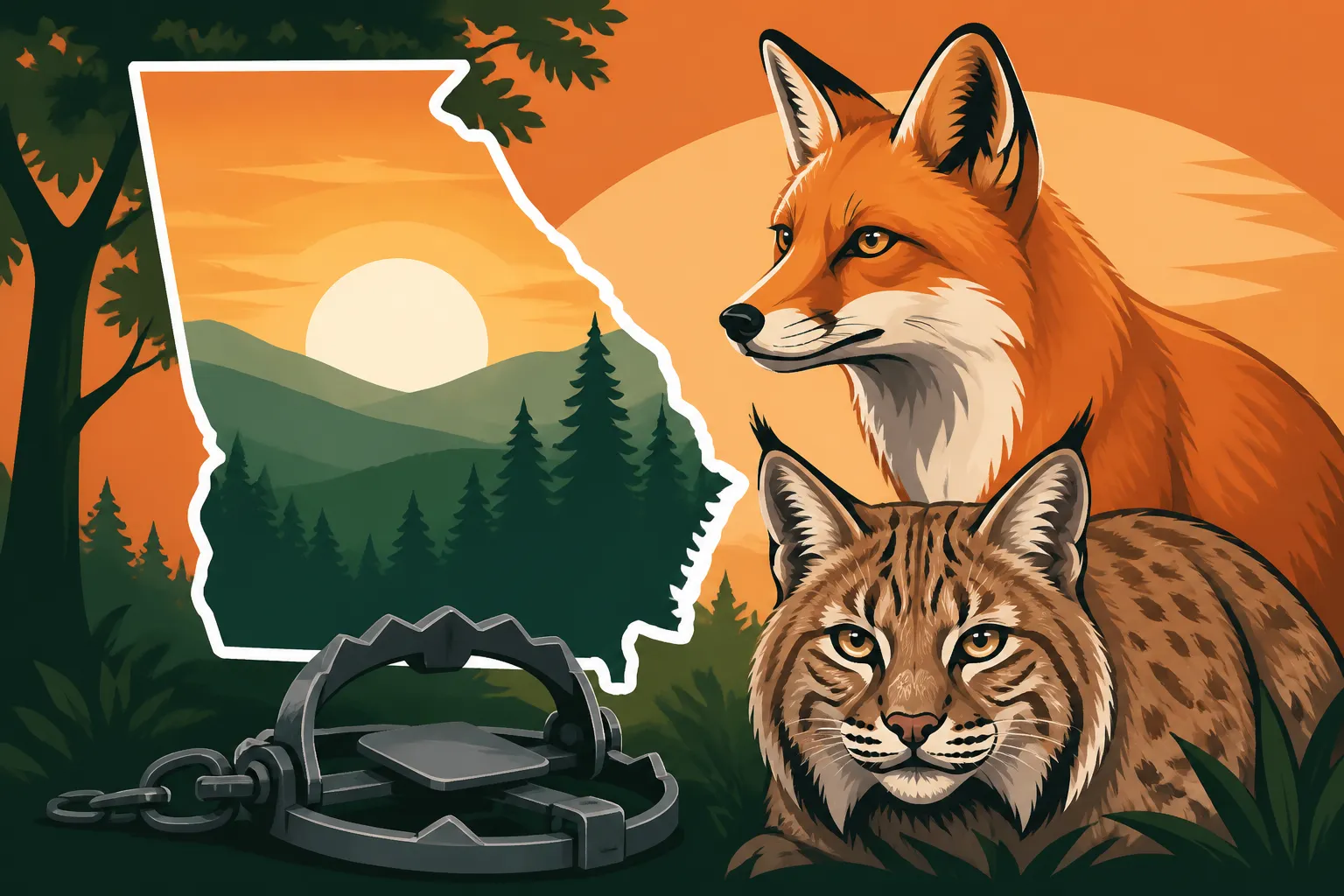
Georgia Fox and Bobcat Trapping Season
Many folks in Georgia, whether seasoned outdoors enthusiasts or those just looking to get involved in wildlife management, often find themselves navigating a maze of questions when it comes to trapping furbearers like foxes and bobcats. Understanding the specific regulations, effective techniques, and ethical considerations can feel overwhelming, especially if you're aiming to do things correctly and legally. This comprehensive guide is designed to cut through that confusion, providing you with detailed, actionable information on Georgia's fox and bobcat trapping season, from licensing to successful set building and fur handling.
The Role of Fox and Bobcat Trapping in Georgia's Ecosystem
Trapping foxes and bobcats in Georgia isn't just a recreational pursuit; it plays a vital role in maintaining ecological balance and can even offer economic opportunities. These animals are integral parts of our state's wild landscape, but their populations, like any other, benefit from thoughtful management.
Population Management and Ecosystem Balance
Foxes, both red and gray, along with bobcats, are highly adaptable predators found throughout Georgia, from the mountain regions down to the coastal plain. While fascinating creatures, their populations can, at times, become overabundant in certain areas, leading to increased predation on smaller game species such as quail, turkeys, and even fawns. For landowners, especially those managing for robust turkey or deer populations, judicious predator control can be a key component of their overall wildlife management plan. This isn't about eradication, but rather about striking a balance that allows all species to thrive.
Trapping can selectively remove individuals from areas where they might be having a disproportionate impact on other wildlife, helping to alleviate pressure on prey species. For instance, in areas where Georgia Turkey Population Trends have seen declines, or where deer fawn survival rates are a concern, a targeted trapping effort can contribute to the recovery and health of those prey populations. Furthermore, healthy furbearer populations themselves are a sign of a thriving ecosystem. Trappers, often with a deep understanding of local wildlife dynamics, provide a valuable service by helping to monitor and manage these populations, contributing to conservation efforts in ways that hunting alone might not address. It’s a hands-on approach to stewardship that benefits the broader natural community.
Economic Opportunities for Trappers
Beyond the ecological benefits, trapping furbearers like fox and bobcat has historically provided, and continues to provide, economic opportunities for individuals. The fur trade, though it has seen its ups and downs, still exists and allows trappers to generate income from their efforts. Properly handled and prepared furs can be sold at fur auctions, to private buyers, or even crafted into various goods. This direct connection to the market gives trappers a tangible return on their investment of time, skill, and resources.
For many, trapping is a way to supplement their income, especially during the colder months when other outdoor activities might be limited. The revenue generated can help offset the costs of equipment, licenses, and fuel, making the pursuit more sustainable. Furthermore, the skills developed in trapping – understanding animal behavior, land navigation, and precise outdoor craftsmanship – are valuable in their own right. It's not just about the monetary gain; it's about connecting with a heritage, honing expertise, and participating in a traditional form of resource utilization that has been part of Georgia's history for centuries. When you consider the effort involved in Running a Trapline in Rural Georgia, the potential for a decent return on investment for quality furs is a strong motivator.
Navigating Georgia's Trapping Regulations
Before you even think about setting a trap, understanding Georgia's specific regulations for fox and bobcat trapping is absolutely paramount. The rules are in place to ensure ethical practices, sustainable populations, and public safety. Ignorance of the law is never an excuse, and violations can lead to serious consequences, including fines and loss of trapping privileges.
Licensing and Permits
In Georgia, anyone engaging in trapping activities for furbearers, including foxes and bobcats, must possess a valid trapping license. This isn't just a suggestion; it's a legal requirement. Generally, a Georgia Resident Hunting License is a prerequisite, and then you add a trapping license to that. Non-residents also have specific licensing requirements which can differ in cost and options. It’s critical to get the right license for your situation. You can usually purchase these licenses through the Georgia Department of Natural Resources (DNR) website, through authorized license vendors across the state, or by phone.
The exact cost and duration of these licenses can vary, so it’s always best to check the current year’s regulations on the Georgia DNR website or through their "Go Outdoors Georgia" platform. For instance, a basic trapping license might be valid for a full season, but sometimes there are specific permits needed for certain areas or species. Ensure you have your physical license or a digital copy accessible on your phone at all times while trapping. For a full breakdown of requirements, checking out Georgia Trapping License Requirements is highly recommended. It’s also good practice to understand all your options, even beyond trapping, by looking into Georgia Resident Hunting License Options if you're already a hunter.
Season Dates and Legal Trap Types
Georgia has very specific trapping seasons for furbearers like fox and bobcat. These seasons are set by the Georgia DNR to ensure the sustainability of the populations and to allow trappers to harvest animals when their fur is prime (typically in colder months). For most of Georgia, the fox and bobcat trapping season generally runs from December through February, but these dates can shift slightly year to year and may vary by specific zone or WMA. Always confirm the exact opening and closing dates for the current season before setting any traps.
When it comes to trap types, Georgia regulations are quite clear. Only certain types of traps are legal for furbearers, and there are strict rules about their placement and setting. Generally, foothold traps and snares are permitted, but there are specific size limits and design requirements. For example, snares must be equipped with a breakaway device and a stop to prevent them from closing too tightly. Conibear traps (body-gripping traps) are heavily restricted and generally only allowed in water sets, often requiring the trap to be completely submerged. Cage traps are legal but often less effective for wary foxes and bobcats.
It's also illegal to set any trap within 10 feet of a public road, and any traps set on land not owned by the trapper must have the landowner's written permission. Understanding these nuances is crucial to avoid legal trouble. Remember, failure to adhere to these rules can result in severe penalties as outlined in Georgia Wildlife Violation Penalties.
Here's a quick reference table for common Georgia furbearers and their general characteristics relevant to trapping:
| Species | Avg. Weight (lbs) | Preferred Habitat | Common Diet | Trap Size/Type Considerations |
|---|---|---|---|---|
| Red Fox | 7-15 | Open woodlands, farmlands | Rodents, rabbits, birds, fruit | Smaller foothold traps (#1.5 coilspring), cage traps, snares (with stops) |
| Gray Fox | 7-13 | Dense woods, swamps, brushy areas | Rodents, rabbits, birds, insects | Smaller foothold traps (#1.5 or #1.75 coilspring), snares |
| Bobcat | 15-30 | Dense cover, swamps, rocky areas | Rabbits, rodents, birds, deer fawns | Larger foothold traps (#1.75 to #2 coilspring), snares |
| Coyote | 20-50 | Highly adaptable, widespread | Rodents, rabbits, deer, domestic animals | Medium to large foothold traps (#1.75 to #3 coilspring), snares |
Note: This table provides general guidance. Always refer to current Georgia DNR regulations for specific legal trap types, sizes, and setting requirements.
Checking and Reporting Requirements
Responsible trapping extends beyond just setting legal traps during the season. Georgia regulations also mandate how often you must check your traps and what reporting obligations you have. All traps, regardless of the species you're targeting, must be checked at least once every 24 hours. This is an ethical standard to minimize animal suffering and ensure humane handling. When you check your traps, you're expected to remove any animals caught and reset or remove the trap as needed. This daily check is non-negotiable and highlights the commitment required from trappers.
While there aren't typically individual harvest reporting requirements for foxes and bobcats similar to what you'd see for deer or turkeys (e.g., Georgia Deer Harvest Reporting Rules or Georgia Turkey Checking Requirements), it's crucial to stay informed about any new or changing regulations. The Georgia DNR continuously monitors wildlife populations and may introduce new reporting mechanisms or surveys to better understand furbearer health and harvest pressure. Using tools like the "Go Outdoors Georgia" app or frequently checking the DNR website will keep you abreast of any updates. Additionally, if you encounter any sick or unusual-looking animals in your traps, it's vital to report them to the Georgia DNR immediately. This contributes to Georgia Wildlife Disease Monitoring efforts and helps prevent the spread of illnesses, as detailed in Reporting a Sick Animal in Georgia. Staying compliant ensures not only your legal standing but also contributes to the health and sustainability of Georgia's wildlife resources.
Practical Approaches to Trapping Fox and Bobcat
Successful trapping of foxes and bobcats in Georgia requires more than just knowing the rules; it demands an understanding of animal behavior, habitat, and meticulous attention to detail in your trap sets. Whether you're targeting a cunning fox or an elusive bobcat, each species presents its own unique challenges and rewards.
Understanding Fox Behavior and Habitat
Both red and gray foxes are intelligent and wary animals, making them a significant challenge for any trapper. Red foxes tend to favor more open country, like agricultural fields, pastures, and open woodlands, often where you might find Hunting Piedmont Farmland Deer. They're more likely to travel along field edges, fence lines, and sparse cover, relying on their keen senses of smell and hearing. Gray foxes, on the other hand, prefer denser, more rugged terrain, including heavy timber, swamps, and brushy areas – places where you might be Hunting Georgia Swamp and River Bottom Deer. They are also unique among canids for their ability to climb trees, an adaptation that helps them escape predators and access food.
When scouting for foxes, look for scat, tracks (which are typically more oval and symmetrical than a domestic dog's), and den sites. In areas with good sign, you can start planning your sets. Fox sets often include "dirt hole" sets, which mimic a small animal's cache, or "flat sets," which imitate a natural curiosity spot. Scent is incredibly important; using good quality fox urine, gland lures, and food-based attractants can draw them in. Setting your traps in natural travel corridors, along pinch points, or near existing game trails can significantly increase your success rate. Remember that foxes are incredibly sensitive to human scent and unnatural disturbances, so keeping your gear clean and minimizing your footprint at the set location is paramount. Tools like the Georgia Outdoors Map Tool can be invaluable for identifying potential travel routes and cover types, helping you scout more efficiently.
Key Considerations for Bobcat Trapping
Bobcats are masters of stealth and blend seamlessly into their surroundings, often making them harder to trap than foxes. They prefer thick, heavy cover, rocky outcrops, dense woods, and swampy areas, places where they can move unseen. Their diet consists mainly of rabbits, rodents, and birds, but they are opportunistic predators and will take fawns or other small game. When looking for bobcats, search for their distinctive tracks (no claw marks typically visible, rounded toe pads), scat, and scratch posts, which they use to mark territory. Understanding Why Southwest Georgia Grows Big Bucks might also give you clues to areas with dense cover and healthy prey populations that attract bobcats.
Bobcat sets often rely on visual attractants in addition to scent. "Cubby sets," which involve a small structure (natural or man-made) with bait inside and a trap at the entrance, are highly effective. "Dirt hole" sets can also work, but generally need to be scaled up slightly from a fox set. Good bobcat lures include catnip-based attractants, beaver castor, and meat baits like rabbit or bird. Unlike foxes, bobcats are sometimes drawn to a visual trigger like a feather or shiny object hanging above the set. Location is everything: focus on natural funnels, points where game trails converge, rocky areas, and the edges of thickets where bobcats might naturally travel. Since bobcats are often solitary and cover large territories, finding that perfect location can take extensive scouting. Using satellite imagery or apps like GoHunt can help you identify these "pinch points" and areas of dense cover before you even step foot in the woods. Always be mindful of property lines when setting traps, as Finding Georgia Property Lines is critical to avoid trespassing issues.
Effective Set Types and Lure Strategies
Developing an arsenal of effective set types and understanding lure strategies is what separates consistent trappers from those who get lucky. For both foxes and bobcats, the goal is to make the trap blend seamlessly into the environment, appearing as a natural part of the landscape.
Dirt Hole Sets: These are perhaps the most common and versatile sets. You dig a hole, typically 4-6 inches deep and at an angle, representing where a small animal might have buried food or left scent. The trap is buried level with the ground directly in front of the hole, about 6-8 inches away, and carefully camouflaged. Bait (like tainted meat or commercial paste bait) is placed in the hole, and a small amount of gland lure or urine is applied around the lip of the hole or on nearby vegetation to draw the animal's attention. For foxes, a #1.5 or #1.75 coilspring foothold trap works well. For bobcats, you might step up to a #1.75 or #2 coilspring for better holding power. The key is perfect trap bed preparation, ensuring there's no movement or unnatural feel under the animal's foot.
Flat Sets: Less intrusive than dirt holes, flat sets capitalize on a furbearer's natural curiosity. You find a natural object like a clump of grass, a log, or a rock, and carefully bed your trap beside it. Lure is placed on the object or near the trap. The idea is that the animal investigates the object, steps on the trap pan, and is caught. These work well for both foxes and bobcats in areas where a strong visual attractor isn't needed or where terrain makes a dirt hole difficult. Again, scent control and perfect blending are crucial.
Cubby Sets: Primarily for bobcats, a cubby set uses an enclosure. This can be a natural hollow log, a small rock cave, or a man-made structure of sticks and brush. Bait (like a piece of rabbit or beaver meat) is placed deep inside the cubby, forcing the bobcat to enter. A trap is then set at the entrance, carefully camouflaged. The cubby itself provides visual appeal, and the enclosed space makes the bobcat feel more secure. Often, a "flag" of feathers or fur can be hung above the entrance to draw the bobcat's eye from a distance. A good cubby also protects the bait from birds and other non-target animals.
Lure and Bait Selection:
- Foxes: Respond well to food-based baits (fish, meat scraps, tainted beaver meat), canine gland lures, and fox urine. Synthetic lures that mimic mouse or rabbit distress calls can also be effective.
- Bobcats: Prefer stronger, musky lures like beaver castor, bobcat urine, and often a touch of catnip. Meat baits like rabbit, beaver, or even small bird carcasses are excellent. Visual appeal with feathers or reflective material can be a strong draw.
Regardless of the set, scent control is paramount. Wear clean gloves, use wax-free trap components, and try to leave as little human scent as possible at the set location. Traps should be dyed and waxed to prevent rust and help them blend into the natural environment. Also, consider the weather – rain can wash away lures, and freezing temperatures can inhibit trap function, so adapt your sets and checking routine accordingly. Leveraging mapping applications like those offered by GoHunt, which often have satellite imagery and topography layers, can help you visualize these natural funnels and ideal set locations from home, saving valuable time in the field.
Post-Harvest: From Fur to Market
The process doesn't end once you've successfully trapped a fox or bobcat. The steps you take immediately after the catch, particularly in preparing the fur, are critical to maximizing its value and ensuring you honor the animal.
Proper Skinning and Fur Preparation
The quality of your fur preparation directly impacts its market value. A poorly skinned or handled fur will fetch a much lower price, regardless of the quality of the animal itself. The goal is a clean, well-fleshed, and properly dried pelt.
First, skinning should be done carefully to avoid cuts or holes in the hide. Both foxes and bobcats are typically skinned "cased," meaning the hide is peeled off like a sock, leaving it in a tube shape. Start by cutting around the front legs and hind legs, then carefully separate the hide from the carcass, paying close attention around the ears, eyes, and mouth. The tail is often left on for foxes but may be removed for bobcats depending on market preference. Once skinned, the hide will have a layer of fat and muscle tissue attached, which needs to be removed in a process called fleshing. This is crucial for proper drying and preventing spoilage. A fleshing beam and a fleshing knife are invaluable tools for this task, allowing you to scrape away all residual fat and meat without damaging the hide.
After fleshing, the pelt needs to be stretched on a proper stretcher board, fur-side in. This shapes the pelt and allows for even drying. Ensure the pelt is stretched taut but not over-stretched, which can thin the fur. Finally, the pelt must be dried in a cool, dark, well-ventilated area, away from direct sunlight or heat, which can damage the fur. Airflow is key to prevent bacterial growth and ensure consistent drying. Depending on humidity and temperature, drying can take anywhere from a few days to a couple of weeks. When fully dry, the pelt should feel stiff and paper-like. Proper preparation ensures that you're presenting a high-quality product ready for sale.
Understanding Fur Market Dynamics
The fur market is subject to global trends, fashion demands, and economic factors, meaning prices for fox and bobcat furs can fluctuate significantly from year to year. Understanding these dynamics is essential if you plan to sell your furs. Bobcat furs generally command higher prices than fox furs, especially large, well-marked pelts with good belly spots. Red fox furs are also sought after, particularly those with good color and density, while gray fox furs typically fetch less.
To get the best price, your furs must be consistently high quality, clean, and meticulously prepared. Many trappers sell their furs through regional fur auctions held by various trapping associations, where buyers from around the world may bid. Alternatively, you can sell directly to private fur buyers or tanneries, though prices might differ. Keeping up-to-date on market forecasts and average prices for the current season can help you manage expectations. Groups like the Georgia Trappers Association often provide information on market trends and upcoming auctions. Building relationships with buyers and understanding what they look for in a quality pelt can also give you an advantage. Ultimately, the fur market rewards skill, patience, and a deep respect for the resource, ensuring that your efforts in the field translate into value both in monetary terms and in the satisfaction of a job well done.
Disclaimer
The information provided in this guide is for general informational purposes only and does not constitute legal advice. Trapping regulations are subject to change, and it is the individual trapper's responsibility to review and comply with all current federal, state, and local laws and regulations before engaging in any trapping activities. Always consult the official Georgia Department of Natural Resources (DNR) rules and regulations for the most up-to-date and accurate information.