How Close a Georgia Mentor Must Stay
Heading into the Georgia woods with an aspiring hunter is one of life's true joys, but navigating the rules for apprentice hunters can feel like trying to untangle a stubborn fishing knot. A common question that pops up, and one that's absolutely critical for safety and compliance, is just how close a mentor needs to stay. This guide will break down Georgia's regulations and offer practical advice to ensure you and your apprentice have a safe, legal, and successful experience afield.
Understanding Georgia's Apprentice Hunter License and Supervision Rules
Taking someone new into the field is a big responsibility, and Georgia’s wildlife regulations reflect that. The state offers an Apprentice Hunter License specifically designed to allow new hunters, especially those who haven't completed hunter education yet, to gain hands-on experience under the watchful eye of an experienced mentor. This program is fantastic for getting folks started, but it comes with very specific rules about supervision that you absolutely need to understand.
The Apprentice Hunter License Defined
First, let's clarify what an apprentice license is. In Georgia, it's a special permit that allows an individual, regardless of age, to hunt without first completing the mandatory hunter education course. This is a game-changer for many, allowing them to try hunting to see if they like it before committing to the full course. However, the trade-off for this convenience is that the apprentice hunter must be directly supervised by a licensed, experienced adult hunter who is at least 18 years old. This isn't just a suggestion; it's a legal requirement, and ignoring it can lead to fines and other penalties. It’s important to know the full range of Georgia Apprentice Hunter License Rules when planning your outing.
The beauty of the apprentice license is its accessibility. Maybe you've got a teenager who's expressed interest but isn't sure about committing to a weekend hunter education course just yet. Or perhaps a friend wants to join you for a dove hunt but hasn't had the time to get certified. The apprentice license provides that crucial first step. It lets them get a taste of what hunting is all about, from learning about target acquisition to understanding ethical shot placement, all under expert guidance. Just make sure your apprentice has their license in hand, along with any other necessary permits, as officers do check. For a comprehensive look at what's required, you can check out details on Georgia Hunter Education Requirements and other license options like Georgia Hunting Licenses and What They Cost.
Direct Supervision and Immediate Proximity: What the Law Says
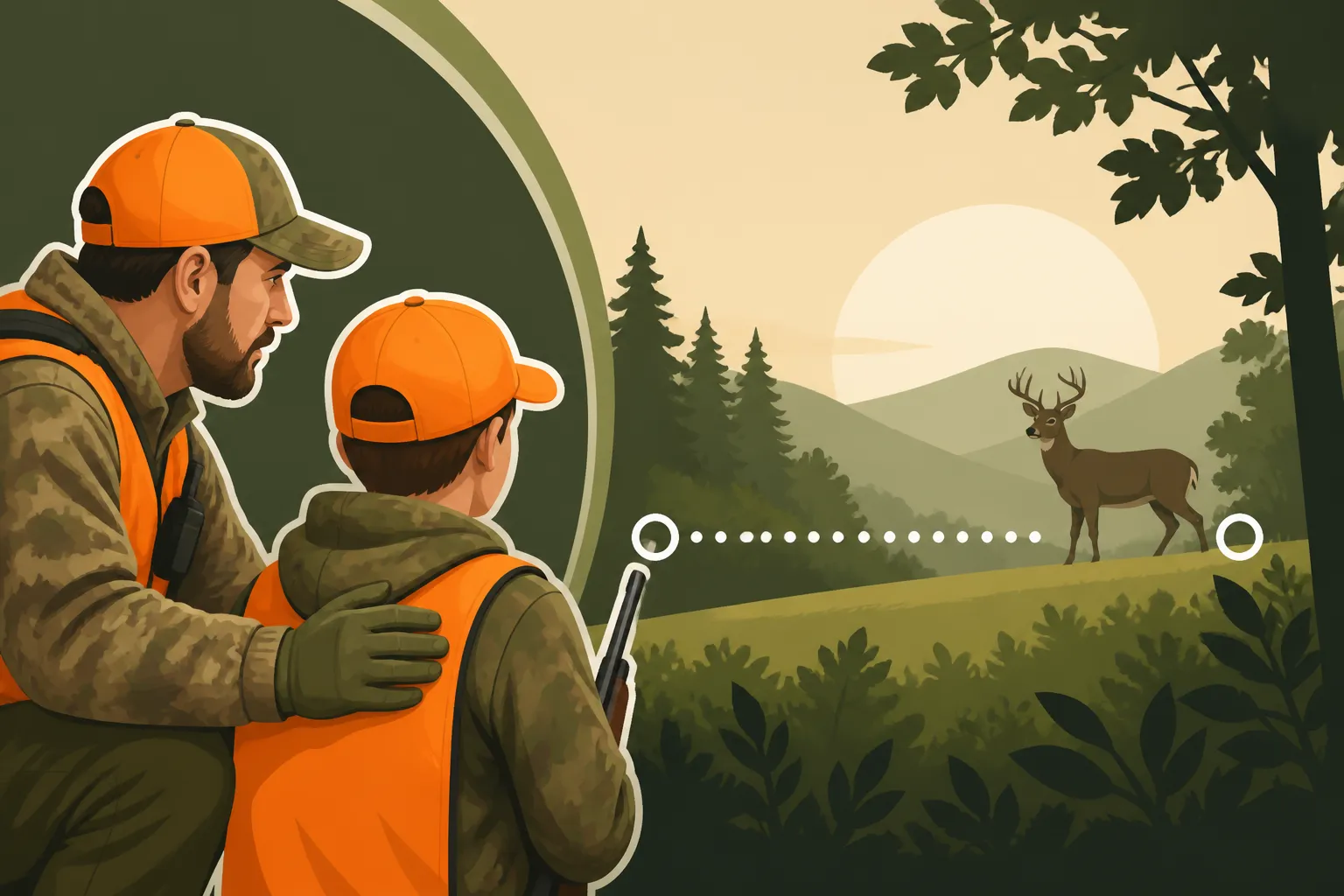
Now, for the core of the matter: what does "direct supervision" and "immediate proximity" actually mean in Georgia law? The Georgia Department of Natural Resources (DNR) states that an apprentice hunter must be "under the direct supervision of a licensed adult hunter who is at least 18 years of age." This supervising adult must maintain "immediate proximity to the apprentice hunter." While the regulations don't specify an exact number of feet, the clear intent is that the mentor must be close enough to have effective control and communication with the apprentice at all times, especially when a firearm or bow is being handled or a shot is being taken.
Think of it this way: if your apprentice is about to make a critical decision, either regarding safety or shot placement, can you intervene instantly? Can you whisper an instruction, physically guide their aim, or grab a firearm if necessary? If the answer is no, you're likely not in "immediate proximity." This typically means being in the same blind, on the same treestand, or walking within a few yards of each other during still-hunting. It's not about being in the same general area; it's about being actively engaged in the hunting process with them, step-by-step. This close supervision is absolutely vital, especially when you consider the Minimum Age for Unsupervised Georgia Hunting which requires a certain level of experience and certification.
Why Proximity Matters: Practical Safety and Learning
The rules about mentor proximity aren't just bureaucratic red tape; they are fundamental to ensuring safety in the field and providing an effective learning environment. Hunting involves serious tools and decisions, and new hunters need constant guidance to navigate these safely and ethically.
Safety First: Keeping a Close Eye in the Field
The number one reason for strict proximity rules is safety. A new hunter, regardless of how much they've read or watched, lacks the instinctive awareness that comes with experience. They might not immediately recognize an unsafe muzzle direction, properly identify a target, or understand their shooting lanes and backstops. Being right there with them allows you to correct these critical mistakes before they become dangerous incidents. For example, if you're in a ground blind together, you can physically guide the barrel of their rifle or the tip of their arrow to ensure it's always pointing in a safe direction. If you're on a two-person ladder stand, you can literally have a hand on their shoulder or arm, helping them stabilize or preventing a rushed shot.
Imagine a scenario where an excited new hunter spots their first deer. Their heart rate spikes, adrenaline surges, and they might forget some of the safety protocols you just reviewed. If you’re not right there, you can't quickly remind them to check their background, ensure the safety is off, or confirm it’s a legal buck. This is why the Georgia DNR emphasizes direct and immediate supervision. It’s about more than just being able to shout advice; it's about being close enough to physically react and prevent potential harm. Safety gear, like a good quality harness in a treestand, is always important, but nothing replaces an alert mentor. Check out specific safety considerations for Rifle Setups for Georgia Deer Hunting as well to ensure your apprentice is using appropriate gear.
Maximizing the Learning Experience for New Hunters
Beyond safety, close proximity dramatically enhances the learning experience. Hunting is a skill best learned through immersion and immediate feedback. When you're right there, you can point out subtle details that an apprentice would never notice on their own: the flicker of a deer's ear in thick cover, a slight shift in wind direction, or the faintest scrape on a logging road. You can explain why you chose a particular setup, how to read tracks, or when to make a call.
For instance, when Scouting Georgia Public Land Before Season, you can walk through an area together, showing them how to identify deer trails, rubs, and bedding areas. You can explain why certain funnels are effective, or why a specific oak flat might be a prime feeding spot. This real-time coaching is invaluable. If you're too far away, these teaching moments are lost. The apprentice is left to observe without context, which severely limits their understanding and skill development. It's like trying to learn to drive a car from the passenger seat of another vehicle far behind the one you're supposed to be teaching. This immediate feedback helps them internalize the nuances of hunting much faster than if they were left to figure things out on their own.
Real-World Scenarios and Mentor Strategies
Understanding the "how close" rule is one thing, but applying it effectively in diverse hunting scenarios is another. Georgia offers a vast range of terrains and hunting styles, and your proximity strategy needs to adapt.
Different Hunting Styles and Their Proximity Needs
Let's consider a few common hunting scenarios in Georgia and what "immediate proximity" would realistically look like:
- Treestand Hunting: This is a very common method for deer hunting across Georgia, whether you're using a ladder stand, hang-on, or even a climber. If your apprentice is in a treestand, you should be in the same treestand or a tethered, immediately adjacent stand that allows for direct physical supervision. A two-person ladder stand is ideal for this. If you're in separate stands fifty yards apart, even if you can see them, you are not in "immediate proximity" for direct intervention. This means if you're planning a hunt in the Treestand Setups in North Georgia Mountains, a two-person stand or very close individual stands are your best bet.
- Ground Blind Hunting: Another popular choice, especially for new hunters, because it offers concealment and warmth. When hunting from a ground blind, both mentor and apprentice should be in the same blind. This allows for whispering instructions, physically adjusting their position, or even guiding their shot if necessary. It also helps manage their scent and movement as a team. For ideas, check out tips on Using a Ground Blind on Georgia Public Land.
- Still-Hunting or Stalking: This involves slowly moving through the woods. In this scenario, the mentor should be walking right alongside or directly behind the apprentice, within a few steps. You need to be close enough to whisper commands, point out sign, or physically stop them from making a mistake (like stepping on a branch at the wrong moment or pointing a firearm unsafely). This is particularly important when navigating dense cover or tricky terrain.
- Small Game and Bird Hunting: For squirrel, rabbit, or dove hunting, where movement is more frequent and targets can appear quickly, maintaining immediate proximity is still crucial. The mentor should be walking alongside the apprentice, ensuring safe shooting lanes and muzzle control. For a dove hunt, sitting side-by-side on dove stools in a field is a perfect example of immediate proximity.
- Deer Drives: While less common for teaching apprentices, if you're involved in a deer drive, the apprentice should be positioned directly next to their mentor, under constant supervision. The mentor needs to be keenly aware of their apprentice’s actions, especially with multiple hunters and game potentially moving fast. This method typically applies more to experienced hunters doing things like Deer Drives With Three or Four Hunters.
The key takeaway for any method is simple: Can you, the mentor, physically and immediately intervene if something goes wrong, or offer hands-on guidance without delay? If the answer isn't a confident "yes," you're likely not close enough.
Communication and Planning for Success
Effective mentoring isn't just about physical proximity; it's also about clear communication and thorough planning. Before you even step foot in the woods, sit down with your apprentice and discuss expectations, safety rules, and the day's plan.
Pre-Hunt Briefing:
Go over everything:
- Safety Rules: Reiterate muzzle control, target identification, trigger discipline, and being aware of surroundings.
- Shot Placement and Ethics: Discuss what constitutes a clean shot and when to pass on an animal.
- Communication Signals: Agree on non-verbal cues for silence, "stop," "look," or "danger," especially if you're moving.
- The Plan: Where will you go? What will you hunt for? What's the expected behavior?
During the hunt, maintain a constant, low-volume dialogue. Point out things, ask questions, and encourage your apprentice to do the same. This active engagement keeps them focused and reinforces learning. For example, using a mapping tool like those offered by GoHunt can be a great way to show them property lines, terrain features, and where you expect game to be, fostering a deeper understanding of the hunting area. This also helps in understanding complex areas like Hunting Pressure on Georgia Public Land.
Table: Mentor Proximity Guidelines by Hunting Method in Georgia
| Hunting Method | Mentor Proximity Recommendation | Rationale |
|---|---|---|
| Treestand Hunting | Same stand (two-person) or immediately adjacent, tethered stands | Direct physical intervention, immediate verbal cues, shared observation. |
| Ground Blind Hunting | Same blind, sitting side-by-side or closely behind | Shared view, physical guidance, controlled movement, easy communication. |
| Still-Hunting/Stalking | Within a few yards, walking directly alongside or behind | Instant intervention for safety, real-time instruction on sign and movement. |
| Small Game/Bird Hunting | Walking side-by-side, within arm's reach | Rapid safety correction, immediate feedback on target acquisition and shot. |
| Deer Drives | Directly next to the apprentice, actively supervising | High-stress, fast-moving situation requires constant, vigilant oversight. |
Remember, the goal is to empower your apprentice to eventually hunt independently and safely. The close supervision required by the apprentice license is the training wheels they need to get there. As they gain confidence and knowledge, they can then pursue their full hunter education certification and eventually enjoy the woods on their own, or continue to be excellent hunting partners with you. For specific dates and rules that might influence your planning, it's always a good idea to consult the Georgia Deer Season Structure Explained or other game-specific regulations. Don't forget, if you're utilizing public lands, an Georgia WMA Access Stamp Requirement might also be necessary.
The Mentor's Role Beyond Proximity
Being a mentor goes beyond just being physically close; it's about imparting a passion for conservation, ethical hunting, and respect for wildlife and the land. You're shaping the next generation of hunters, and that's a responsibility not to be taken lightly.
Fostering Ethics and Conservation
One of the most valuable lessons you can teach an apprentice hunter, regardless of how close you are, is the importance of ethics and conservation. Discuss why bag limits exist, the role of fair chase, and why reporting harvests through platforms like GoHunt is crucial for wildlife management. Talk about the origins of wildlife conservation in North America and the hunter's role in funding it. This ensures that they don't just learn how to hunt, but why we hunt, and what it means to be a responsible steward of natural resources.
Show them how to properly field dress an animal, ensuring minimal waste and respectful handling of the game. Explain why proper shot placement isn't just about a successful harvest, but about reducing suffering. These are lessons that can’t be gleaned from a textbook; they are passed down through experience and thoughtful conversation in the field. This deeper understanding is what truly makes a hunter, not just someone who pulls a trigger.
Preparing for Independence and Future Hunts
While the apprentice license requires direct supervision, the ultimate goal is for the new hunter to gain enough knowledge and confidence to pass their hunter education course and hunt independently, or at least with less intensive supervision. As a mentor, you should be actively working towards this. Encourage them to ask questions, challenge their understanding, and give them opportunities to make decisions (under your watchful eye, of course).
Review scenarios, discuss tactics, and let them participate in scouting and planning. This hands-on involvement builds confidence and critical thinking skills. Platforms like GoHunt can provide excellent resources for new hunters to explore regulations, scouting maps, and even articles on various hunting techniques, allowing them to continue learning even when they're not in the field with you. This comprehensive approach ensures that when they eventually get their full license, they'll be well-prepared and responsible hunters, ready to enjoy the rich tradition of Georgia hunting. Remember that wearing appropriate gear like Warm-Weather Clothing for Georgia Hunters is also a key part of comfort and safety in the field.
Disclaimer
Please remember that hunting regulations can change, and it's always your responsibility to verify the most current rules and laws with the Georgia Department of Natural Resources (DNR) before heading into the field. This guide provides general information and best practices, but specific situations may require further clarification from official sources.