Georgia Duck Zone Boundaries
Trying to figure out Georgia's duck hunting regulations can feel like trying to untangle a fishing line after a big blow – especially when it comes to understanding which season dates apply to your specific hunting spot. It's frustrating to plan a perfect early morning hunt only to realize you're in the wrong zone for the season. This guide is here to clear up that confusion, diving deep into Georgia's duck zone boundaries so you can hit the water with confidence, knowing you're always on the right side of the law.
What Are Georgia's Duck Zones and Why Do They Matter
For new duck hunters, and even some seasoned folks, the idea of "duck zones" can be a bit perplexing. You're just trying to hunt some ducks, right? But the reality is, migratory bird management, especially for waterfowl, is a complex dance between federal guidelines and state implementation. Georgia, like many other states along the Atlantic Flyway, divides its territory into specific zones to better manage waterfowl populations, accommodate varying migration patterns, and address diverse hunting traditions across different geographic regions. It's not just an arbitrary line on a map; it's a strategic decision rooted in ecological understanding and hunter access.
Federal Framework, State Implementation
The whole concept of waterfowl zones actually starts at a national level. The U.S. Fish and Wildlife Service (USFWS) oversees migratory bird management, setting broad frameworks and population objectives. They establish a range of allowable hunting days and bag limits based on annual waterfowl surveys and flyway-wide population assessments. However, it's the individual states, like Georgia, that get to carve up their specific season dates and bag limits within those federal guidelines. This flexibility allows states to tailor regulations to their local conditions, which can vary wildly from the mountains to the coast.
Think about it: the ducks that might be stopping in the brackish marshes of coastal Georgia might be entirely different species, or at least different segments of the population, than those frequenting the freshwater swamps and reservoirs of the Piedmont or North Georgia. Different arrival times, different departure times, and different species concentrations necessitate a more localized approach to setting hunting seasons. This federal-state partnership is crucial for ensuring sustainable waterfowl populations while still providing hunting opportunities across the diverse landscapes of the state.
The Core Purpose of Zone Divisions
At its heart, dividing Georgia into duck hunting zones serves several key purposes. Firstly, it allows wildlife managers to optimize hunting opportunities based on the specific timing of duck migrations. For instance, coastal areas often see earlier arrivals or later departures of certain species compared to inland regions, driven by weather patterns, food availability, and the specific migratory paths within the Atlantic Flyway. By having separate seasons, hunters in both regions can target birds when they are most abundant, rather than having a one-size-fits-all season that might miss peak activity in one area.
Secondly, zones help distribute hunting pressure. If the entire state had the exact same season dates, certain popular areas might get overwhelmed with hunters, leading to overcrowding and a less enjoyable experience for everyone, not to mention potentially educating birds too quickly. By staggering seasons or having slightly different windows, it spreads out the hunting effort, offering a better quality experience for those pursuing Georgia Waterfowl Hunting on Coast and Swamp or those focusing on inland opportunities. Ultimately, these divisions are designed to maximize hunter success and satisfaction while prioritizing the long-term health of the resource.
Breaking Down the Zones: Coastal Versus Inland
Georgia is a state of incredible ecological diversity, and its duck zones reflect that. You've got the vast salt marshes and barrier islands along the Atlantic, the sprawling cypress swamps and river bottoms inland, and the freshwater lakes and reservoirs that dot the landscape. It only makes sense that the waterfowl experience, and thus the regulations, would be different for these distinct habitats. Understanding where these zones begin and end is paramount to being a compliant and effective duck hunter in the Peach State.
The Coastal Zone: Salty Marshes and Estuaries
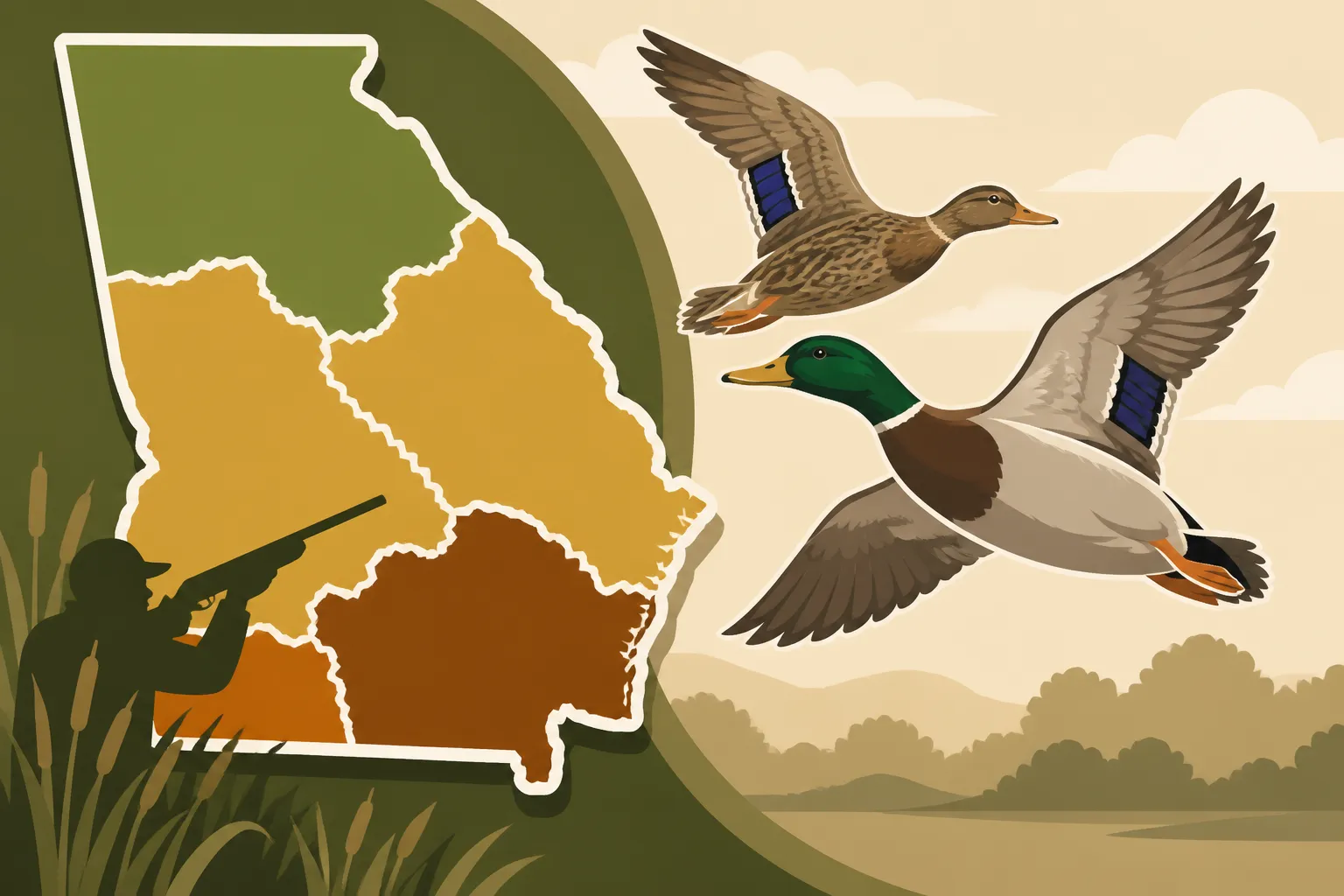
The Coastal Zone in Georgia is generally defined by the counties that directly border the Atlantic Ocean or contain significant portions of tidal estuaries and salt marshes. This area is a haven for many species of migratory waterfowl, particularly sea ducks, scaup, redheads, and various teal, especially during the early parts of the season. The unique brackish and saline environments support different food sources and offer different types of cover than inland habitats, influencing which species concentrate here and when.
Specifically, the Georgia Department of Natural Resources (DNR) typically delineates the Coastal Zone to include Chatham, Bryan, Liberty, McIntosh, Glynn, and Camden counties. This geographical boundary encompasses a wide array of prime waterfowl habitat, from the expansive marshes near Savannah and Brunswick to the barrier islands and sounds that define Georgia's eastern edge. Hunters targeting these areas will find themselves navigating tidal creeks, open water, and vast marshlands. It's a truly unique experience, often requiring specialized gear like push poles and marsh boats, and knowledge of tides is just as important as knowing your duck calls. Being aware of this distinct zone is crucial, as the season dates here are often slightly different to account for the unique migratory patterns and staging habits of birds along the coast. For those interested in this specific type of hunting, delving into strategies for Hunting Coastal Georgia Marsh Waterfowl would be highly beneficial.
The Inland Zone: Rivers, Swamps, and Reservoirs
The Inland Zone, as the name suggests, covers the vast majority of Georgia's landmass that isn't directly impacted by tidal saltwater. This includes everything from the mountain streams and reservoirs of North Georgia to the sprawling river systems and cypress swamps of the Piedmont and Coastal Plain. This zone provides habitat for a different suite of waterfowl, primarily dabbling ducks like mallards, wood ducks, and gadwalls, as well as divers on larger reservoirs. The environment here is characterized by freshwater marshes, flooded timber, agricultural fields, and large bodies of impounded water.
Every Georgia county not listed as part of the Coastal Zone falls under the Inland Zone regulations. This is where you'll find hunters setting up in flooded cornfields, sneaking through creek bottoms for Pass-Shooting Georgia Wood Ducks, or braving frigid temperatures on large lakes. The sheer size and diversity of habitat within the Inland Zone means that tactics and target species can vary greatly depending on whether you're hunting the Altamaha River swamps or a farm pond in Wilkes County. Understanding that your county, unless it's one of the six coastal ones, is always in the Inland Zone simplifies things considerably. This zone is where most Georgia duck hunters will spend their time, chasing birds across diverse landscapes that offer everything from fast-paced jump shooting to patient decoying in a hidden slough.
Counties Straddling the Line
While the definition seems clear-cut, there can be some minor confusion about counties that touch but aren't entirely in the traditional coastal definition, or those with significant river systems that are close to the coast. However, for duck hunting regulations, the Georgia DNR provides clear county-based definitions. If your county is not one of the designated "coastal" counties (Chatham, Bryan, Liberty, McIntosh, Glynn, and Camden), then it falls under the Inland Zone. There's no gray area for duck hunting zones based on a specific creek or river's proximity to the coast within a county that isn't officially designated as coastal.
This means if you're hunting in, say, Wayne County, which borders McIntosh but is not on the direct list of coastal counties, you are firmly in the Inland Zone. It's important not to assume based on geography alone, but rather to consult the official Georgia Department of Natural Resources (DNR) regulations. Always double-check the current year's hunting guide, which clearly lists the counties that constitute the Coastal Zone. Reputable hunting apps and mapping tools, like those offered by GoHunt, often have layers that show these jurisdictional boundaries, making it incredibly easy to confirm your location relative to the zones before heading out. Relying on these resources eliminates guesswork and ensures you're always following the correct regulations for your specific hunt.
Practical Impact on Your Duck Season
Understanding Georgia's duck zones isn't just about trivia; it has a very real, tangible impact on when and how you can hunt. The differences between the Coastal and Inland zones dictate everything from your opening day excitement to how you plan your entire season. Ignoring these distinctions can lead to missed opportunities or, worse, legal trouble. It's about maximizing your time afield and being an ethical, informed hunter.
Differing Season Dates and Splits
The most significant impact of the duck zones is on the actual hunting season dates. Historically, and often still, the Coastal Zone and Inland Zone will have slightly different opening and closing dates, and even different "split" seasons. A split season means the hunting period is broken up, with a closure in between, often to allow for migratory patterns or to reduce pressure during certain times. For example, the Coastal Zone might have an earlier opener for a brief period, then close, and reopen later, while the Inland Zone might have its own distinct structure.
This variance in dates requires careful planning. If you typically hunt in the Inland Zone but have an opportunity to join a friend on the coast, you absolutely must check the Coastal Zone dates. Showing up on what you think is opening day, only to find the coastal season doesn't start for another week, is a common frustration many hunters face. Conversely, if you hunt in the Inland Zone, you might find the season running longer into January, offering opportunities for Late-Season Food Sources for Georgia Whitetails and ducks alike, when other areas have already closed. Always review the current Georgia migratory bird hunting regulations published by the DNR well in advance of the season to confirm the exact dates for each zone.
Here's a generalized look at how Georgia's duck zones might influence typical season dates. Please remember, these are examples and exact dates will vary annually. Always check the official Georgia DNR migratory bird regulations for the current season.
| Season Segment | Inland Zone (Example) | Coastal Zone (Example) | Common Species Targeted | Notes |
|---|---|---|---|---|
| Early Teal Season | September (short period) | September (short period) | Blue-winged Teal, Green-winged Teal | Often statewide, but can have unique zone allowances. |
| First Duck Split | Early November – Late November | Mid-November – Early December | Wood Ducks, Gadwall, Mallards (Inland); Pintail, Wigeon (Coastal) | Designed to hit early migrants. |
| Second Duck Split | Mid-December – Late January | Mid-December – Late January | Mallards, Divers, Wigeon, Ringnecks | Main season, targeting peak migration and wintering birds. |
Impact on Bag Limits for Certain Species
While federal frameworks dictate overall bag limits for many species, there can be subtle differences or special considerations within zones, or specific regulations that are more relevant to one zone over another. For instance, specific restrictions on certain diving ducks might be more pertinent to the Coastal Zone due to their prevalence in that habitat. Additionally, special seasons, like the early teal season, are often statewide but sometimes have nuanced rules related to the zones.
The general daily bag limit for ducks usually applies across both zones, but hunters must also be aware of species-specific limits within that overall bag. For example, the number of mallards, wood ducks, or pintails you can harvest might be capped, regardless of the zone you're in. However, certain species like scaup or canvasbacks might have more specific harvest rules that are particularly relevant to coastal hunters who encounter them more frequently. Staying informed means not just knowing your zone, but also being able to identify your target species correctly, especially for those pursuing Georgia Mallard and Wood Duck Numbers.
Planning Your Hunts Around Zone Specifics
Effective duck hunting, especially across diverse Georgia habitats, means planning with the zones in mind. If you have access to both inland and coastal properties, you can potentially extend your hunting season by timing your trips to coincide with the open dates in each zone. For instance, you might kick off your season in the inland swamps targeting early migrating wood ducks and then shift to the coast later in the year to chase divers in the estuaries. This strategic approach allows you to take full advantage of the varied opportunities Georgia offers, respecting the nuances of Duck Migration Timing Through Georgia.
Considering the zones also influences your gear. A hunter setting up Decoy Spreads for Coastal Georgia Divers will have different requirements than someone in a flooded timber hole in the Piedmont. Coastal hunts often mean dealing with tides, needing robust Waders for Georgia Tidal Marsh Hunting, and potentially using boats with shallow drafts. Inland hunts might involve more walking, less open water, and different types of calls. Your planning, from scouting to gear preparation to choosing your hunting partners, should always factor in which zone you'll be operating in, ensuring a safe, successful, and compliant experience.
Navigating the Regulations: Resources and Best Practices
With so many variables and annual changes, keeping up with Georgia's duck hunting regulations, especially regarding zones, can feel like a full-time job. But it doesn't have to be. There are excellent resources available, and some simple best practices can ensure you're always on the right track, making your time afield enjoyable and worry-free.
Official Sources for Up-to-Date Information
The absolute best and most reliable source for current Georgia duck hunting regulations is the Georgia Department of Natural Resources (DNR), Wildlife Resources Division. Every year, they publish a comprehensive hunting guide that details all migratory bird seasons, including specific dates for both the Inland and Coastal zones. This guide is usually available online in PDF format on the Georgia DNR website and often in print at license vendors and sporting goods stores. Make it a habit to download or pick up the latest guide before each season.
Beyond the annual guide, the DNR website is a treasure trove of information, including press releases about any late-breaking changes or special announcements. Don't rely on word-of-mouth or last year's regulations you found online. Always go directly to the source. You'll also find details on federal requirements, such as the need for a Georgia Federal Duck Stamp Requirement and the Georgia HIP Certification for Bird Hunters, which are mandatory for all migratory bird hunters regardless of the zone. Being diligent about checking these official sources is your first line of defense against misunderstandings.
Mapping Tools and Apps for Zone Awareness
In today's digital age, hunters have powerful tools at their fingertips to navigate complex regulations like duck zones. GPS-enabled mapping apps are invaluable. Many popular hunting apps, like GoHunt, offer detailed parcel maps that can include layers showing public land boundaries, property lines, and even wildlife management areas (WMAs). While these apps might not explicitly draw the duck zone lines for you, they certainly help you identify which county you're in with pinpoint accuracy. Once you know your county, you can easily reference the official DNR regulations to determine if it falls within the Coastal or Inland Zone.
Using an app like GoHunt on your phone means you can verify your location in real-time, even when you're deep in the swamp or out in the marsh. It removes any doubt about which set of season dates you should be following. Many serious waterfowl hunters swear by these digital aids, integrating them into their scouting and hunting routine to avoid inadvertent violations. When combined with a careful review of the DNR's annual guide, these mapping tools provide an almost foolproof way to stay compliant with Georgia's duck zone boundaries.
Staying Compliant and Avoiding Costly Mistakes
Ultimately, the responsibility for knowing and following the regulations falls squarely on the hunter. Ignorance of the law is never an excuse, and violations can carry hefty fines, loss of hunting privileges, and confiscation of gear. One of the simplest and most effective strategies for staying compliant is to download and read the current year's migratory bird hunting regulations. Don't just skim it; internalize the details for the zone you plan to hunt.
If you find yourself hunting near a boundary, or on a piece of land that could conceivably be argued as being in one zone or another (though officially the county list makes this rare for ducks), err on the side of caution. Always adhere to the more restrictive season if there's any doubt, or simply move to an area where the zone is unequivocally clear. Discussing the zones with fellow experienced hunters is also helpful, but always cross-reference their advice with official DNR publications. By being proactive and diligent, you can ensure that your passion for duck hunting in Georgia remains a rewarding and legal pursuit.
Disclaimer
The information provided in this guide is for general informational purposes only and is not a substitute for official legal advice or current regulations. Hunting laws and regulations in Georgia can change annually. Always consult the most recent official Georgia Department of Natural Resources (DNR) hunting regulations and migratory bird proclamations before planning or engaging in any hunting activities.