Why the Ocmulgee Bear Season Runs Days Not Weeks
It can be incredibly frustrating to plan an entire hunting trip, scout for weeks, and get your gear dialed in, only to find out the season for your target species is barely a weekend long. For bear hunters eying the Ocmulgee Bear Zone in Georgia, this short season isn't just an inconvenience; it's a critical part of a deliberate management strategy. This guide will dive deep into why the Ocmulgee bear season is so limited, exploring the unique biological and environmental factors that necessitate such a condensed hunting window and how you can still make the most of this challenging opportunity.
Understanding Georgia's Bear Management Philosophy
Georgia's approach to black bear management isn't a one-size-fits-all strategy. Unlike deer, which are widespread and abundant across most of the state, black bears exist in distinct, often isolated populations, each facing its own set of challenges and opportunities. The Georgia Department of Natural Resources (DNR), specifically the Wildlife Resources Division (WRD), crafts season lengths and harvest quotas based on extensive research into these localized populations. This careful calibration ensures the long-term health and stability of the bear herds, even as human populations expand.
Tailoring Seasons to Local Populations
The primary goal of wildlife management is always conservation, which means ensuring a sustainable population for future generations. For black bears, this means understanding their reproductive rates, mortality factors, habitat availability, and population density in specific areas. Georgia has distinct bear populations in three main zones: the North Georgia mountains, the Ocmulgee River basin (Central Zone), and the Altamaha/Okefenokee region (Southern Zone). You can learn more about these different areas in our article on Georgia's Three Bear Hunting Zones. Each of these zones has a vastly different population size and habitat quality, which directly dictates how many bears can be safely harvested each year without jeopardizing the population's ability to rebound.
For instance, the North Georgia mountain population is robust, with extensive contiguous forest habitat. This allows for longer seasons and more liberal harvest limits. Hunters in this region generally have a much longer window to pursue bears, often spanning several weeks in both archery and firearms seasons. The bears here have vast tracts of public land and wild country to roam, reproduce, and find food, making them much more resilient to hunting pressure. The management approach here focuses on managing density and providing ample recreational opportunity.
The Role of Population Dynamics and Habitat Quality
Black bear populations are slower to reproduce than deer, and their cub survival rates can fluctuate based on food availability and human-wildlife conflict. Habitat quality is a huge piece of this puzzle. Bears need large areas of undisturbed forest with a diverse food base – acorns, berries, nuts, and insects – to thrive. When their habitat becomes fragmented by development, roads, or agriculture, their movement patterns are disrupted, and their access to vital resources can be limited. This fragmentation also increases their chances of encountering humans, leading to potential conflicts.
The WRD meticulously monitors these factors through various methods, including trap-and-release studies, den surveys, and harvest data analysis. If these surveys show a declining trend in population numbers, or if the habitat can only support a smaller number of bears, the management response will always err on the side of caution. This often translates directly into shorter seasons and stricter bag limits to protect the breeding stock and allow the population to grow or stabilize. This is particularly evident in regions like the Ocmulgee, where the bear population faces unique pressures, as we’ll explore next.
The Unique Challenges of the Ocmulgee Bear Zone
The Ocmulgee Bear Zone presents a stark contrast to the sprawling wilderness of North Georgia. Nestled in the central part of the state, this area, which generally encompasses parts of counties like Bibb, Twiggs, Jones, Houston, and Monroe, is characterized by a mix of private land, agriculture, and smaller, often fragmented pockets of forest along the Ocmulgee River and its tributaries. It’s not the vast, uninterrupted habitat that bears typically thrive in, and this geographical reality deeply impacts the management strategy.
A Smaller, More Fragile Population
One of the most significant reasons for the Ocmulgee bear season being so short is the relatively small and isolated nature of its bear population. Unlike the genetically diverse and numerous bears in the mountains, the Ocmulgee bears represent a more vulnerable segment of Georgia's bear population. Studies and observations over the years have shown that the population density here is considerably lower, and the bears are often more dispersed. Our article on Why the Ocmulgee Bear Population Stays Small dives even deeper into these ecological pressures.
These bears often find themselves living in closer proximity to human development than their mountain counterparts. While they certainly utilize the dense river bottomlands and swampy areas, they also venture into agricultural fields and suburban fringes in search of food. This constant interaction, while sometimes leading to nuisance complaints, also makes the population more susceptible to various human-caused mortalities, including vehicle collisions and poaching. To maintain and ideally grow this population, the WRD must implement extremely conservative hunting regulations, effectively limiting the harvest to a mere handful of animals each year. This means that even a small increase in harvest numbers could have a disproportionately large impact on the population's ability to sustain itself.
Limited Habitat and Increased Human Interaction
The Ocmulgee Zone's habitat is a patchwork. You'll find beautiful, dense hardwood bottoms along the river, but these quickly give way to cultivated fields, timber plantations, and residential areas. Bears here don't have the luxury of hundreds of thousands of acres of pristine, undisturbed forest. Their home ranges are often smaller and more constrained, forcing them into areas where they might not otherwise choose to be. This habitat fragmentation makes their lives tougher, impacting everything from denning success to cub survival.
The increase in human interaction also means a heightened potential for conflict. Bears, by nature, are opportunistic feeders. If they find an easy meal in a farmer's cornfield or a backyard bird feeder, they'll take it. While most interactions are harmless, some can lead to property damage or public safety concerns, prompting wildlife officials to intervene. A shorter, tightly controlled hunting season acts as one tool to manage these dynamics, often in conjunction with educational outreach and conflict prevention programs. The idea is to carefully manage the population to prevent it from becoming a nuisance while still providing a limited, carefully monitored hunting opportunity. This delicate balance is why the season runs on such a tight schedule.
Navigating the Short Ocmulgee Bear Season
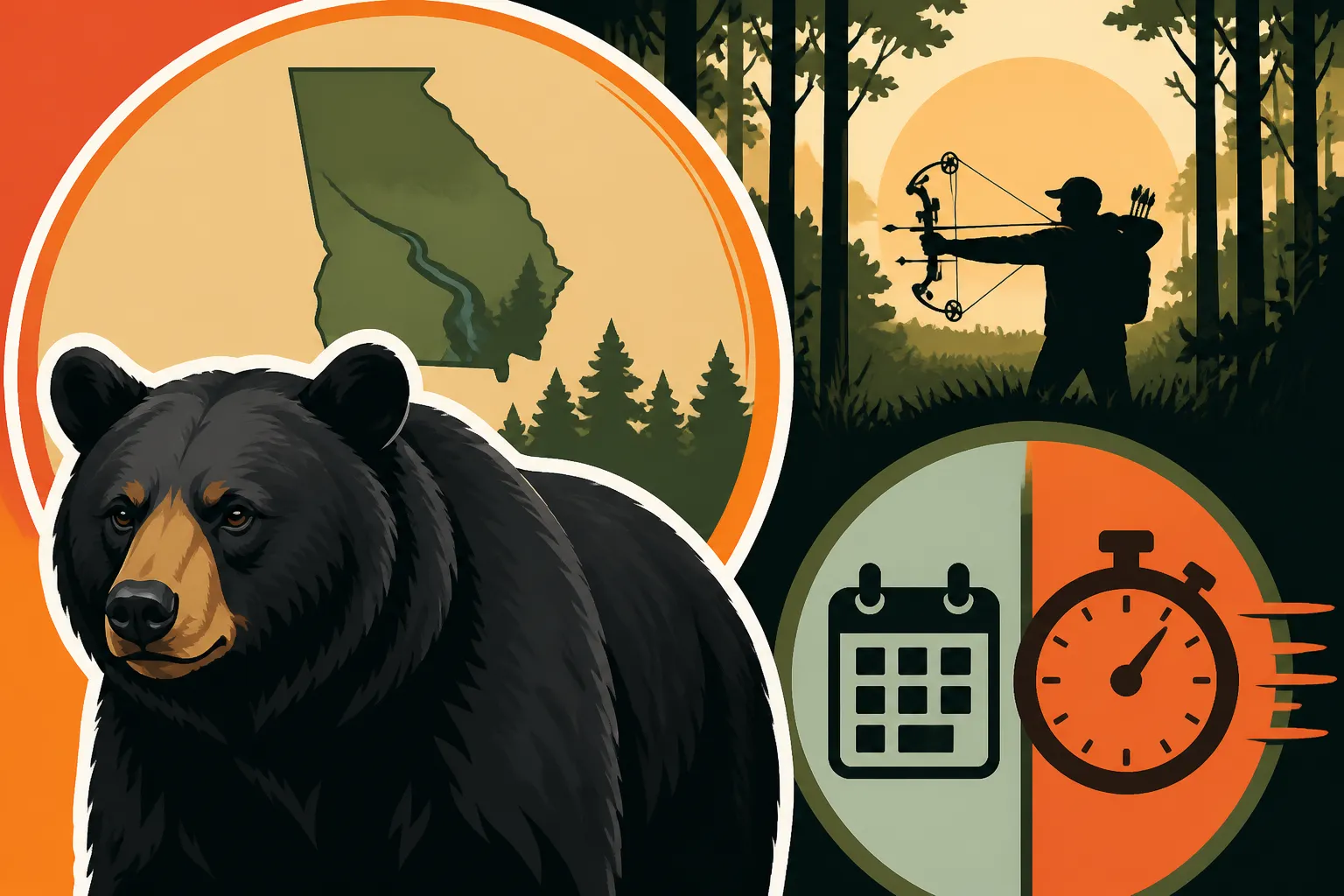
Given the unique biological and environmental constraints, the Ocmulgee Bear Zone season typically runs for only a day or two, sometimes just a single weekend, and often as a quota hunt where only a limited number of hunters are drawn. This isn't just about limiting the total number of bears taken; it's also about managing hunter pressure and ensuring fair chase within a confined area. Success in such a compressed timeframe demands meticulous planning, intensive scouting, and often a bit of luck.
The Quota Hunt System
Unlike the general firearms deer season in Georgia, the Ocmulgee bear hunt is usually a quota hunt. This means hunters must apply in advance and are selected through a lottery system. If you're lucky enough to draw a tag, you're one of a select few with the opportunity to hunt during that specific, short window. This system is crucial for managing sensitive populations because it allows the DNR to precisely control the number of hunters and, by extension, the potential harvest. It prevents an overwhelming influx of hunters into a small area, which could stress the bear population and lead to unsafe hunting conditions.
Details on applying for such permits, including deadlines and preference points, are often found through the Georgia Wildlife Resources Division website. Platforms like GoHunt can also be invaluable for researching draw odds, season dates, and understanding the nuances of these limited-entry opportunities. You'll want to review the Georgia Central Zone Bear Season Rules well in advance of the application period to ensure you don't miss any critical dates or requirements. The quota system underscores the preciousness of this particular bear population and the strict measures taken to protect it while still offering a recreational hunt.
The Importance of Pre-Season Scouting
With such a short season, showing up on opening morning without having done your homework is a recipe for disappointment. Pre-season scouting becomes paramount. Bears are creatures of habit, especially when food sources are predictable. Identifying active feeding areas, travel corridors between dense cover and food, and potential denning sites before the season opens is crucial.
Start by poring over aerial maps, looking for natural funnels, thick cover along river bottoms, mature oak stands, and edges where agricultural fields meet forest. Using tools like the Using the Georgia Outdoors Map Tool or detailed satellite imagery found on mapping apps (like those often integrated into platforms like GoHunt) can help you identify promising areas from home. Then, hit the woods. Look for fresh bear sign: tracks in soft mud, overturned rocks or logs where they've foraged for insects, claw marks on trees, and scat. Pay close attention to mast crops – are the acorns plentiful? Are there wild persimmons or muscadines? Bears will key in on these food sources, especially in the weeks leading up to the season. Understanding Scouting Georgia Public Land Before Season is not just a good idea; it's absolutely essential for success in these limited-window hunts.
Maximizing Your Opportunity in a Brief Season
Drawing an Ocmulgee bear tag is a special privilege, and with such a short season, every moment afield counts. It's not a hunt where you can afford to learn the area as you go; you need to arrive prepared with a solid plan, a keen understanding of bear behavior, and the gear to execute your strategy.
Strategic Planning and Stand Placement
Once you've identified promising areas during scouting, the next step is strategic stand placement. Given the short window, you might only have a day or two to hunt, so your setup needs to be as efficient and effective as possible. Consider the wind direction; bears have an incredible sense of smell, and a swirling wind will quickly give you away. Try to position your stand (whether a treestand or ground blind) where you can cover a good travel corridor or an active feeding area, always keeping the prevailing wind in mind.
Think about entry and exit routes that minimize disturbance. If you're hunting public land, be aware that other hunters might be in the area, even if it's a quota hunt. Having a backup plan or two for stand locations can be beneficial. In the Ocmulgee zone, much of the prime bear habitat is often intertwined with river systems and thick bottomland, similar to how one might approach Hunting a Funnel Between Two Swamps for deer. Bears will use these dense areas for bedding and security, moving out to feed in nearby oaks or agricultural fields.
Here’s a quick comparison of Georgia's main bear hunting zones:
| Feature | North Georgia Mountains | Ocmulgee River Basin (Central Zone) | Altamaha/Okefenokee (Southern Zone) |
|---|---|---|---|
| Population | Large, thriving, contiguous | Smaller, more fragmented, vulnerable | Moderate to Large, but still distinct |
| Habitat | Vast, contiguous national forest, wild | Mixed private/public, fragmented, agricultural edges | Large swamps, private timberland, coastal influence |
| Season Length | Weeks (archery and firearms) | Days (often 1-2 day quota hunts) | Days (often 2-day quota hunts) |
| Management Focus | Sustainable harvest, population density management | Population growth, minimizing human conflict | Sustainable harvest, population monitoring |
| Hunter Numbers | Higher, general public access | Very limited (quota system) | Limited (quota system) |
| Primary Food | Hard mast (acorns), berries | Hard mast, agricultural crops | Hard mast, palmetto berries, swamp vegetation |
Adaptability and Persistence
Even with the best planning, hunting bears in a short window requires adaptability. If your initial spot isn't producing, be prepared to move. This might mean adjusting your approach from a stationary stand hunt to a more active, cautious still-hunting strategy, especially in areas with thick cover. Bears are incredibly intelligent and elusive, and they will quickly adapt to perceived pressure. Pay attention to subtle signs of recent activity and be willing to change tactics if the bears aren't cooperating.
Persistence is key. The short season means you have limited opportunities, so make the most of every hour you're in the woods. Early mornings and late evenings are typically the most active times for bears, but during the rut or in cool weather, they can move throughout the day. If you are fortunate enough to harvest a bear, remember that Georgia Bear Checking Requirements are mandatory and need to be completed quickly. This data is vital for the WRD to continue effectively managing the state's bear populations, including the unique and valuable bears of the Ocmulgee River basin.
Disclaimer
Always consult the most current Georgia Department of Natural Resources hunting regulations before planning any hunt, as seasons, rules, and zone boundaries can change. This article is for informational purposes only and does not supersede official state regulations.