Georgia’s Private-Land Turkey Opener
The anticipation leading up to Georgia's spring turkey season is a unique kind of excitement, often mixed with a touch of nerves. For those fortunate enough to have access to private land, understanding the intricacies of the private-land turkey opener can make all the difference between a season of frustration and a successful hunt. This guide aims to demystify the regulations, offer tactical advice, and help you prepare thoroughly for that coveted first morning in the turkey woods.
Understanding Georgia's Turkey Season Structure
Georgia's approach to turkey season isn't always a straightforward "one size fits all." There's a deliberate separation in how and when hunters can pursue gobblers, particularly concerning public versus private land. This distinction is crucial for every hunter to grasp, as misunderstanding it can lead to unnecessary fines or, worse, missing out on prime hunting opportunities.
The Split Between Private and Public Land Openers
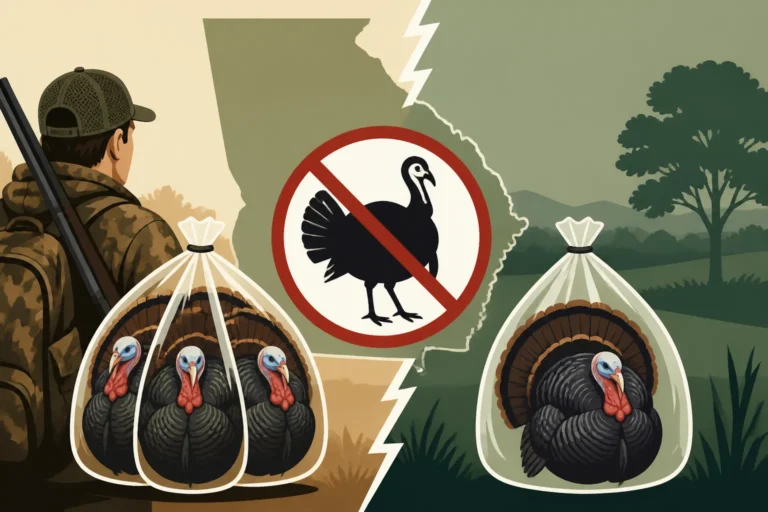
The primary reason for the staggered opening dates between private and public land in Georgia boils down to hunter pressure and management strategy. Private lands, by their nature, generally experience less overall hunting pressure than public Wildlife Management Areas (WMAs) or National Forests. By allowing private land hunters an earlier start, the Georgia Department of Natural Resources (DNR) aims to provide a quality hunting experience without immediately concentrating all hunters into limited public spaces. This approach allows gobblers on private land to be pursued before the general public season opens, which helps to distribute hunting effort and potentially reduce some of the early season crowding on public ground. It’s a common-sense approach that recognizes the different dynamics at play on varying land types.
For a private land hunter, this early opener is a real advantage. You get first crack at the birds before they've heard a thousand calls or been bumped repeatedly. It's a chance to capitalize on those early-season patterns when gobblers are often still establishing their dominance and seeking hens with vigor, making them potentially more responsive to calling. This staggered opening is a key piece of the puzzle when planning your spring turkey hunts across the state.
Key Dates for Private Land Hunters
Historically, Georgia's private land turkey season has opened around the last weekend in March, usually the Saturday closest to the 22nd. While the exact date can shift slightly year to year based on the calendar, this consistent timing means private land hunters can often be in the woods a week or more before their public land counterparts. For instance, in a typical year, if the private land opener falls on March 23rd, the public land opener might not be until April 1st or later. Always double-check the current year's Georgia DNR hunting regulations guide, as these dates are published annually and can sometimes have minor adjustments.
This early start is particularly beneficial for those hunting birds in the southern and central parts of the state, where turkeys often begin their breeding activities earlier due to warmer temperatures. It gives you an opportunity to hit the peak gobbling period if Mother Nature cooperates and brings spring weather a bit earlier. Being prepared for this specific date, even planning your vacation days around it, can be critical for maximizing your chances during the highly anticipated first few days.
Essential Licenses and Tags for Georgia Turkey Hunting
Before you even think about stepping into the turkey woods, whether public or private, having the correct licenses and understanding the tagging requirements is non-negotiable. Georgia has clear regulations designed to manage its turkey population effectively, and every hunter needs to be in full compliance. Overlooking these details can quickly turn a memorable hunt into a costly mistake.
Resident Versus Non-Resident License Requirements
Navigating the licensing process can sometimes feel a bit like reading hieroglyphs, but it’s straightforward once you know what to look for. For Georgia residents, a basic hunting license is your starting point. Beyond that, you'll need a Big Game license, which covers turkey. Many seasoned Georgia hunters opt for the Georgia Resident Sportsman License Bundle, which conveniently includes all the necessary licenses and permits for hunting and fishing, saving you the hassle of purchasing them individually. This bundle is often the most cost-effective and simplest way to ensure you're covered for turkey season, deer, small game, and even fishing.
Non-residents, on the other hand, face slightly different requirements and generally higher costs. Non-residents will need a non-resident hunting license and a non-resident Big Game license. There are various options, including annual licenses or short-term (e.g., three-day) licenses, which can be beneficial if you're only visiting for a brief hunt. It's vital for non-residents to thoroughly review the specific fees and requirements on the Georgia DNR website, as these can change. Regardless of residency, everyone needs to purchase their licenses well in advance, either online through the Georgia DNR’s Go Outdoors Georgia platform or from an authorized license vendor.
Mandatory Harvest Reporting and Carcass Rules
Successfully tagging a gobbler is just one part of the equation; reporting your harvest is equally important and legally required in Georgia. The state utilizes a "Game Check" system, which mandates that all harvested deer and turkey be reported within 24 hours of the kill and before processing the carcass or transferring possession to another person or a commercial processor. This system is crucial for wildlife biologists to gather accurate data on harvest rates, which directly influences future season structures and bag limits.
Reporting is relatively easy and can be done online through the Go Outdoors Georgia website or by phone. You’ll need your license number, the date of harvest, the county where the turkey was taken, and whether it was a male or female (though only gobblers and bearded hens are legal). Failing to report a harvest is a serious offense, so don't let the excitement of a successful hunt make you forget this critical step. Furthermore, while less common for turkeys than deer, hunters should be aware of any specific carcass movement restrictions that might apply if hunting near areas designated for Chronic Wasting Disease (CWD) management. Thankfully, for turkeys, CWD is not a concern, but it’s always good practice to stay informed about all regulations.
Preparing Your Private Land for Opening Day Success
You've got the license, marked the calendar, and now the real work begins: preparing your private hunting grounds. Private land offers unique advantages, but maximizing your success on opening day isn't just about showing up with a shotgun. It's about diligent pre-season work that helps you understand the specific turkeys you're targeting and how they're using your property.
Pre-Season Scouting and Roost Location
The weeks leading up to the opener are golden for scouting. This isn't just a casual stroll; it's a strategic mission. Turkeys are creatures of habit, especially when it comes to roosting. Your goal is to pinpoint their preferred roost sites. This means early morning and late evening drives or walks, listening for gobblers sounding off from the limb. Tall, mature pines or hardwoods along creek bottoms or ridge lines are classic spots for them to spend the night. Once you locate a roost, observe from a distance. Where do they fly down? What direction do they typically head after hitting the ground? Are they meeting up with hens right away? Knowing these patterns is invaluable.
Beyond roosts, pay close attention to potential strutting zones—open fields, logging roads, or thinned timber where a gobbler can display for hens. Identify pinch points, creek crossings, and subtle terrain features that might funnel turkeys. The more you know about their travel routes and daily routines on your property, the better you can plan your setup for opening morning. Utilizing mapping apps like GoHunt can be incredibly helpful here, allowing you to mark roosts, strut zones, and potential setups, giving you an aerial view of the property and its contours. It’s like having a digital notebook and topographic map rolled into one, making your scouting efforts far more efficient.
Setting Up Your Calling Strategy
When that first gobbler sounds off on opening morning, your calling strategy needs to be on point. Early season turkeys, especially on private land with less pressure, can sometimes be hot and heavy, ready to commit. However, they can also be "henned up," meaning they're already with a flock of hens and might be less inclined to break away for another call. Your scouting should give you clues about this. If you’ve seen multiple gobblers with hens in the weeks prior, be prepared for a challenge.
Start with subtle, realistic hen calls. A soft tree yelp or cluck as they come off the roost can be incredibly effective. As the morning progresses, you can become more aggressive if the situation calls for it, but always listen to the bird. Are his gobblers getting closer? More frequent? Back off if he seems hung up, or get more assertive if he's moving away. For detailed guidance, check out our piece on Calling a Georgia Gobbler Off the Roost. Decoy placement is another critical element. In open fields, a lone hen or a jake and a hen can be devastating, drawing gobblers into range. However, in thicker timber, decoys can sometimes hinder rather than help, as gobblers might hang up trying to spot the source of the calls. Always choose a setup that allows you to see the bird coming and gives you a clear shot.
Ethical Hunting and Respecting Landowner Relations
Hunting on private land is a privilege, not a right. The relationships you build and maintain with landowners are paramount, and your actions directly reflect on the broader hunting community. Ethical behavior, strict adherence to regulations, and genuine respect for the land are cornerstones of successful and sustainable private-land hunting.
Building and Maintaining Landowner Trust
Access to good private land is arguably the most valuable commodity in hunting today. It's born from trust, and it's something that must be nurtured constantly. Always start by being clear about your intentions and what specific dates you plan to hunt. A simple phone call or text before heading out shows respect. Offer to help around the property outside of hunting season—mending fences, clearing brush, or even just checking on things. These gestures go a long way.
Furthermore, always leave the property better than you found it. Pick up any spent shells, don't litter, and drive only on designated paths. Be transparent about your success, sharing stories and even some of the harvest if appropriate. When it comes to something as exciting as the private-land turkey opener, it's tempting to get caught up in the thrill, but remember that the access you have is a gift. Maintaining excellent landowner relations ensures you'll have a place to hunt for years to come and sets a positive example for other hunters.
Following Regulations and Good Stewardship
Beyond landowner relations, it's your responsibility to know and abide by all state hunting regulations. Georgia's turkey season, even on private land, has specific rules designed to manage the population. One of the most significant changes in recent years was the adjustment to the bag limit. Hunters must understand Why Georgia Cut the Turkey Bag Limit to ensure compliance and contribute to the conservation efforts. Currently, the statewide limit is two gobblers per hunter per season, with a daily limit of one. This means you can't take two birds in a single day, even if you see them.
Hunting hours are also critical; you can only hunt from 30 minutes before sunrise until sunset. No exceptions for that "just one more gobble" after dark. It’s also crucial to identify your target correctly. Only gobblers and bearded hens are legal during spring turkey season. Shooting a hen without a beard is illegal and detrimental to the population. Good stewardship also extends to wildlife itself. Report any suspicious activity, poaching, or unusual wildlife sightings to the DNR. As hunters, we are the primary conservationists, and upholding these standards ensures the future of our sport.
Common Challenges and How to Overcome Them on Private Land
Even with the advantages of private land, turkey hunting isn't without its challenges. The birds are wild, the weather is unpredictable, and sometimes, even on a private tract, you might encounter unexpected hurdles. Being prepared to adapt is a hallmark of a successful turkey hunter.
Dealing with Pressure and Neighboring Hunters
While private land generally sees less pressure than public areas, it's not immune. If you're hunting a smaller tract, or one bordered by other hunting properties, you might still contend with neighboring hunters. A gobbler might be roosted on your property but fly down or be called across a fence line by another hunter. This is where pre-season communication, not just with your landowner, but potentially with adjacent landowners or hunters, can pay dividends. Knowing who's hunting where can help prevent conflicts and keep everyone safe.
Sometimes, the pressure might come from within your own hunting party or club. If multiple people have access to the same private land, coordination is key. Develop a system to avoid stepping on each other's toes or, worse, inadvertently pushing birds away from someone else's setup. A quick text or call in the morning to say "I'm heading to the north field" can prevent a lot of headaches. Turkeys quickly learn where the pressure is, so minimizing disturbance across the entire property is beneficial for everyone.
Adapting to Weather and Gobbler Behavior
Early spring in Georgia can be a mixed bag of weather, from warm, humid mornings to sudden cold snaps and torrential downpours. Turkeys, like all wildlife, react to these changes. On crisp, clear mornings with light winds, gobblers tend to be more vocal and active. They'll often gobble aggressively from the roost and continue to sound off on the ground. These are the days we dream of.
However, a sudden cold front, heavy rain, or high winds can make gobblers go quiet. They might still be there, but they're less inclined to announce their presence. When this happens, you need to adjust your tactics. Instead of relying solely on calling birds in, you might need to become a bit more aggressive with your movements, using terrain to sneak into closer positions. Focus on traditional turkey travel routes, dusting bowls, and known strutting areas, assuming the birds are still using them, just more stealthily. For an understanding of how birds change behavior, our article When Georgia Gobblers Go Quiet in May offers insights, even though it focuses on late season, some principles apply to off-days in the early season. Always dress in layers for Georgia's unpredictable spring weather.
Gear and Tactics for the Early Season Opener
Having the right gear and a solid tactical plan are crucial for success during Georgia’s private-land turkey opener. You’ve put in the scouting time and have your licenses in order; now it’s about execution. Being comfortable, confident in your equipment, and ready to react to whatever the birds throw at you will make those early morning hunts more productive and enjoyable.
Shotguns, Loads, and Chokes
Choosing your turkey shotgun is a personal decision, but there are some fundamental considerations for Georgia’s conditions. While 12-gauge shotguns are perhaps the most common, 20-gauge shotguns have become incredibly popular, especially with advancements in ammunition technology. Many hunters find a 20-gauge lighter to carry through thick Georgia woods and perfectly capable of delivering lethal patterns at typical turkey ranges. For a deeper dive into choices, you might find our guide on Turkey Shotgun Gauge Choice helpful.
The real magic often happens with your choke and load combination. A full or extra-full choke is almost always recommended for turkey hunting to ensure a tight pattern of pellets. When it comes to loads, modern high-density shots like Tungsten Super Shot (TSS) have revolutionized turkey hunting, allowing for tighter patterns and extended range, even from smaller gauges. Pattern your chosen shotgun, choke, and load at typical hunting distances (20, 30, and 40 yards) to understand its performance. Knowing your gun's effective range and what it looks like on paper gives you the confidence to make clean shots when the moment arrives.
Essential Gear Beyond the Gun
Beyond your shotgun, a few other pieces of gear are absolute necessities for a comfortable and successful turkey hunt. A good turkey vest is critical, providing ample storage for calls, shells, water, and snacks, often with a comfortable, built-in seat cushion. This allows you to quickly set up against a tree or in thick cover, crucial for adapting to a gobbler's movements. For tips on positioning, read up on Setting Up Against a Big Pine.
When it comes to calls, carry a variety. A good box call, slate or glass call, and a mouth call (diaphragm) give you versatility to mimic different hen sounds and react to changing scenarios. For early season, you often don't need elaborate decoy spreads. A single hen decoy, or perhaps a jake and a hen, can be very effective, especially in open areas. However, for heavily pressured birds or in thick cover, sometimes no decoy is the best decoy, as discussed in Decoy Placement for Pressured Georgia Birds. Don't forget bug spray for those inevitable mosquitoes and gnats, especially in humid conditions, and sturdy, comfortable boots for navigating varied terrain, from creek bottoms to pine ridges. A good mapping app like GoHunt on your phone is also indispensable for navigation, marking hotspots, and tracking your movements.
| Aspect | Private Land Opener | Public Land Opener | Key Considerations |
|---|---|---|---|
| Opening Date | Typically last Saturday in March (e.g., March 23) | Typically first Saturday in April (e.g., April 1) | Check current GA DNR regulations annually. |
| Hunter Pressure | Generally lower | Generally higher, especially opening weekend | Advantage for private land hunters to get first shot. |
| Licenses Required | Hunting License + Big Game License | Hunting License + Big Game License + WMA Stamp | Sportsman's License recommended for residents. |
| Bag Limit | Two gobblers per season, one per day | Two gobblers per season, one per day | Applies statewide to all land types. |
| Harvest Reporting | Mandatory within 24 hours of kill | Mandatory within 24 hours of kill | Use Go Outdoors Georgia website or phone. |
| Scouting | Focus on specific property features, roosts | Identify less pressured areas, travel corridors | Digital mapping tools like GoHunt are invaluable. |
| Landowner Relations | Crucial for continued access | Not applicable | Respect and communication are key. |
Disclaimer
Always consult the official Georgia Department of Natural Resources (DNR) hunting regulations for the most current and accurate information regarding seasons, bag limits, and licensing requirements before heading afield. Regulations can change, and it is the hunter's responsibility to stay informed and compliant.