Finding Ground Others Walk Past
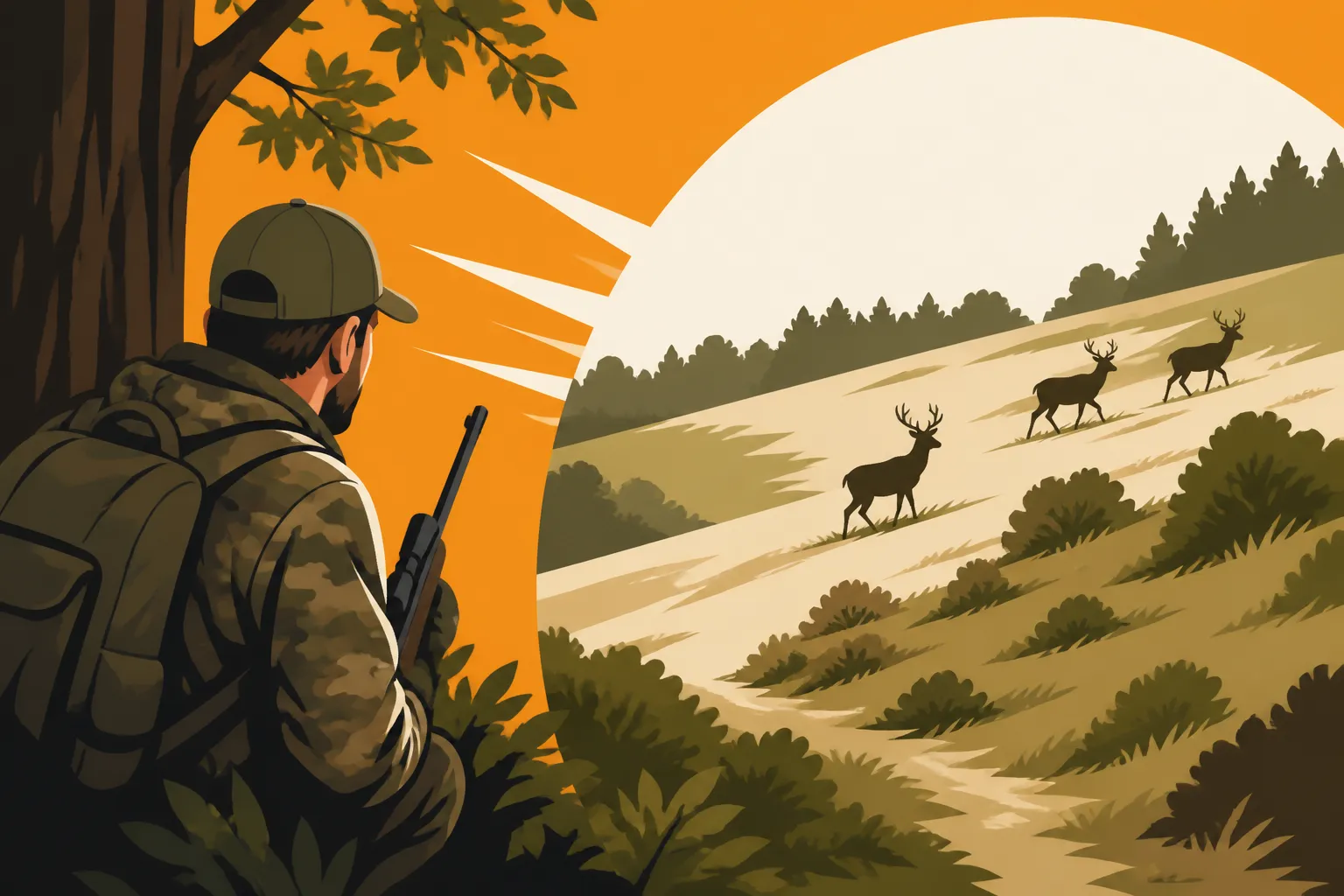
It’s a tale as old as time for Georgia hunters: you wake up before dawn, hike into your carefully scouted spot, and just as legal shooting light breaks, you hear another hunter stomping through the woods, or worse, see a flashlight beam where you thought you had solitude. The frustration of constant hunter pressure, especially on public land, can make you feel like every deer has eyes on the back of its head and has already vanished into thin air. This guide is all about helping you find those hidden gems, the overlooked pockets of habitat where deer feel safe and unmolested, allowing you to sidestep the crowds and increase your odds of success.
The Reality of Hunter Pressure in Georgia
Let's be honest, hunting in Georgia can sometimes feel like a crowded sport, especially during the peak of deer season. Whether you're on a popular Wildlife Management Area (WMA) or a small tract of accessible private land, the sheer number of hunters can drastically alter deer behavior, making consistent success a real challenge. Understanding why and how this pressure impacts the deer is the first step in learning how to get away from it.
Why Public Lands Get Overrun
Georgia's public hunting lands are a fantastic resource, but their accessibility is a double-edged sword. Easy access often means higher hunter density. Think about a WMA with a well-maintained road system and plenty of parking. Every pull-off you see is a potential entry point for another hunter, and deer quickly learn to associate those areas with danger. During the early archery season, or even more so once firearms season opens, these spots can become veritable highways for human activity.
Even properties that seem remote might still experience heavy foot traffic if they're easily located on a map. Many hunters rely on popular mapping applications, and while these tools are invaluable, they also highlight the same features for everyone. Creek bottoms, easily identifiable ridge lines, and obvious food sources close to a road become magnetic points for human activity. Deer, being highly adaptable creatures, will either move out of these high-pressure zones entirely or become almost entirely nocturnal, making them incredibly difficult to hunt. This is particularly true during the peak of the rut; even when the bucks are on the move, they're often doing so under the cover of darkness to avoid human contact. If you're struggling to find deer, it's often because they've simply shifted their patterns to avoid you and everyone else.
Recognizing the Signs of Pressure
Identifying hunter pressure isn't just about seeing other trucks at the parking lot; it's about understanding the subtle cues deer leave behind. Heavily pressured deer are different animals. Their rubs and scrapes might be less frequent near open areas, and you'll find their daytime bedding areas in the nastiest, thickest cover imaginable. Look for older, faded deer sign near roads and trails – this indicates that deer used to use these areas but have since adapted. Fresh sign, especially during daylight hours, further away from these obvious access points, is a good indicator you're getting into less disturbed territory.
Another tell-tale sign of pressure is deer running off at the slightest noise or movement. If you're constantly bumping deer that bolt before you even know they're there, you're likely in an area that sees too much traffic. These deer have been educated by previous encounters and are incredibly wary. Conversely, finding areas where deer seem more relaxed, perhaps taking an extra moment to look around before fleeing, suggests less human contact. Pay attention to how the deer react, it's their most honest form of communication about the pressure they face.
Strategic Scouting for Overlooked Havens
Finding ground others walk past requires a different mindset than simply looking for the most obvious deer sign. It's about thinking like a deer and a human, anticipating where deer will feel safe from hunters, and where hunters might be less willing or able to go. This involves a heavy dose of map study and old-fashioned boots-on-the-ground investigation.
Deciphering Maps and Topography
Your digital mapping tools, like the GoHunt app or others, are your best friends here, but you need to use them differently. Instead of just looking for food plots or easily accessible clear-cuts, start searching for what I like to call "sanctuary zones." These are often pockets of thick cover, steep topography, or areas surrounded by natural barriers that make human access difficult.
On an aerial photo, look for dark green splotches indicating dense evergreens or thick briar patches, especially if they're nestled between a food source and a bedding area. These are prime candidates for deer seeking refuge. Topographic maps become crucial for identifying steep elevation changes, finger ridges, and deep ravines that might deter most hunters. Deer will often bed on the leeward side of a ridge, catching the wind while being protected from above. By understanding how wind and thermals on a mountain ridge affect deer movement, you can pinpoint these overlooked bedding areas. Similarly, look for swampy areas or creek bottoms that would require wading or navigating dense, wet terrain. Most hunters avoid these natural obstacles, creating unpressured pockets for deer. Remember that Reading Aerial Photos for Piedmont Deer and understanding local typography can make a huge difference.
Ground-Truthing and Sign-Reading
Once you've identified potential overlooked havens on your maps, it's time to put boots on the ground, preferably during the off-season or a low-pressure time. This "ground-truthing" is non-negotiable. What looks like impenetrable cover on a map might be more accessible than you thought, or vice-versa.
When you're out there, don't just look for obvious deer trails. Instead, search for faint trails leading into the thickest, nastiest cover you can find. Look for smaller, more subtle rubs and scrapes deep within these areas, indicating that deer feel secure enough to express their presence. Pay close attention to how deer are using the terrain: are they crossing a particular saddle to get from one thicket to another? Is there a subtle bench on a steep hillside that offers a natural travel corridor? The goal isn't just to find deer sign, but to understand the pattern of movement in relation to difficult access. If you're consistently seeing fresh sign in areas that are a pain to get to, you're on the right track. This type of detailed Scouting Georgia Public Land Before Season is what separates the consistently successful hunters from those who complain about crowds.
Unconventional Tactics for Unpressured Bucks
Finding these overlooked spots is only half the battle. The other half is having the tactics and mindset to effectively hunt them. This often means abandoning conventional wisdom and embracing approaches that might seem counterintuitive to the average hunter.
Embracing Difficult Access
This is perhaps the most critical component of finding ground others walk past. If an area is hard to get to, fewer people will go there. This could mean a long, quiet hike well off the beaten path, potentially How Far to Walk From a Forest Road. It might involve crossing a beaver swamp, navigating thick cane breaks, or climbing exceptionally steep terrain. Don't be afraid to put in the effort. Deer in these sanctuaries often become much more predictable because they aren't constantly being harassed.
Consider using a sturdy deer cart or a good frame pack if you anticipate a long haul out with a harvested animal. Investing in durable, quiet clothing and reliable navigation tools (like your GoHunt app, pre-downloaded for offline use) becomes essential. The less noise you make, and the more confidently you navigate unfamiliar terrain, the more successful you'll be. This commitment to difficult access is precisely how you find Finding Ground That Sees Fewer Hunters and connect with deer that haven't been pressured.
Utilizing Natural Barriers
Natural barriers are your best friends when seeking unpressured ground. Rivers, large creeks, swamps, dense thorn thickets, and steep bluffs all act as natural deterrents to human traffic, creating pockets of relative safety for deer. Think about hunting a funnel between two swamps that most hunters wouldn't want to wade through, or a small island of dry ground in the middle of a large marsh. Deer will often utilize these areas as escape cover, knowing that most predators (including humans) won't follow them into such inhospitable terrain.
When scouting, look for places where these natural barriers meet or create choke points. A deer might only have a few narrow strips of dry ground to traverse through a massive swamp, concentrating their movement. Or, a steep bluff leading down to a river might offer only a few manageable access points, which you can then focus your efforts on. Don't be afraid to get your feet wet or push through some briars; the rewards of finding unpressured deer are often worth the discomfort. Just remember, these spots aren't just for deer; you'll also find yourself in some truly wild and beautiful parts of Georgia.
Exploring Small, Forgotten Pockets
Not every overlooked spot is a massive wilderness area. Sometimes, the best unpressured ground comes in surprisingly small packages. Think about small, isolated woodlots surrounded by urban sprawl or agricultural fields, or neglected corners of larger properties that are just too much trouble for most hunters to bother with. These can be incredible sanctuaries for deer, especially if they offer thick cover and nearby food sources.
For example, a small, half-acre thicket along a fencerow that's difficult to reach due to surrounding crops or residential areas might hold a surprisingly large number of deer, particularly during the late season when other cover is gone. Similarly, a small parcel of timber tucked away behind a housing development, only accessible by foot from a specific point, could be a goldmine. Don't overlook these smaller, less obvious spots. You might need to focus on Hunting Small Private Tracts in Georgia or even consider Knocking on Doors in South Georgia Farm Country to gain access to these hidden gems. Often, landowners are more willing to grant permission for these overlooked slivers of land, as they don't see them as prime hunting ground themselves.
Essential Tools for the Discerning Hunter
To truly be successful at finding ground others walk past, you need the right tools in your arsenal. This isn't just about your weapon of choice, but about the gear that helps you navigate, scout, and stay safe in areas where others won't venture.
Advanced Mapping and Navigation
A reliable mapping app on your phone, coupled with a backup GPS unit, is non-negotiable for hunting off the beaten path. These apps, especially platforms like GoHunt, allow you to download offline maps, mark waypoints, and track your movement in real-time, even without cell service. Before you go, spend time studying satellite imagery, topo lines, and public/private land boundaries. Mark potential bedding areas, travel corridors, and escape routes.
Carry a portable charger for your phone and ensure your backup GPS is fully charged. Know how to use a compass and paper map as a last resort. Getting lost deep in the Georgia woods is not an adventure you want to have, especially if you're alone or after dark. Good navigation skills and redundant tools are key to confidently penetrating areas that deter other hunters.
Gear for Deep Woods Penetration
When you're pushing into truly unpressured ground, your gear needs to be up to the task. Lightweight, durable, and comfortable clothing is paramount. Think moisture-wicking base layers and tough, briar-resistant outer layers. Snake boots are a wise investment in many parts of Georgia, particularly when traversing thick, snake-prone cover or swampy areas.
For stands, consider mobile options like saddle hunting setups or lightweight climbing sticks and hang-on stands. These allow you to adapt to the specific tree and terrain you find, rather than being limited by cumbersome ladder stands or bulky climbers. A good quality, comfortable pack is also vital for carrying your essentials and, hopefully, hauling out meat. This isn't the time for flimsy, cheap gear; you need equipment that can stand up to the rigors of deep woods hunting. Sometimes, a simple Using a Ground Blind on Georgia Public Land that you can brush in quickly might be all you need in a super thick spot.
| Hunter Pressure Sign | What It Indicates | Hunter's Strategy |
|---|---|---|
| Many truck tracks at parking lot | High access, likely high hunter density | Seek harder-to-reach areas, walk further in. |
| Well-worn, obvious trails near roads | Deer have been educated; nocturnal movement | Look for faint, less-used trails deep in cover. |
| Old, faded rubs/scrapes near popular spots | Historical use, deer moved due to pressure | Find fresh sign well away from easy access. |
| Deer spook easily, run before seen | Heavily pressured, highly wary deer | Focus on areas with natural barriers, thick cover. |
| Discarded trash or flagging tape | Frequent human presence, popular area | Go where there's no evidence of other hunters. |
| Minimal daytime deer activity | Deer have gone nocturnal due to disturbance | Penetrate deep cover where deer bed during the day. |
Disclaimer
Please remember that hunting regulations and land access rules can change. Always check the latest Georgia Department of Natural Resources (DNR) guidelines and WMA specific regulations before heading afield. Respect private property, practice ethical hunting, and prioritize safety above all else.