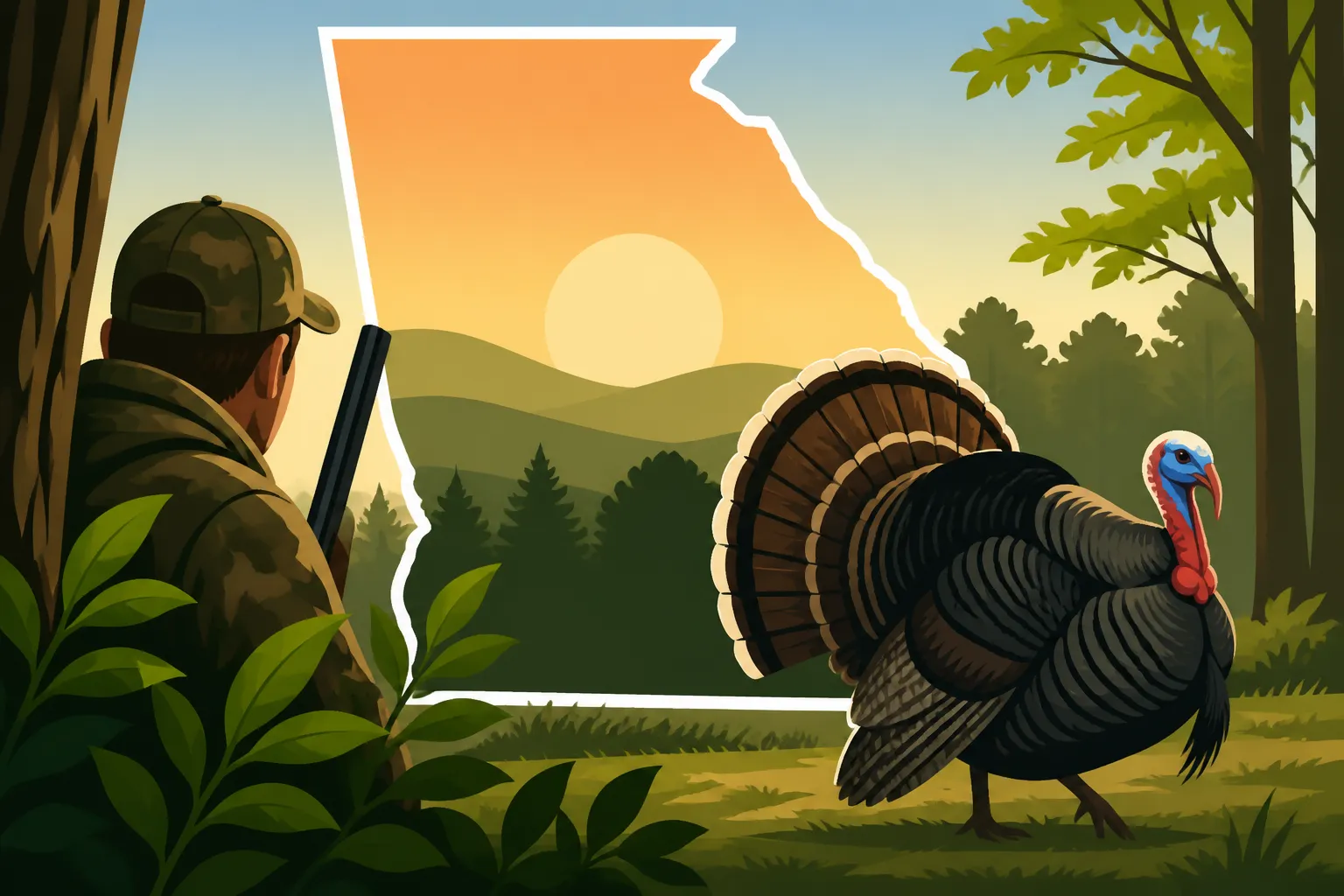
When Georgia Gobblers Go Quiet in May
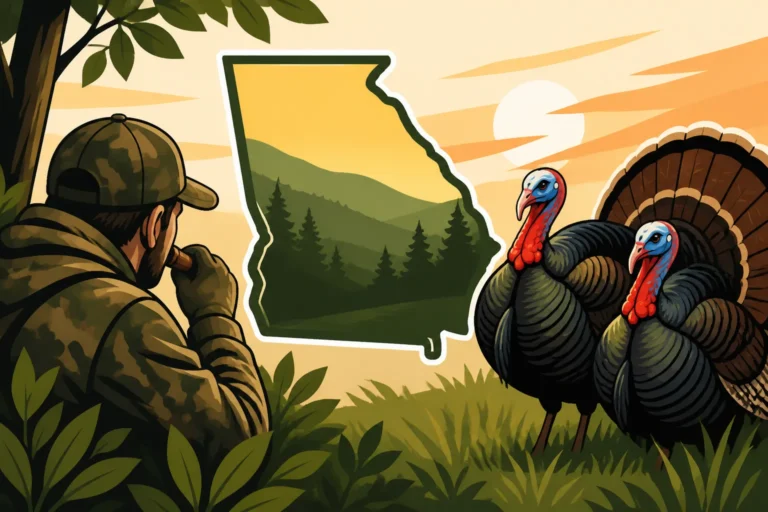
The sweet symphony of a gobbler ringing from the roost is one of the most exciting sounds in the spring woods, but come May in Georgia, that sound often fades to a whisper, leaving many hunters frustrated and wondering where all the birds went. It's a common challenge – you've put in countless hours through April, maybe even punched a tag or two, and now, suddenly, the woods feel silent. This guide will help you understand why Georgia gobblers seem to vanish as May rolls around and equip you with the knowledge and tactics to adapt your approach for a successful late-season hunt.
Why Georgia Gobblers Get Quiet in May
As the Georgia spring turkey season progresses into May, a noticeable shift occurs in the behavior of gobblers. The landscape changes, the weather heats up, and, most importantly, the turkeys themselves move into a different phase of their annual cycle. It’s not that they’ve disappeared; they’ve simply become harder to locate and much less inclined to respond to a call. Understanding these underlying reasons is the first step to finding success in the late season.
The Post-Breeding Cycle Shift
The primary reason gobblers go quiet in May is directly tied to the turkey breeding cycle. Early in the season, particularly during March and April, gobblers are absolutely consumed with finding and breeding hens. Their hormones are raging, and their primary objective is to attract as many mates as possible. This makes them vocal, aggressive, and often predictable. They'll gobble relentlessly from the roost, strut in open fields, and readily charge into calls, especially those mimicking a lonesome hen.
However, as May begins, most hens have been bred and are now nesting. They’ve begun the incubation process, meaning they spend less time with gobblers and more time on their nests. This changes everything for the male birds. Without hens to pursue, the gobblers' intense urgency to gobble and display diminishes significantly. They might still gobble a bit on the roost, but it’s often softer, less frequent, and they're less likely to come off the limb eager to find a hen. They also start to group up again with other gobblers, forming small bachelor groups. When multiple gobblers are together, their competitive drive to sound off for hens is reduced, as they’re not actively looking to attract a new mate but rather just hanging out, conserving energy, and feeding.
Increased Hunting Pressure and Education
Let's be honest, the woods aren't empty of hunters during the early season. Many eager turkey hunters are out there trying their luck, especially during the peak of the gobbling in April. This constant human presence, even if you don't encounter other hunters directly, educates the birds. Every truck door closing, every poorly executed call, every close encounter with a hunter that doesn't end well for the bird, contributes to making gobblers warier.
By May, the surviving gobblers have heard it all. They've likely been called to, spooked, or even shot at. They become incredibly call-shy and are much more reluctant to expose themselves or even acknowledge a call. If they do gobble, it’s often a very soft, defensive gobble, almost as if they're trying to figure out what's going on without revealing their precise location. They've learned that a sudden hen cutting or a jake yelp might mean trouble, not a willing mate. This means your calling has to be much more subtle, strategic, and often, less is more.
Changes in Food Sources and Habitat
The Georgia landscape undergoes significant changes between March and May, and these shifts directly influence where turkeys spend their time and how they behave. Early in the season, birds might be very visible in open fields, picking at residual crops or displaying where they can be seen. As May progresses, new vegetation explodes. The forest floor becomes thick with undergrowth, making visibility tougher. Fields that were bare are now lush with new growth, potentially offering different food sources.
Turkeys are opportunists when it comes to food. In May, they might be focusing on insects that are now abundant, new green shoots, or even late-dropping acorns in certain areas. This means their daily routines and travel patterns can change dramatically. They might move into thicker cover to forage, making them harder to spot and access. The dense foliage also absorbs sound, meaning your calls won't carry as far, and their gobbling will be muffled. It forces hunters to change their scouting strategy, often relying more on visual sign like tracks, droppings, and dusting bowls, rather than just listening for vocalizations. Knowing where to look for these late-season food sources can be key to finding birds that have seemingly gone quiet.
Adjusting Your Tactics for Silent Gobblers
When gobblers go quiet, continuing to hunt them with the same aggressive calling strategies you used in early April is a recipe for frustration. You need to adjust, to become more of a stealthy hunter and less of a loud caller. It's about thinking like a May gobbler: cautious, less vocal, and often in thicker cover.
Becoming a Silent Scout and Observer
This is where your strategy truly needs to shift. Forget about running and gunning, hoping for a shock gobble to pinpoint a bird. In May, you need to be a detective. Spend time before your hunt, or during your hunt, silently observing. Utilize mapping tools, like those available through GoHunt, to identify potential roosting areas, feeding locations, and travel corridors between them. Look for fresh tracks, droppings, and dusting bowls, especially near water sources or along field edges.
Instead of calling loudly, move stealthily through areas you suspect hold birds. Use your binoculars to scan clearings, power lines, and open timber for visual cues of turkeys. Sometimes, you'll spot a group of gobblers silently feeding or even strutting without making a sound. These are often bachelor groups of adult birds that have no hens to impress, but are still going through the motions. Your goal is to locate these birds without letting them know you're there. This might mean getting to your chosen area well before first light and simply waiting, listening intently for soft tree yelps or fly-down cackles that might indicate their presence.
Subtle Calling and Strategic Decoy Use
The days of aggressive, loud calling are largely over for May gobblers. Instead, focus on soft, subtle calls. Think light tree yelps, clucks, and purrs. The goal isn't to shock them into gobbling, but to pique their curiosity just enough to make them want to investigate. Sometimes, a series of soft calls made repeatedly over a longer period can be more effective than a few loud cuts. You're trying to sound like a contented hen, perhaps one that has successfully nested and is now just moving around, feeding.
Decoy use also needs to be more strategic. While a full strutter decoy might have drawn birds in early season, a wary May gobbler might view it as a threat or simply ignore it. Consider using a single hen decoy, or perhaps a jake decoy positioned slightly away from your setup. The key is realism and subtlety. Placing a single hen in a field where you've seen tracks can sometimes draw a curious gobbler that's just looking for company. Always ensure your decoy is visible but not overly exposed, and position it so that any approaching gobbler will present a clean shot before reaching it. Remember, in the late season, birds are far more prone to hang up out of range. If you want to increase your odds, try "Decoy Placement for Pressured Georgia Birds" to fine-tune your approach.
The Refined Run-and-Gun Approach
The run-and-gun tactic still has its place in May, but it's a refined version. Instead of covering ground quickly and calling loudly every few hundred yards, think of it as "silent-scout-and-listen." You're moving more slowly, carefully, listening for those soft, infrequent calls. When you hear a faint gobble, even if it's far off, don't immediately crash through the woods. Instead, use the terrain to your advantage. Map out a quiet approach using tools on GoHunt to circle around and get closer, trying to get into an ambush position without being detected.
Once you’re in a good setup location – ideally with good cover, an open shooting lane, and a clear view of where you expect the bird to come from – then you can try a soft series of calls. Wait for a good 15-20 minutes after calling. A late-season gobbler might take his sweet time responding or approaching. Be patient. If nothing happens, move another few hundred yards and repeat the process. This style of movement is less about covering maximum ground with sound, and more about covering strategic ground with stealth and careful listening. It's about getting close before you ever make a sound, which is a key component of effective "Run-and-Gun Turkey Tactics on Public Land" in the late season.
Identifying Ambush Points and Travel Routes
As gobblers quiet down, their movements become more predictable and often revolve around specific travel routes between roosting, feeding, and watering areas. This is where scouting really pays off. Look for natural funnels – creek bottoms, narrow ridges, logging roads, or even thin strips of timber connecting larger blocks of woods. These are all potential ambush points where you can intercept a silent gobbler.
During the late season, gobblers might be more inclined to use established paths or open areas that offer easier travel and visibility, rather than busting through dense undergrowth. Set up your stand or blind along these routes, often near where you’ve found fresh sign. Pay close attention to terrain features like saddles on a ridge or benches along a hillside, as these can be natural corridors for travel. By understanding how birds move through the landscape, you can often put yourself in their path even if they aren't gobbling up a storm. This also applies to "Turkey Tactics for Piedmont Field Edges" where birds might hug cover lines even when using open areas.
Environmental Factors Affecting Late-Season Gobblers
Beyond the biological and pressure-related reasons, the natural environment plays a significant role in how quiet Georgia gobblers become in May. Understanding these external factors can further refine your hunting strategy.
The Impact of Warming Weather
May in Georgia often brings significantly warmer temperatures, especially as the month progresses. Turkeys, like most wildlife, are sensitive to heat. On hot days, gobblers tend to become even less active and vocal. They'll often seek shade in thick timber during the heat of the day, moving only during the cooler early morning and late evening hours. This can make mid-day hunting particularly challenging.
On warmer days, focus your efforts during the first few hours of daylight and the last hour before dark. These are the times when birds are most likely to be moving, feeding, and potentially making some soft vocalizations. Be prepared to sit longer in one spot during these prime times, as birds might move more slowly. Conversely, a sudden cool front in May can sometimes trigger a brief resurgence in gobbling activity, so always keep an eye on the weather forecast and be ready to capitalize on any breaks in the heat.
Dense Foliage and Visibility
As spring transitions to summer, the Georgia woods explode with green growth. Trees leaf out completely, and the understory becomes thick and dense. This greatly reduces visibility, making it harder to spot birds from a distance and allowing them to move through the woods undetected. It also acts as a sound dampener, meaning calls don't carry as far, and a gobble can sound much further away than it actually is.
This dense foliage necessitates a closer approach and more careful scouting. You need to get into the birds’ living room, so to speak, before you start calling. It also means you need to be extra mindful of your setup, ensuring you have clear shooting lanes despite the heavy cover. Consider setting up near small clearings, logging roads, or thinned timber where visibility is better. This is also why having a reliable mapping app, like GoHunt, to visualize terrain and canopy cover can give you a real edge in finding those hidden lanes.
Predator Presence and Awareness
Turkeys are constantly aware of predators, and in May, predator activity can be high as many den animals are raising young. Coyotes, bobcats, and even black bears are all present in Georgia and pose a threat to nesting hens and young poults. This increased predator presence can make gobblers, and certainly hens, even warier.
A gobbler that hears a strange noise or senses danger will shut down instantly. This means moving silently is paramount, not just to avoid detection by turkeys, but also to avoid disturbing other wildlife that might alert the turkeys to your presence. Sometimes, a quiet gobbler isn't being shy of hens; it's simply being cautious of a nearby threat. Keeping a low profile, approaching from downwind, and minimizing disturbance can help you blend into the environment and avoid setting off any alarm bells for the local wildlife, including your target birds.
Late Season Considerations and Opportunities
Even when gobblers are quiet, the Georgia spring turkey season still offers opportunities. It just requires patience, persistence, and a willingness to embrace new strategies.
Making the Most of Public Land Opportunities
Hunting public land in Georgia can be tough any time of year, but it becomes even more challenging in May when birds are quiet and often pressured. However, that doesn't mean it's impossible. The key is to go where others aren't willing to go. While the "Georgia Public-Land Turkey Opener" might see crowds, by May, many hunters have given up. This means those hard-to-reach pockets of public land, deep in a swamp or far from a main road, might still hold unpressured birds.
Focus on areas that require a long walk, a boat, or even crossing difficult terrain. Use detailed topographic maps and aerial imagery, which you can often find through subscription services like GoHunt, to identify remote creek bottoms, isolated ridges, or dense thickets that other hunters might overlook. These areas are more likely to hold birds that haven't been relentlessly called to. Also, remember that even in the late season, understanding "The Georgia Youth and Mobility-Impaired Weekend" rules is important, as specific dates might allow different access or regulations.
Maximizing Your Two-Bird Limit
Georgia's spring turkey season allows hunters to harvest a maximum of two gobblers per season, with a one-bird daily limit. This means that even if you've already harvested a bird, you still have another tag to fill. While the limit has been reduced from previous years, as explained in "Why Georgia Dropped the Turkey Limit to Two", it still provides ample opportunity. Don't give up just because you've punched one tag.
The late season can be a great time to focus on getting that second bird. With less competition from other hunters and the chance to refine your stealthy tactics, you might find success. This also gives you the chance to really practice and hone your skills without the frantic pressure of the early season. Understanding "Adjusting Turkey Tactics for a Two-Bird Limit" means maximizing every opportunity and not letting a quiet bird deter you.
Finding Late-Season Food Sources
As mentioned earlier, food sources shift in May. What were prime feeding areas in April might be less appealing now. Turkeys will be seeking out areas with abundant insects – think ant beds, termite mounds, and areas with disturbed earth where grubs might be found. Newly sprouted green growth in clear-cuts, along logging roads, or in planted fields can also be a draw. Don't overlook soft mast trees like mulberries, which might be ripening in late spring.
Scout for these food sources. Look for where the ground has been scratched up or where there's fresh droppings indicating consistent feeding activity. Turkeys often frequent the edges of agricultural fields, especially those planted with clover or chufa, or areas where prescribed burns have occurred, leading to new growth. Identifying these crucial feeding grounds can give you a significant advantage in locating gobblers that aren't advertising their presence with loud calls. Even when birds are silent, they still need to eat, and if you can find their dinner table, you can often find them.
When Georgia gobblers go quiet in May, it’s a natural part of their annual cycle, compounded by hunting pressure and environmental changes. It's a challenging time to hunt, but by shifting your mindset and tactics from aggressive calling to silent scouting, subtle persuasion, and strategic ambushing, you can still find success. It requires patience, keen observation, and an understanding of the late-season turkey’s world. So, don’t hang up your vest just yet; the quiet woods of May might just hold the trophy you’ve been looking for.
| Tactic / Behavior | Early Season (March-April) | Late Season (May) |
|---|---|---|
| Gobbling Activity | Frequent, loud, eager to respond | Infrequent, soft, often only on roost, very call-shy |
| Gobbler Focus | Primarily seeking and breeding hens | Hens nesting, gobblers forming bachelor groups, less urgent |
| Calling Strategy | Aggressive cuts, loud yelps, trying to shock gobblers | Soft clucks, purrs, light yelps, subtle curiosity calls |
| Decoy Strategy | Strutters, jakes, multiple hens often effective | Single hen or jake, less-is-more, realism is key |
| Movement | May cover ground quickly, looking for vocal birds | Slow, silent scouting, observing, identifying travel routes |
| Habitat Focus | Open fields, strutting grounds | Thicker cover, shade, specific food sources, travel corridors |
| Hunter Pressure Impact | Birds somewhat naive, but quickly educated | Extremely wary, call-shy, quick to bust |
| Prime Hunting Times | All day, especially mornings | First few hours of daylight, last hour before dark, cooler periods |
Disclaimer
Hunting is an inherently dangerous activity. Always prioritize safety, understand and follow all Georgia Department of Natural Resources regulations, and obtain appropriate licenses and permits. Wildlife behavior can be unpredictable. This guide is for informational purposes only and does not replace professional instruction or local regulations.