Using a Ground Blind on Georgia Public Land
It can be incredibly frustrating trying to find the perfect treestand setup on Georgia's public lands, especially when you're faced with sparse, spindly trees or overly thick undergrowth. We've all been there, scouting for hours only to realize that ideal spot just doesn't have a good tree for a stand. This guide is here to walk you through how using a ground blind can be a game-changer, offering versatility and concealment that might just unlock those hard-to-hunt spots on public land.
Why Ground Blinds are a Game Changer on Georgia Public Land
Hunting public land in Georgia often presents unique challenges that traditional treestands sometimes struggle to meet. From finding suitable trees to dealing with heavy pressure, ground blinds offer a versatile and often superior alternative that can help you adapt to a wider range of conditions and increase your chances of success.
Advantages Over Treestands in Certain Terrain
One of the most immediate benefits of a ground blind on public land is its independence from trees. Think about those beautiful pine plantations down in South Georgia, or the dense, brushy areas in the Piedmont – finding a tree that's straight enough, free of limbs, and large enough to safely hang a treestand can be a monumental task, if not impossible. A ground blind frees you from this limitation entirely. You can set up shop in an open field edge, tucked into a thicket, or along a brushy creek bottom where a treestand would never work. This opens up countless more spots on public land that are otherwise inaccessible or overlooked by other hunters.
Furthermore, consider the safety aspect. While modern treestand safety has come a long way with harnesses and lifelines, accidents can still happen, especially when climbing in the dark or in adverse weather. Ground blinds keep you firmly on terra firma, eliminating the risk of a fall. This is especially comforting if you're hunting with children or individuals with mobility challenges. You're also much more concealed from horizontal sight lines, making your movements inside the blind less likely to spook wary deer or turkeys. On a chilly morning, the blind also offers a bit more protection from the wind, allowing for more comfortable and focused hunting.
Overcoming Public Land Challenges with a Blind
Public lands, by their very nature, see more hunting pressure than private tracts. This means deer are often more accustomed to looking up for danger, having been "educated" by countless hunters in treestands. Being at ground level, within a well-brushed-in blind, can sometimes make you less conspicuous to these wary animals. A ground blind breaks up your human silhouette completely, allowing you to blend into the natural surroundings in a way that even the best camo in a treestand can’t always achieve. This added level of concealment can be crucial when trying to lure in a stubborn gobbler or ambush a mature buck that's been pressured.
The sheer adaptability of a ground blind to changing conditions is another massive plus. If the wind shifts unexpectedly, or you realize a specific travel corridor is being used differently than you anticipated, a pop-up ground blind can often be moved and re-setup much quicker and with less disturbance than relocating a bolted-on treestand. This flexibility allows you to react to fresh sign or changing weather patterns without losing precious hunting time. Using powerful scouting tools, like the mapping features found on GoHunt or other similar platforms, can help you identify these key areas ahead of time, allowing you to place your blind strategically for maximum effect. For more on strategic placement, check out our guide on Brushing In a Blind on a Field Edge.
Choosing and Outfitting Your Blind for Georgia's Diverse Terrain
Picking the right ground blind for Georgia's varied landscapes, from the thick swamps to the rolling Piedmont, means thinking about more than just a cool camo pattern. It’s about durability, concealment, and how it performs in real-world hunting scenarios.
Selecting the Right Blind for Georgia's Environment
When you're outfitting yourself for Georgia public land, your ground blind needs to be tough. We're talking about durable fabric that can withstand persistent UV exposure, unexpected thunderstorms, and the occasional briar patch. Hub-style blinds, like those from companies such as Primos or Barronett Blinds, are popular for their quick setup and stability. They generally offer more room and robust construction than simpler pop-up blinds, which might be better for more impromptu, run-and-gun situations, especially when Run-and-Gun Turkey Tactics on Public Land are in play. Consider the quality of the zippers – quiet operation is non-negotiable when a deer might be just yards away. Reinforced corners and sturdy poles will ensure your investment lasts more than a season or two.
As for camouflage, Georgia offers a diverse palette from the deep greens of summer to the muted browns of winter. A versatile pattern that mimics hardwoods, pines, and brush, such as those from Realtree or Mossy Oak, will serve you well across the state. Think about the dominant foliage in your chosen hunting area; a pattern designed for open fields might stick out like a sore thumb in dense bottomland hardwoods. Space inside the blind is also crucial. Do you need room for just yourself and a bow, or will you be sharing it with a young hunter, extra gear, or even a heater during a cold Late-Season Food Sources for Georgia Whitetails hunt? Planning for adequate space ensures comfort and functionality during those long sits. Before settling on a choice, many hunters find it helpful to research blind options and read reviews on gear-focused platforms or even check manufacturer websites directly, like those integrated within the GoHunt ecosystem.
Strategic Placement and Brushing In
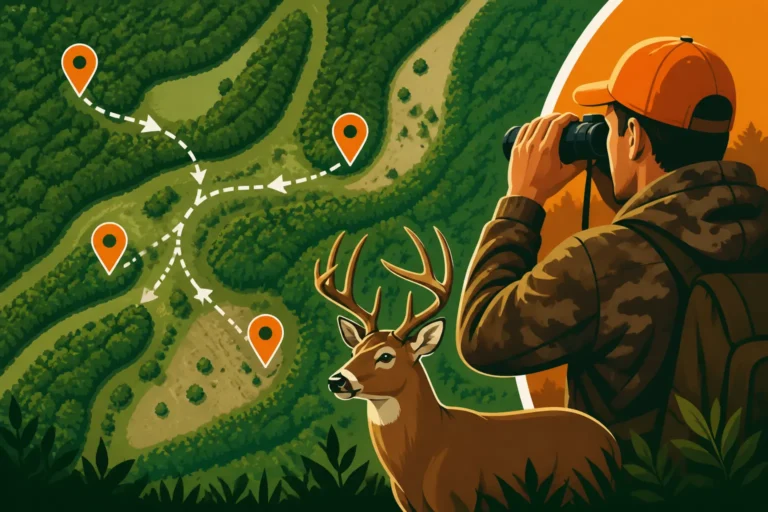
The success of your ground blind often hinges on its placement. Simply dropping a blind in a clear spot is a recipe for failure. The first step is thorough scouting. Utilize aerial maps and topographic features, perhaps even the Georgia Outdoors Map Tool, to identify potential travel corridors, pinch points, and feeding areas. Look for natural cover that can help your blind disappear – thick cedars, brush piles, fallen timber, or the edge of a standing crop field. Wind direction is always paramount, and even more so when you're at ground level. You want the wind to carry your scent away from where you expect game to approach.
Once you’ve identified a prime location, the next crucial step is brushing in. This isn't just about throwing a few branches on top; it's about making your blind look like it’s always been part of the landscape. Cut branches from nearby trees (if allowed and ethical), pile up deadfall, and weave native grasses and foliage into the blind’s exterior loops. The goal is to break up the blind’s defined outline and help it melt into its surroundings. Consider the sun's angle throughout the day, too; you don't want the sun hitting your blind directly and creating a stark silhouette or harsh shadows that could give you away. For early season hunts, where bugs are prevalent, ensure your brushing-in doesn’t create new bug havens right against your blind.
Mastering the Art of Hunting from a Ground Blind
Hunting from a ground blind is a different beast than hunting from a treestand. It requires a specific mindset and attention to detail, especially when it comes to concealment, movement, and shot opportunities. Being aware of these nuances can significantly improve your effectiveness.
Managing Scent and Sound
Even though a ground blind offers fantastic visual concealment, it does nothing to contain your scent unless specifically designed with carbon filtering or ozone generators. Because you’re at ground level, your scent cone spreads out more directly into the environment, rather than being carried high above the animals like it might from a tall treestand. This makes meticulous scent control even more critical. Shower with scent-free soaps, wash your hunting clothes in scent-free detergent, and store them in airtight bags. Use scent-eliminating sprays on your clothes and gear before heading into the blind. Always check the wind direction before you even walk to your blind, and have a backup plan if it shifts unfavorably.
Noise within the blind is another major concern. The enclosed space can amplify sounds, and a rustle of clothing, a zipper on a pocket, or the scrape of a boot on the blind floor can easily be heard by wary game. Practice silent movements. Use soft-sided bags for your gear, and ensure your clothing is quiet, avoiding anything with stiff, noisy fabric. Entry and exit are also critical moments. Approach and depart your blind as quietly and stealthily as possible, especially in areas with high Hunting Pressure on Georgia Public Land. Consider setting up your blind a few days or even weeks before you plan to hunt it, allowing local wildlife to get accustomed to its presence.
Shooting Considerations and Practice
Shooting from a ground blind requires dedicated practice. The confined space, limited visibility through windows, and shooting from a seated or kneeling position are all different from standing in a treestand. If you’re bowhunting, ensure your bow has enough clearance for your limbs and arrow flight within the blind. Practice drawing your bow while seated and rotating to simulate various shot angles. Many blinds have adjustable windows or mesh panels that can be opened quietly; determine which configurations work best for your setup and practice shooting through them. It’s also wise to check your broadhead clearance if you're using a mechanical broadhead.
For firearms hunters, consider using a shooting stick or bipod for a stable rest, as shooting offhand from a seated position can be challenging. Ensure your sight lines through the blind’s windows are clear and unobstructed. Practice acquiring your target quickly through the mesh or open windows. Knowing your effective range from a blind, especially with the limited sight lines, is paramount for making ethical shots. Don’t assume the same ranges you achieve from an open treestand will apply seamlessly to a blind. Always prioritize a clean, ethical shot, even if it means passing on a marginal opportunity.
Navigating Regulations and Ethics for Blinds on Public Land
Hunting on Georgia's public lands comes with a set of rules and unwritten ethics that all hunters must respect, and ground blinds are no exception. Knowing the specific regulations can save you a headache and help maintain positive relationships with wildlife managers and fellow hunters.
Understanding Georgia DNR Regulations for Ground Blinds
The Georgia Department of Natural Resources (DNR) has specific rules regarding the use of ground blinds on Wildlife Management Areas (WMAs) and other public lands. While portable ground blinds are generally allowed, there are often regulations concerning how long they can be left unattended, if they need to be tagged with your DNR customer number, and when they must be removed after the season closes. For instance, some WMAs might have strict rules against leaving any hunting apparatus overnight, while others allow it but require proper identification. It's not uncommon for rules to specify that blinds cannot be constructed from natural materials on site, or that they cannot cause permanent alteration to the habitat. Always consult the specific WMA regulations in the Georgia Hunting Regulations booklet or on the Go Outdoors Georgia website before you hunt. Ignoring these rules could result in fines or confiscation of your equipment.
The unfortunate reality on some public lands is the potential for theft or vandalism. While most hunters are respectful, leaving an expensive blind unattended for extended periods can be risky. If you do leave a blind out, ensure it's clearly tagged as required by the DNR and consider if the location is secluded enough to deter casual passersby. For any WMA hunting, remember that a valid Georgia WMA Access Stamp Requirement is usually necessary, in addition to your regular hunting license. Staying informed about regulations, especially those related to Camping Rules on Georgia National Forest Land if you plan an overnight trip, ensures a lawful and enjoyable hunt.
Respecting the Resource and Other Hunters
Beyond the written rules, there are ethical considerations when using a ground blind on public land. The "leave no trace" principle is paramount. This means packing out everything you pack in, including any trash, spent shell casings, or even pieces of string or flagging tape. When brushing in your blind, avoid excessively cutting live vegetation or altering the natural landscape in a way that detracts from its aesthetics or ecological function. The goal is to blend in, not to create a permanent installation.
Respect for other hunters is equally important. Public land is a shared resource, and crowding other hunters or setting up too close to an established spot is poor etiquette. If you encounter another hunter’s setup, give them a wide berth. Remember that when walking to and from your blind, especially during firearms season, Georgia law often requires you to wear Georgia Blaze Orange Requirements for visibility and safety. Even if you're fully concealed within your blind, other hunters need to be able to see you when you're moving through the woods. Being a responsible and ethical hunter ensures that Georgia's public lands remain accessible and enjoyable for everyone.
Here's a quick comparison to help weigh your options:
| Feature | Ground Blind (Public Land) | Treestand (Public Land) |
|---|---|---|
| Concealment | Excellent; breaks up silhouette, allows movement inside. | Good, but requires minimal movement; silhouette can be visible. |
| Versatility | High; can be set up almost anywhere with adequate cover. | Limited to suitable trees; difficult in open fields/thick brush. |
| Safety | Very High; on solid ground, no fall risk. | Moderate; risk of falls ( mitigated by safety harness). |
| Mobility | High (pop-up models); can be moved relatively easily. | Moderate to Low; moving can be noisy and time-consuming. |
| Weather | Good protection from wind, light rain; retains some warmth. | Minimal protection; exposed to elements. |
| Scent Control | Challenging; scent disperses at ground level, requires diligence. | Better if wind carries scent high, but still crucial. |
| Youth/Mobility | Excellent; comfortable for multiple hunters and those with limitations. | Challenging; requires mobility and comfort with heights. |
| Public Land Rules | Check WMA specific rules for unattended blinds & tagging. | Check WMA specific rules for tree damage & removal dates. |
| Cost | Varies, but often a good value for the features. | Varies widely depending on type (climber, hang-on, ladder). |
Disclaimer
Please remember that hunting regulations, seasons, and licensing requirements can change. Always consult the latest official Georgia Department of Natural Resources (DNR) guidelines and regulations before heading afield. This guide is for informational purposes only and does not supersede official state regulations.