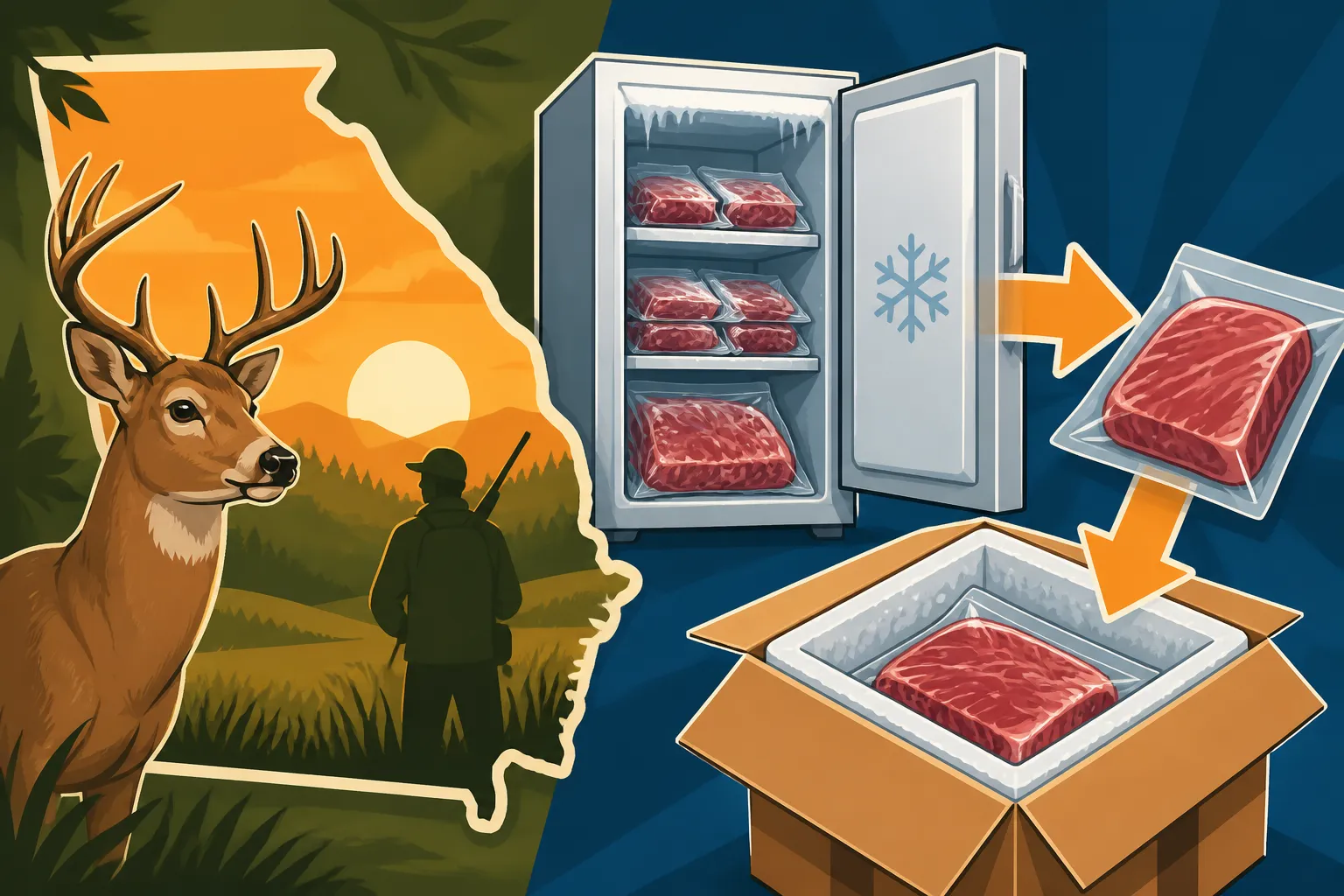
Freezing and Shipping Game Meat
That moment when you’ve finally got your deer on the ground, or your turkey slung over your shoulder, is pure exhilaration. But then, almost immediately, a new challenge sets in: what do you do with all that hard-earned meat? Especially in Georgia, where the weather can be anything but cooperative, preserving and transporting your game meat quickly and effectively is absolutely essential. This guide is all about taking the guesswork out of freezing and, if necessary, shipping your game, ensuring every savory bite makes it to your table or a loved one’s freezer in prime condition.
The Art of Proper Freezing for Long-Term Storage
The freezer is your best friend when it comes to keeping wild game fresh for months, even up to a year or more. But simply tossing a chunk of meat into a Ziploc bag is a surefire way to invite freezer burn and disappointment. There’s a real art to freezing game properly, and it starts long before the meat ever sees the frosty depths of your chest freezer.
Preparing Your Meat for the Freezer
Before any meat touches ice, it needs to be meticulously prepared. This isn't just about making it look nice; it's about safeguarding its flavor and texture. First off, cleanliness is paramount. After field dressing, get your game cooled as quickly as possible. Back at camp or at home, you'll want to debone the meat, separating it from bone, sinew, and any connective tissue. This makes for much more efficient storage and better eating later.
Next, trim away all visible fat and silver skin. Wild game fat often has a distinct, sometimes strong, flavor that can turn rancid in the freezer, leading to off-tastes. Silver skin, that thin, membrane-like layer, is tough and chewy even after cooking, so it's best removed before freezing. Once trimmed, portion your meat into sizes that make sense for your typical meals. This could be steaks, roasts, or stew meat. Smaller portions freeze faster and thaw quicker, reducing the risk of bacterial growth during thawing. For example, if you're planning on making venison chili, portion out the ground meat accordingly.
When it comes to packaging, you have a couple of primary options, each with its pros and cons. Vacuum sealing is, without a doubt, the gold standard. A good vacuum sealer removes all the air from around the meat, creating an airtight seal that dramatically extends freezer life and almost entirely eliminates freezer burn. While it's an upfront investment, it pays dividends in preserved quality. If you don't have a vacuum sealer, a multi-layer approach using heavy-duty freezer paper or plastic wrap followed by a freezer-specific bag can work well. The trick is to press out as much air as possible before sealing. No matter your method, always label your packages clearly with the date, the cut of meat (e.g., "Deer Backstrap," "Turkey Breast"), and the species. This makes it easy to rotate your stock and ensures you know exactly what you’re pulling out for dinner months down the line. Proper labeling can save you a headache when trying to figure out which package is venison stew meat versus ground hog.
Battling Freezer Burn and Maintaining Quality
Freezer burn is the bane of any hunter's existence. It’s that dry, discolored, leathery patch on your meat that signals dehydration and a loss of flavor and texture. It happens when air comes into contact with the frozen food, causing moisture to escape through a process called sublimation. The key to preventing it is to create an airtight seal around your meat, minimizing its exposure to air. This is why vacuum sealing is so effective; it essentially wraps your meat in a protective, oxygen-free cocoon.
Beyond packaging, maintaining a consistent, low freezer temperature is critical. Your freezer should ideally be at 0°F (-18°C) or colder. Fluctuations in temperature, often caused by opening the freezer door frequently or having an older, less efficient unit, can exacerbate freezer burn by causing the ice crystals on the meat to melt and refreeze, drawing moisture out in the process. Aim for rapid freezing when you first put the meat in. Spreading packages out in the freezer initially, rather than stacking them, allows cold air to circulate more effectively and freeze the meat faster. Once solid, you can stack them to save space. With proper care, game meat like venison, pork, or turkey can last anywhere from 9 to 18 months in the freezer without a significant drop in quality. However, fish and highly fatty game might have a shorter optimal freezer life, so keep that in mind. Knowing how to properly manage your freezer stock ensures that none of your hard-earned harvest goes to waste.
Navigating the Complexities of Shipping Game Meat
Sometimes, simply filling your home freezer isn't enough, or you want to share your bounty with family and friends who live far away. Shipping game meat can seem daunting, filled with regulations and the ever-present worry of spoilage. But with the right knowledge and preparation, it's entirely doable.
Understanding Regulations and Legalities
Before you even think about packing a box, you need to be acutely aware of the rules. Shipping game meat involves both state and potentially federal regulations, as well as the specific policies of your chosen shipping carrier. While shipping legally harvested deer or hog meat within the United States is generally permissible for personal consumption, it's always wise to double-check. Some states may have specific rules about importing game, especially concerning diseases like Chronic Wasting Disease (CWD). For example, if you're hunting in a Georgia CWD Management Area, there might be restrictions on moving certain parts of the carcass out of that zone, even if you’re just shipping meat. Always consult the Georgia Department of Natural Resources website or contact the wildlife agency in the destination state if you have any doubts. This can be especially important if using a service like GoHunt for trip planning, as they might provide state-specific guidelines.
Beyond state laws, commercial carriers like FedEx and UPS have their own stringent rules for shipping perishable items. They generally require meat to be frozen solid and packaged in specific ways to prevent leakage and maintain temperature. You won't be shipping a warm, freshly butchered roast, that’s for sure. They'll also have policies on using dry ice versus gel packs, and specific labeling requirements. Ignoring these rules can lead to your package being delayed, refused, or even confiscated, resulting in a total loss of your meat. A quick call to the carrier's special services department for perishables can clarify many of these points.
Packaging Game Meat for Shipment
Proper packaging is the absolute linchpin of successful game meat shipping. Your goal is to create a miniature, ultra-cold environment that can withstand transit. Start with good insulation. Heavy-duty, seamless Styrofoam coolers or specially designed insulated shipping boxes are your best bet. These need to be robust enough to handle bumps and jostles without cracking.
Inside the cooler, the meat itself should be frozen solid – I mean rock hard. Double-bagging the vacuum-sealed or freezer-paper-wrapped meat inside heavy-duty freezer bags adds another layer of protection against any potential leaks, which carriers absolutely despise. For the coolant, dry ice is incredibly effective for keeping things frozen solid for extended periods. However, it requires careful handling (always wear gloves!) and proper ventilation, as it sublimes into carbon dioxide gas. If using dry ice, ensure the package is clearly labeled as containing it. Gel packs are another option, safer to handle, but generally won't keep items as deeply frozen for as long as dry ice, making them better suited for shorter transit times. A combination of both can be ideal for longer journeys. Place a layer of coolant on the bottom, then your meat, then more coolant on top and around the sides to maximize contact.
For the outer packaging, the insulated cooler or box should be placed inside a sturdy cardboard shipping box. Seal all seams of the cardboard box thoroughly with strong packing tape. Don't skimp here; a flimsy seal is an invitation for trouble. Finally, clear and prominent labeling is critical. Include the recipient's full address and phone number, your return address and phone number, and a "Perishable" sticker. If you've used dry ice, clearly mark "Dry Ice" on the exterior. Using an online tool like the one found on the GoHunt platform to help plan your shipment and understand regulations can be a valuable resource.
Choosing the Right Carrier and Service
When it comes to shipping game meat, speed is not just a preference, it's a necessity. Standard ground shipping is almost always a gamble, especially during warmer months or to distant locations. You absolutely must opt for expedited services. This typically means overnight or 2-day air delivery. While more expensive, it dramatically increases the likelihood that your meat arrives still frozen solid and in excellent condition. Think of it as an investment in preserving your harvest.
Both major carriers, FedEx and UPS, offer various express services suitable for perishable goods. Compare their rates and delivery guarantees to your destination. It's also wise to check their specific drop-off cut-off times, especially if you're aiming for next-day delivery. Dropping off a perishable package too late in the day could mean it sits for an extra day, which is exactly what you want to avoid. Consider paying for tracking and notification services. Being able to monitor your package's journey and receive updates provides peace of mind and allows you to alert the recipient to its imminent arrival. Avoid shipping late in the week (Thursday or Friday) if at all possible, as this can lead to packages sitting in transit facilities over the weekend, increasing the risk of thawing. Aim for Monday through Wednesday shipments to ensure weekday delivery. When planning your Georgia hunting trip, remember to factor in these shipping considerations if you're not planning to drive the meat home yourself.
Practical Tips and Troubleshooting for Hunters
Shipping and freezing game meat successfully often comes down to a few key practices and avoiding common missteps. Having a solid plan from the moment the animal is down can make all the difference.
Timing is Everything: From Field to Freezer to Shipper
The clock starts ticking the moment you make a successful harvest, especially when hunting in Georgia’s often warm and humid climate. Rapid cooling of the carcass in the field is paramount to preventing spoilage and ensuring the best meat quality. Get that animal field dressed as quickly as possible, and if you’re in warmer weather, work on getting it cooled down immediately, whether that's with ice or by hanging it in a cooler environment. Field Dressing a Deer in Warm Weather is a skill every hunter needs to master for this reason.
Once back at camp or home, the processing into cuts suitable for freezing should be done without delay. You want to get that meat into your freezer, thoroughly packaged, as soon as possible after processing. And for shipping, the meat absolutely needs to be frozen solid for at least 24-48 hours before it goes into the shipping cooler. This pre-freezing is non-negotiable. If you try to ship partially frozen or even just chilled meat, it will likely thaw during transit, potentially spoiling. This means planning your hunt and processing schedule with your shipping date in mind. Don't rush the freezing process; let your freezer do its job thoroughly. It’s better to delay a shipment by a day to ensure the meat is rock-solid than to send it prematurely and risk it.
Common Mistakes and How to Avoid Them
Even experienced hunters can make mistakes when it comes to meat handling. One of the most common is not using enough insulation in the shipping container. A thin-walled cooler might be fine for a short drive, but it won't stand up to the rigors of air transit. Invest in a thick-walled Styrofoam or insulated box. Another frequent error is not pre-freezing the meat sufficiently before packing it for shipment. As mentioned, the meat needs to be frozen solid all the way through, not just on the surface.
Using regular ice instead of dry ice or gel packs for shipping is another big no-no. Regular ice melts, creating liquid that can leak out of your package, damaging other cargo and infuriating carriers. Plus, the melted ice water will promote bacterial growth on your meat. Improper labeling is a mistake that can lead to delays or rejection. Make sure all necessary information is clearly visible and accurate. Finally, shipping on a Thursday or Friday can lead to packages sitting in transit facilities over the weekend, massively increasing the risk of spoilage. Always aim for early-week shipments. Yes, shipping is often expensive, but the cost of proper packaging and expedited service pales in comparison to the disappointment of losing a freezer full of hard-earned venison. If you're wondering about your deer harvest, remember to follow Georgia Deer Harvest Reporting Rules to stay compliant, which can sometimes tie into interstate transport rules.
Alternative Solutions for Transporting Game Meat
While shipping services are a fantastic option, they're not the only way to get your game meat where it needs to go. Sometimes, a more hands-on approach is best. If the destination isn't too far, driving it yourself is often the most reliable method. Pack your thoroughly frozen, vacuum-sealed meat in high-quality coolers, filling any empty spaces with crumpled newspaper or towels to minimize air pockets and help retain cold. You can add a layer of dry ice or gel packs for extra assurance, especially on longer drives.
Another great option, especially if you hunt with a group, is shared cooler space among hunting buddies. If someone in your hunting party lives closer to the destination or is heading that way, consolidating your frozen meat into fewer, larger coolers for a group drive can be very efficient. This also spreads the responsibility and ensures someone is overseeing the precious cargo. Lastly, consider professional processing facilities that offer shipping services. Many reputable processors, particularly in popular hunting areas, have established relationships with carriers and know all the ins and outs of proper packaging and regulations. They often have access to industrial freezers and specialized shipping materials. While this comes with a processing fee and a shipping charge, it can save you a tremendous amount of hassle and worry, ensuring your Butchering a Deer at Camp efforts pay off. They might even be familiar with specific issues like Handling Venison From a CWD Management Area if that applies to your harvest.
Disclaimer
This article is for general informational purposes only and does not constitute professional advice. Laws, prices and regulations vary by location and change over time. Consult a qualified professional for guidance on your specific situation.